Shichi-Go-San: How To Celebrate The Unique Japanese Milestone For Kids Ages 7-5-3
A Thousand Years of Wishing for Healthy Children

From samurai customs to modern family traditions, this unique take on growing up is one you don’t want to miss out on.
November in Japan brings a unique holiday that can only be celebrated a few times in a child’s life. Shichi-Go-San (七五三), literally meaning “seven-five-three,” is an ancient holiday dedicated to celebrating children who have reached the ages of three, five and seven.
There’s nothing more exciting than these kinds of child-related celebrations for families in Japan. For me, sharing these moments with my son makes them far more memorable. When the celebration puts him at the very center, I find myself wanting to go all out with decorations, delicious food and countless photos.
The History Behind The Shichi-Go-San Ages
 © Photo by iStock: RichVintage
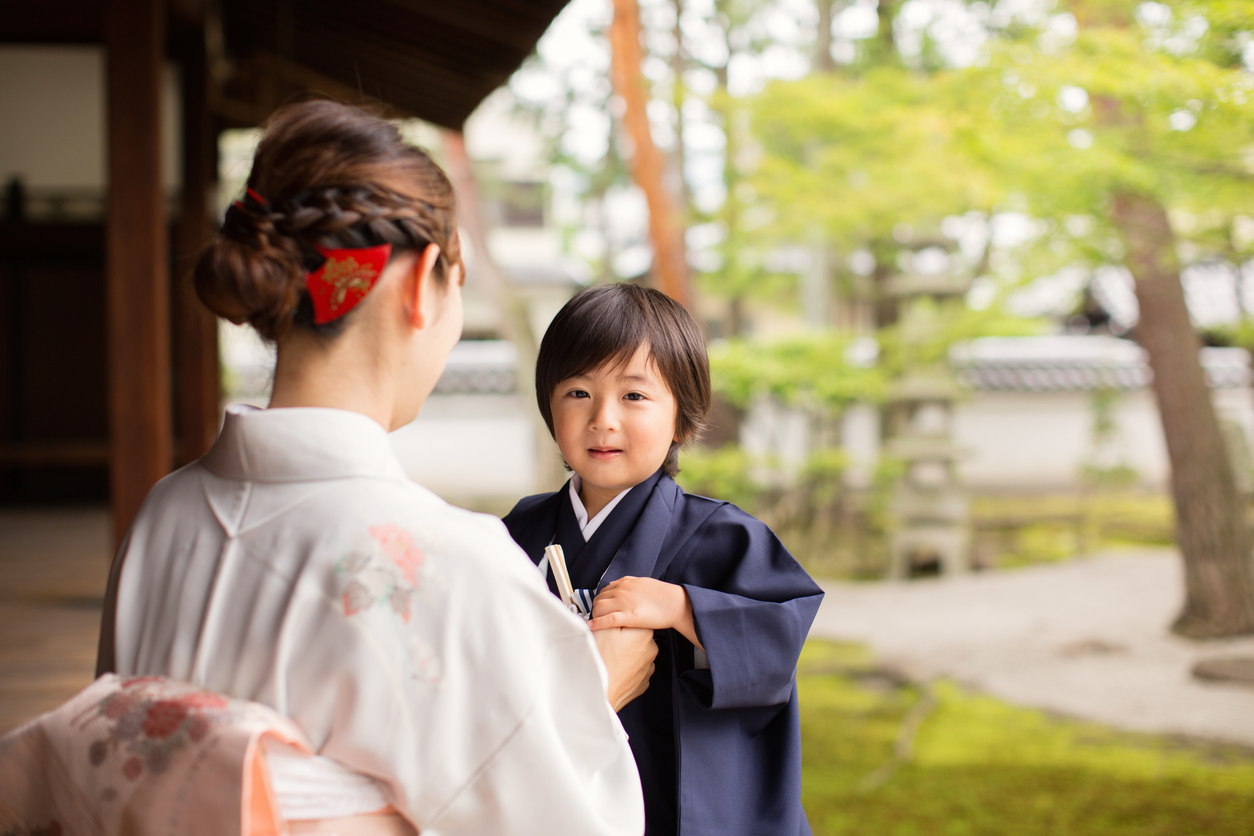
While preparing for my son’s Shichi-Go-San event, I spent a considerable amount of time researching the meaning and history behind it. Unsurprisingly, and like many historical events, this holiday was once only celebrated by the emperor and upper-class nobles, including samurai. Over time, as the holiday evolved and its name and other cultural aspects changed, it became the Shichi-Go-San we know today.
In the past, there was no single holiday. There were three separate events, each one marking a particular milestone, and celebrated by both genders. They were called Kamioki, Hakamagi and Obitoki.
| Celebration | Age | Gender | Meaning |
| Kamioki | 3 years old | Boys and Girls | Begin growing their hair out |
| Hakamagi | 5 years old | Boys | Don their first hakama |
| Obitoki | 7 years old | Girls | Begin wearing an obi belt with their kimono |
Nearly a thousand years ago, parents shaved their children’s heads, believing it was more sanitary and would prevent the children from getting sick. After turning three years old, they would hold Kamioki, a hair growth ritual. From that day onwards, the child would grow out their hair and begin their fresh start into childhood.
Children who had reached the age of five would participate in the Hakamagi ceremony. They would don their first hakama as the second milestone in childhood. This ceremony was initially open to both genders, but during the Edo period, it became a ceremony for boys only.
Similarly, Obitoki was originally a ceremony held for both boys and girls. When children reached the age of seven, they would begin using an obi to fasten their kimono in place, symbolizing their last few steps towards adulthood. This tradition also underwent a change a few hundred years ago, evolving into a ceremony for girls.
In the past, children were susceptible to various diseases, and it’s no wonder these milestones were considered significant reasons to celebrate. Even in the modern era, where children have a higher chance of survival, I’m always delighted to find an excuse to dress up and spend memorable moments with my family.
1,000-Year Candy & Other Treats
 © Photo by iStock: yasuhiroamano
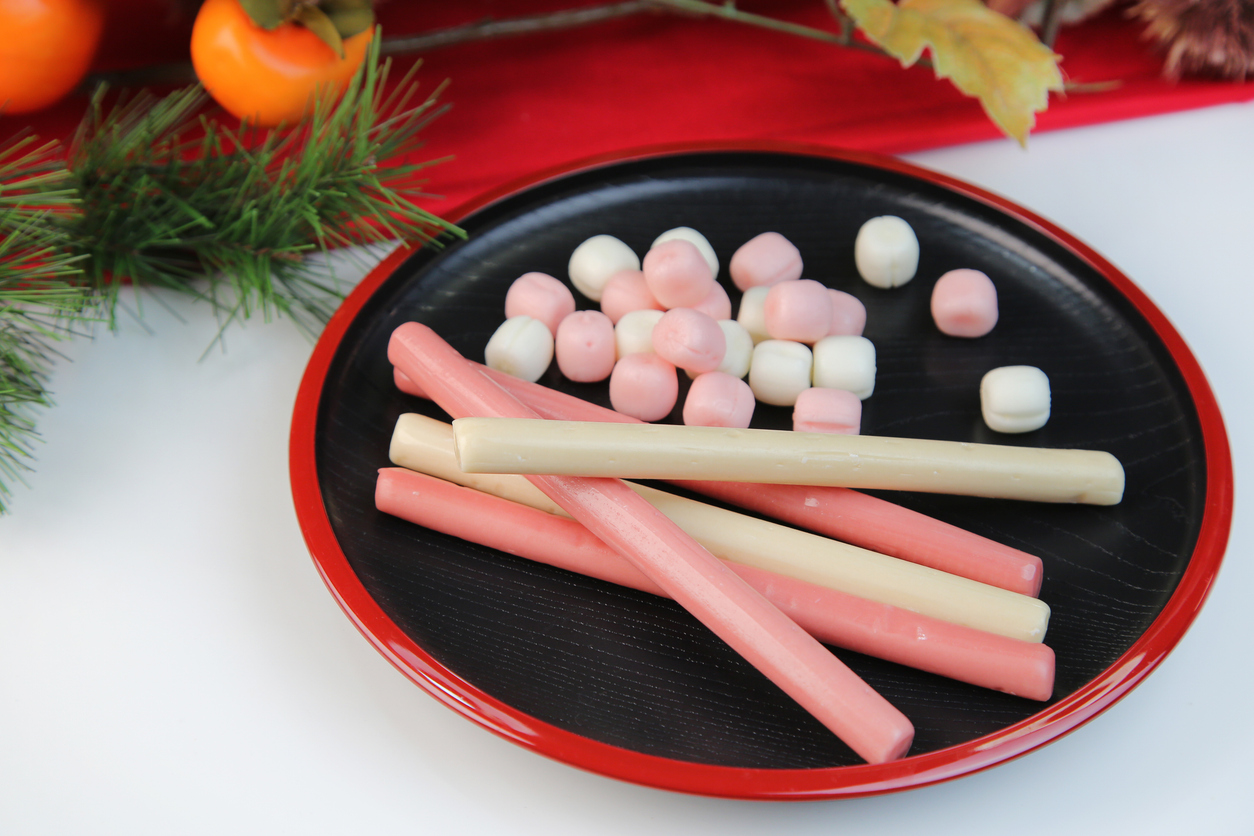
Besides getting to celebrate with my son, eating delicious food is by far one of the best things about holidays. With Shichi-Go-San comes a lot of fun sweets, but the most famous is by far chitose-ame (one-thousand-year-old candy) made from rice and barley.
Don’t worry, the candy itself isn’t actually a thousand years old. Instead, the long length of the candy is meant to symbolize a long and healthy life for the child. Much like the custom of consuming soba noodles on New Year’s, this belief also centers on the wish for a long and healthy life.
The candy often comes in a bag with other symbols of a long life, such as cranes and turtles. It has become so popular that your local supermarket might sell it. I actually passed by this candy many times without ever realizing its importance, as it doesn’t look all too spectacular.
 © Photo by iStock: StudioYummy
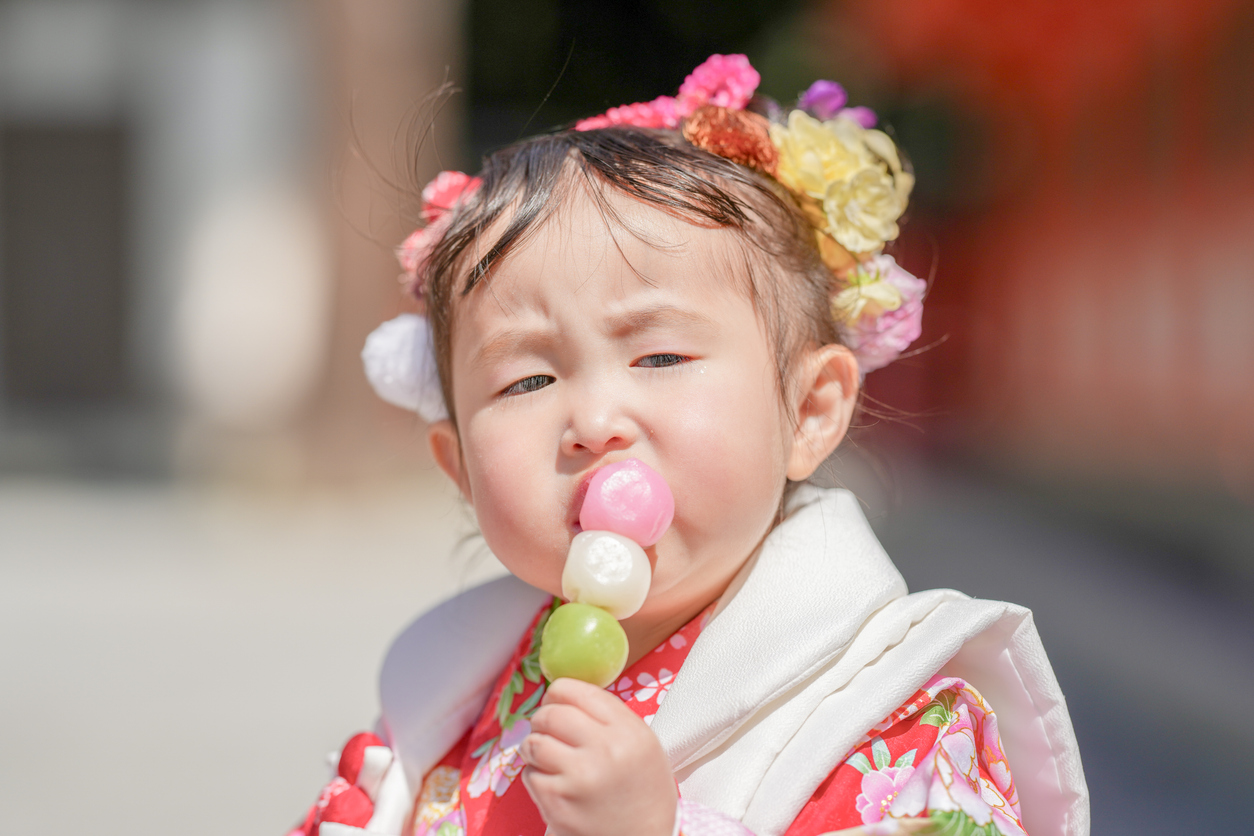
Besides chitose-ame, you can find desserts from cake shops to traditional wagashi being sold with various symbols on them. There are entire catalogs devoted to Shichi-Go-San gifts. These gifts can be given to grandparents or close family and friends as a way to express gratitude for their support. You might also be on the receiving end of gifts, congratulating you for raising a healthy child.
Some families make reservations at expensive restaurants, while others prefer a more tight-knit gathering at home. If you’re bringing your three-year-old, you might feel some stress eating out. My husband’s family often hosts gatherings in their home, preferring to cook up healthy dishes and share their favorite recipes with close friends. I recommend choosing what feels most comfortable for your family.
Prayers & Blessings
 © Photo by iStock: terra-d
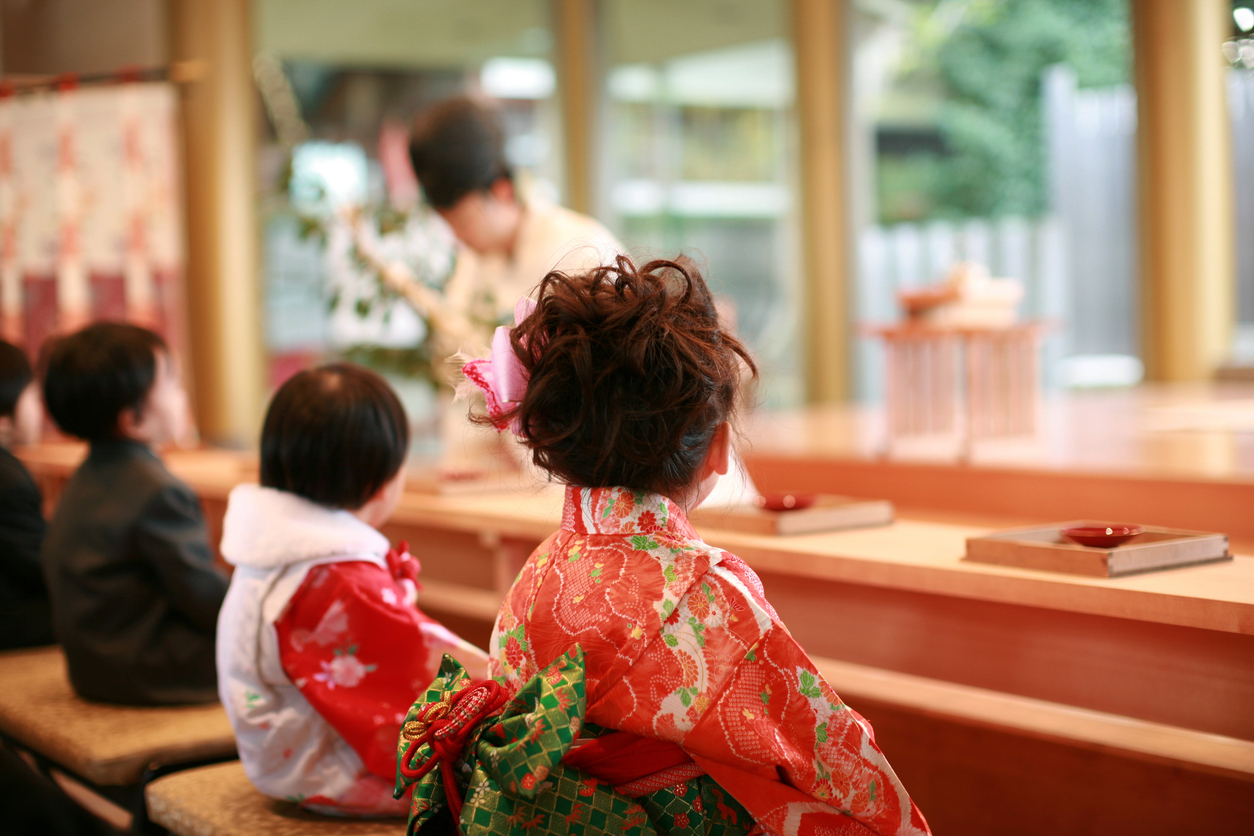
Usually celebrated on or around November 15, families often visit shrines to express gratitude and receive blessings for the coming year. However, as shrines and daily life can get busy, some families visit the shrine in mid-October or towards the end of November.
Every shrine has its own unique approach to Shichi-Go-San, so please check with your local shrine before visiting.
Recommended Shrines in Tokyo
Hie Shrine
One of the most popular and well-known shrines offering prayers from October is Hie Shrine in Chiyoda City, Tokyo. It’s centrally located and makes for a beautiful place to take professional pictures. Their website even offers plans and rentals for those who wish to use their services.
- Address: 2-10-5 Nagatachō, Chiyoda City, Tokyo (Google Map Link)
- Closest Stations: Kokkai-gijidomae Station (Tokyo Metro Marunouchi Line and Chiyoda Line), Tameike-sanno Station (Tokyo Metro Ginza Line and Namboku Line)
- Prayer Fee: ¥10,000
- Reception Hours: 9 a.m.-4 p.m. *No reservations required
Kanda Myojin
Also in central Tokyo, and easily accessible, is Kanda Myojin. Famous for the origin of chitose-ame, Kanda Myojin is another popular destination for families looking to celebrate their little ones. If you want to grab chitose-ame from the original shop that began selling it, stop by Amano-ya right outside the shrine’s main gate. They also sell many other delicious desserts, as well as their famous amazake.
- Address: 2-16-2 Sotokanda, Chiyoda-ku, Tokyo (Google Map Link)
- Closest Stations: Suehirocho Station (Ginza Line); Shin-Ochanomizu Station (Chiyoda Line); Ochanomizu Station (Marunouchi Line and Chuo-Sobu Line)
- Prayer Fee: ¥10,000
- Reception Hours: 9 a.m. to 3:45 p.m. *No reservations required
Local Shrines
For a more pleasant experience for everyone, I suggest smaller local shrines, especially when dealing with little ones who can become easily exhausted. Since this day is meant to be a happy and positive one for parents and children alike, plan ahead by visiting early.
As for myself and my family, I adore my husband’s neighborhood shrine. As someone who isn’t big on waiting in long lines, I prefer this local one by far! My son is still young and also doesn’t have much patience for waiting. It isn’t as massive as many of the famous shrines scattered around Tokyo, but it feels more meaningful to us.
Capturing Memorable Moments
 © Photo by iStock: studiobamboo
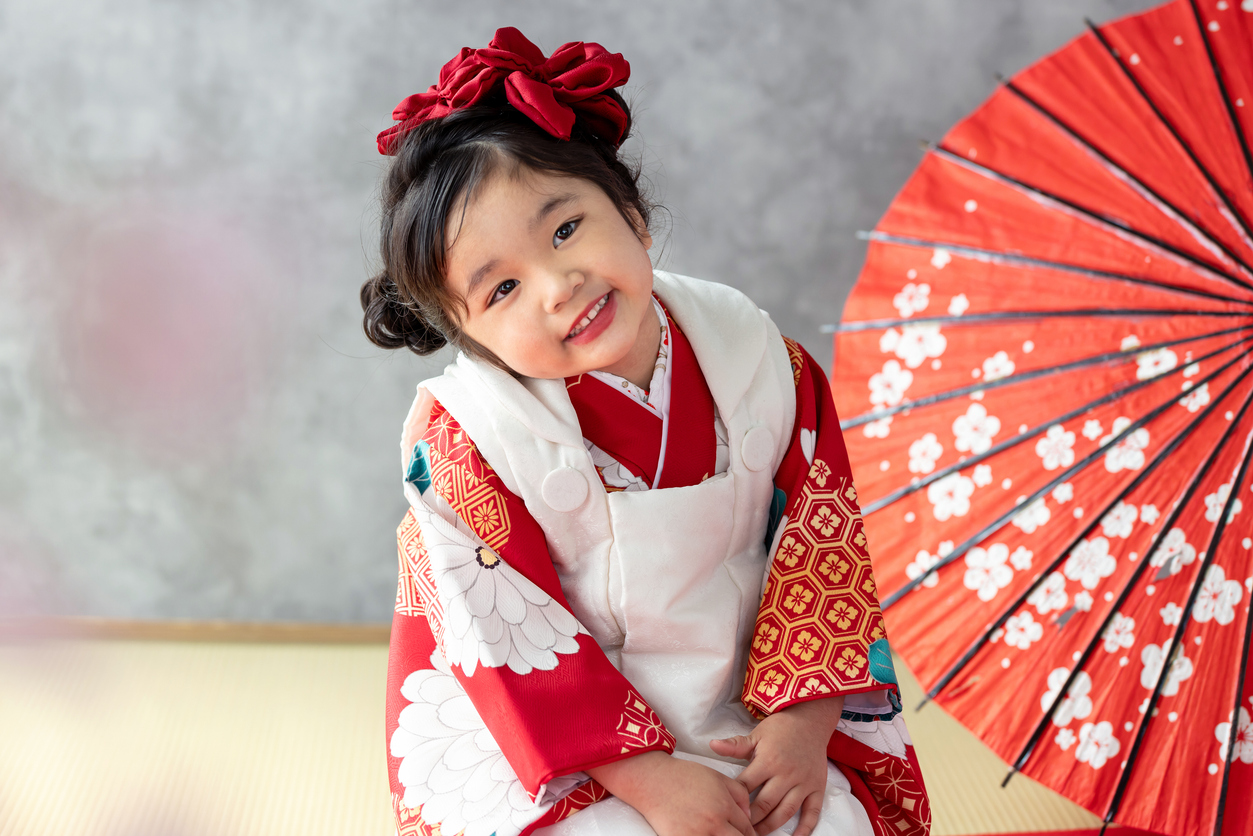
There are numerous, perhaps thousands, of photo studios throughout Tokyo advertising for Shichi-Go-San. October and November are the peak seasons, which can extend into September and December as parents try to save money or compete for a reservation spot.
Recommended 7-5-3 Photo Studios in Tokyo/Japan
Studio250 (Shinjuku)
- Prices starting at ¥18,700
- The background is simple but, for a fee, can be changed
Seijo Kosodeya (Setagaya)
- Various price plans for the different age groups
- Costume and dressing are included in the fee
Studio Alice (Various Locations)
- An all-inclusive weekday studio photoshoot starting from ¥7,530
- They will be offering Shichi-Go-San shoots until the end of the year
Studio Origami (Various Locations)
- Weekday plan: From ¥15,900; Weekend/holiday plan: From ¥22,900
- One costume is free with the photo shoot
LifeStudio (Various Locations)
- Prices starting at ¥33,000
- Outfits for children can be rented out for free (You can also bring in your own costumes to wear during the photo shoot)
Freelance Photographers on Fotowa (Various Locations)
- Choose the pricing plan that fits you
- Work directly with local photographers
- Some photographers speak English and are LGBTQ supportive
Clothing Options
 © Photo by iStock: joka2000
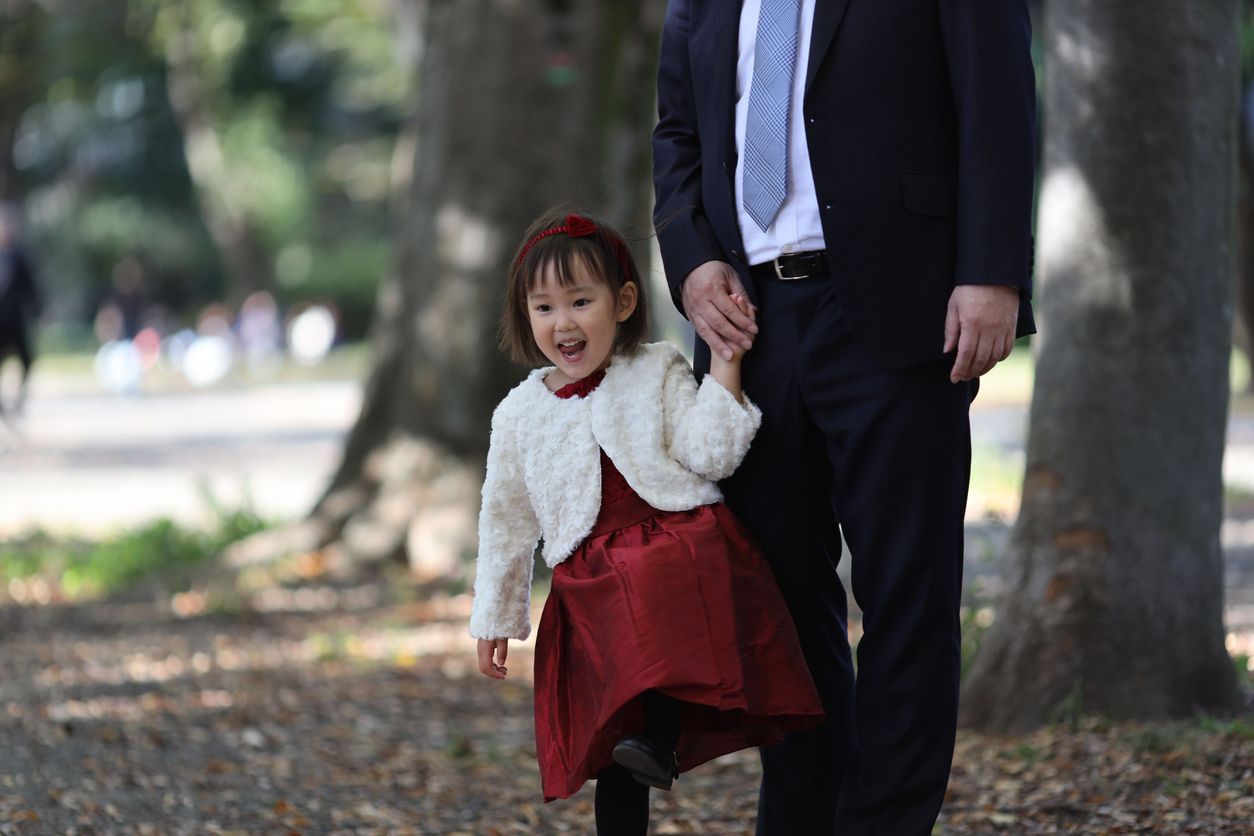
The kimono and haori are still very popular choices for Shichi-Go-San. However, these days, many families opt for Western-style formal suits and dresses on the special day. If you’re struggling to make a choice, it’s perfectly acceptable to choose both outfits and change in between photos and events. I was lucky that my parents sent us a set of suits as a Christmas gift that still fit my son the following year.
If you’re interested in renting, Madoi is one of the rental places in Tokyo where you can pay for the garments and even return them to the store by mail. It can cost around ¥16,000, which to me is still quite pricey. They charge separate fees for dressing and makeup. I’m lucky since my son doesn’t need anything additional, but for parents who want their daughter’s hair done, the cost begins to add up.
Online stores like Rakuten or Amazon are an option for parents who want to keep the clothes as memorabilia. Spending over ¥10,000 on an outfit that can only be worn once isn’t always ideal, especially given the current state of the economy. If you’re crafty and good with a needle, you might even be able to alter the fabric to something your child can wear every day.
Shichi-Go-San Tips & Tricks
 © Photo by Aspen Kumagai
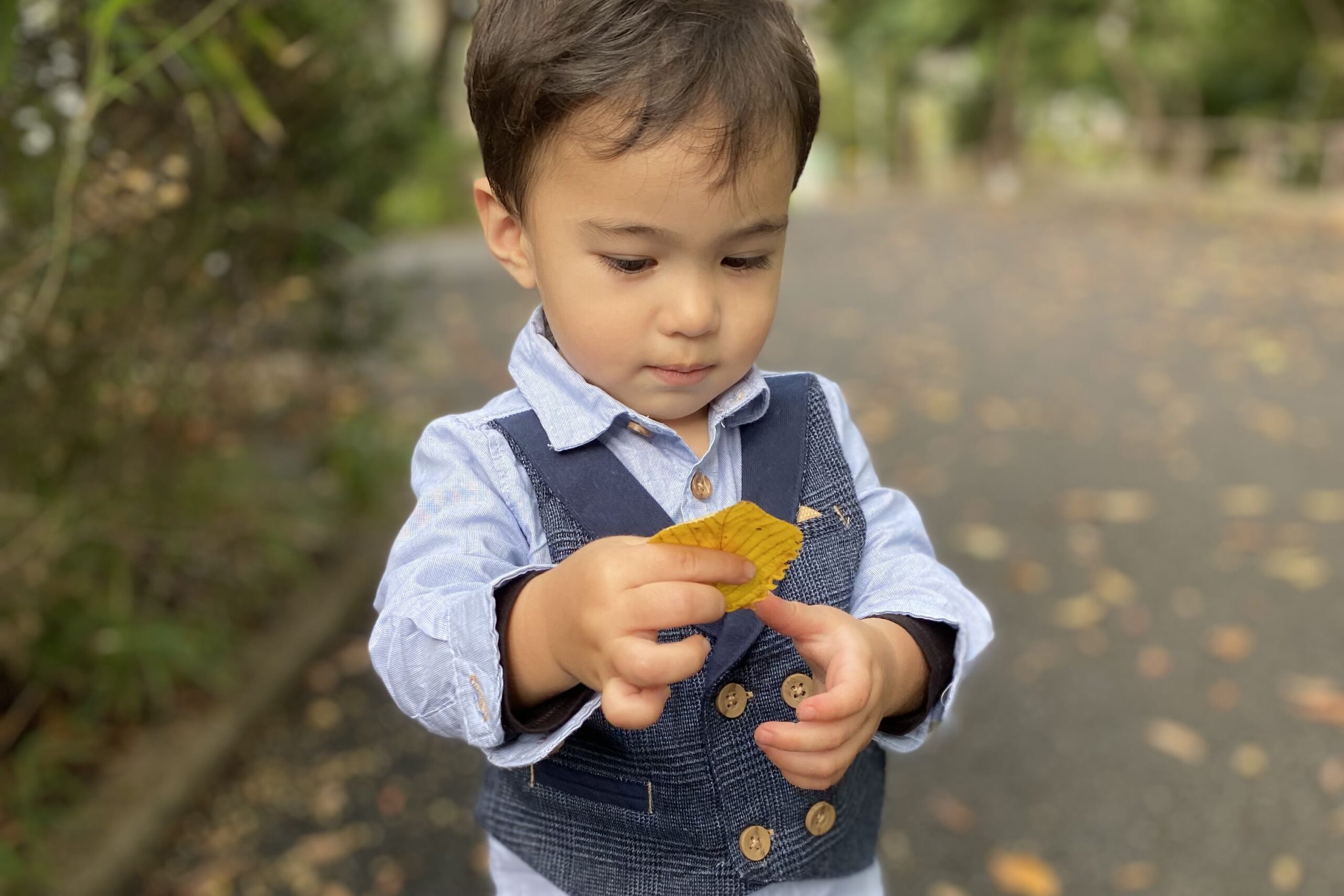
Shichi-Go-San is an event that only happens once or twice in a person’s life. Besides Seiji-no-Hi, a coming-of-age event, you may not get another opportunity to celebrate these meaningful milestones.
With that in mind, there are a few ways to save money:
- Make your photo shoot reservations early between January and August, the off-season
- Weekends and holidays often cost more than normal weekdays
- Getting photographs done in the studio can be cheaper than a location photo shoot
- Outfits can be found online, so it might save you more to buy rather than rent
- Buy the basic digital data now and make prints later when you want them
- Some smaller local shrines offer prayers for a cheaper price
- Choose a photographer or studio that allows cancellations
- Formal clothes and little ones don’t mix well, so prepare treats, stickers, whatever your kiddo will love
Do what’s best for you, your family and your budget. In the end, the important point is taking time to recognize happy milestones your child is going through and celebrating them with a smile.
Has your child dressed up for Shichi-Go-San before? Share your family’s experience with us!







Related Articles You Might Like
Maternity & Paternity Leave in Japan
If you’re planning on having a baby, be sure to read up on the maternity and paternity leave options in Japan.

Helping Your Kids Adjust To Japan’s School Lunches
Adjusting to Japan’s school lunch culture isn’t always easy for foreign families. Here’s how to navigate it with patience, communication and understanding.
By Kerri King
The Japanese Elementary School Event Schedule Explained
Get the school year under control with this handy vocab crib sheet.
Supporting Your Child In The Japanese School System
Head off school-day problems before they appear with a fellow mother's list of 10 ways to support your child at school in Japan!
Leave a Reply