Supporting Your Child In The Japanese School System
A Foreign Mama’s Perspective

Head off school-day problems before they appear with a fellow mother's list of 10 ways to support your child at school in Japan!
From youchien (preschool) to high school and beyond, all students need support. And, if you and your child are going through the Japanese school system for the first time, there’s an extra learning curve to getting an education in Japan. The Savvy team has already helped you with everything you need to know before starting elementary school, a guide to Japanese school lunches and buying randoseru (school bags). Still, this time, we’re talking about supporting your kid at school.
While a few of our suggestions to support your kids transcend national borders, like networking with parents and volunteering, there are some cultural nuances that you may experience as a foreigner. Then, there are tips that are uniquely Japanese, such as learning the language and celebrating traditional holidays.
1. Work On Your Japanese Skills
 © Photo by iStock: takasuu
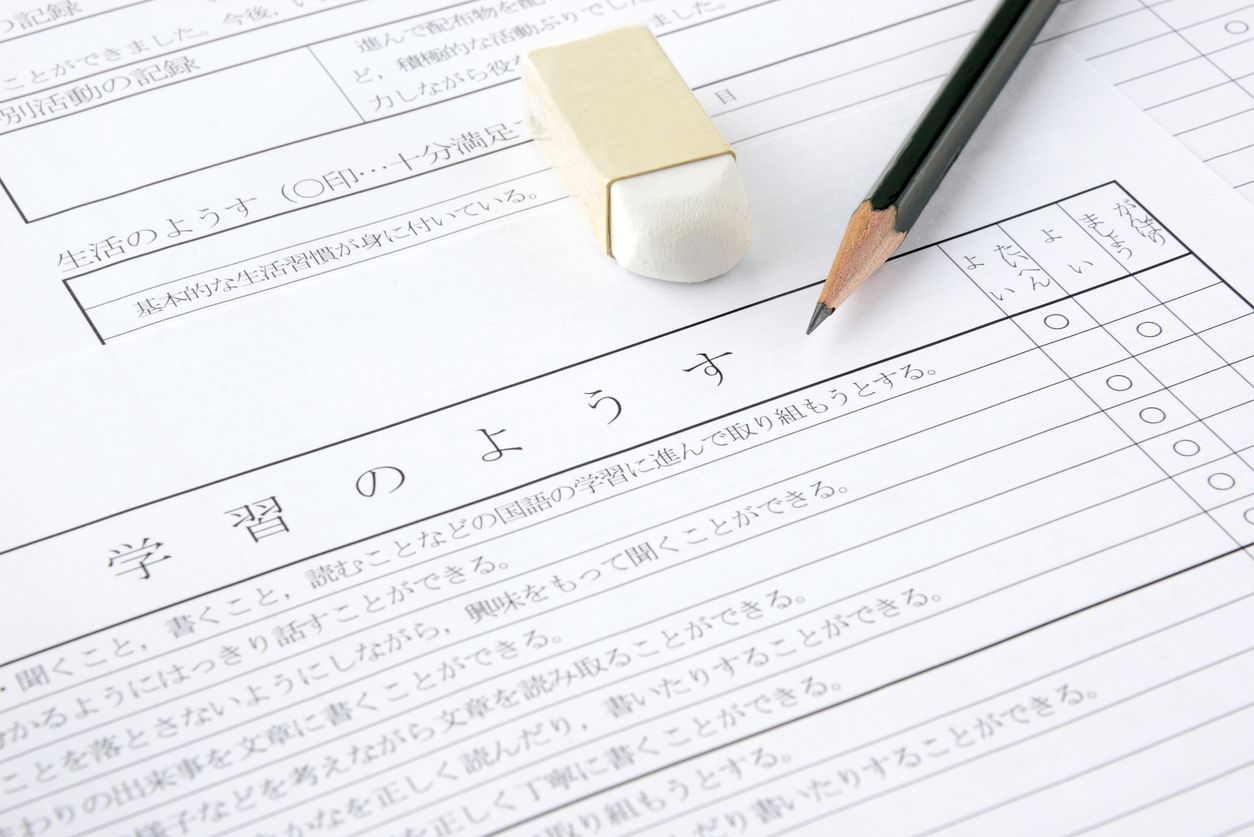
This is number one for a reason. Unless your child is enrolled in an English or international school, it will be hard, if not impossible, to keep up with the administrative tasks and social obligations without Japanese language skills.
While reading and writing are useful for forms like the school event schedule and scanning their jikanwari (timetable), your speaking and listening skills are the most valuable here. Even if you’re just starting out, the effort will be appreciated by teachers and other parents. But, if possible, having conversational Japanese skills comes in handy for just about every potential school issue, from friend problems to calling in sick.
2. Network With Other Parents
 © Photo by Pixta: YUMIK
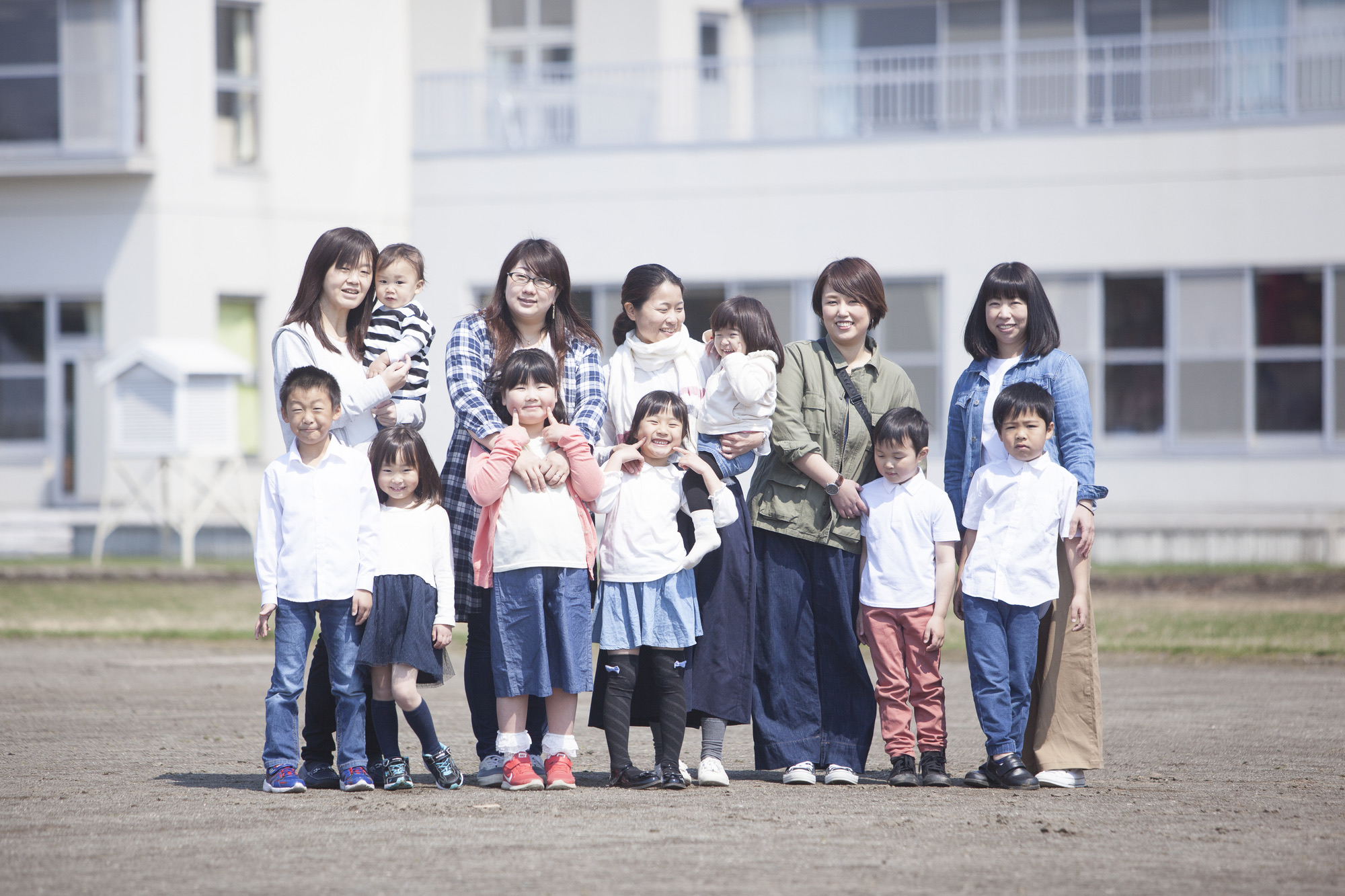
In school in Japan, like elsewhere, networking with other parents can be both stressful and key to supporting your child. When I accidentally threw out the name tag for my preschooler’s asobigi (playclothes for school), another mother was quick to give me an extra one when I contacted the group Line.
Make sure you fulfill your networking debts in kind with a thank-you note or present. Plus, your foreign cultural capital may be useful when someone wants to know what to gift the resident ALT at graduation!
3. Go To Omukae (Pick-Up)
 © Photo by iStock: maroke
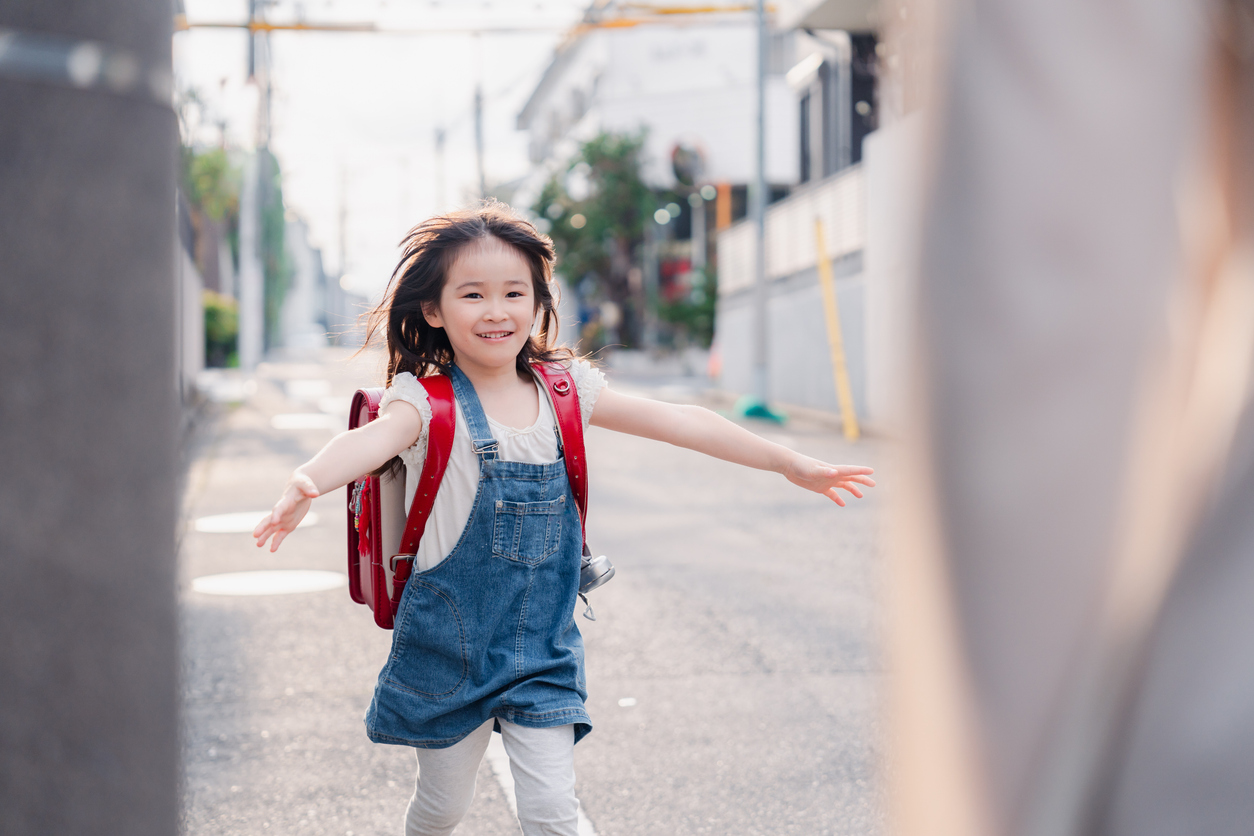
Would my life be easier if I put my preschooler on the school bus to come home? Undoubtedly. We could all use an extra hour for work and chores! But, if I did that, the teacher wouldn’t see me every day, which serves two purposes the way I see it:
- She can get used to me and feel more comfortable talking to me, should problems occur
- I can get a short daily report on my little one, which is especially useful in the early days
Also, being at the pick-up gives me the chance to meet other parents and more easily establish play dates.
4. Go To Every Teacher Meeting (Even The Optional Ones)
 © Photo by iStock: b-bee
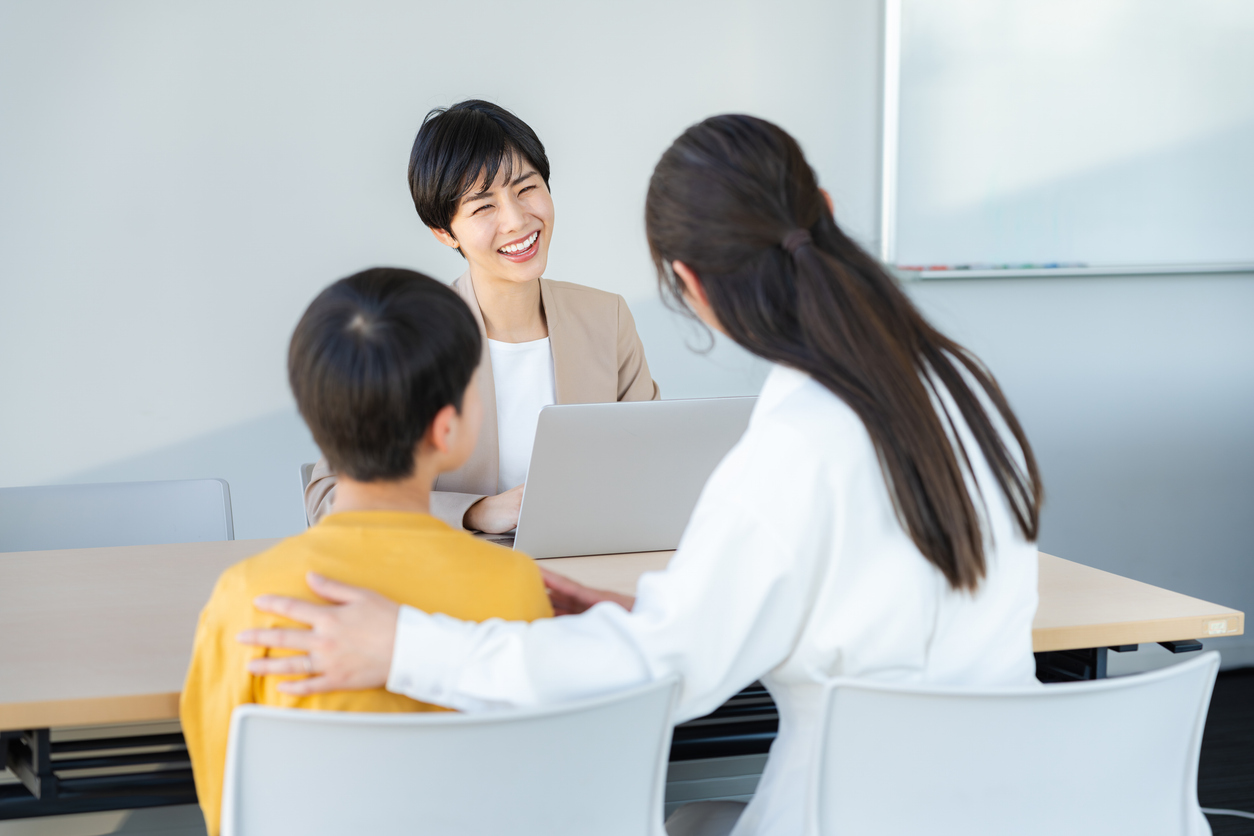
One of the best ways to hear about how your child is doing in school is to hear from the person who sees them every day. Meeting with the teacher will give you a sense of how your kid is doing in school and give you a more formal environment to air concerns and grievances (should you have any) than at pick-up or drop-off. And, it’s not just about academics.
These meetings can be a great place to learn about your kid’s social interactions with peers and teachers alike, as well as the teacher’s tips for improving their everyday life there.
5. Volunteer
 © Photo by iStock: T-kin
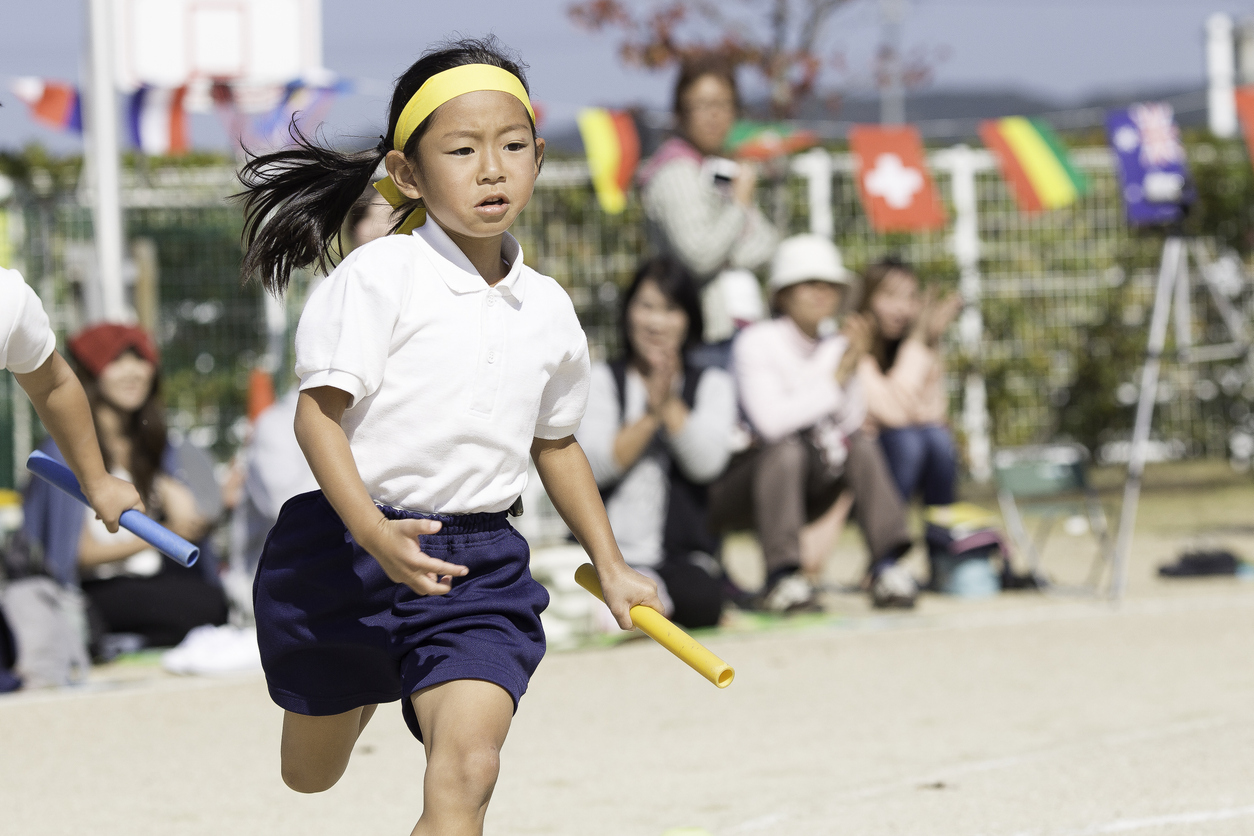
Depending on your kid’s school, parental volunteering may be encouraged or even mandatory (which is my case). Regardless, it’s a good idea to get involved in your child’s school. As a foreigner, it can be helpful to show your friendly face around school and offer your services, like yomikikase (reading aloud) in English to the kids.
There can be some unexpected benefits, too. At my child’s school, parents who help to set up the tents and seats for the annual undoukai (sports festival) receive first dibs on seating for the big event. Support your kid by cheering from the front row!
6. Get To Know Your Kids’ Friends & Their Families
 © Photo by iStock: Milatas
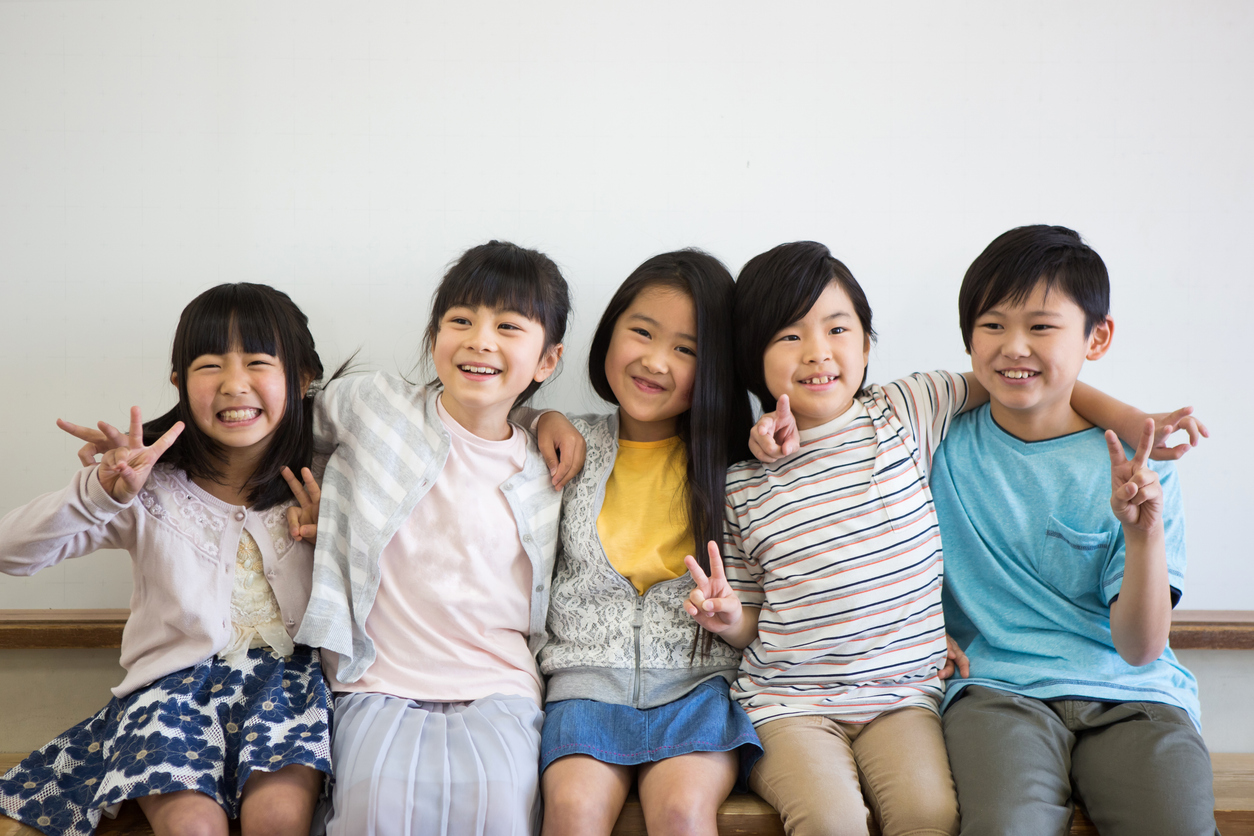
For some, making friends is easy, while others find it a challenge. In both cases, especially if you have young children, there are ways you can support them.
- Ask who they talked to or played with on a given day
- Learn the names of classmates and their personalities
- Bring your kid to the nearby park after school and introduce yourself to other parents
By reinforcing the friendships your kids are making by organizing playdates or helping to choose friends’ birthday presents, you can help them develop these relationships.
7. Include Japanese Holidays & Events In Your Family Calendar
 © Photo by iStock: Milatas
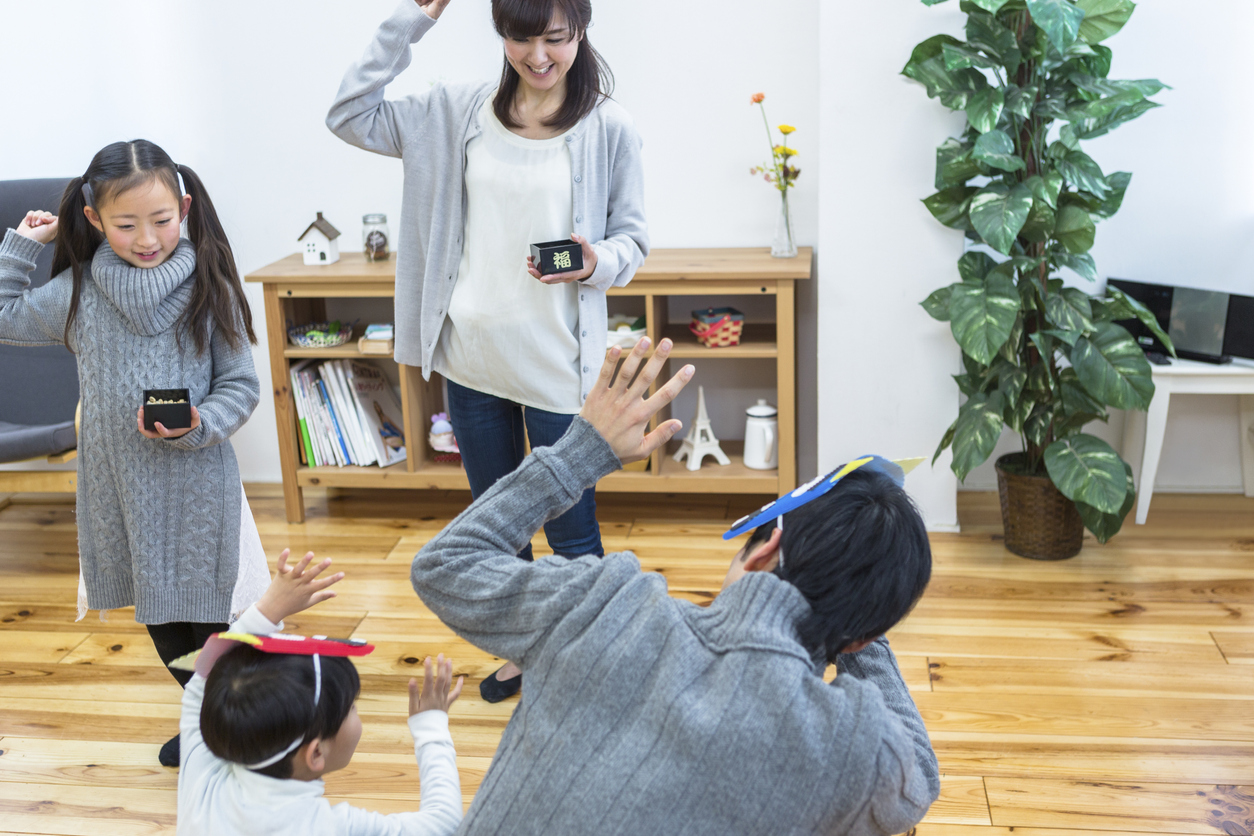
One way to help your child in school is to embrace Japanese cultural events at home. For instance, why not dress up like an oni (demon) and prepare to be pelted by an onslaught of beans for setsubun, a traditional holiday celebrated in early February? Or, relearn how to celebrate familiar holidays, like Valentine’s Day and Christmas, complete with homemade chocolates and KFC, respectively.
By integrating some Japanese events into your family calendar, you’ll not only have fun, but also give your kids the chance to enjoy the same cultural experiences as their peers.
8. Support Study Habits With (Fun) Drill Books
 © Photo by iStock: StockPlanets
Although the Japanese education system is a rigorous journey involving plenty of rote memorization and regular testing, it’s also fairly standardized. This means until the end of high school, most students in the public system will learn the same content within a given grade.
So, with that in mind, why not give your child an extra advantage by introducing future material before they see it at school? Or, strengthen weaker skills with some additional practice? Japan has a vast market of self-study books that match the public curriculum.
Plus, if your kid doesn’t like the idea of you teaching multiplication, maybe they’ll enjoy a fashionable, transforming magical girl or Pikachu as their sensei (teacher) instead.
9. Use Extracurriculars To Boost Skills & Engagement
 © Photo by iStock: Nikada
Known as naraigoto in Japanese, extracurricular activities are a great way to nurture emerging interests and build new or existing skills. Some of the most popular naraigoto for children in Japan are piano, swimming and sports such as baseball and soccer. Juku or cram school is another common naraigoto, but one that focuses on academic skills, including math, Japanese or even English.
If you choose a nearby extracurricular, your kids can form connections with other kids at the same local school, but in a new context. And, some skills that don’t seem 100% academic, like reading music and swimming, are also part of the school curriculum, where your little one may appreciate the leg up.
10. Contact The School If Problems Occur
 © Photo by iStock: paylessimages
If you have any worries about bullying or any other problems, contact the school earlier rather than later. Getting in touch with the teacher is a good place to start. After you raise your concerns, the teacher will usually give their perspective on the issue.
Sometimes they may already be aware of a problem, but not always. In either case, the teacher can pay extra attention to your child and make appropriate interventions to better support your child. Be sure to follow up with your kid regularly to see if the situation has changed and update the teacher should the problem persist.
If the issue continues or the teacher is the problem, you may have to contact the school administration.
Do you have any other ideas on how best to support your child in the Japanese school system? Let us know in the comments below!











Related Articles You Might Like

Understanding Teacher Transfers in Japan From A Parent’s Perspective
This parent-friendly guide breaks down the teacher transfer system and shares tips for families adjusting to it.
By Kerri King

School Holidays in Japan: What To Expect
Whether it's the endless reading assignments, the craft-making projects or research reports, the holiday homework-load seems just enormous.

Preparing to Enter a Japanese Elementary School
Although the new Japanese school year doesn’t begin until April, there’s a lot to get ready before the entrance ceremony.

Raising a Multicultural Child in Japan: What We’re Learning Along the Way
Balancing school life, language and belonging as an international family in Japan.
By Kerri King
Leave a Reply