Raising a Multicultural Child in Japan: What We’re Learning Along the Way
Our Cultural Identity & Everyday Life

Balancing school life, language and belonging as an international family in Japan.
Raising a multicultural child in Japan is both beautiful and complex. Each day brings new opportunities and challenges for children growing up between two (or more) cultures. From navigating the school system to preserving language and traditions at home, international families in Japan are constantly learning how to balance identity with adaptation.
Since relocating from Aotearoa New Zealand to Japan, our family has been learning how to live in that space in between. How do we nurture cultural identity when our environment doesn’t always reflect it? How do we help our daughter feel proud of who she is while also helping her adapt to a society that values sameness?
We don’t have all the answers, but we’re learning a lot along the way—about language, identity, schooling and what it means to belong when your roots stretch across oceans.
Recognizing The Differences & Similarities
 © Photo by iStock: Chris Babcock
Moving to Japan doesn’t always mean starting from scratch. For many families from Indigenous or culturally distinct backgrounds, parts of Japanese life can feel surprisingly familiar. Respect for nature, spiritual connection and daily rituals are values deeply rooted in both Japanese and Māori cultures.
For our family, these shared customs helped ease the transition. Rituals like removing shoes at the door or expressing gratitude before meals echoed our own practices and gave our daughter comforting points of connection.
That said, some differences are deeply felt, especially the absence of extended whānau (family) networks. In Japan, group harmony is key, but personal support systems can feel more closed. Without regular involvement from grandparents or the community, raising children abroad can be isolating.
Language has also undergone a significant shift. While our daughter is quickly adapting to Japanese, learning Te Reo Māori has naturally taken a back seat. Like many multilingual families, we often wonder:
Are we doing enough to keep her connected to her roots?
Navigating School & Society: The Challenge of “Fitting In”
 © Photo by Kerri King
Raising a multicultural child in Japan often means learning how to walk the line between cultural expression and social conformity, especially at school. For children who don’t fit the expected mold, this can present challenges.
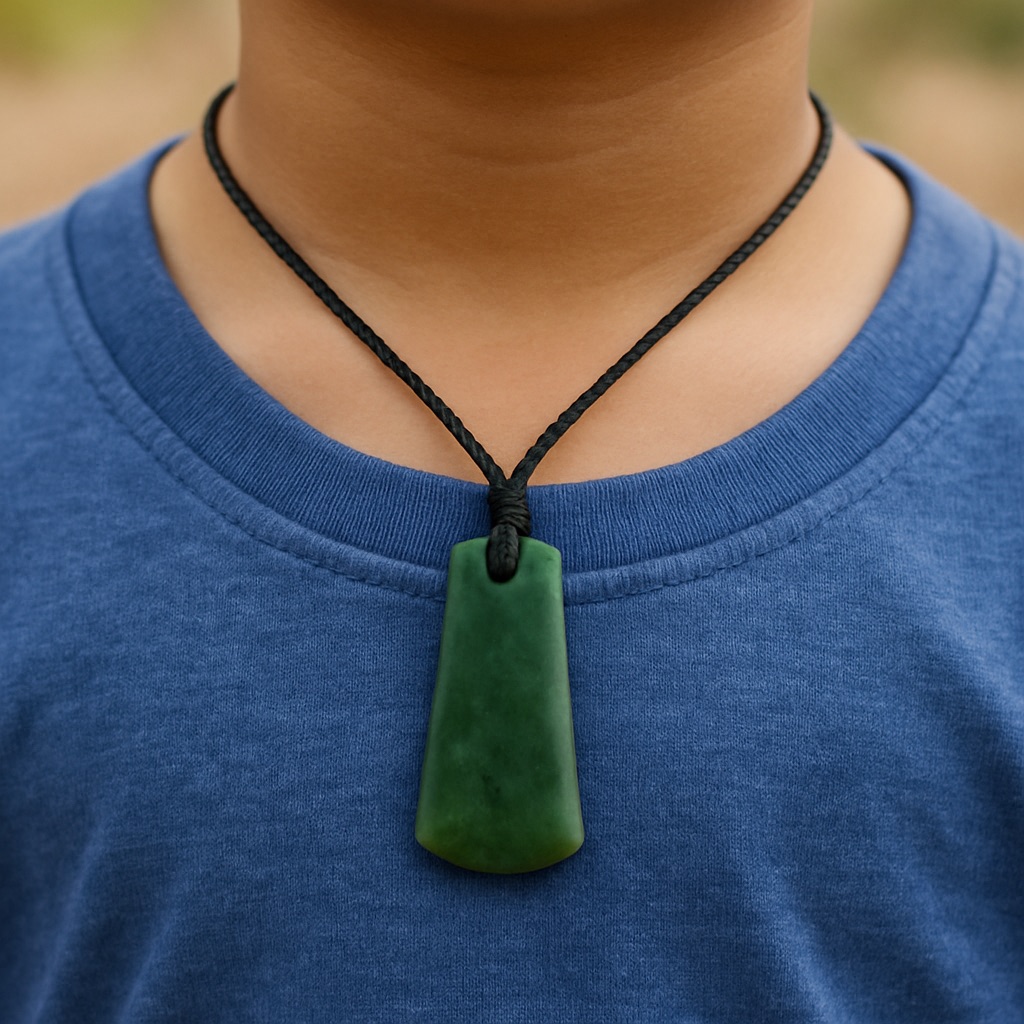
Cultural practices that fall outside the Japanese or Western mainstream are often misunderstood. When our daughter wore her pounamu (a traditional greenstone pendant), staff raised concerns about safety and distraction. It took multiple respectful conversations to explain its significance.
Other moments arise from simple differences in worldview. In Māori culture, the head is considered tapu (sacred) and should not be touched, yet casual head pats by teachers are common in Japan. We’ve learned to advocate gently while teaching our daughter to hold her boundaries confidently.
Even parenting styles can clash. Japan often values early independence and our active involvement in school has sometimes been seen as overbearing. These moments of friction are common for international families. The key is not to fight every battle but to communicate clearly and stay grounded in what matters most.
Finding Joy in Cultural Exchange
 © Photo by iStock: Pixfly
Despite the challenges, raising a multicultural child in Japan brings many moments of joy. Children are natural cultural connectors when given the space. Our daughter enjoys spotting parallels between Māori and Japanese traditions, like shared respect for ancestors or spiritual descriptions of the natural world. She also loves sharing stories and customs from Aotearoa with her classmates.
These moments don’t just affirm her identity; they build bridges of understanding. For families raising culturally distinct children abroad, these moments are powerful reminders that their unique identity is something to be celebrated.
Holding on to Culture While Embracing Change
 © Photo by Kerri King
One of the biggest ongoing challenges for multicultural families in Japan is keeping cultural identity alive at home, especially as children become immersed in Japanese school and society.
In our home, we continue celebrating Māori traditions like Matariki (Māori New Year), listening to waiata (songs) and surrounding our daughter with stories from her heritage. Still, the focus on Japanese learning often takes priority and we sometimes wonder if we’re doing enough.
We’ve learned that cultural identity doesn’t have to be perfect; it just needs to be intentional. It’s built through everyday moments: how we speak about home, the values we model and the spaces we create for our kids to feel proud of who they are.
When Openness Has Limits
 © Photo by iStock: recep-bg
Japan often feels welcoming at first. Teachers and classmates show real interest in other cultures. Over time, that openness can narrow. The early flexibility may fade into a quiet pressure to conform. While some cultural differences are embraced, others may be discouraged or ignored if they challenge the norm. Schools may decline accommodations, not out of hostility, but to preserve routine. For families raising multicultural children, this can be one of the most challenging parts of settling in. There’s space to share… but only to a point.
It can become a constant negotiation of how much to hold on to and how much to let go. Acknowledging this reality is essential. It allows us to prepare, reflect and move forward even when things feel uncertain.
Advice For Other Parents Raising A Multicultural Child in Japan
 © Photo by iStock: LeoPatrizi
If you’re raising a multicultural or Indigenous child in Japan, here are a few things we’ve learned along the way:
- Be kind to yourself. This is not always easy work. You won’t get everything right and that’s okay.
- Stay connected to your values. Whether it’s language, food, music or rituals, keep cultural touchpoints alive at home in ways that feel natural and sustainable.
- Build (or find) your community. If you can’t find others with shared experiences, create space for them. Even a few supportive families can make a world of difference.
- Talk openly with your children. Let them process their experience with you and remind them that they never have to choose one culture over the other.
- Know that it’s okay to feel in between. That space is often where the richest growth happens, for you and your child.
You don’t have to leave your culture at the door to live well in Japan. With intention, patience and support, it’s possible to raise children who are proud of where they come from and confident in where they are.







Related Articles You Might Like

8 Japanese Picture Books That Teach Kids Essential Life Skills
Growing up brings a host of expectations about how a child should behave. These picture books help translate complex concepts into age-appropriate life lessons.

What Your Child Should Know Before Entering Japanese Elementary School
Even if your child has spent their early years in Japanese daycare or preschool, the transition to primary school is a big one. Aside from...

School Holidays in Japan: What To Expect
Whether it's the endless reading assignments, the craft-making projects or research reports, the holiday homework-load seems just enormous.

English Babysitting Services in Japan
Finding an experienced, flexible, English-speaking babysitting service in Japan might sound like a tall order. But with more mothers working full-time and demand for bilingual...
By Rachel Crane
Leave a Reply