Traditional Games To Celebrate The New Year in Japan
Enjoy The Shogatsu With Family & Friends

Whether it’s your first time ringing in the new year in Japan or your 10th, we have a list of activities and traditional games to keep adults and kids busy during the holidays!
As the year winds down, many people in Japan are busy with bonenkai (end-of-the-year parties); sending out nengajo (Japanese New Year postcards); preparing for the big clean (osouji) and snatching up leftover fukubukuro (lucky bags). While the New Year holidays may seem like an adult affair, there are plenty of traditional New Year games in Japan that families can enjoy together.
Karuta
 © Photo by iStock: gyro
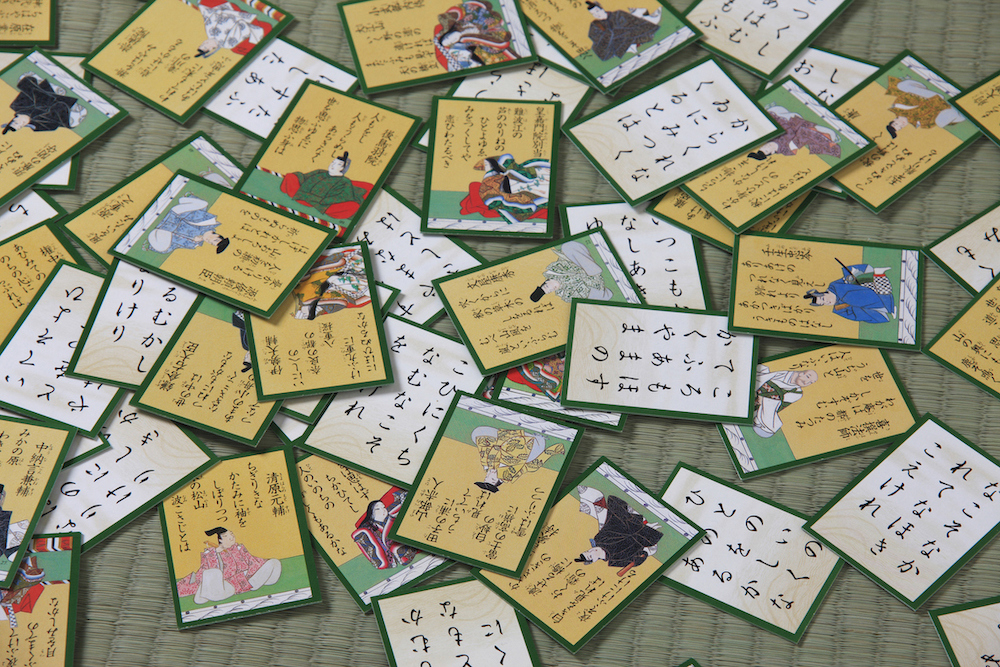
As one of the most iconic traditional New Year games, karuta traces its long history to kai-awase, a poetry-matching game played by Heian-period nobility using shells, as well as to European-style playing cards introduced to Japan in the 16th century. The primary goal of karuta is to correctly recognize and grab the appropriate matching card before your opponent does.
The most popular game is Hyakunin Isshu Karuta, which showcases 100 classic Japanese poems. For more details on how to play karuta, check out this beginner’s primer. A game for all ages, karuta is an excellent game to hone reflexes, reading and listening skills all in one!
Kendama
 © Photo by iStock: grinvalds
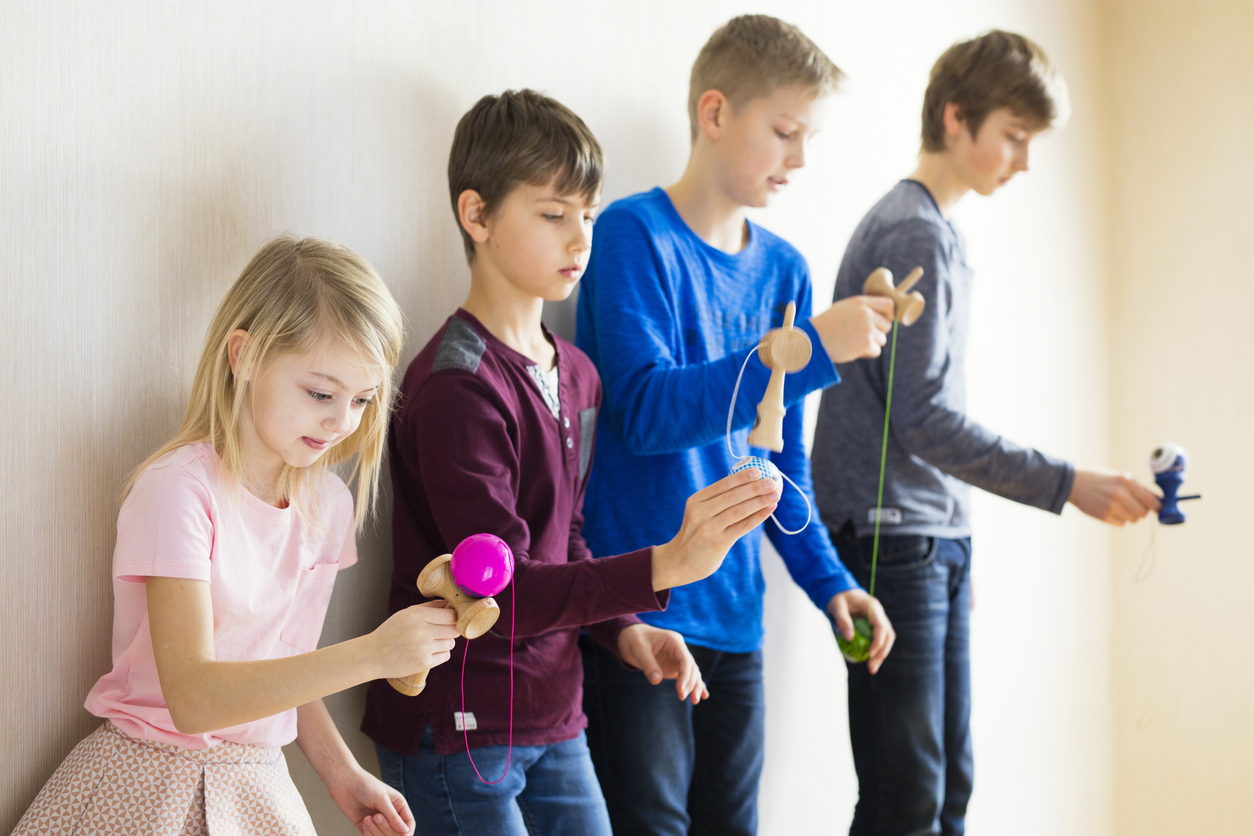
One game that has experienced a resurgence in popularity in Japan and worldwide is kendama. Typically made of wood, this ball-and-cup type toy consists of a ken (meaning sword or the handle), dama (ball) and a length of string. Kendama’s appeal lies in its simple construction and immense versatility. Thousands of tricks can be performed with experts mastering around 30,000 different combinations!
You simply swing the ball and catch it between the three different “cups” along the handle. You can also spike it on the end. It’s a great game for improving hand-eye coordination and getting some exercise for energetic little ones.
Fukuwarai
 © Photo by iStock: kohei_hara
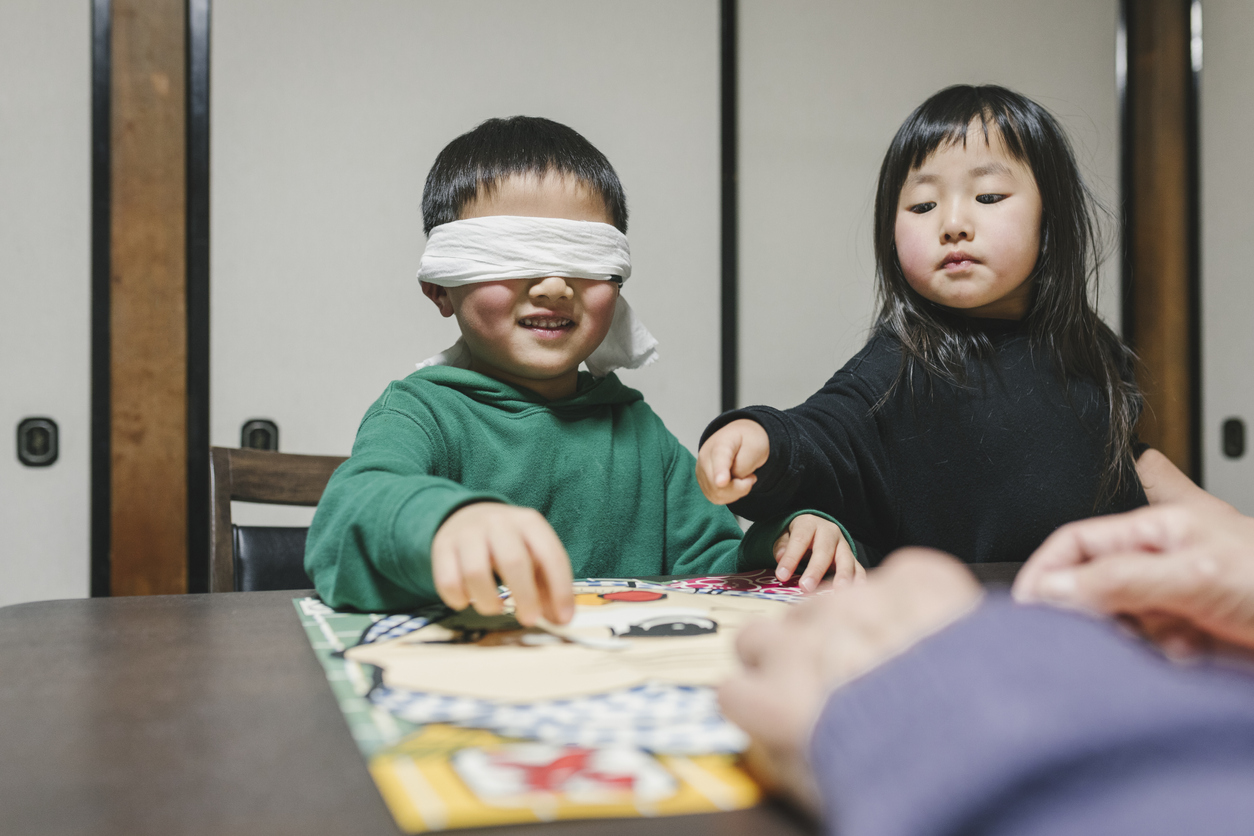
Similar to the American game, Pin the Tail on the Donkey, fukuwarai dates back to the Edo period. It is equally fun and simple. First, players put on blindfolds. Then they try to place facial feature cutouts—eyes, nose, mouth, eyebrows and more—onto a blank face laid out on a table. Traditional face templates include okame, a woman with enormous cheeks believed to bring good luck, and hyottoko, a man with a comically spout-shaped mouth.
This traditional New Year game is typically played in teams. Teammates help by shouting out directions, but they can also mislead their teammates to create hilarious faces. Fukuwarai translates to “lucky laugh” since laughter is supposed to bring you good fortune. Secure some good luck during the holidays as you laugh yourselves into next year!
Hanetsuki
 © Photo by iStock: Yoshisako Tsubasa
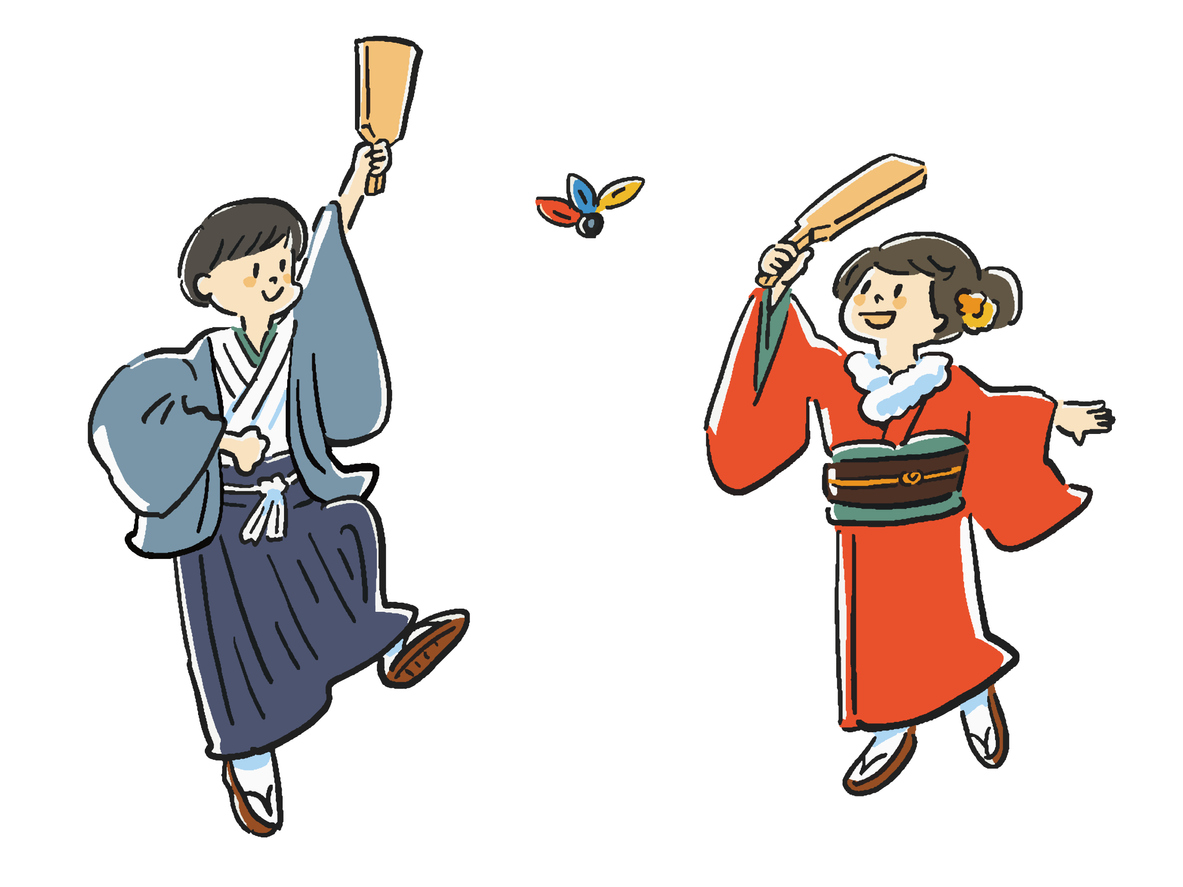
Resembling badminton without a net, hanetsuki is played with one or two players. You’ll need a wooden paddle called a hagoita and a shuttlecock-like object known as a hane. Hanetsuki has its origins in a Shinto ritual that dates back to the Nara period. It was once believed to be an activity that blessed girls with good health.
In one version of the game, a player tries to keep the hane in the air as long as possible. Another feature is a match between two players, with rules similar to those of badminton. Although the game has declined in popularity, hagoita are still sold around the New Year as collectibles. Grab a pair and go head-to-head this holiday season.
Ohajiki
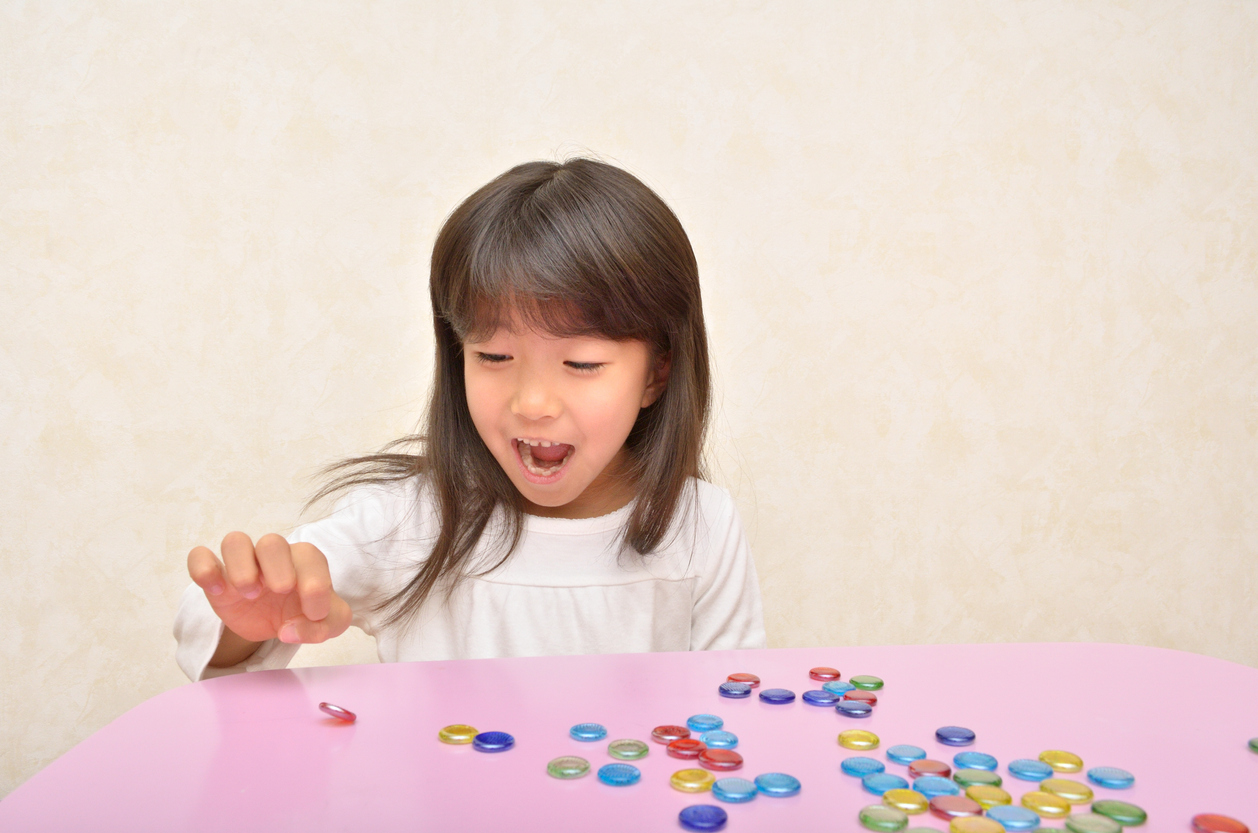 © Photo by iStock: hanapon1002
Similar to marbles, ohajiki are typically colorful pieces of china, glass or plastic that have been flattened into round discs. Games using ohajiki were traditionally popular among girls during the Edo period as a means of passing the time.
Two players place their ohajiki on the floor in front of them and take turns flipping their pieces. If a player lands their piece on their opponent’s, they get to keep it and win a point. The game continues until all the pieces are collected and the player with the most pieces wins.
Takoage
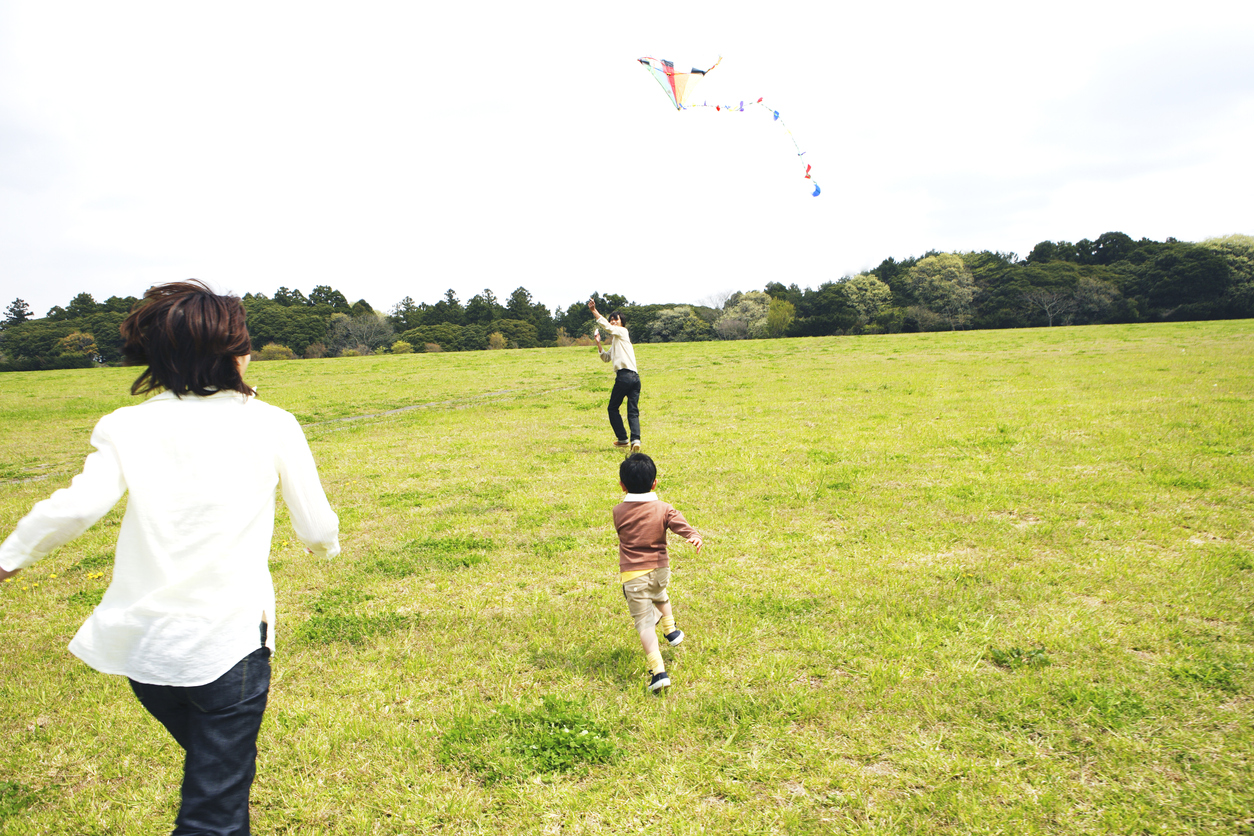 © Photo by iStock: TAGSTOCK1
As with many traditional New Year games covered in this article, takoage (kite flying) was initially done by elite classes. As well as for religious purposes. However, its popularity grew among ordinary people around the 1600s. As a result, the shogunate issued a ban on kite flying. He feared they would hit the upper class, making trips to the capital. The activity was permitted only on New Year’s Day. As there would be little travel to and from Edo (Tokyo) during the holidays.
Takoage was believed to promote good health through physical activity. It also had the perceived benefit of catching sunlight on your face while looking up at the sky. Parents with newborn boys often flew kites during the holiday as a ritual for ensuring their good health too. These days, kites are readily available in all shapes, sizes and designs. Find your own and take to the skies this New Year!
Origami
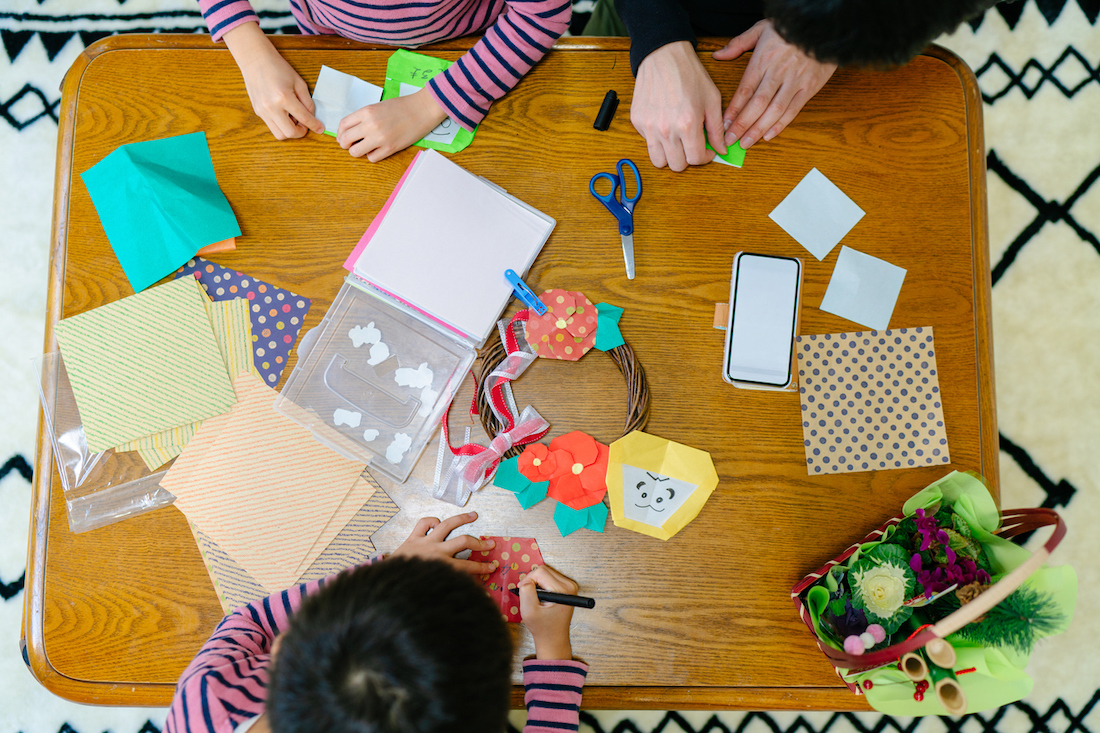 © Photo by iStock: recep-bg
The Japanese art of paper folding is not typically associated with the Japanese New Year. However, its thematic versatility means that there are plenty of holiday-related projects for the family to embark on. Try making these New Year items with origami:
- Kadomatsu: One of the most visible examples of New Year decor.
- The fifth creature of the Chinese zodiac: For the upcoming year of the Dragon
- Ema (thick pine cards for writing wishes at shrines): decorate the home with hopes for the coming year.
Are there any traditional New Year games or activities that you enjoy doing with your little ones? Please leave us some suggestions in the comments below!





Related Articles You Might Like
12 Essential Japanese New Year’s Family Traditions
The “what, when and why” of a traditional New Year celebration in Japan.
A Tokyo Dietitian’s Guide To Festive Feasting
Eat, drink and be merry with these expert tips on how to celebrate the holidays without sacrificing your health.
Mizuhiki Art: The Beautiful Knots On Holiday Gifts
Learn how you can enjoy mizuhiki this Christmas and New Year’s in Japan.
Soba: An Introduction to Japanese Buckwheat Noodles
Soba noodles; a delicious, healthy alternative to ramen.
By Hilary Keyes
Leave a Reply