12 Essential Japanese New Year’s Family Traditions
How Japan sends off the year & welcomes the next

The “what, when and why” of a traditional New Year celebration in Japan.
Another year has flown by, and if you live in Japan, you’ll probably encounter the two largest annual events overlapping—Christmas and New Year—each celebrated very differently depending on the family. As you navigate these unique customs, you’ll quickly notice how central Japanese New Year’s traditions are to the season. Below is the step-by-step process of how and why the Japanese celebrate the end of a year and the beginning of a new one.
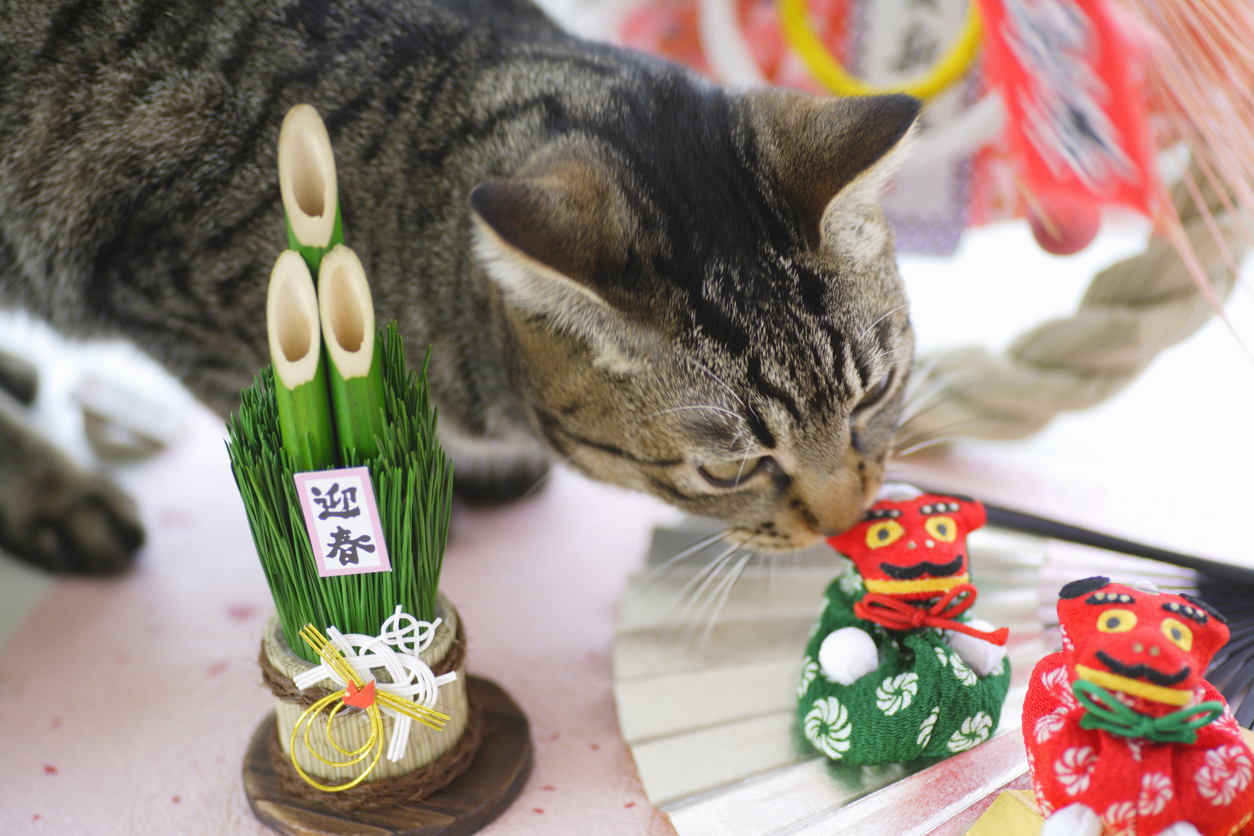
Nenmatsu-nenshi, Toshikoshi & Shinnen
 © Photo by iStock: gyro
What term refers to what? We get you. It can get confusing. Before we delve into the actual traditions, let’s first define the terminology.
- 年末年始 (nenmatsu-nenshi; “year-end, year-beginning”): Describes the time of year when we are busy and stressed, yet looking forward to spending time with our loved ones. In terms of dates, it actually covers the very last days of the current year and the first days of the new one.
- 年越し (toshikoshi; “passing the year”): Refers to the events and customs that take place at the end of year.
- 新年 (shinnen; “new year”): Refers to all festivities taking place before heading back to work on Jan. 4.
The official nenmatsu-nenshi break in Japan for most people is between Dec. 29 and Jan. 3. Yes, that’s the most blessed time of the year!
Japanese New Year’s Eve Traditions
Below are some of the most unique and traditionally celebrated New Year’s events in Japan. Whether in Akita or Shimane prefectures, celebrating the holidays here will make you go through at least half of these traditions in one way or another.
1. Nengajo (年賀状)
 © Photo by iStock: tukinoto
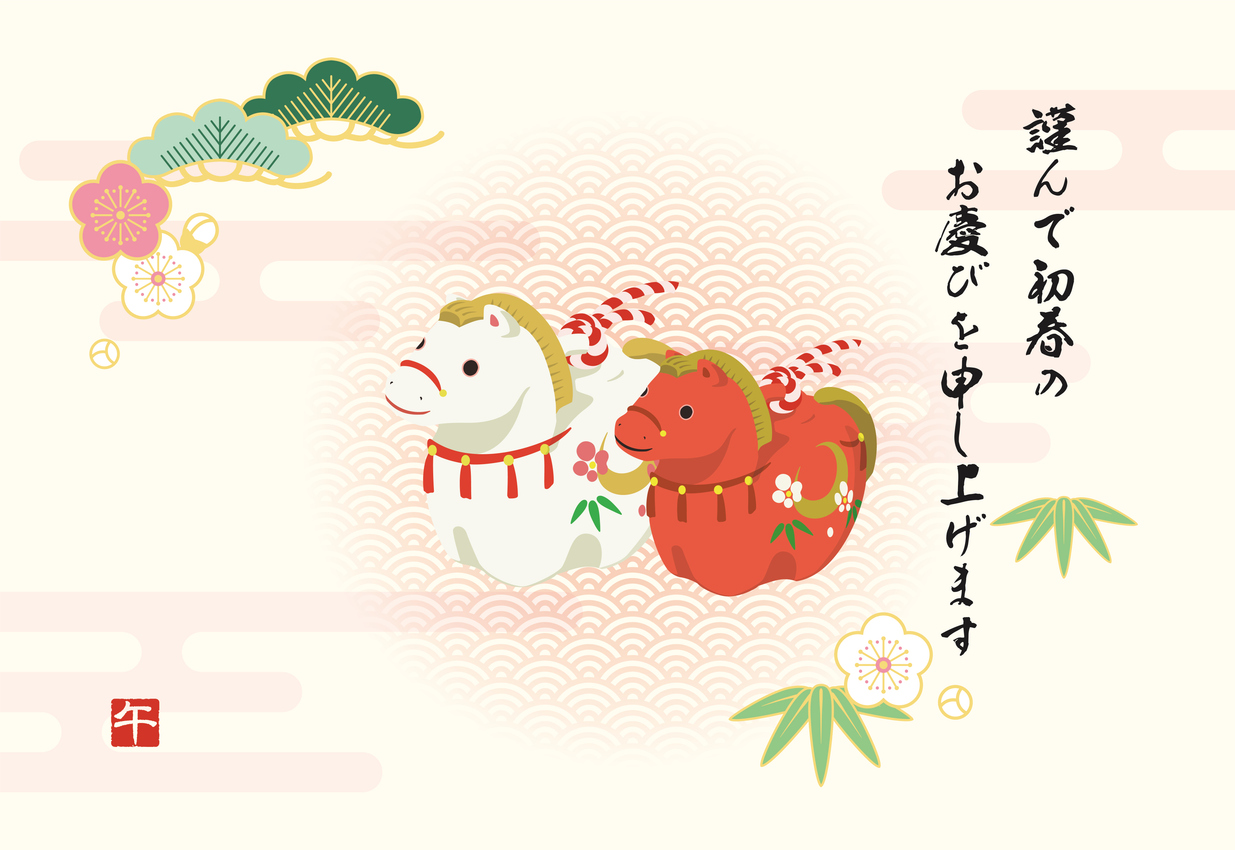
Starting as early as the beginning of December, Japanese people receive their New Year’s seasonal greeting postcards even before the Christmas trees are up. The nengajo is a special postcard used only for New Year’s greetings. As long as you drop them off at your local post office by December 25 (or sometimes even a few days later is fine), they will arrive on January 1, or at the latest, by January 3.
Nengajo are somewhat equivalent to Christmas cards in the West. They’re a way to keep connected to friends, relatives, colleagues and acquaintances at least once a year. The cards also have a set of numbers at the bottom of the card called nengajo tosen that may win you a prize or some cash. The winning numbers are announced on the Japanese Postal website in mid-January, so keep an eye out!
As physical nengajo continue to decline—Japan Post reported a 34% drop in New Year’s Day deliveries in 2025—more people now send digital versions instead. Younger generations especially prefer quick greetings through messaging apps or social media, and Japan Post has responded by launching Smart Nenga, a fully digital service that lets users create and send animated or personalized New Year cards directly through LINE.
2. Hagoita Decorations (羽子板)
 © Photo by iStock: yukihipo
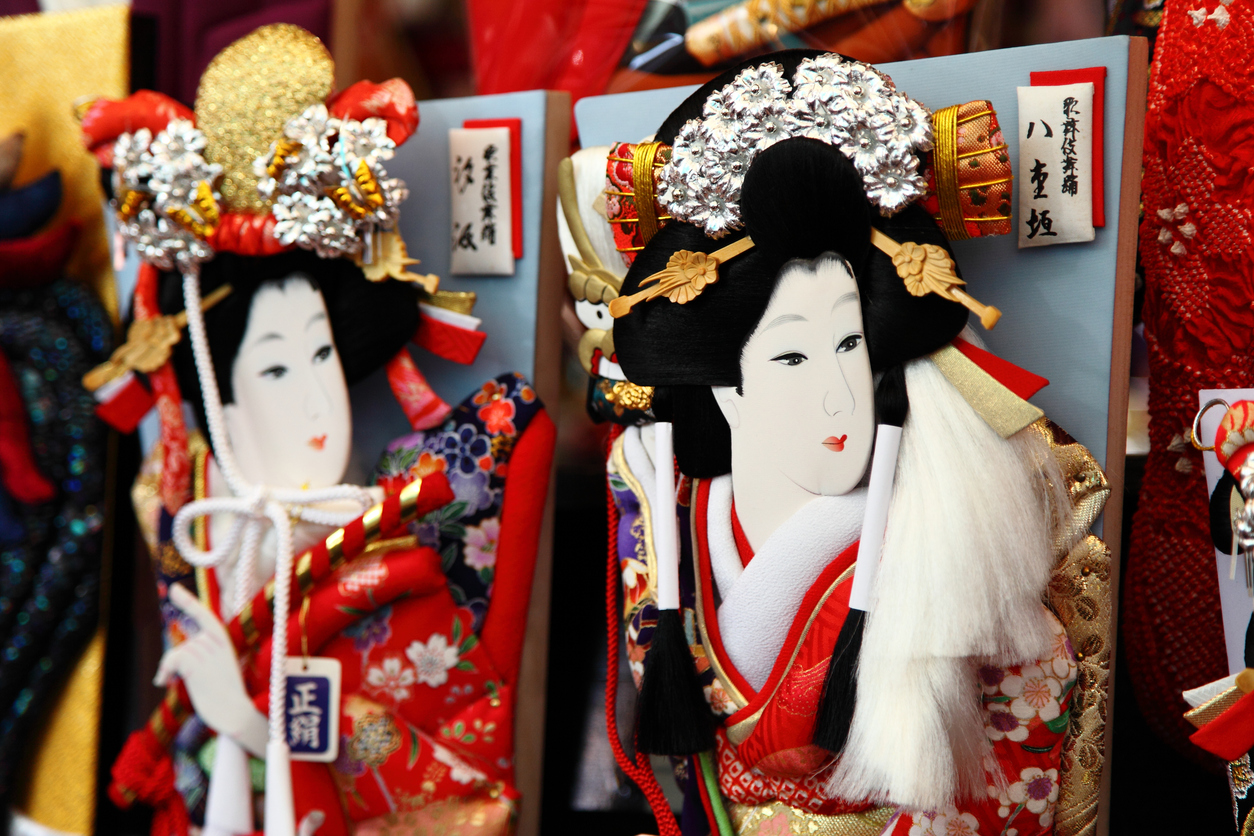
Hagoita is a rectangular wooden paddle originally used to play hanetsuki, a traditional Japanese game similar to badminton. Today, people display them as New Year’s decorations to drive away evil spirits—just as you’d hit a badminton feather, you symbolically hit the bad luck away.
The paddles are stunningly beautiful, decorated with 3D models made of silk, wood and washi (Japanese paper). They often represent faces from traditional theater plays, geisha, kabuki actors or sumo wrestlers. You can purchase a set for yourself at most temples around mid-December. If you’re not sure where to go, the famous Senso-ji Temple in Asakusa sells them annually from December 17 to 19.
3. Oosoji (大掃除)
 © Photo by iStock: Milatas
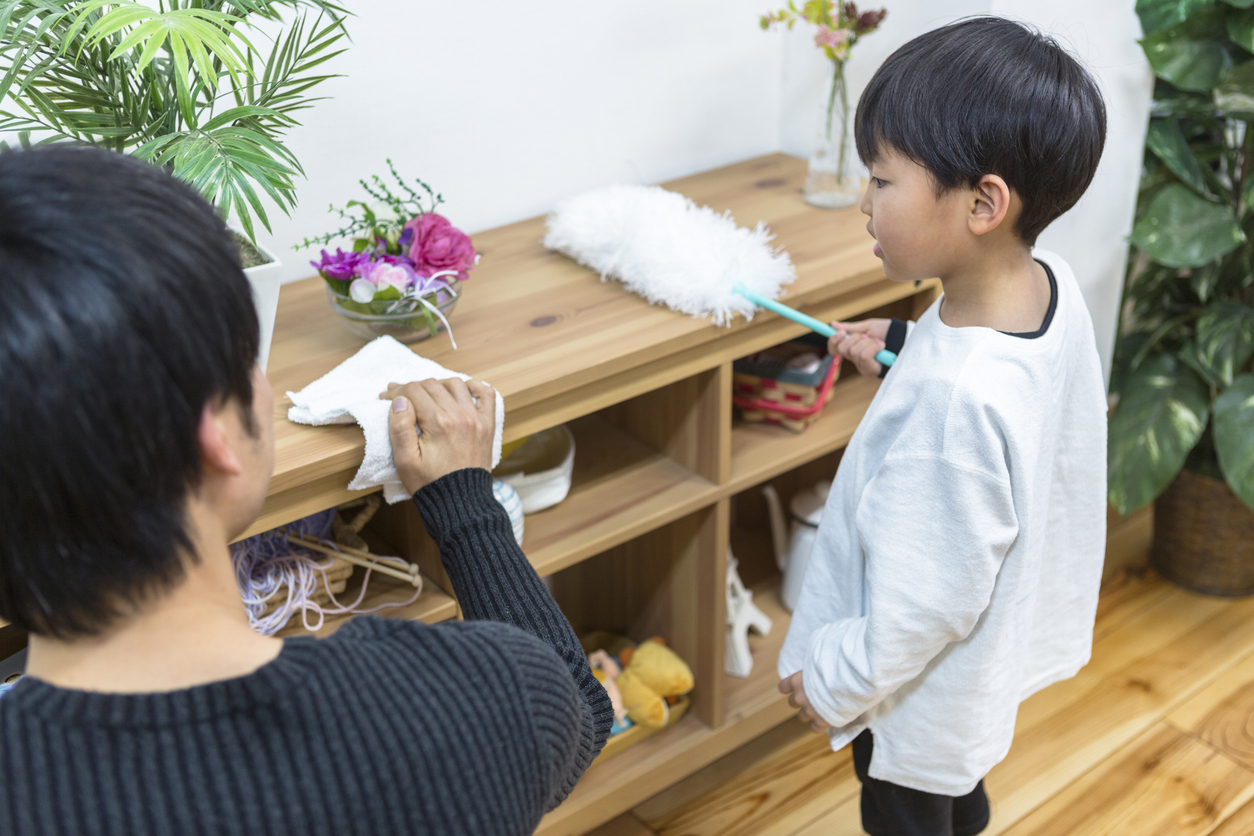
Oosoji is Japan’s equivalent of “Spring Cleaning.” On the last weekend of the year, the whole family pitches in to clean the house (especially the windows) so they can start the new year fresh and clean.
Check out this article if you want to oosoji like a pro, and for those looking, here are some Japanese cleaning product recommendations. For lazy cleaners, we also have a list of low-effort Japanese products to keep your home clean. And for those on a budget, there are 100 yen shop must-haves for cleaning that make tidying up before the New Year quick, easy and affordable.
4. Oshogatsu-kazari (お正月飾り)
 © Photo by iStock: PresidentKUMA
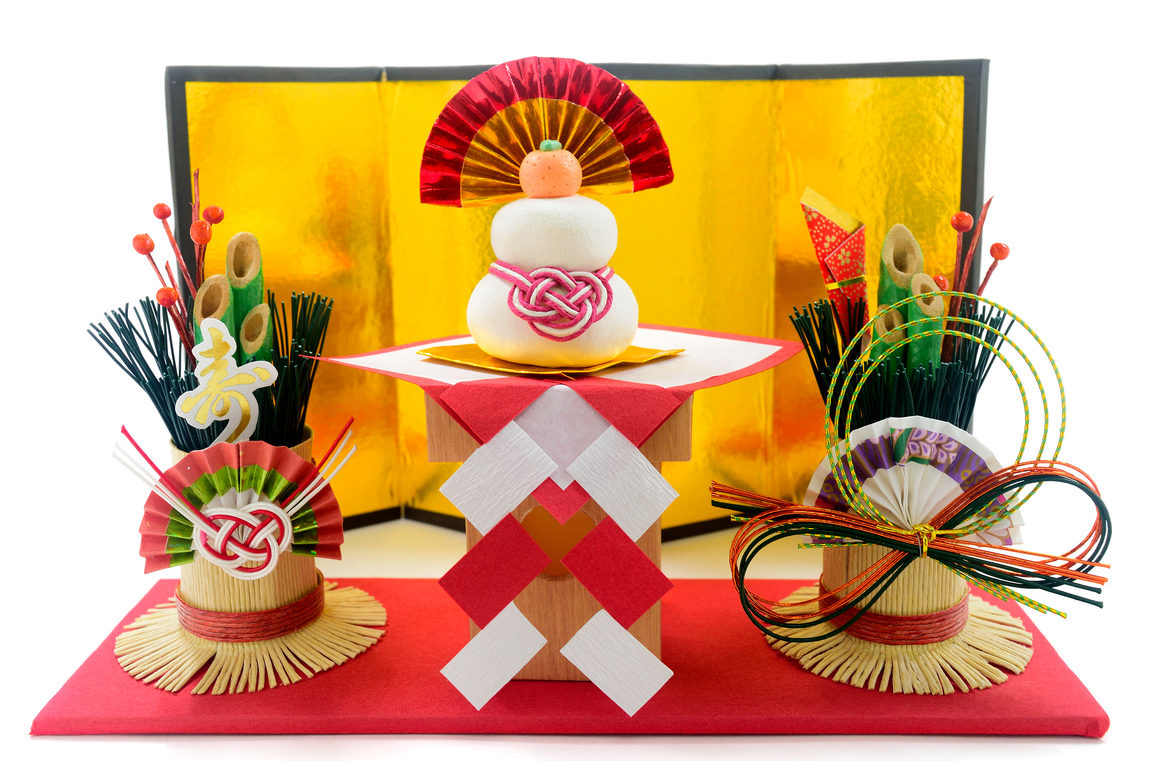
After the oosoji is completed, families set about decorating the house with oshogatsu-kazari, or New Year’s decorations. The decorations commonly consist of:
- Kadomatsu: Three bits of bamboo and some pine leaves
- Kagamimochi: Two tiers of mochi, or rice cakes with a tangerine on top
- Shimekazari: A New Year’s wreath
The timing of the decoration is also very important. It is commonly believed that if you rush to decorate your house on the last day of the year, an act referred to as 一夜飾り (ichiya-kazari; “one-night decoration”), it will anger the gods and therefore bring bad luck. So, it’s better to put up those decorations before New Year’s Eve!
5. Toshikoshi Soba (年越し蕎麦)
 © Photo by iStock: yasuhiroamano
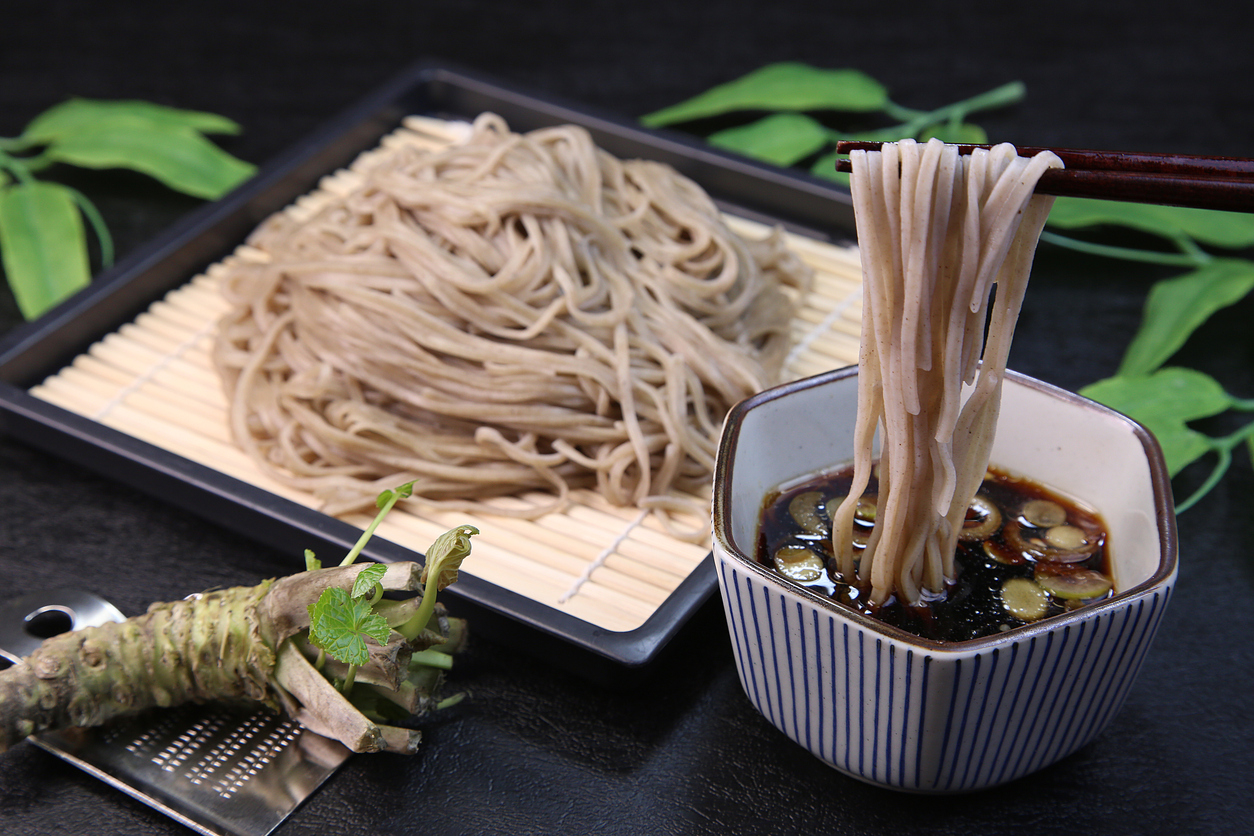
Once all the cleaning and decorating are done and New Year’s Eve is upon us, families prepare a traditional meal called toshikoshi soba. The long soba noodles symbolize a general wish for a long life filled with precision and attention to detail.
The topping of the soba depends on which region of Japan you are in. For example, in Tokyo, we often have ebi (shrimp). The ebi’s curved back symbolizes a “long life” and is often used in osechi ryori as well (see below).
Soba also has the symbolism of nagasu or “letting it go” as you slip it down your throat and forget about it—in other words, let everything you’ve been through this year go and move on.
6. Joya no kane (除夜の鐘)
 © Photo by iStock: Arrlxx
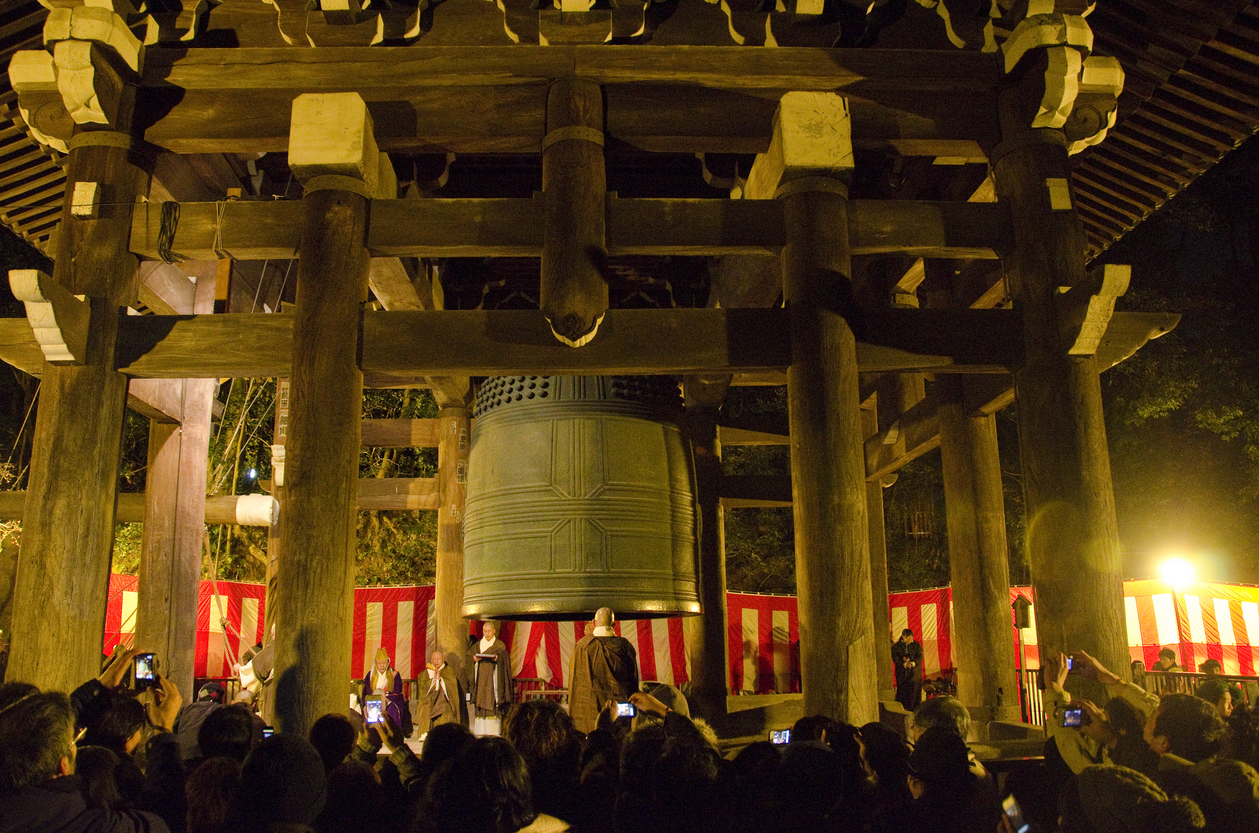
Joya no kane refers to the large bell at a temple or shrine, rung at midnight on New Year’s Eve to symbolize the beginning of the New Year. It is performed by a temple or shrine priest in front of thousands of shrine or temple visitors who are there for hatsumode (read further to learn more about it).
Japanese New Year’s Traditions
Now that we’ve welcomed the New Year, there’s another round of things to do—starting from 12 a.m. on January 1.
7. Hatsumode (初詣)
 © Photo by iStock: piccaya
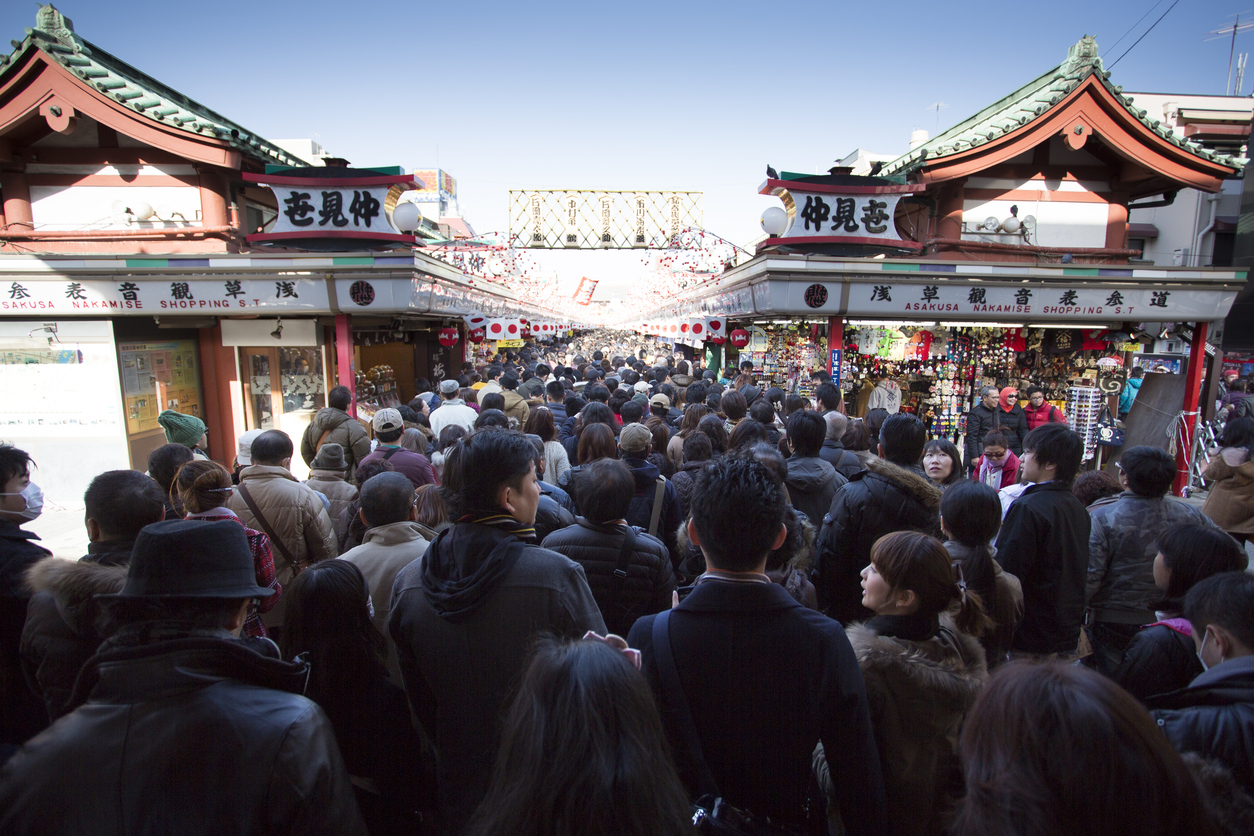
This is the first visit to a shrine or temple in the year, and it’s done to pray for good fortune. It is often associated with queuing up in long lines as people wait to pray for the year ahead, buy some omikuji (Japanese paper fortunes) and omamori (Japanese lucky charms), and write their wishes on wooden plates, called ema.
8. Osechi ryori (おせち料理)
 © Photo by iStock: hichako
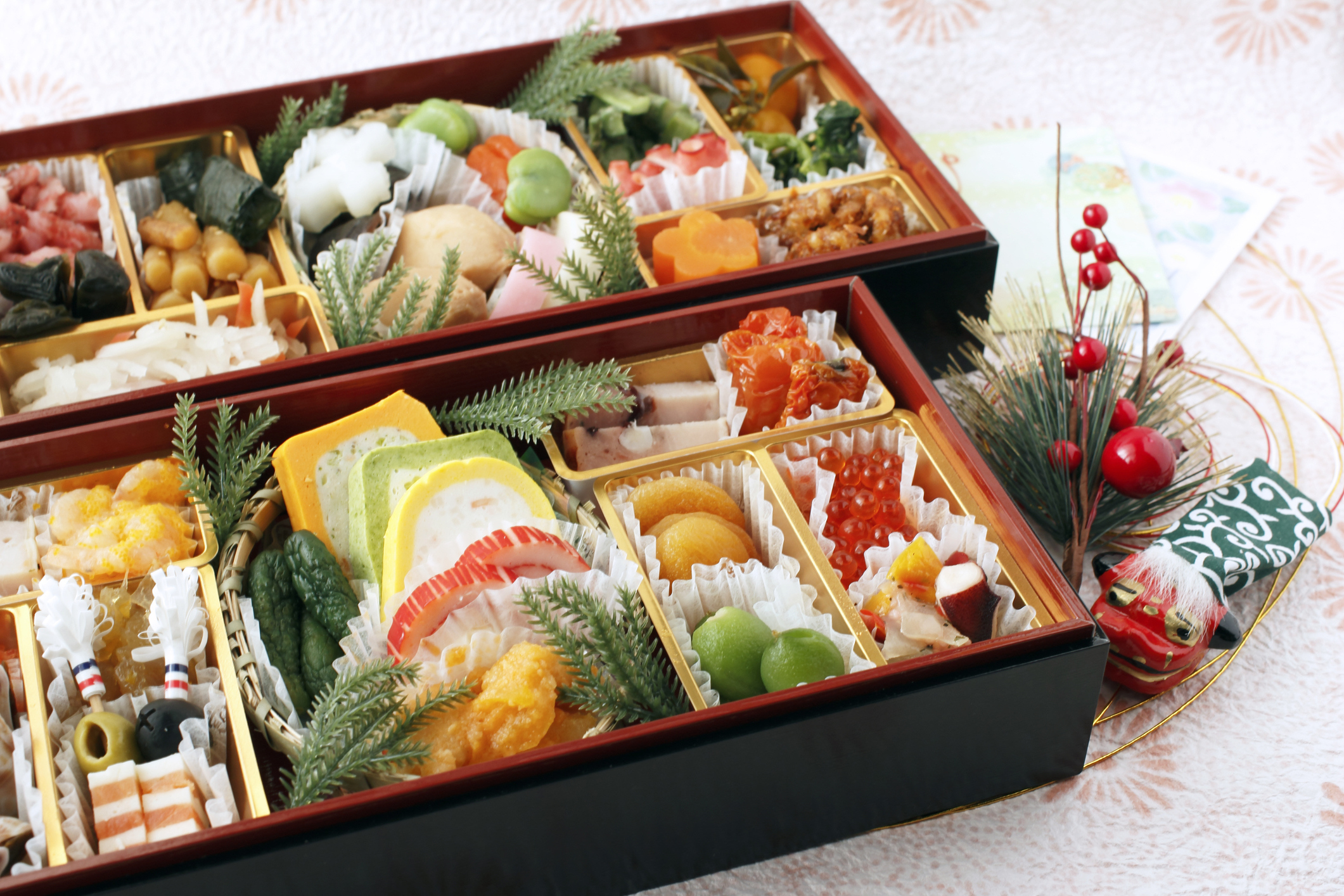
Osechi ryori is a special dinner/breakfast/lunch (depending on the family and district) traditionally consumed only during the first three days of the year. The women of the house slave over the stove for the last couple of days to complete the meal(s) in order for the first three days of the year to be cooking-free.
Every item in the osechi ryori symbolizes a wish for the New Year: for example, shrimps are for longevity, kuri-kinton (sweet chestnuts) for wealth and the kazunoko (herring roe) is for fertility. Please read this article for the full list of all osechi ryori dishes and their hidden meanings.
9. Ozoni (お雑煮)
 © Photo by iStock: hanapon1002
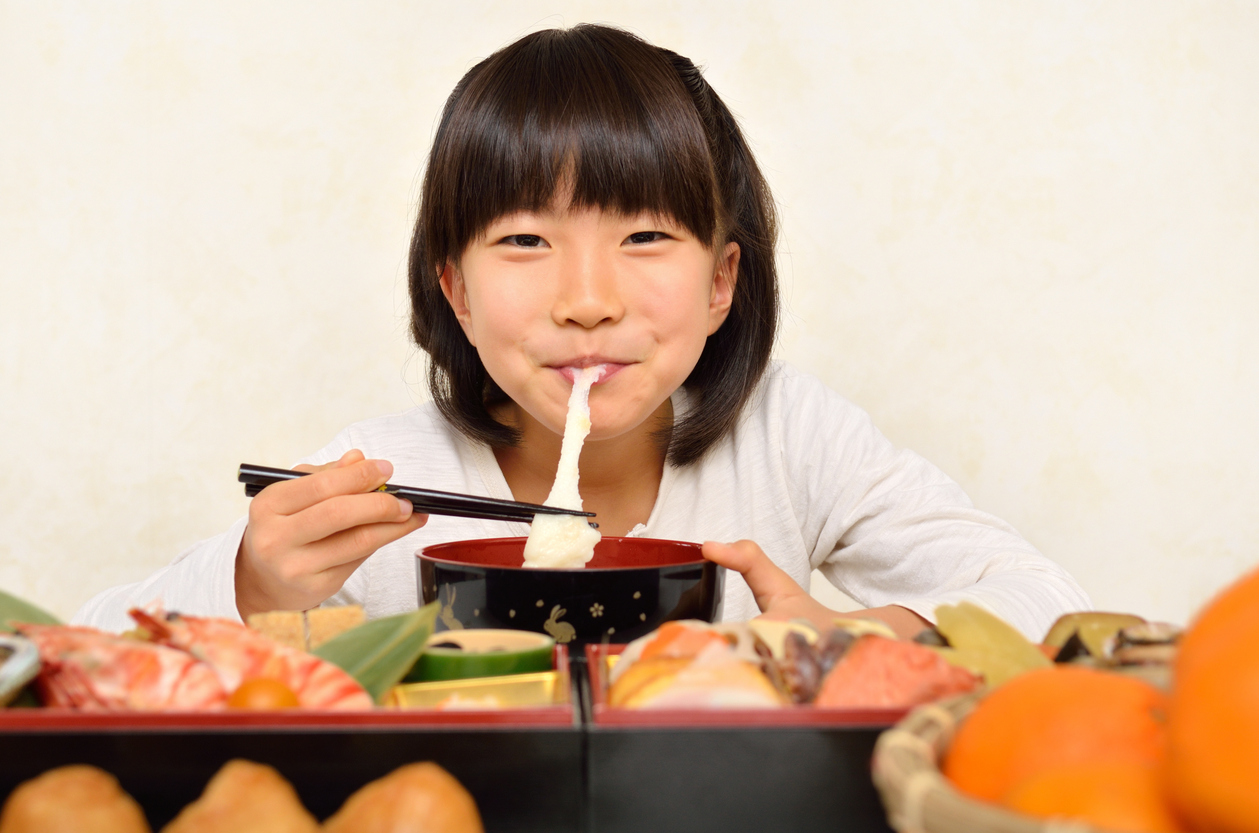
A traditional New Year’s breakfast in Japan typically consists of a broth or soup with grilled mochi added, called ozoni. The broth will vary according to region and to the particular family. Unfortunately, this dish is also behind a number of casualties in Japan every year, as some elderly people pass away due to choking on the mochi—if you eat it, chew it slowly.
10. Buying hamaya (破魔矢)
 © Photo by iStock: atosan
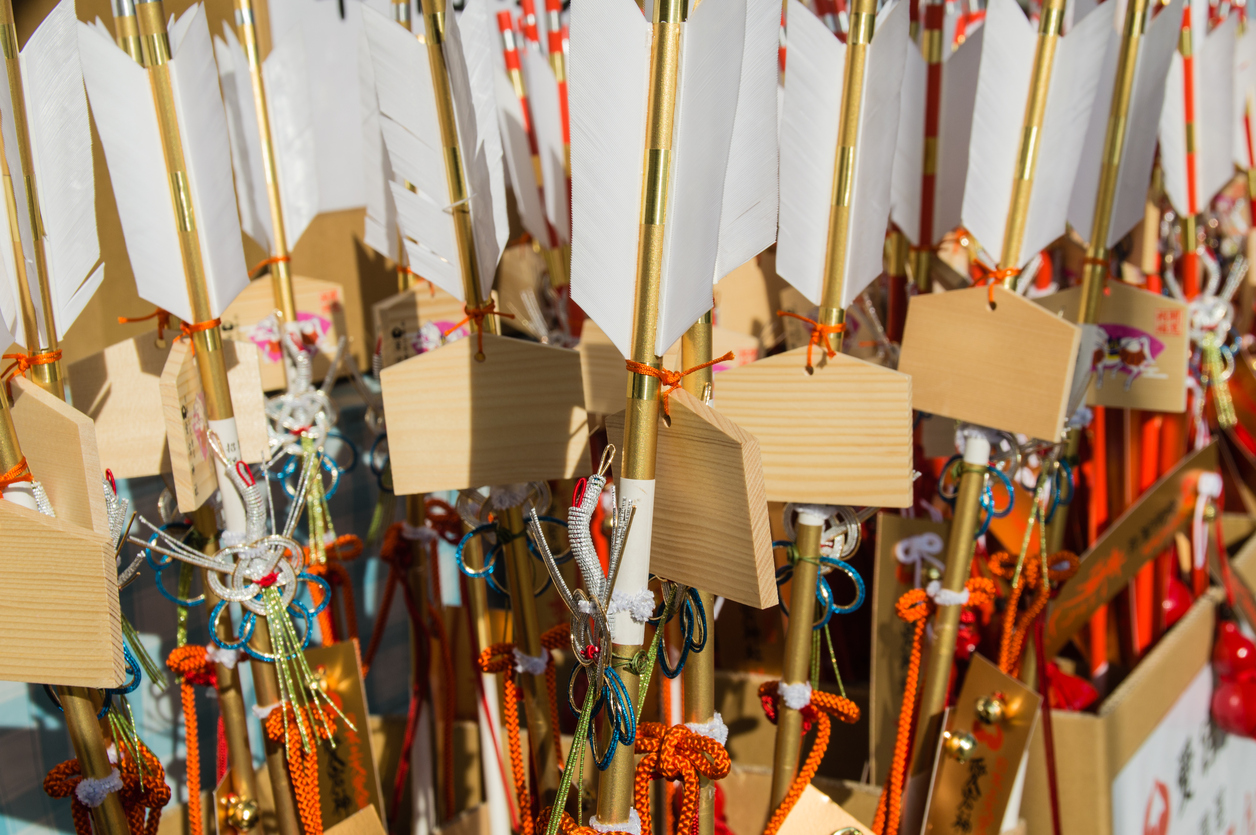
Hamaya (literally, “an arrow to break the evil”) is a little wooden arrow purchased at a temple or shrine during hatsumode in order to bring good luck for the coming year. Keep it displayed in your home with the tip facing down throughout the year, and then return it to the shrine the following year for the saito (yearly burn) ceremony, which purifies it for disposal. Buy a new one every New Year and repeat!
11. Omikuji (おみくじ)
 © Photo by iStock: st-palette
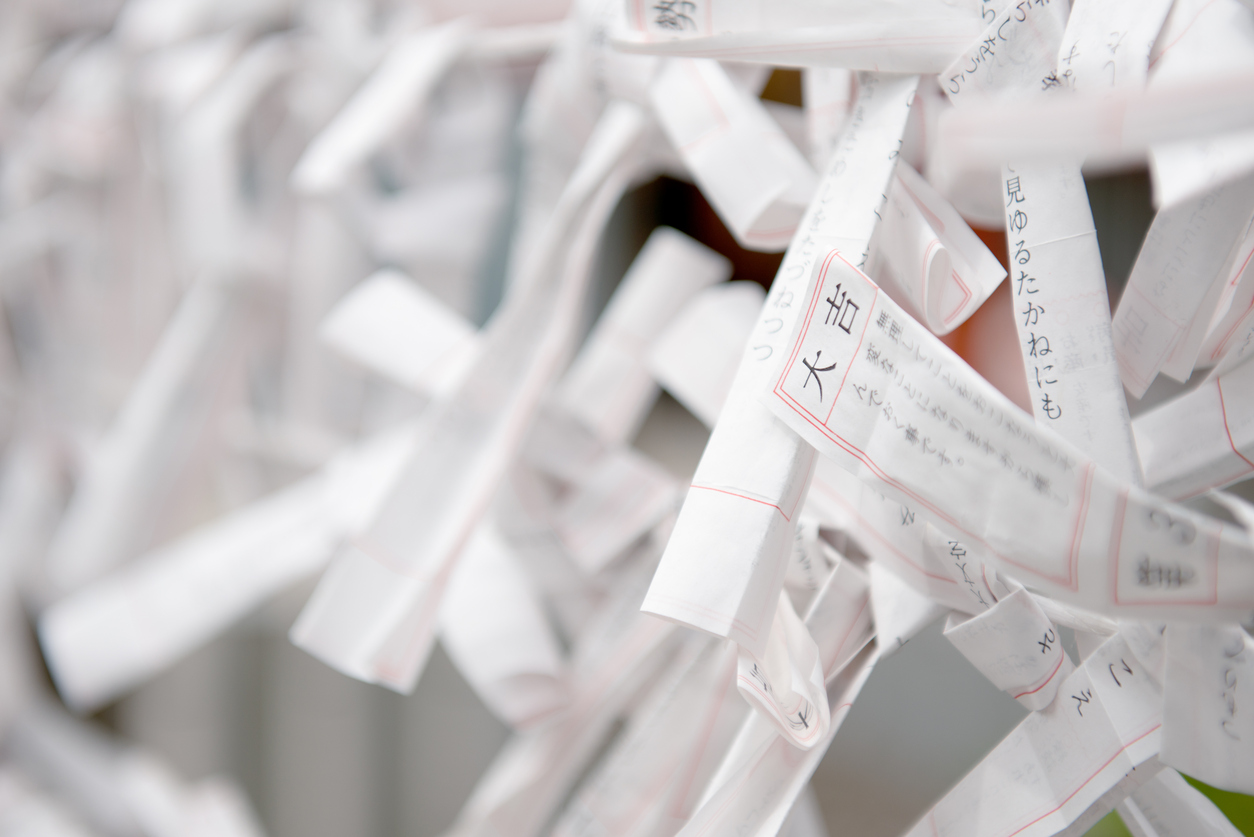
Omikuji are fortunes written on strips of paper, which can be bought at shrines or temples for a small fee (usually ¥100). The best you can get is 大吉 (daikichi) and the worst is 凶 (kyou). The fortunes are often scrolled up or folded as part of the suspense, and if you happen to receive a bad fortune, you should try to use your less-dominant hand to tie it to a special fence reserved on the lot, thus leaving the bad luck behind you.
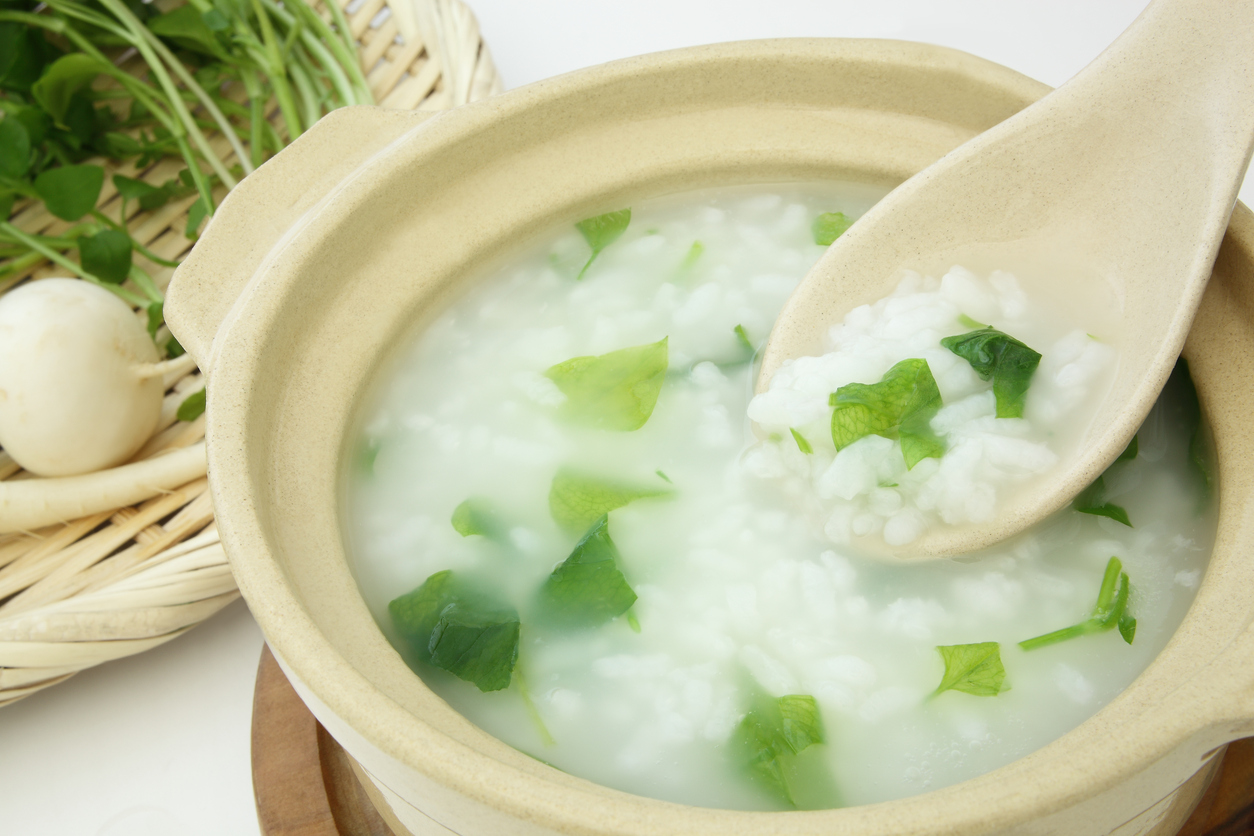
12. Nanakusa-gayu (七草粥)
 © Photo by iStock: hungryworks
After all the culturing is done and you’ve stuffed your face full of osechi and drunk to your heart’s content (New Year’s celebrations often include plenty of drinking), your stomach may understandably not be too pleased by the full-on food attack, and the Japanese have a clever way to remedy it.
On the seventh day of January, the Japanese make rice porridge called nanakusa-gayu to settle your stomach and soothe the heaviness. Nanakusa-gayu consists of seven types of Japanese herbs and a light broth. Lately, supermarkets have been selling premade kits, so head down to your local one and get it simmering.
If you want to attempt making it yourself, you’ll need to get these seven herbs:
- 芹 (seri; “Japanese parsley”)
- 薺 (nazuna; “shepherd’s purse”)
- 御形 (gogyo; “cudweed”)
- 繁縷 (hakobera; “chickweed”)
- 仏の座 (hotokenoza; “henbit”)
- 菘 (suzuna; “turnip”)
- 蘿蔔 (suzushiro; “daikon radish”)
Once you have your herbs, simply simmer rice and water—often with a bit of salt—to create a soft, plain porridge. Then, add the seven finely chopped herbs, and voilà, your nanakusa-gayu is ready. You can optionally add some dashi stock for a light umami base too, but the traditional version is simply rice, water, salt and the seven herbs.
Bonus New Year’s Terms
 © Photo by iStock: gong hangxu
Though the following are not traditions per se, these are terms you will commonly hear during the New Year’s holidays in Japan.
- 仕事納め (shigoto-osame; “last working day of the year”): Also known as goyo-osame, it refers to the last working day of the year (usually Dec. 28 or Dec. 29). As you can imagine, most offices are extremely hectic on this day.
- 元旦・元日 (gantan/ganjitsu; “New Year’s morning/New Year’s Day”): People often say them together or think that they mean the same thing. However, they are separate words, and naturally, have different definitions. Gantan refers to the morning of New Year’s Day, while ganjitsu means the whole day of January 1.
- 初夢 (hatsu-yume; “first dream of the year”): There is a long-standing superstition that at the beginning of the year, if you dream of either Mt. Fuji, a hawk or an eggplant, you will have a year to remember.
- 初日の出 (hatsu-hinode; “first sunrise of the year”): Watching the first sunrise—preferably from a beach, mountain, or rooftop—is believed to bring good luck and a fresh start.
I hope you find this compiled list helpful. Many Japanese families have their own New Year’s traditions and long-established customs that have been passed down from generation to generation, so when in doubt, ask!
Happy New Year’s, everyone!
This article has been republished with the latest information for 2025.






Related Articles You Might Like
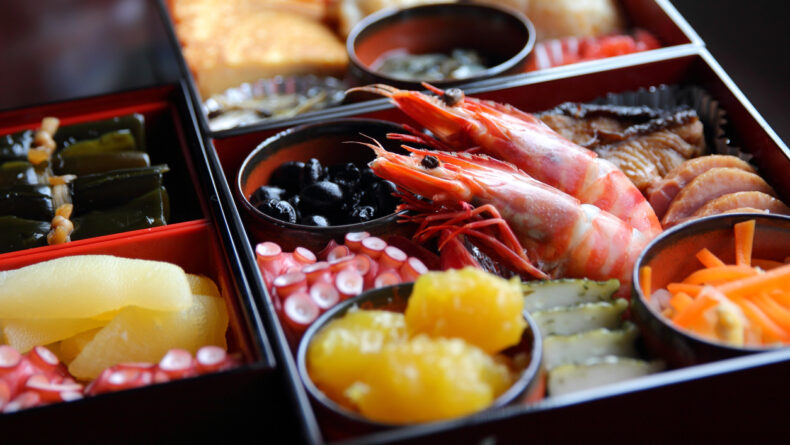
Osechi Ryori: The Hidden Meanings Behind Japanese New Year Food
They’re pretty, they’re delicious and they’re symbolic.
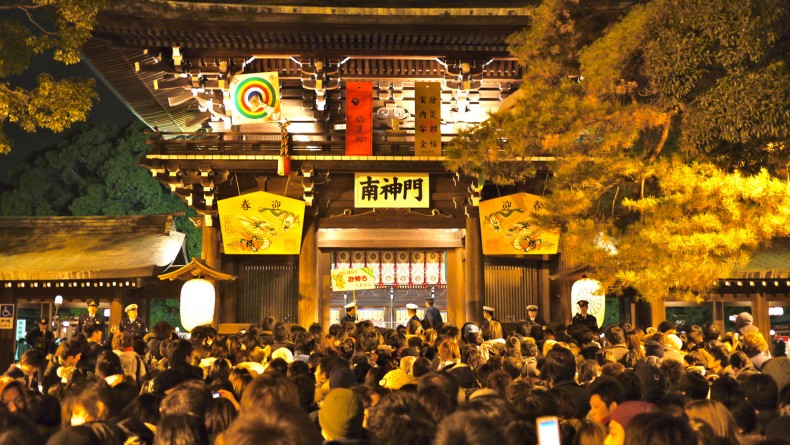
Celebrate New Year’s in Japan Like a Local
Every New Year season in Japan, you will hear people say “akemashite omedeto gozaimasu” (明けましておめでとうございます, literally, opening congratulations). It’s a mouthful to say, but thankfully...
5 Uniquely Japanese Events In A Child’s First Year
Japan is a busy country. And a baby's first year is not an exception.

How The Japanese Concept Of Ikigai Can Help You Transition To A Life Abroad
2020 has been tough, and a lot of us have been rethinking our lives and priorities—we invited Kelly Morita, Ikigai expert to let her narrate...
By Kelly Morita
Leave a Reply