Mizuhiki Art: The Beautiful Knots On Holiday Gifts
The Ancient Japanese Art Of Knot-Tying

Learn how you can enjoy mizuhiki this Christmas and New Year’s in Japan.
Mizuhiki is the ancient Japanese art of knot-tying. Since the Asuka Period, gifts have been decorated with rice paper cords, which are handcrafted into beautiful, intricate designs. Nowadays, mizuhiki adorns both traditional and contemporary holiday gifts as well as decorations.
The History Of Mizuhiki
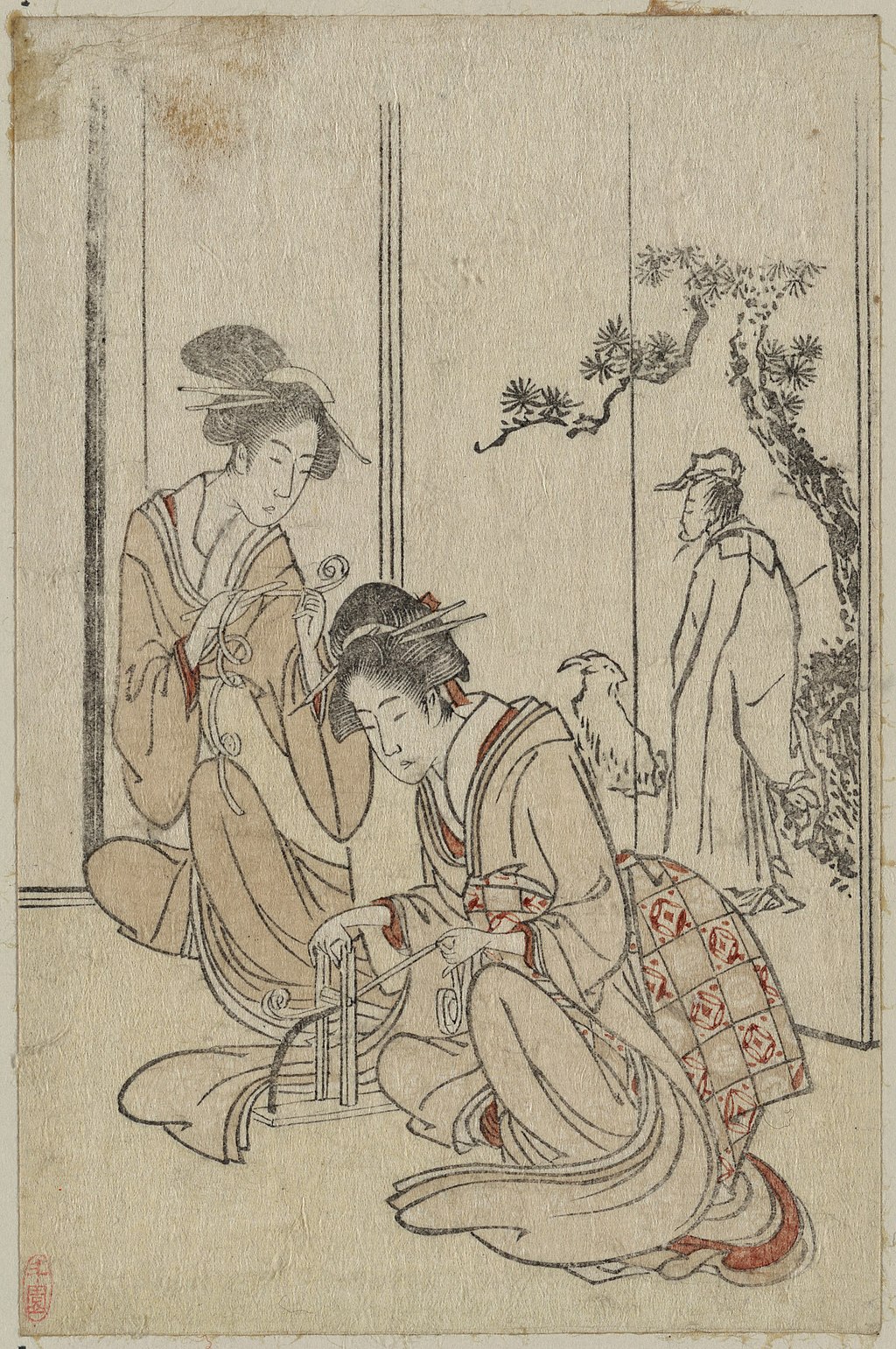 © Photo by Wikimedia Commons: Katsushika, Hokusai, 1760-1849
The gracefully swirling mizuhiki seen on holiday gifts and New Year’s decorations originated from motoyui—strong, flexible paper cords used to tie up hair into traditional topknots. As the samurai era faded, artisans transformed the skills used to create motoyui into an art form, incorporating vibrant colors and decorative shapes. It has been said that after an elegant red and white design was presented to the Emperor, mizuhiki gained favor in the world of gift-giving.
An abundance of pure water and kozo (the Japanese paper mulberry tree) was found in the town of Iida in Nagano, Japan. Combined with its dry climate, this region fostered a comfortable environment for the production of paper cords. Today, 70% of Japan’s mizuhiki materials originate from Iida, significantly contributing to the preservation of this ancient craft.
The Finishing Touch To Gift Wrapping
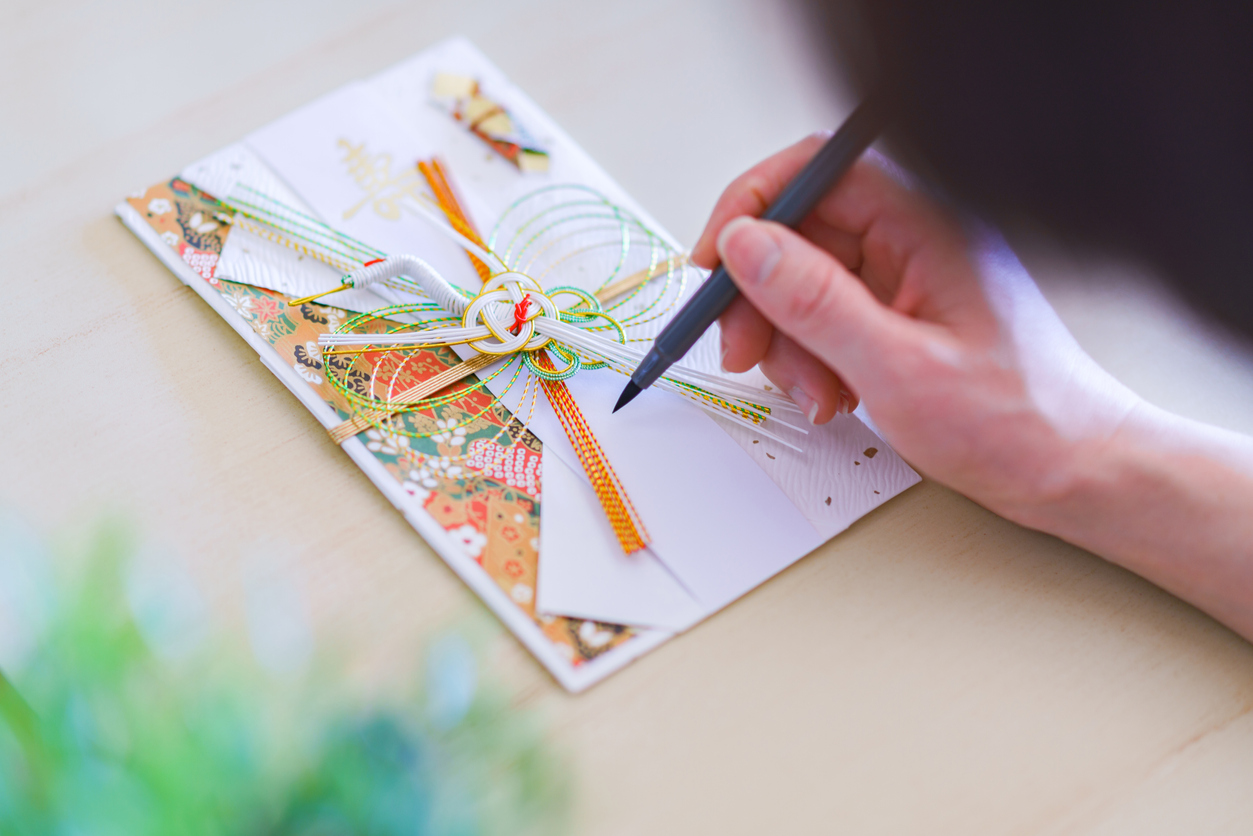 © Photo by iStock: show999
In Japan, mizuhiki is more than just a decorative string for wrapping presents. While the big, beautiful ribbons of the West create a sense of joy and excitement, mizuhiki establishes a sense of care and thoughtfulness. It acts as a seal, promising that the gift has remained unopened. It also acts as an amulet, warding off evil spirits. Most importantly, the knot symbolizes the connection between the gift-giver and the receiver, creating a strong bond between them.
Mizuhiki’s precise and artful aesthetic makes it perfect for formal gift exchanges. People often tie it around a gift box or envelope, choosing colors and styles to convey a specific sentiment. Traditional motifs, including cranes and turtles, add layers of meaning. People can also create bows from mizuhiki and wrap them around holiday presents, similar to ribbons.
How To Knot For The Holidays
 © Photo by iStock: studiocasper
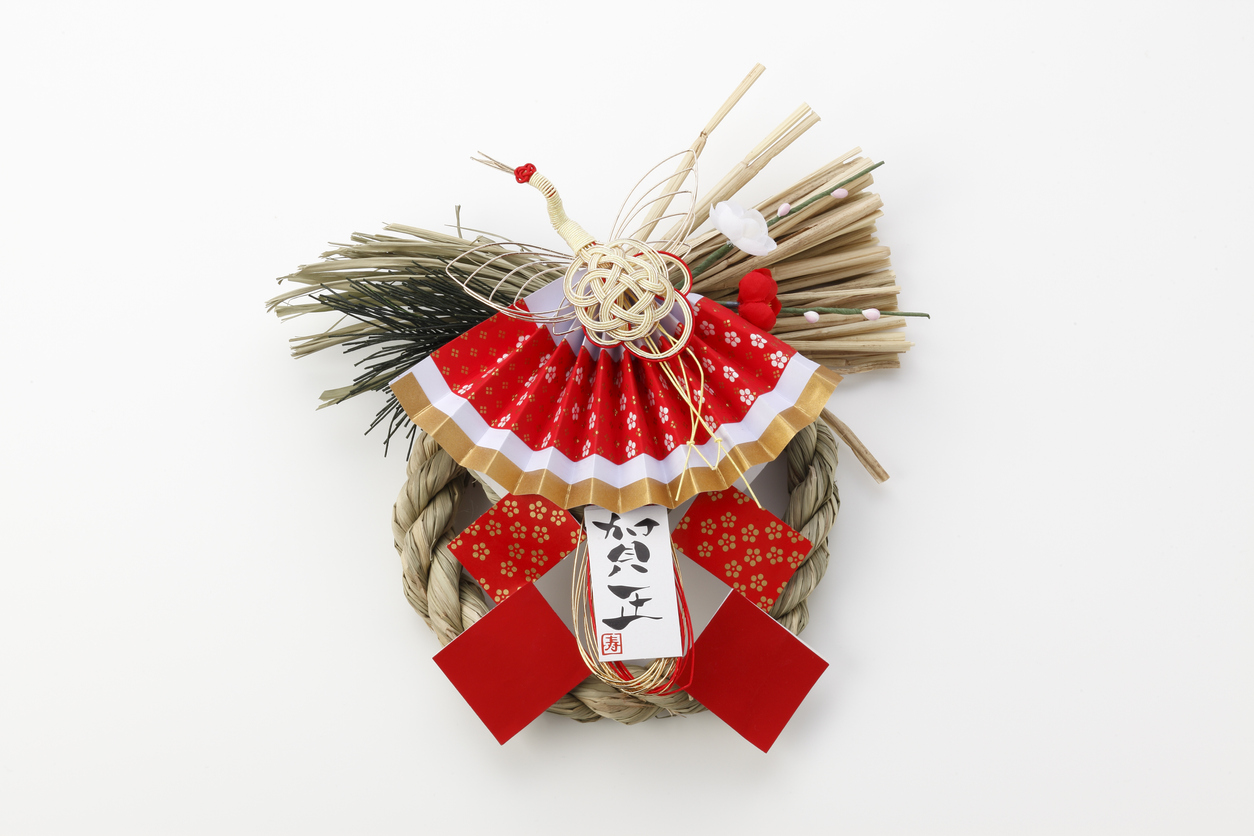
For centuries, mizuhiki has been a part of New Year celebrations in Japan, symbolizing prayers and good wishes for the new year. Traditional New Year’s decorations are often adorned with mizuhiki designs that delicately curve and twist, forming mesmerizing shapes. Some examples include:
- Shimekazari (sacred rice straw decorations)
- Kagami mochi (mirror-shaped rice cakes)
- Kodamatsu (pine and bamboo decorations)
People also use mizuhiki on pochibukuro, small paper envelopes for gifting money to children on New Year’s Day. You can also spot imaginative and charming knots resembling zodiac animals, such as a horse’s face for the 2026 Year of the Horse.
Modern Knots
In modern-day Japan, you can find all sorts of mizuhiki Christmas and New Year decorations. Paper cords are freely shaped into festive designs like snowflakes, reindeer and evergreen trees. One simple design that can be made at home is a mizuhiki Christmas wreath.
Cords dyed in deep reds, forest greens and shimmering golds can be twisted into a circular arrangement and form the base of a wreath. The wreath can then be embellished with pine and a simple plum or awaji knot.
With cords now available in a myriad of shades, metallic films, glossy sheens or matte finishes, the possibilities are endless. Tokyo Station and department stores around Tokyo have displayed large-scale Christmas trees made from a thousand mizuhiki ornaments.
Auspicious Colors, Designs & Knotting Techniques
 © Photo by iStock: ankomando
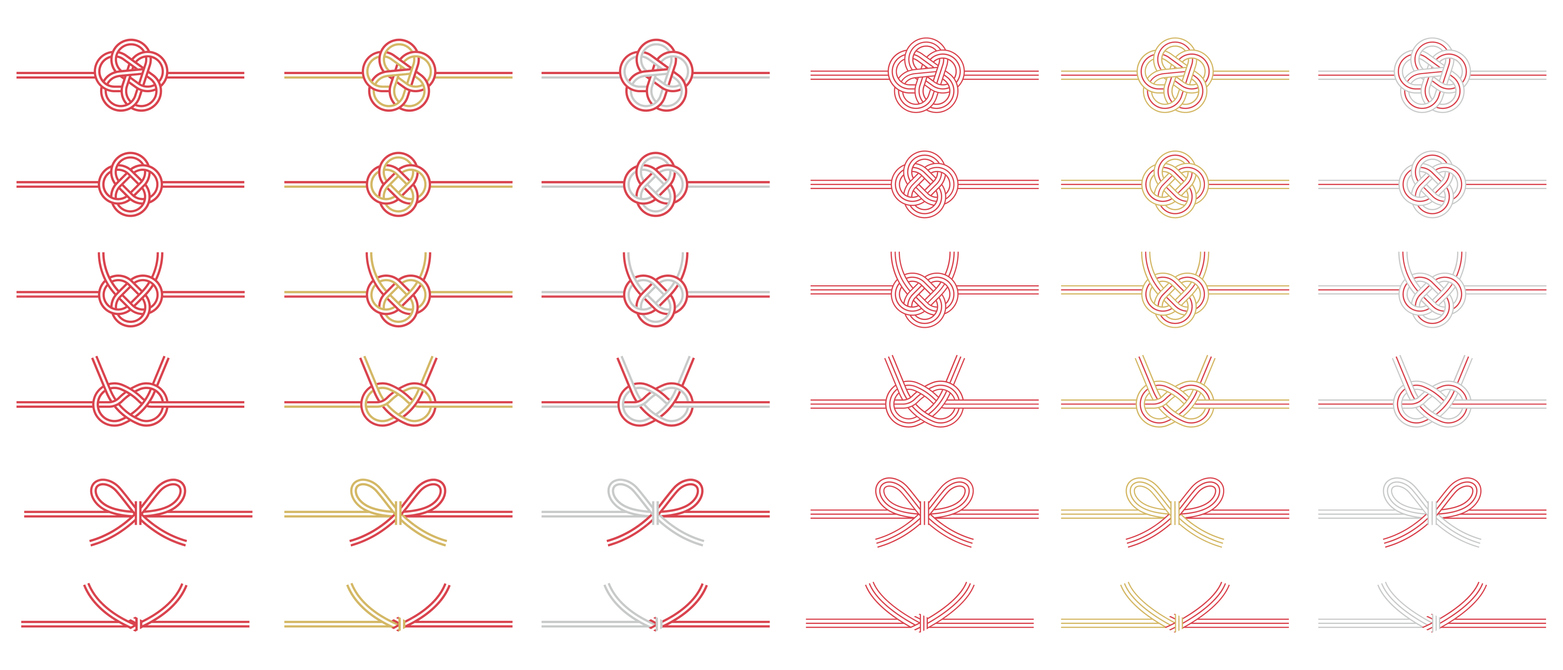
Traditionally, people carefully select the color, design and knotting technique of a mizuhiki piece to convey specific meanings. They use an odd number of strands for celebrations, while reserving even numbers for commemorations.
Color combinations such as gold and silver signify joyous occasions, while black and white denote more somber events. People use knotting styles like musubi-kiri (a tough knot that is difficult to untie) for events they hope do not occur multiple times, such as weddings or funerals. They use easily untied knots, such as the chou-musubi (butterfly knot), for events that can happily recur, like academic ceremonies, career milestones and the birth of a baby.
For New Year’s in Japan, one of the common mizuhiki knot styles used is the awaji-musubi. The awaji-musubi is tied tightly and cannot be easily untied, symbolizing everlasting good fortune for the year to come. Celebratory mizuhiki are likely to have three, five or seven strands bundled together. Still, the choice of knot, size, color and strand number may depend on regional traditions and personal preferences.
Today, artisans in Japan continue to create jewelry, accessories and home decor items using mizuhiki, including festive ornaments. Tokyo Mizuhiki is one such shop in Tokyo that sells artful items and hosts workshops teaching knot-tying techniques.
Whether you are decorating your living space, getting presents ready or looking to add a touch of artful elegance to your ensemble, you’ll encounter both traditional and contemporary expressions of mizuhiki art throughout Japan during the holiday season.
Will you be using mizuhiki this holiday season?
Comments
Leave a Reply








Related Articles You Might Like

Where to Find Art, Design & Photography Books in Tokyo
Here's where you can explore collections of artful books and find inspiration for your next creative project in Tokyo.
Tokyo Roses: A History & Growing Guide
Get to know some of the most beautiful made-in-Japan roses as well as the history of roses in Japan.

10 Japanese Books For Your Autumn Reading List
If you're looking to add some spice to your autumn reading and wish you could travel to Japan this fall, let the pages of a...

Where To Find Art Supplies In Tokyo
Ready your wallets, art supplies in Tokyo abound! We’re here to introduce seven must visit historical art shops in the city.
By Hilary Keyes
I can tie many of these knots. It would be lovely to be able to buy the materials and maybe see some diagrams and instructions on using them for gift parcels