Fukubukuro: A Savvy Guide To New Year Lucky Bags
Learn about fukubukuro & how to buy them

As you count down the remaining days of the year, why not pick up a lucky bag and get great deals?
Like many countries around the world, Japan concludes the year with Christmas and New Year’s celebrations. But, while you’re doing your Christmas shopping and looking for the perfect nengajo (new year’s greeting card), be on the lookout for something uniquely Japanese: fukubukuro.
Coming from the Japanese words for luck (fuku) and bag (bukuro), fukubukuro quite literally means “lucky bag”. Lucky bags are sold by a wide variety of retailers in Japan, come at various price points and always contain goods at a discounted rate.
While some stores now display the contents of a fukubukuro prior to purchase, others maintain tradition and obscure the merchandise. In these cases, customers will have to rely on luck and hope that they get the jacket or limited-edition figurine they were hoping for.
Keep reading for an overview of lucky bags and get ready to hunt for fukubukuro!
The History Of Fukubukuro
 © Photo by iStock: winhorse
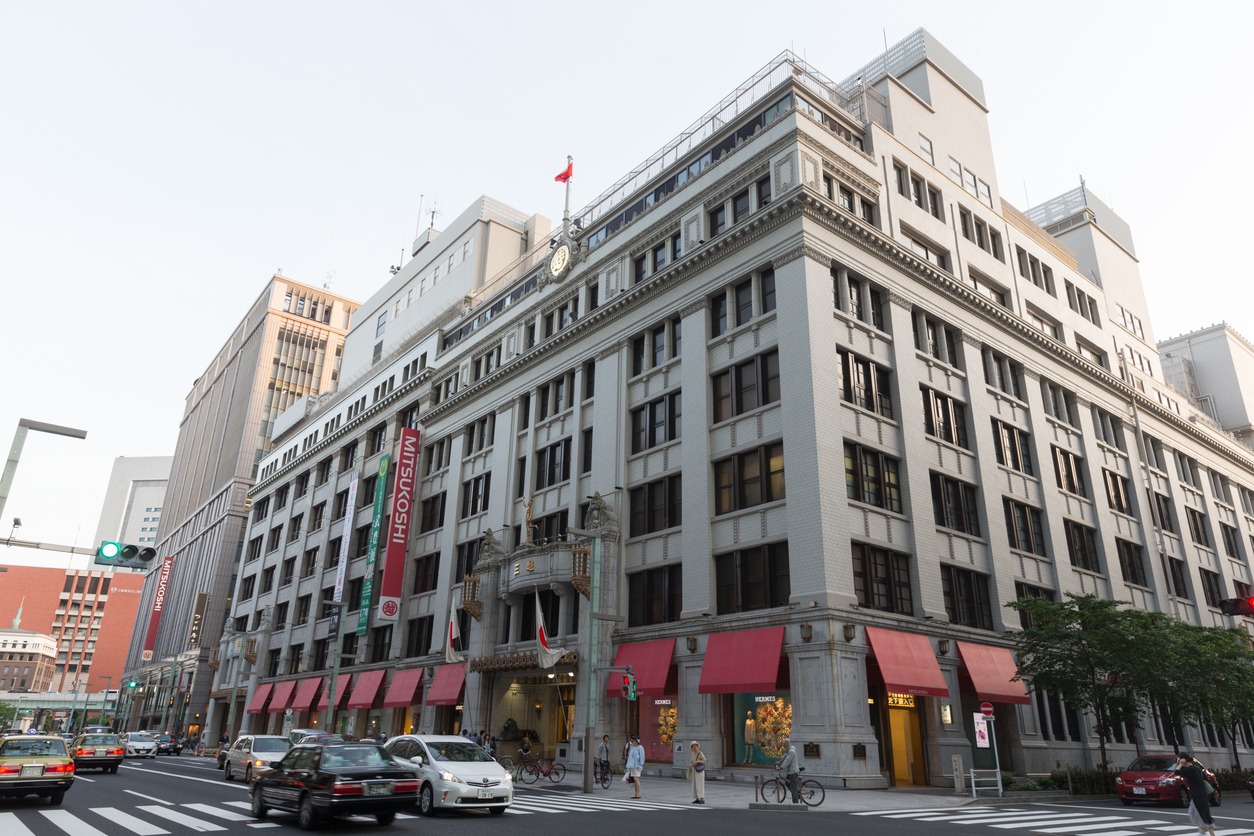
While the origins of fukubukuro are as mysterious as their contents, kimono retailers seem to be at the heart of the leading theories. During the Edo period, kimono shops in the capital began to offer unsold fabrics at reduced prices during the winter, when sales traditionally declined. Like modern fukubukuro, customers didn’t know the exact pieces of cloth they were purchasing.
The predecessor of the Mitsukoshi department store, Nihonbashi’s Ichigoya, was one of the first shops to offer fukubukuro to eager customers looking for bargains. The practice quickly gained popularity and other kimono retailers followed suit.
As mass consumer culture developed at the turn of the 20th century, department stores such as Ginza Matsuya, Mitsukoshi and Matsuzakaya adapted the old practice. In both practice and name, the modern fukubukuro was born around 1900. They contained a wide variety of leftover goods at the end of the year. In Japan’s period of economic prosperity during the 1980s, lucky bags became especially popular as people had more disposable income.
When & Where To Buy The Lucky Bags
 © Photo by Pixta: Fast&Slow
Typically, you can purchase a lucky bag starting from January 2, when stores reopen after New Year’s Day. However, in recent years, some stores have begun offering them in December, allowing customers to make reservations or purchase them online.
Fukubukuro are available in almost every kind of shop, from your local convenience store to luxury department stores. Most retailers will advertise in advance the types they will offer.
How Much Are Fukubukuro?
Lucky bags typically cost a few thousand yen (around ¥3,000 to ¥10,000), but depending on the brand and contents, they can range up to and over ¥50,000 as well. Whatever the price, the main point of the fukubukuro is that you’re sure to get a bag full of contents worth more than the retail price.
Price Range Examples:
- ¥3,000 to ¥4,000: The standard price for supermarket food and convenience store lucky bags.
- ¥6,000 to ¥9,000: The standard price range for popular brands, anywhere from fashion to miscellaneous goods.
- ¥10,000 and above: Common for brand-name items, high-end cosmetics and expensive food sets.
Types Of Fukubukuro
 © Photo by Pixta: yamasan
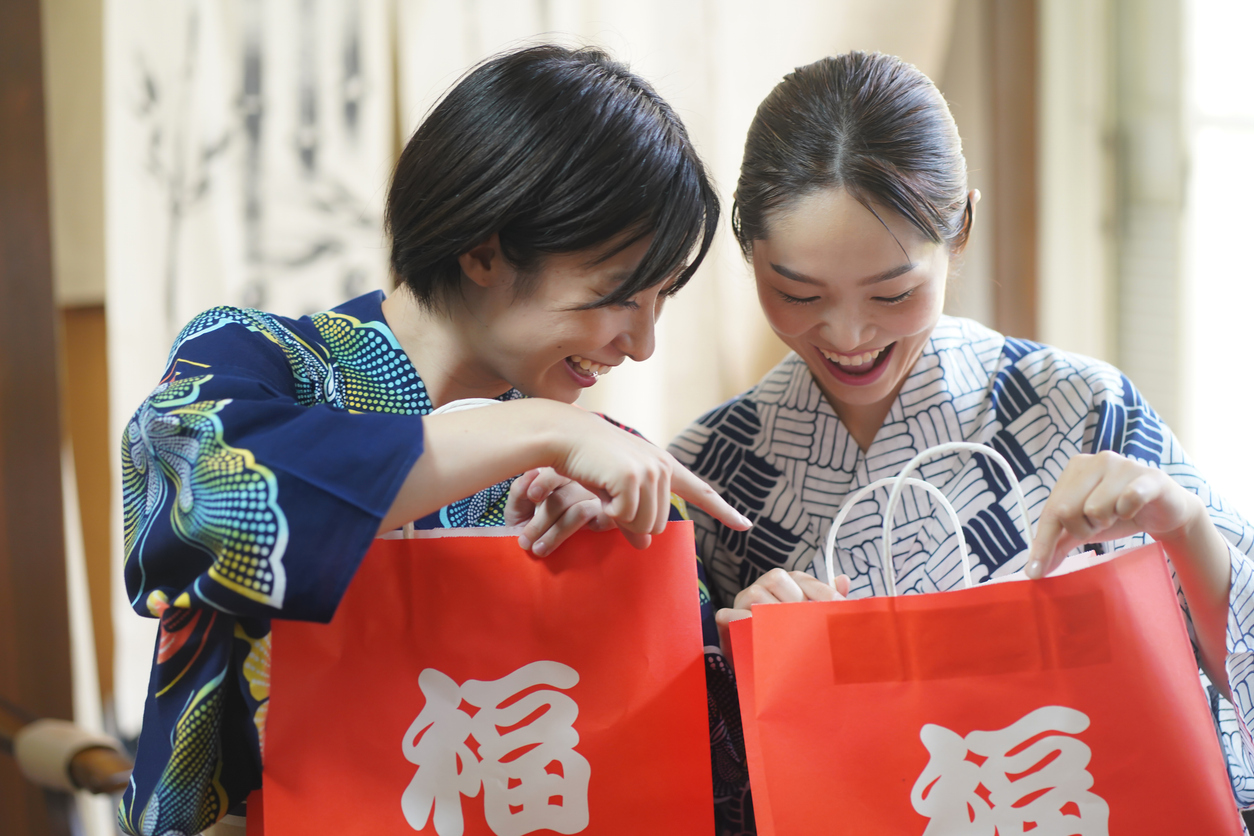
There are as many types of lucky bags as there are store types in Japan, which is to say a lot! Many of the most popular ones, however, are related to food and apparel.
Food
The category of food lucky bags is the most expansive and arguably the most popular. If you want a selection of overseas items, you can purchase fukubukuro from import stores, like Kaldi and Kinokuniya. They are also available from many bakeries and sweets retailers at varying price points.
Restaurant chains, ranging from famiresu (family restaurants) and kaiten sushi (conveyor belt sushi) to yakiniku and ramen, offer bags that include a combination of original goods and discount tickets. Most cafe chains, such as Tully’s and Starbucks Japan, arrange their lucky bags similarly, featuring drink tickets and branded items.
Finally, if you want food or drink items directly from producers, such as tea store Lupicia or coffee maker UCC, lucky bags are a great way to buy at a discount.
Home Goods
Another popular fukubukuro type is interior. In this category, you can expect to find a mix of discounted tickets for the store and popular miscellaneous items. Home goods brands, like Bruno, are an excellent choice if you’re moving out or moving to a new home.
Clothes (Kids & Adults)
Clothes lucky bags are quite sought-after, but they do come with a caveat that you can rarely choose the color, size or fit of items. But, if you can be flexible, fukubukuro offer very good prices on slightly upscale brands that rarely post sale prices.
Accessories
Accessories bags are fun if you are not particular about color, type and fit. They can be a useful bag for anyone looking to purchase a fukubukuro as a gift.
Pregnancy & Baby Goods
Stores specializing in baby goods, such as Akachan Honpo, offer lucky bags containing a variety of valuable items for parents with a new baby or toddler, including socks and bodysuits.
Conbini
Convenience stores, such as Family Mart and 7-Eleven, offer lucky bags that combine original goods and coupons for use in their stores nationwide.
Department Stores
At department stores like Mitsukoshi, you can order a fukubukuro for a variety of high-end brands they carry, ranging from food to clothing to accessories. Remember to preorder early for the popular ones and prepare to line up to receive your goods.
Popular Fukubukuro in Japan
 © Photo by Pixta: naomono
Below is a sample of popular lucky bags across the categories discussed above.
Food
Home Goods
Clothes (kids and adults)
- Gelato Pique (Kids & Adults)
- Comme Ca Ism (Men)
- Mila Owen (Women)
- Bebe Mall (Kids)
Accessories
Pregnancy & Baby Goods
Combini
Department Stores
Have you ever bought a fukubukuro? How lucky were you? Let us know in the comments!






Related Articles You Might Like
Japanese Lucky Charms: A Guide to Omamori for the New Year
What is an omamori and what can it do for you?
By Hilary Keyes
Mizuhiki Art: The Beautiful Knots On Holiday Gifts
Learn how you can enjoy mizuhiki this Christmas and New Year’s in Japan.
A Guide to Goshuin: Japanese Shrine & Temple Stamps
Planning to visit Japan’s shrines and temples? Here’s what goshuin are and how to get your first stamp.
By Hilary Keyes
Urushi: A Beginner’s Guide To Japanese Lacquerware
While ceramic dishes and metal cutlery are standard fare, there’s something very satisfying about having a bowl that will grow and change as you do.
By Hilary Keyes
Leave a Reply