Urushi: A Beginner’s Guide To Japanese Lacquerware
A Natural Treasure That Lasts

While ceramic dishes and metal cutlery are standard fare, there’s something very satisfying about having a bowl that will grow and change as you do.
Among Japan’s many traditional handicrafts, urushi (lacquerware) stands out as one of the oldest. Urushi comes from the varnish made from the sap of the urushinoki, better known in English as the Japanese lacquer tree or Japanese sumac. The items made from and with this lacquer are known in Japan as either urushinuri or shikki.
The History Of Lacquerware
 © Photo by iStock: SetsukoN
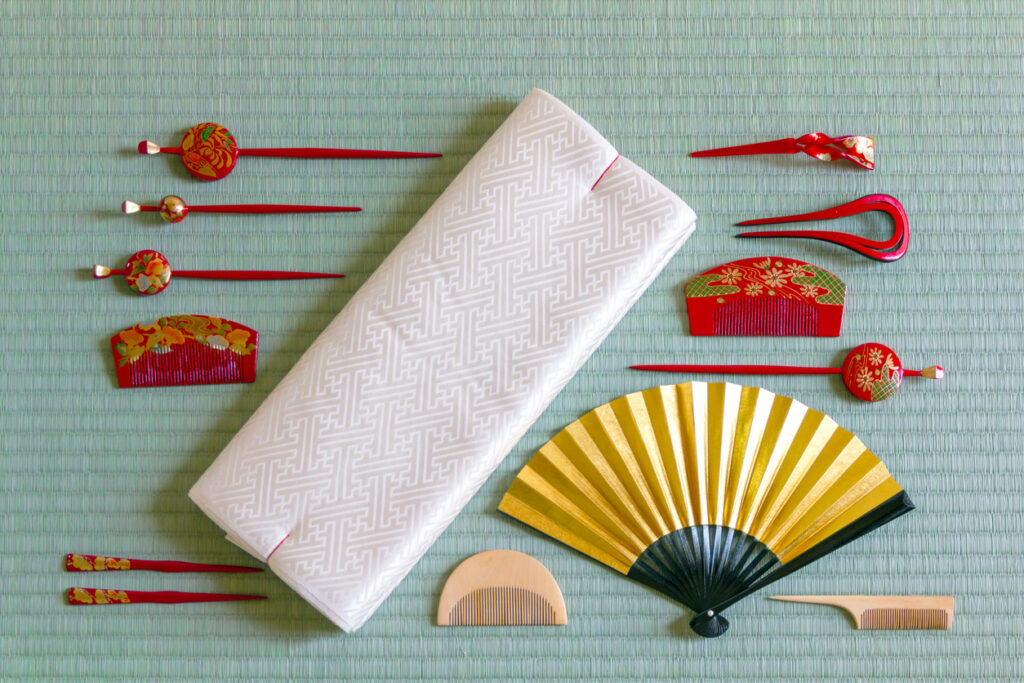
Japanese artisans have used lacquer since the Jomon period, which spans approximately 15,000 to 2,300 years ago. At first, people relied on it mainly as an antiseptic or adhesive. Over time, however, lacquer became a staple in both functional and decorative crafts. Artisans created everything from wooden pencils to everyday soup bowls, hair combs, armor and even coffins from lacquerware.
They typically apply lacquer to carved wooden items, but urushi also coats metal, glass, fabric and even plastic.
Urushi Precautions
The Latin name for the urushinoki contains a hint as to the main problem with lacquer itself—Toxicodendron vernicifluum.
The liquid sap from these and other trees in its family contains urushiol. This is the same compound in poison ivy and poison oak that causes severe rashes and potentially fatal allergic reactions. In Japanese, the rashes are known as urushi kabure, or urushiol-induced contact dermatitis.
While lacquerware products generally don’t cause reactions in users, during a lacquerware tutorial, my instructor informed me that those with severe allergies to poison oak and similar substances might want to appreciate lacquerware from a distance, just in case.
Famous Styles
 © Photo by iStock: NicolasMcComber
As with most things, there are regional differences in shikki across Japan. Given that the sap is a natural component, knowing when and how to collect it, the quality and viscosity of the substance itself, as well as how long the lacquer will take to dry in a given area, varies greatly. This knowledge comes from years of experience—often generations of it—and as such, areas with the longest established traditions of producing urushi tend also to have some of the finest items available.
There are about 30 well-known lacquerware brands available today, each with its own special techniques and designs. Here are some of the most commonly known types.
Daigo Urushi
A type of lacquer found close to home that comes highly recommended is Daigo Urushi, from Ibaraki Prefecture. The town of Daigo is the second-largest producer of lacquer in all of Japan, and the pieces found here have a weight to them that makes them both beautiful to look at and sturdy enough for daily use.
Negoro Urushi
One of the most famous and heavily copied styles is Negoro Urushi, which comes from the former Izumi province (modern-day Osaka area). This style sees items first painted with black lacquer, which is then covered by layers of red. Through use, the red begins to wear away, leaving a distinctive black area behind. Many antique lacquerware pieces from this region appear to be damaged, but that’s actually intentional, a result of years of use. This is also the most commonly faked type of lacquerware, especially in online auctions, so be cautious.
Tsugaru-nuri
In northern Japan’s Aomori Prefecture, you’ll find Tsugaru-nuri, which is famed for its mottled effect. This design is created by layering different colored lacquers over one another and is believed to have been developed in the 17th century.
Wajima-nuri
Ishikawa Prefecture is where Wajima-nuri was developed in the 15th century. It’s most famous for its durable undercoating over zelkova wood. This coating is made from layers of urushi mixed with keisodo (diatomaceous earth, similar to pumice powder). It’s also where Yamanaka-shikki developed—this includes sensu jibiki (heavily ridged woodworking designs), shudame-nuri (lacquer layered over a vermillion base) and koma-nuri, a unique ringed pattern based on Japanese spinning tops.
Johana Urushi
Johana Urushi originates from Toyama Prefecture, which is renowned for its white lacquer and the use of maki-e and mitsuda-e (gold and lead powder, respectively). Personally, I find it to be the most modern and artistic of urushi styles, so if you want something more contemporary, this is your best choice.
You can find these and other styles in most department stores, but if you’re looking to support local artists, Japanese online shopping sites like Creema and Minne are good options to try.
Recognizing Good Quality
 © Photo by Hilary Keyes
While you can find lacquerware items at Daiso and other 100 yen shops, there are significant differences in quality that you should consider before purchasing any urushi-based items.
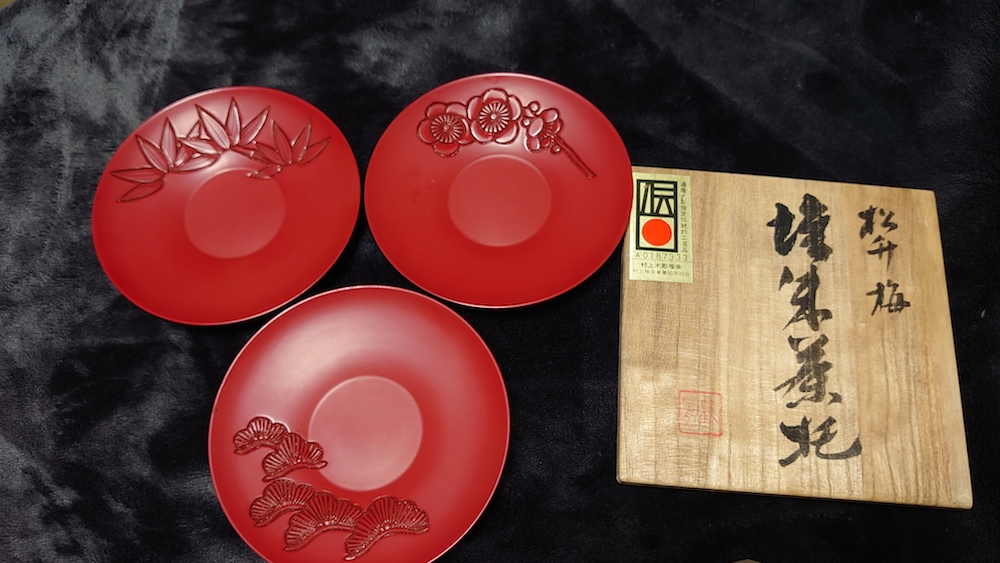
The easiest way to make sure you’re getting something of quality is to buy it directly from a urushi artisan, but that isn’t always an option. Products recognized as authentic Japanese handicrafts will include the associated seals and paperwork in the box or on the item itself. You can find these at made-in-Japan specialty shops such as Japan Traditional Crafts Aoyama Square or The Cover Nippon.
For quality and durability, opt for wood-based items. Check the label—it should read 天然木 (tennenboku; “natural wood”) or list the specific type of wood used. The most common is keiyaki, also known as Japanese zelkova.
Next, look for details about the type of varnish used. The three most common are:
- 漆 (urushi; “lacquer”)
- カシュー 油性漆塗 (kashu- yusei urushinu; “cashew oil lacquer”)
- ウレタン樹脂 (uretan jushi; “urethane resin”)
Generally speaking, if it’s not made with actual urushi, then it will be cheaper. Cashew oil and urethane resin will be easier to maintain on a daily basis—many of these items are dishwasher- and microwave-safe—but they won’t age or change as real urushi products will.
The Perks Of Lacquerware
 © Photo by iStock: MOHEJI
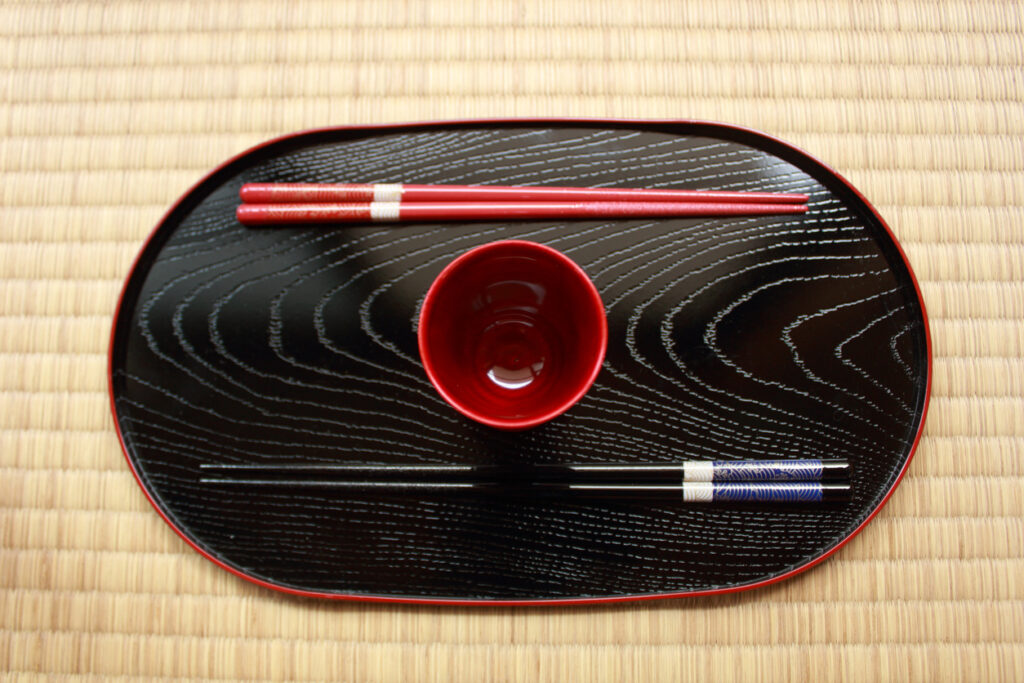
Many people strive to lead more eco-friendly lives, and lacquerware provides a sustainable option for doing so. Artisans create traditional lacquerware by layering tree sap over wood, with no harsh chemicals used in the process. The result is not only beautiful but practical—lacquerware naturally insulates and helps keep food warm. Because wood heats internally, urushi bowls are especially popular for serving soups and Japanese curries.
Not only is lacquerware beautiful, but it’s also an excellent investment: these items will last longer and become even more beautiful with time.
Many shikki producers say that the owner is the one who brings out the true beauty of lacquerware. Through use, the layers of urushi change—they thin or wear away, exposing new layers or they become shinier from constant contact. This is how Negoro types evolve, as mentioned above, and also how some antique or museum displayed pieces seem glossier than those available brand new in shops.
Lacquerware Care
 © Photo by Hilary Keyes
If you’ve opted for genuine, traditional urushi items, caring for them properly will help you maximize the value of your investment.
Avoid letting your shikki dry out or exposing it to direct sunlight for long periods. If you prefer to display your collection rather than use it, keep it out of bright, sunny areas. Most traditional pieces come in wooden boxes with paper wrapping—use these for storage. If not, a cupboard with solid doors or a slightly humid space is enough to keep your lacquerware in good condition.
When using urushi items daily, remember that they are sensitive to heat. Lacquerware can handle warm food and liquids, but not boiling temperatures. Avoid pouring freshly boiled water directly into lacquered teapots or bowls, as this can cause warping or cracking.
For cleaning, keep it simple and gentle. Do not put lacquerware in the dishwasher, microwave, or toaster oven. Also, avoid using sharp utensils or electric mixers. Hand wash with a mild, eco-friendly detergent; never soak. Dry immediately with a soft cloth. Unlike untreated wood, lacquerware does not require oiling—the urushi itself seals and protects the surface.
Properly cared for, urushi can and will last for decades. If you choose an item made from wood and coated in proper urushi, you will have a lacquerware treasure that will last a lifetime.
Comments
Leave a Reply







Related Articles You Might Like

Japanese Style Homemade Vegetable Stock
Stocks and broths are a bit of an enigma in that they are incredibly easy and inexpensive to make, and yet most people don't realize...

How To Cope With The Shock Of Being An Outsider In Japan
No matter how long you live in Japan, the G-word can always bring you down. Or up.

10 Neutral Color Blankets To Fit Your Minimal Home Décor
This cold season, a subtle earth-tone interior theme—like white, gray, and beige—gets more attention than before. A vast selection of neutral color blankets available on...
By Fairuz Emran

Manage Your Weight and Promote Health with Oolong Tea
Despite all the advertisements for pills and potions in Japan citing strange sounding ingredients for weight loss, it is not often that I am intrigued...
By Luisa Heenan
Do you need to be careful of the temperature of the food or liquid that you put in the. Lacquerware- I.e. if it was a teapot, can it take boiling water? Also is there any type of treatment for the wood that helps it from drying out, like mineral oil?