A Guide to Goshuin: Japanese Shrine & Temple Stamps
Make Meaningful Memories Of Your Time in Japan

Planning to visit Japan’s shrines and temples? Here’s what goshuin are and how to get your first stamp.
Everyone says “new year, new me,” but how many people can honestly say they’ve kept up their new habits for the year? Unfortunately, for many years, I was a part of that group. I did great from January until about March, and then… nothing—I got lazy. I didn’t keep up the habits I’d hoped or found it was easier to do something else instead. My nearest and dearest know how much I love visiting temples and shrines. My collection of omamori over the years has been extensive! So, I figured, why not take up collecting goshuin (shrine and temple stamps) too?
Last year, de-stressing my life was important, and I put my own advice to good use. My resolution was to go on more interesting walks and try something new. Plus, I figured if it was learning or studying something on the way, then that’s even better.
What Are Goshuin?
 © Photo by iStock: kuremo
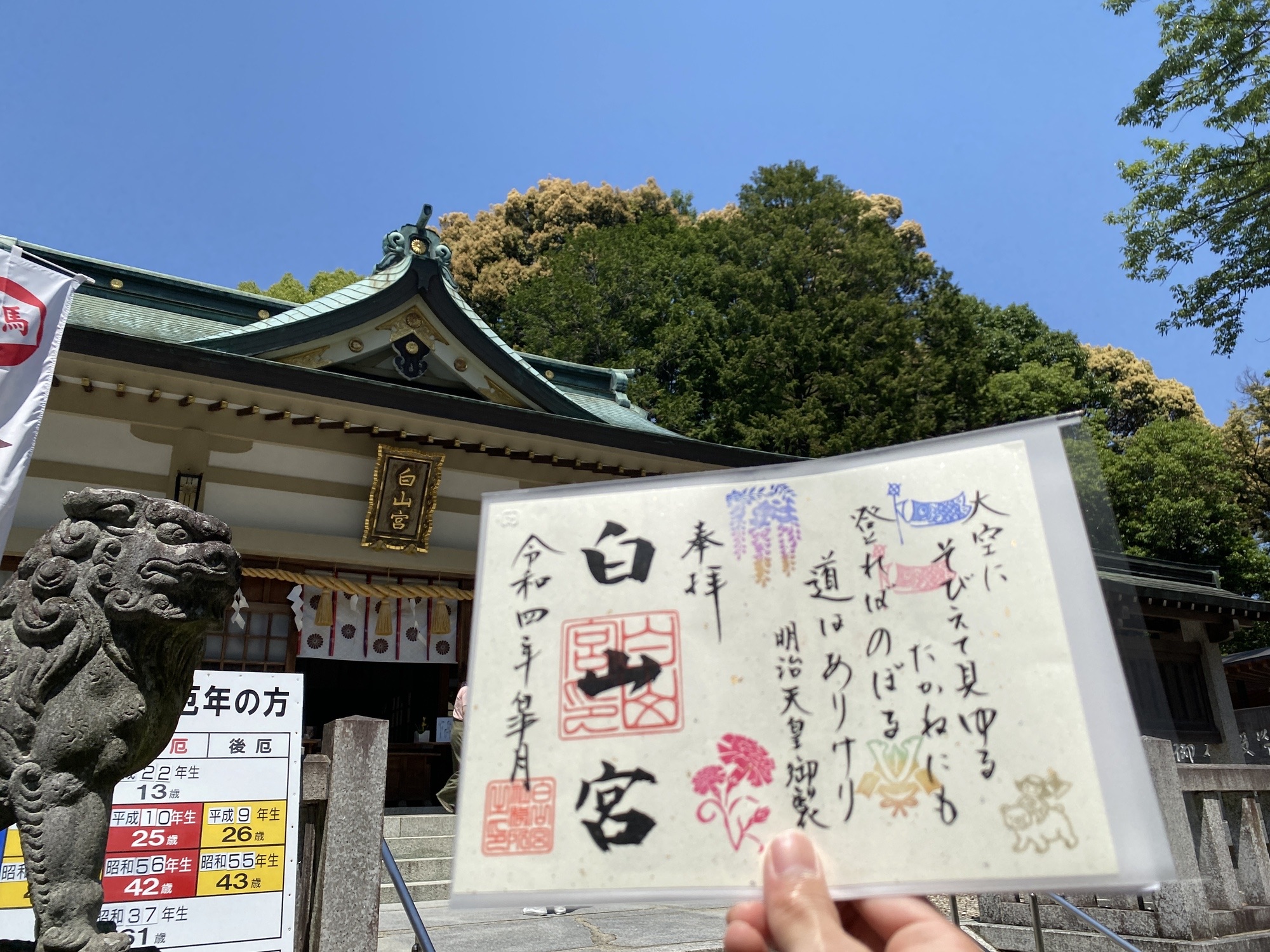
御朱印 (goshuin) are seal stamps that worshippers and visitors to Shinto shrines and Buddhist temples collect. They are often collected in special books called 御朱印帳 (goshuincho), which are sold in shrines, temples and some book stores. Goshuin can range in price from ¥300 to ¥1,000. However, some locations may request a donation instead of a set price.
These seal stamps are manufactured in various ways. Typically, an image or design is first stamped on the page. Then, the monk or kannushi (a Shinto “servant of God”) writes the shrine or temple’s name, the date and sometimes other messages. These are allowed to dry, then a piece of thin paper is placed over them to absorb any excess ink. Finally, the goshuincho is returned to its owner.
During festivals or other special events, some shrines and temples offer pre-made goshuin papers that are handed out instead. For these, you can glue them into your goshuincho once you return home.
The Origin Of Goshuin
There are many theories regarding the origin of goshuin. Still, the most widely accepted theory is that they originated from pilgrims traveling across Japan to famous temples and shrines during the Nara Period (710-794). If you visited a given location and dedicated a prayer, a sacred item or a sutra, you were given a goshuin in return. A bit like a receipt, “thank you for your visit”.
Getting Started With Goshuin
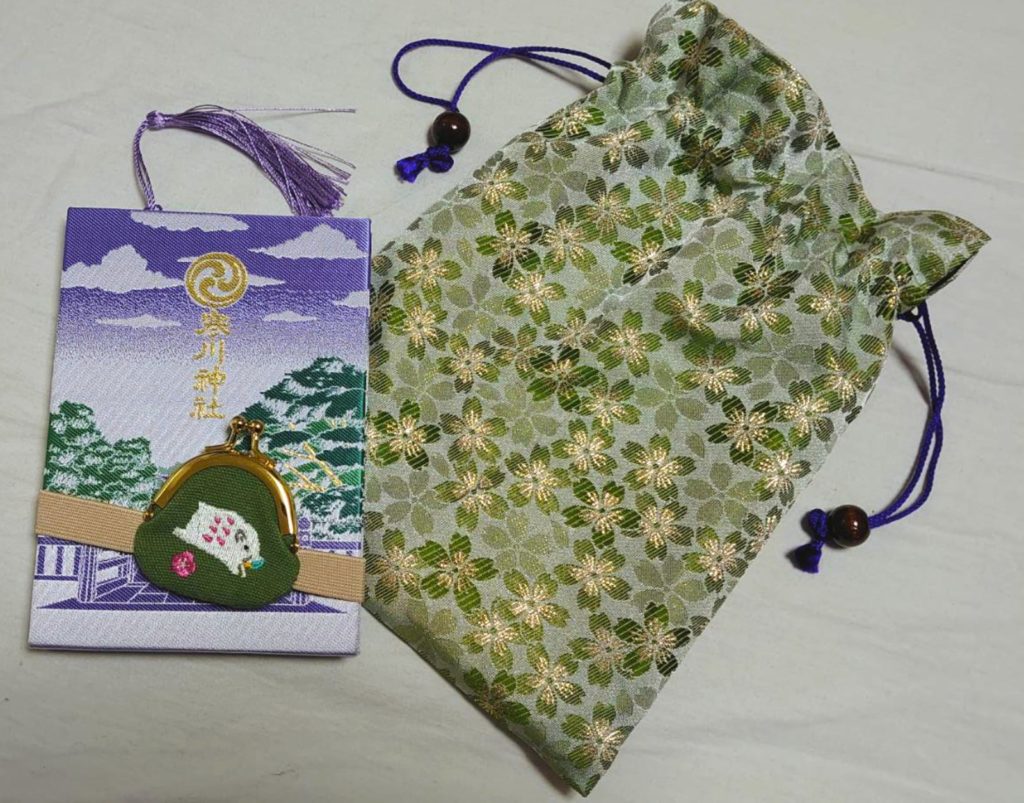
First things first, you’ll need to get yourself a goshuincho. Most temples and shrines will have their own goshuincho for sale, often in two to five different colors and designs. They range in price from ¥1,000 to ¥2,500. If you’d rather purchase one from a bookstore, you can find designer goshuincho, such as those with carved wooden covers or others, but these tend to be more expensive, ranging from ¥3,500 to ¥6,000.
That’s all you need—unless you want to go all out, then you can purchase:
- Special bags (¥1,000-¥5,000) made from matching kimono fabric to carry your goshuincho in
- Bookmarks (¥100-¥1,500) to note which page should be used next
- Binders (¥500-¥900) with small coin purses attached to them to keep the goshuincho closed and to hold your goshuin money in
It all depends on you.
How Do You Collect Goshuin?
 © Photo by Pixta: ayapoon1204
Obviously, you must visit a temple or shrine to collect goshuin. Within the grounds of the temple/shrine, look for where the omamori are sold. Nearby, you will see signs that read:
- Temples: 御朱印所 (Goshuinjo), 朱印所 (Shuinjo) or 納経所 (Nokyojo)
- Shrines: 御朱印所 (Goshuinjo), 授与所 (Juyojo) or 社務所 (Shamusho)
Approach the person working in these areas, and they will guide you through the process.
If you can’t read Japanese or don’t see any of these signs, you can ask one of the staff, 御朱印はどこでもらえますか? (goshuin wa doko de moraemasu ka?; “Where can I get goshuin?”) and they’ll guide you along.
Some temples and shrines are exceptionally well known for their goshuin, so you might have to wait in line to hand in your goshuincho and collect it. If you’re visiting on a holiday or during an event, you might consider dropping off your goshuincho first, then praying at the temple/shrine before going back to collect it.
Goshuin Meguri (Stamp Collector Day Trips)
While it is true that the vast majority of shrines do have goshuin, not all do. Many smaller temples don’t actually have them readily available year round. They only have them during festivals, New Year’s or reserve them for families connected to that specific location.
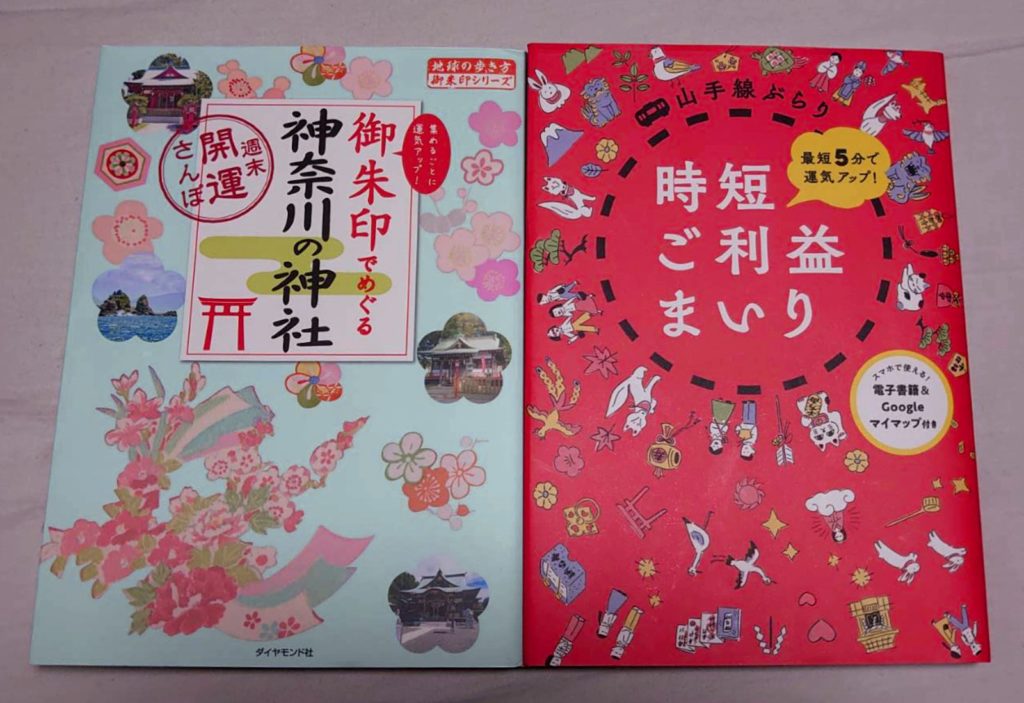
If you’re not sure where to start looking or would like to see what sorts of goshuin you can collect from a given location, head to your nearest bookstore. In the domestic travel section, you’ll find a row of books and magazines on famous goshuin from around Japan. There are also books for the most beautiful goshuin of the year, exclusive/festival-specific goshuin and more.
Along with those Japan-wide selections, you’ll find books and sometimes local (prefecture-specific) magazines for 御朱印巡り (goshuin meguri). These are essentially day trips or long walks along a set course that take you anywhere from two to 10 shrines and temples in a given day.
These books can be for entire regions, set out by train lines or some are set out based on movies and pop culture locations, too. If you can read Japanese, they’re an invaluable source of information. If you can’t, they sometimes have the names written in romaji, which makes them easier to Google and research in English as well.
Warning: Don’t Give The Gift Of A Goshuin!
While the goshuin themselves are beautiful examples of Japanese calligraphy, I wouldn’t suggest giving goshuin individually or in a filled-out goshuincho as a gift. They may appear to be works of art to the uninitiated (and they are, in a sense), but devout believers of both Shinto and Buddhism may find gifting them inappropriate or offensive. My friend, the Shrine priest, said, “Goshuin are a sacred item between the visitor and the temple or shrine—it would be like giving a blessing away.”
How Did I Do?
Initially, I mentioned that this was part of my New Year’s resolution, and I stuck to it. I managed to do at least one goshuin meguri a month, learned even more about my own neighborhood and met a lot of really lovely people in the process, too.
It wasn’t always easy, and walking that much in the summer months was pretty gross, but I finally stuck to my resolution.
If you’re looking for a relatively inexpensive way to incorporate more exercise into your life, want to learn more about Japanese culture and religion or simply want to explore Japan further, then collecting goshuin shine or temple stamps could be this year’s hobby for you.
Comments
Leave a Reply










Related Articles You Might Like

B-Kyu Gurume: The Best Of Cheap Japanese Comfort Food
Japanese food isn’t all sushi, ramen and wagyu!
By Hilary Keyes
Nabe: Famous Hot Pot Flavors To Try in Japan
Nabe is a must during the cold wintry months. We break down what it is, how to make it and where to get it!
Urushi: A Beginner’s Guide To Japanese Lacquerware
While ceramic dishes and metal cutlery are standard fare, there’s something very satisfying about having a bowl that will grow and change as you do.
By Hilary Keyes
10 Gorgeous Autumn Foliage Spots in Tokyo
Some of Japan's best autumn foliage destinations are just a train ride away.
By Jes Kalled
Thank you. A very generous post. Your explanations, very helpful.