Nabe: Famous Hot Pot Flavors To Try in Japan
Time To Warm Up

Nabe is a must during the cold wintry months. We break down what it is, how to make it and where to get it!
My introduction to nabe (hot pot) in Japan came in the middle of summer, not winter. When I touched down in Tokyo, it was the first thing I ate. Everything went into the boiling pot: chopped mushrooms, leeks, meat and vegetables I was not yet familiar with. During the meal, everyone dived in and scooped up what they wanted. After more than 24 hours in the air, this Japanese hot pot really hit the spot. And it was the perfect way to celebrate my birthday and meet Caribbean folk in the city.
Enjoying hot pot with new friends in Japan this way instantly reminded me of soup limes (get-togethers) in Trinidad and Tobago. Back in the Caribbean, we “bubble a pot” on a portable gas stove on the ground rather than on the table. However, the camaraderie surrounding a pot of hot broth in Japan and Trinidad and Tobago remains the same.
What Is Nabe?
 © Photo by Pixta: polkadot
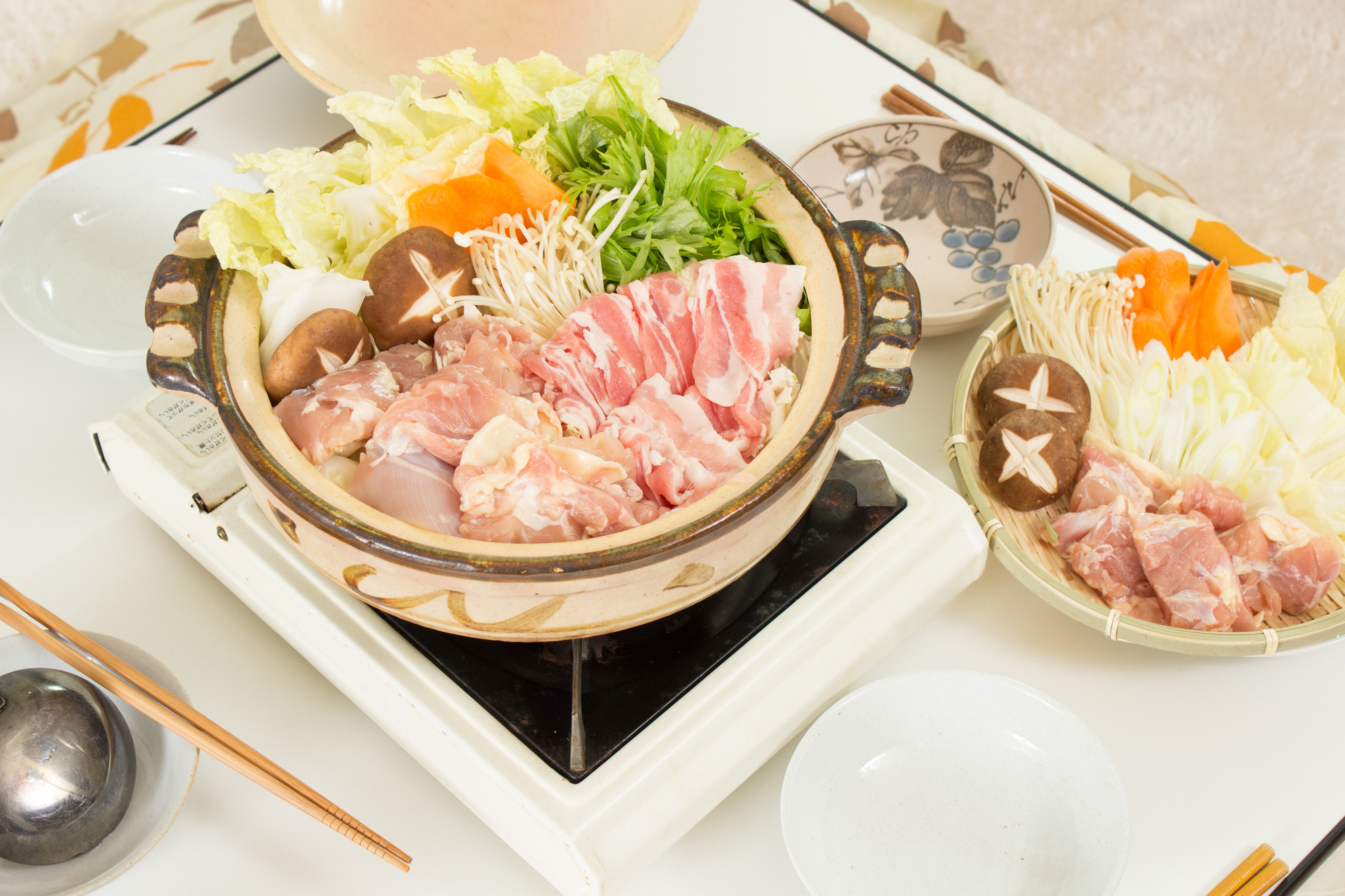
In winter, nabe or nabemono is one of the most popular Japanese ways to combat the cold. It’s filling, warming and nutritious—talk about hitting all the targets! At home, nabe is usually cooked in a heavy earthenware pot called donabe. The soup simmers throughout the meal atop a portable gas stove that can be used on the dining table. It uses a butane canister and is also handy for cooking outdoors and during power outages/natural disasters.
Nabe has all the ingredients for a great time: seasonal winter vegetables, delicious kombu (kelp)-based broth, mouthwatering meat or seafood, silky or chewy tofu—you name it!
Always Save Room For The Finally
When everyone finishes the meat, seafood and vegetables, never toss the broth at the bottom of the pot. That leftover soup is actually one of the best parts of nabe. Instead, add fresh udon noodles, ramen noodles or cooked rice to soak up every last drop.
This final step is called the shime, a traditional method for concluding any nabe meal. It also reflects mottainai, the Japanese philosophy of “waste not, want not,” by making full use of the rich, flavorful broth you worked so hard to create together.
Nabe Classics
Want to try nabe for the first time but don’t know where to start? Here are some of the most familiar hot pots you’ll find in households across Japan. They have warmed winter tables for generations and are an excellent choice for your first experience.
Yosenabe
 © Photo by iStock: imagenavi
This is your basic or homestyle nabe, and it has been a cold-weather favorite since the late Edo to early Meiji periods, when families gathered around a shared hearth. Add whatever you like or whatever’s in the fridge that day.
In winter, it’s common to add hearty vegetables like mushrooms, gobo (burdock root), daikon (Japanese radish), hakusai (Chinese cabbage), negi (leek) and carrots. You can also add your favorite meat (chicken, beef, pork or even game meat) or seafood like fish or shellfish. If you’re vegan, you can enjoy yosenabe with silky or fried tofu. The dashi is usually simple, using kombu or katsuobushi (bonito flakes).
Chankonabe
 © Photo by iStock: Gyro
This hearty stew is traditionally served to bulk up sumo wrestlers and became a staple in sumo stables during the early 20th century. In it, you’ll find massive chunks of animal protein (usually chicken and meatballs) and good portions of vegetables. It’s all served up in a basic dashi (kombu or katsuobushi) or chicken stock.
Today, you’ll find chankonabe restaurants all around Japan, but especially near Ryogoku in Tokyo, the heart of the sumo world.
Sukiyaki
 © Photo by iStock: ahirao_photo
Sukiyaki gained nationwide popularity during the Meiji era when Japan began embracing meat after centuries of avoiding it. For sukiyaki, thin slices of beef or pork and vegetables are simmered in a salty and sweet soy sauce-based broth. The cooked meat and vegetables are then dipped into raw egg before being served.
Shabu Shabu
 © Photo by iStock: Promo_Link
Shabu shabu first appeared in the 1950s in Osaka as a lighter, quicker alternative to sukiyaki. Instead of simmering meat directly in the pot, each diner picks up a raw slice kept next to the pot and gives it a quick dip and swish in the kombu-based broth to cook it. The cooked meat is then dipped in ponzu or goma (sesame) sauce before eating.
The name shabu shabu comes from the soft “swish swish” sound made as the meat moves in and out of the hot broth.
Oden
 © Photo by iStock: GI15702993
Oden has roots dating back to the Muromachi era, but gained widespread popularity in the Edo period as a street food. When the cold months approach, convenience stores bring out the heated trays. In each, you may find well-shaped proportions of konjac, various varieties of fish cakes and hard-boiled eggs slowly cooking in hot stock.
Shizuoka prefecture is famous for its darker, soy-rich version of this hot pot.
Regional Nabe
Japan’s regions each bring their own local ingredients, traditions and climate to the nabe table.
Hokkaido: Ishikarinabe
 © Photo by iStock: gyro
Popular up north, ishikarinabe centers around locally sourced ingredients: fresh salmon or trout, sometimes salmon roe, butter and a creamy miso-flavored stock. The dish originated among fishermen along the Ishikari River during the Meiji era and remains a winter staple in Hokkaido.
Fukuoka: Motsunabe
 © Photo by iStock: mapo
In Fukuoka, motsunabe is a collagen-rich soup made with chili peppers, vegetables and offal (intestines). It rose in popularity after World War II, when ingredients were limited and offal was inexpensive. For those in the know, collagen is a way to achieve that youthful, glowing skin.
Akita: Kiritamponabe
 © Photo by iStock: flyingv43
Kiritamponabe hails from Akita and features chicken and grilled rice dumplings that soak up all the goodness of the chicken broth. The dish dates back to the late Edo period, when hunters would shape freshly cooked rice around cedar skewers and toast them over the fire.
Hiroshima: Dotenabe
 © Photo by iStock: Promo_Link
If you’re after the sweetest kaki (oysters) in Japan, hands down, Hiroshima comes out on top. What better ingredient to add to the local version of nabe? Dotenabe became popular in the early 20th century. What makes it extra flavorful is the miso paste smeared around the inside of the donabe, which gradually melts into the broth.
Kyoto: Yudofunabe
 © Photo by iStock: Promo_Link
For tofu purists, try Kyoto’s yudofunabe. The humble yet insanely nutritious tofu is boiled in a kombu broth and then dipped in ponzu sauce. This simple hot pot traces its roots to Zen Buddhist temple cuisine and remains the perfect nabe for those who are also strictly vegan.
Modern Nabe
Global inspiration and Japan’s love for playful food innovation have given rise to a new wave of hot pot flavors.
Tomato Nabe
 © Photo by iStock: Promo_Link
Tomato nabe is a Japanese-Italian fusion dish that became popular in the 2000s. It includes chicken, vegetables and cheese in a tomato-based stock. The shime at the end of the meal often means adding pasta or cooked rice to the leftover broth.
Tōnyūnabe (Soy Milk Nabe)
 © Photo by iStock: Promo_Link
For soy milk fans, there’s a nabe made just for you. Tōnyūnabe revolves around a soy milk and miso-based broth with plenty of pork slices and chunks of tofu. It surged in popularity in the 1990s when soy-based dishes became a trend in Japan.
Kimchi Nabe
 © Photo by iStock: Promo_Link
For a Japanese-Korean take on nabe, try kimchi nabe. It became a household favorite as kimchi became more accessible in Japan in the late 20th century. Who can resist the combination of meat or seafood and veg simmering in a mellow miso and spicy kimchi-flavored broth?
Cheese Nabe
 © Photo by iStock: FOODPHOTO
Another popular modern version is cheese nabe. Melty cheese, of course, is best (think cream cheese or other soft cheeses). This fondue-like concoction, which grew trendy in the 2010s, is guaranteed to satisfy almost any nabe skeptic.
Lemon Nabe
 © Photo by iStock: kuppa_rock
Lemon nabe is a modern-style regional nabe from Hiroshima, Japan’s largest lemon producer, created to promote their renowned setouchi lemons. It gained popularity in Tokyo around 2012 and is now a popular nabe flavor among women seeking a zesty, uplifting dish full of vitamin C. It’s made with clear chicken broth infused with fresh lemon juice, and by adding slices of lemon directly over the top, it also makes for a very photogenic nabe.
For a more Southeast Asian-inspired twist, try adding fresh coriander and a splash of fish sauce to the broth—these ingredients give the nabe a fragrant, slightly savory edge that pairs perfectly with the citrus notes. Use rice noodles as the shime and you’ve got yourself some nabe-style pho.
How To Make The Perfect Nabe
 © Photo by iStock: kazoka30
The best part about nabe is that there are really no strict rules to it, as it can really be made with any ingredients added to any broth. You can mix and match to your heart’s content. That being said, here are some basic tips to ensure a successful nabe experience.
- Cook the broth first and bring it to a rolling boil.
- Cook the tough stuff in the broth first. Think raw chunks of meat and hardy veggies.
- Last go in thin slices of meat, seafood and softer vegetables like mizuna (mustard greens) and hakusai leaves.
- Don’t crowd the pot! The joy of nabe is that it’s meant to be cooked in small batches, allowing everyone to eat a little at a time over a long period. You can keep a separate bowl with extra ingredients nearby the hot pot, allowing you to add to it as needed.
- If you like, have one person in charge of the nabe pot, adding ingredients, manning the fire and dishing out portions.
- Enjoy nabe with a cold beer, sake or whatever you like!
Where To Try Nabe in Tokyo
 © Photo by iStock: Artit_Wongpradu
In Japan, nabe can be enjoyed almost anywhere during winter: convenience stores, izakaya (Japanese pubs), ryokan and restaurants. Here are just a few places to try nabe in Tokyo.
Shabu Shabu Onyasai
Shabu Shabu Onyasai is one of the most famous chain restaurants specializing in shabu-shabu, with locations not just in Tokyo but all over Japan. The menu features fresh vegetables, thinly sliced meats and a variety of flavorful broths, ranging from classic kombu to spicy and modern styles. Guests can choose between all-you-can-eat courses or set menus, making it an easy, customizable option for groups and families.
- Price Range: ¥1,628–¥7,128 per person
- Where: Available all over Japan
Mo-Mo Paradise
Mo-Mo Paradise is another extremely popular Japanese chain restaurant that serves both shabu-shabu and sukiyaki. Formerly known as Nabezo, the brand is recognized for its use of high-quality meats, flavorful broths and fresh vegetables.
- Price Range: ¥2,200-¥8,800 per person
- Where: Shinjuku, Shibuya, Ikebukuro, Akihabara and Asakusa
Hakata Motsunabe Yamaya
Located in Marunouchi, Hakata Motsunabe Yamaya specializes in the Fukuoka motsunabe. The restaurant is renowned for its depth of flavor and for serving authentic Kyushu-style dishes that pair perfectly with the hot pot, such as mentaiko and lightly pickled vegetables.
- Price Range: ¥2,200–¥6,500 per person
- Where: Available in most main cities across Japan
Chanko Kirishima
Chanko Kirishima serves authentic chankonabe in the heart of Tokyo, just steps from Ryogoku Kokugikan, the city’s sumo stadium. The restaurant itself has a nostalgic, old-Tokyo ambiance and is a great way to immerse yourself in sumo culture through food.
- Price Range: ¥1,650-¥3,520 per person
- Where: 2-13-7 Ryogoku, Sumida City, Tokyo (Google Map Link)
Komagata Dozeu
A true Tokyo classic, Komagata Dozeu is one of the city’s most historic nabe restaurants, serving its signature loach hot pot since the early 1800s. Step inside and you’re greeted with an Edo-period atmosphere—tatami floors, low tables and staff in traditional attire. The specialty here is dozeu nabe, a shallow iron pan filled with small loach simmering in a mildly sweet broth and topped with generous layers of negi.
- Price Range: ¥3,400–¥4,900 per person
- Where: 1-7-12 Komagata, Taito City, Tokyo (Google Map Link)
Bookmark for later, when the hunger pangs strike. How do you nabe?







Related Articles You Might Like

Level Up Your Japanese Kitchen With These 5 Appliances
When you’re struggling to healthily feed a family on two burners (and hopefully a rice cooker!), consider the five purchases below to make cooking more...

5 Winter Vegetables To Buy in Japan This Season
Winter doesn’t have to mean meat and potatoes! Get to know Japan’s delicious seasonal vegetable picks for the chilliest time of year.

Organic Food in Japan: 10 Tips For Buying It
Dear fellow conscious foodies, let me share the tips that helped me, help you.
By Anisa Kazemi

5 Japanese Rainy Day Date Ideas For Home
When an unexpected rainstorm ruins your date plans, do you cancel or reschedule? No need! Time to plan an indoor date instead.
Leave a Reply