Finding A Part-Time Job in Japan As A Parent
Practical Tips, Job Options & Work-Life Balance Strategies for Busy Families

Learn the best ways for busy parents to secure part-time work in Japan with family-friendly hours.
Finding a part-time job in Japan as a parent—or really in any country—can be a challenging and time-consuming undertaking. Throw in different cultural norms and a foreign language, and it can feel nearly impossible.
In America, I might show up and ask one of the staff members if they were hiring, but I wasn’t sure if it would come across as too aggressive in Japan. Thankfully, after hours of scouring the internet, painstakingly filling out resumes by hand and on the computer and making plenty of mistakes, I can share my knowledge to help others be better prepared than I was.
Why Choose A Part-Time Job?
 © Photo by iStock: maroke
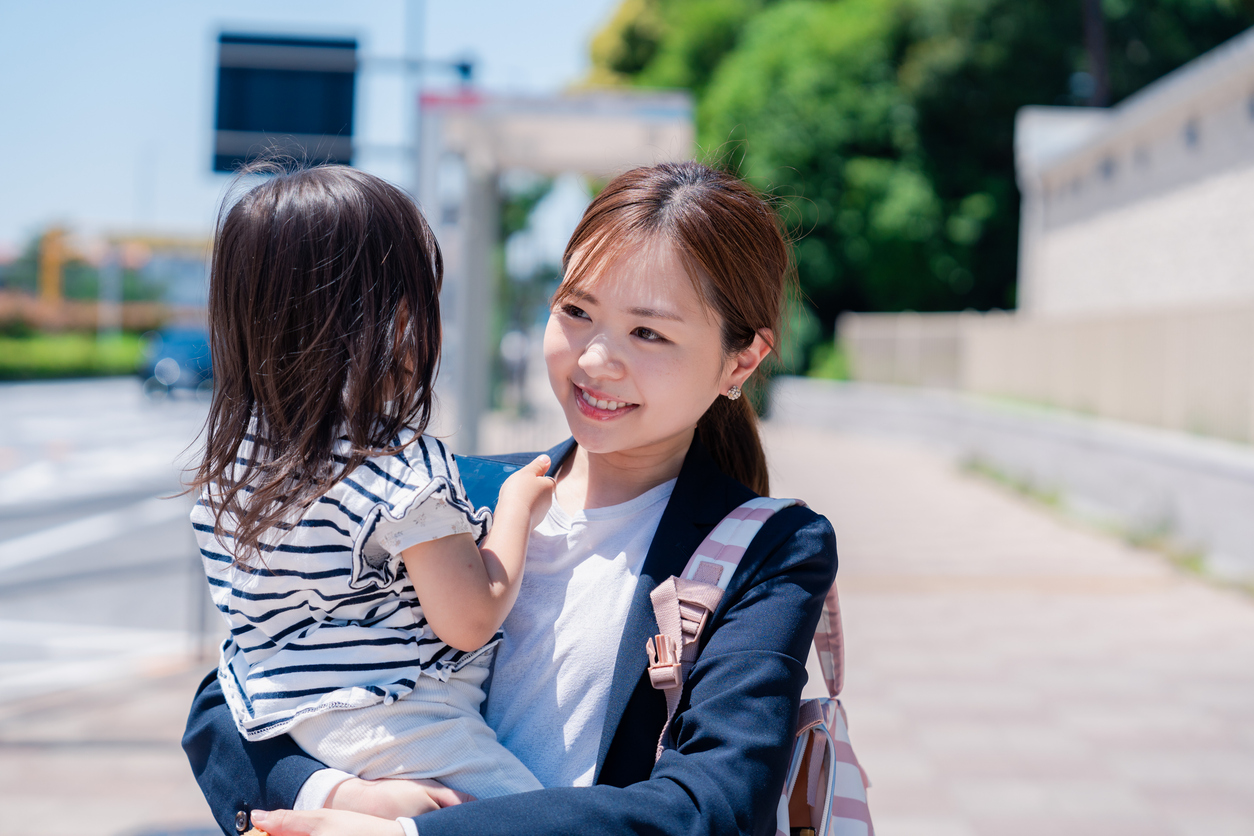
Many housewives and househusbands turn to アルバイト (arubaito; “part-time jobs“) for the flexible schedule and the well-known practice of maintaining spousal social insurance dependency. Not only that, but working a part-time job helps you connect more with your community and offers you a chance to improve your Japanese language skills. You might find that part-time work is more rewarding than you expected, gaining more knowledge and confidence to live in Japan.
Daycare & School Hours
It’s no surprise that being a parent comes with the unfortunate task of juggling different schedules, events, activities and finances. The moment I became a mom, I was overwhelmed with keeping up with my son’s ever-changing schedule and needs. Now that my son is starting daycare, I find myself trying to squeeze in as much work as possible during the day while also keeping our shared family calendar up to date to know who is picking up and dropping off our son.
Daycare hours in Japan vary by area and individual schools. Standard hours are usually between 7 a.m. and 6 p.m. Depending on the certification given to you by your local municipality, you might only be permitted to use shortened hours, which are from 9 a.m. to 5 p.m. Anything outside of the standard or shortened hours is considered extended hours, which come with an extra fee.
On paper, the schedule sounds manageable. Realistically, however, depending on your work, your commute and the location of your daycare, you might find yourself sprinting from one place to the next. If daycare ends at 6 p.m. and the typical Japanese workday also ends at 6 p.m., it becomes clear how impossible it can feel.
Applying to daycares near your home doesn’t always guarantee you will get in.
All the daycares near us were filled, from public to private to unlicensed. We were then forced to apply to ones outside of our city and prefecture. When we finally got accepted, it was a 50-minute commute from door to door. A commute like that is manageable for an adult, but for a squirmy toddler, it can be a nightmare.
What can be even more taxing are the shorter elementary school hours, with children returning home around 3 p.m. School also starts later in the morning, meaning parents might leave the house before their children do. Thankfully, most children in Japan attend elementary schools located in their neighborhoods and are easily accessible on foot. Designated volunteers in the community are stationed at some crosswalks to ensure children reach school safely, but this can make it difficult for parents to maintain a work-life balance.
Taxes & Dependency Status
Japan offers maternity leave and childcare leave to those who have full-time jobs in Japan. As a foreigner who worked on English teaching contract jobs, I wasn’t one of those lucky people to get such benefits. Thankfully, while freelancing during my pregnancy and raising our son while out of work, my husband was able to claim me as a dependent. His company provided both of us with social insurance and handled our taxes every year.
In fact, many mothers in Japan are in similar situations. They often feel pressure from their managers or societal demands to be the perfect mom, which can lead them to leave their full-time jobs. On top of it all, the price of daycare can be even higher if both parents are working. To make matters worse, the daycare application process requires an overwhelming amount of paperwork that must be resubmitted, which can put a strain on an already busy work schedule.
However, working a part-time job that earns less than ¥1.3 million a year, which is approximately 20 hours of work a week at the typical Tokyo minimum wage, allows a spouse to remain a dependent. This reduces the amount a household is taxed and allows the spouse to remain on the other’s social insurance plan.
After December 1, 2025, these numbers will change slightly, but realistically, the amount isn’t enough. With ever-increasing prices of goods and stagnant salaries, families are struggling and need more assistance and leniency from the government.
Applying For Part-Time Jobs
 © Photo by iStock: Prostock-Studio
The easiest and most straightforward way to start applying is to look online. If you don’t have any Japanese language skills or lack the confidence to interview in Japanese, there are plenty of part-time jobs that don’t require it.
GaijinPot Jobs can not only help you find places that welcome foreign staff. You can also refine your search using advanced options, such as filtering by industry and remote work availability. They also offer jobs that provide full-time or contract work, should you decide to change your work style.
If you have basic Japanese conversation skills or don’t mind navigating Japanese websites for part-time work, I recommend using these sites to get you started:
Here are some phrases you can use while searching for a job in Japanese:
| Japanese | Romaji | English |
| 主婦/主夫歓迎 | shufu kangei | housewives/househusbands welcomed |
| 履歴書不要 | rirekisho fuyo | no resume required |
| シフト自由 | shifuto jiyu | flexible shifts |
| 扶養内勤務 | fuyou nai kinmu | working within dependence allowance |
| 週3日から | shuu mikka kara | 3 days a week |
| 1日4時間以内 | ichi nichi yon jikan inai | work around 4 hours a day |
| 10時以降勤務 | ju ji ikou kinmu | start work after 10 a.m. |
| 17時前退社 | jushichi ji mae taisha | leave work before 5 p.m. |
| 外国人活躍中 | gaikokujin katsuyaku chuu | foreigners are currently hired |
| 留学生歓迎 | ryuugakusei kangei | international students welcomed |
After submitting your application, some jobs will contact you by phone or email to invite you in for an interview. From personal experience, a rare few will ask you to bring in a resume. Most of them had an original form they wanted me to fill out at their shop on the day of the interview.
Japanese Resumes
 © Photo by iStock: Takatoshi
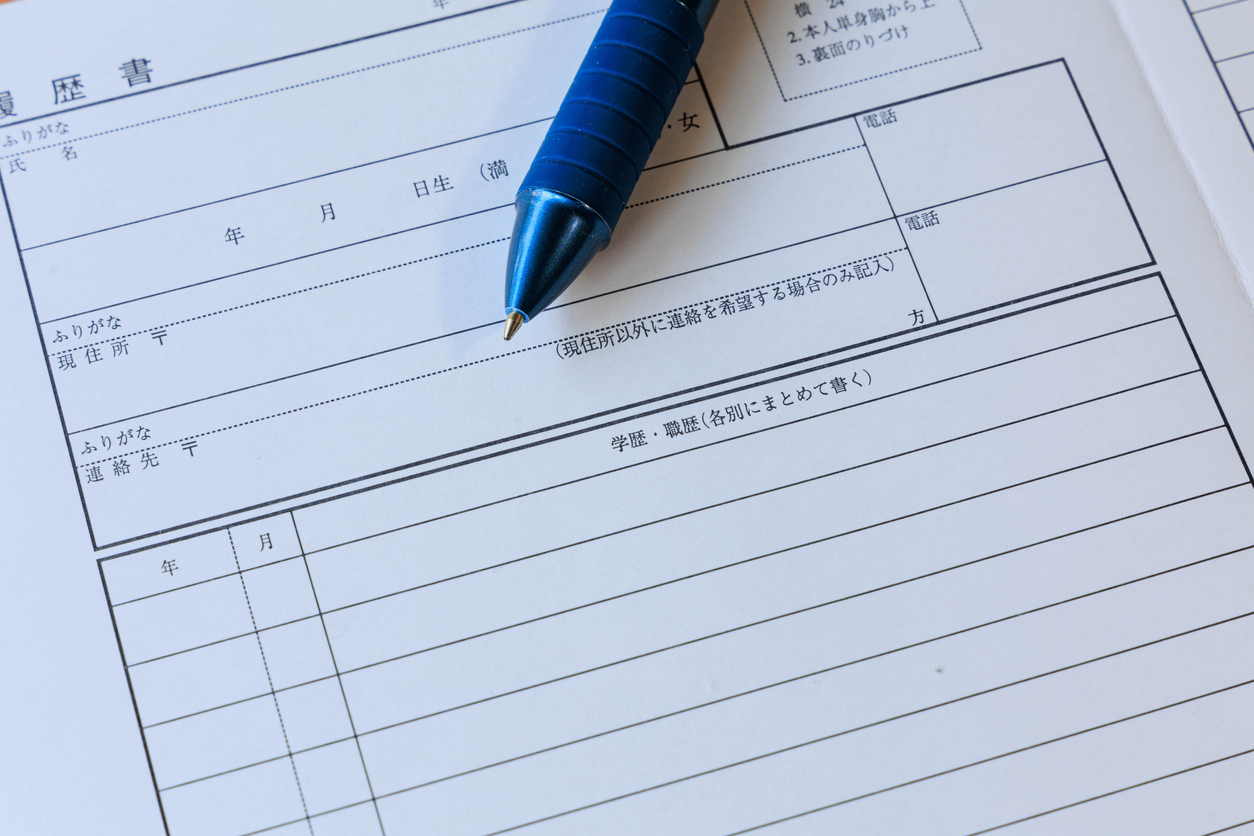
For me, this was the hardest part. Resumes in Japan differ significantly from those in my home country, with far more rules and requirements. I found myself rushing to my local train station to sit in a photo booth to take a proper resume picture, which is meant to be 40mm x 30mm.
When listing your work history and education, keep in mind that Japan might have a different order than you’re used to. List your educational background first, including details about your junior high school and high school experiences. Your work history should be listed in order from your first job to the last job or the one you’re currently working.
If you are confident in your writing abilities, you can purchase resumes at the convenience store. There are two different kinds. The blue one, 履歴書用紙 (rirekisho yoshi), is typically used for changing companies or by recent graduates entering a company. The red one, パート・アルバイト用履歴書用紙(paato/arubaito you rirekisho yoshi), is more for part-time or casual work.
As a housewife or parent, you don’t need to handwrite your resume. Finding a free online template or using a free service like Canva is a great way to fill it out on your computer and save yourself the sanity of squeezing kanji into small boxes. Sites like GaijinPot Jobs allow you to upload your resume in English and Japanese, lessening the hassle of having to print one out every time you go in for an interview.
Interviewing For Part-Time Jobs
 © Photo by iStock: mapo
After applying for jobs online or by phone, you should have a date set up for an interview. Since this is a part-time job, it isn’t quite as serious as applying for a corporate job. However, you should go to your interview dressed well and looking professional. Arrive 10 minutes early to complete any necessary paperwork and start the interview on a positive note.
Many of the websites and videos I watched in preparation for my interview mentioned the importance of giving a self-introduction. However, none of my interviewers asked me to introduce myself. They seemed much more interested in my reasons for choosing the job, the hours I was willing to work, whether I could work during holidays and if I wanted to remain dependent on my husband’s social insurance.
When you arrive at the store, find an employee who isn’t busy or wait patiently until you can talk to an employee. Let them know you’re there for your interview (try the Japanese below). They will likely escort you to the manager or lead you to a designated area to conduct the interview.
| Japanese | Romaji | English |
| お忙しいところ失礼いたします。 | Oisogashi tokoro shitsurei itashimasu. | I’m sorry to bother you while you’re busy. |
| 面接に来ました。 | Mensetsu ni kimashita. | I have an interview. |
Here are some example questions or information you might be asked to answer during your interview, and some possible examples of how to respond.
Please give a self-introduction.
| Japanese | Romaji | English |
| 自己紹介をしてください。 | Jiko shokai o shiete kudasai. | Please give a self-introduction. |
| 〇〇と申します。〇〇から来ました。二人の子供がいます。子供が学校に通い始めたので、私もまた働き始めたいと思っています。 | 〇〇 to moshimasu. 〇〇kara kimashita. Futari no kodomo ga imasu. Kodomo ga gakko ni kayoi hajimeta node, watashi mo mata hataraki hajimetai to omotteimasu. | My name is 〇〇. I’m from 〇〇. I have two children. Since my children started school, I want to start working again. |
Please tell us why you chose our store.
| Japanese | Romaji | English |
| 当店を選んだ理由を教えてください。 | Touten o erandariyu o oshiete kudasai. | Please tell us why you chose our store. |
| そのなかでもこちらのカフェは居心地がいいため、何度も利用させていただいたことがあります。 | Sononakademo kochirano kafe wa igokochi ga iitame, nandomo riyousasete itadaitakoto ga arimasu. | This cafe in particular is cozy, so I have visited many times. |
Why did you want to start working again?
| Japanese | Romaji | English |
| また働こうと思ったきっかけは何ですか? | Mata hatarakou to omotta kikkake wa nandesuka? | Why did you want to start working again? |
| 子どもが幼稚園に行っています。暇な時間があります。 | Kodomo ga hoikuen ni itteimasu. Himana jikan ga arimasu. | My child is going to daycare. I have free time. |
| 子どもの教育費を準備しておこうと思っています。 | Kodomo no kyouikuhi ojunbishite okou to omotteimasu. | I want to prepare for my child’s educational cost. |
What days and times can you work?
| Japanese | Romaji | English |
| 働ける曜日と時間帯を教えてください | Hatarakeru youbi to jikantai o oshietekudasai. | What days and times can you work? |
| 月曜日から金曜日なら毎日働けます | Gestuyoubi kara kinyoubi nara mainichi hatarakemasu. | I can work every day from Monday to Friday. |
| 週に3日か4日、10時から14時までが希望です。 | Shuu ni mikka ka yokka, juu ji kara juyon ji made ga kibodesu. | I can work 3 or 4 days a week, from 10 a.m. to 2 p.m. |
Do you want to work within the dependent’s allowance?
| Japanese | Romaji | English |
| 扶養範囲内を希望しますか? | Fuyou haninai o kibou shimasuka? | Do you want to work within the dependent’s allowance? |
| はい。年間100万円以内で働きたいです。 | Hai. Nenkan hyaku manen inai de hatarakitaidesu. | Yes. I would like to earn within 1 million yen a year. |
| もっと長く働きたいと思っています。 | Motto nagaku hatarakitai to omotteimasu. | I would like to work more hours. |
| 扶養手当の範囲内で働きたくないと思っています。 | Fuyoteate no haninai de hatarakitakunai to omotte imasu. | I don’t want to work within the dependent’s allowance. |
When can you start working?
| Japanese | Romaji | English |
| いつから働けますか? | Itsu kara hatarakemasuka? | When can you start working? |
| すぐに働けます。 | Sugu ni hatarakemasu. | I can start work immediately. |
| 来週から働けます。 | Raishuu kara hatarakemasu. | I can start work next week. |
How long will you be working for us?
| Japanese | Romaji | English |
| どのくらいの期間、働けそうですか? | Dono kurai no kikan, hatarakesoudesuka? | How long will you be working for us? |
| 出来る限り続けたいと思っています。 | Dekiru kagiri tsuzuketai to omotteimasu. | I want to work as long as possible. |
Can you work overtime?
| Japanese | Romaji | English |
| 残業はできますか? | Zangyou wa dekimasuka? | Can you work overtime? |
| 子どもが小学校から帰ってくるまで働けます。 | Kodomo ga shougakko kara kaettekuru made hatarakemasu. | I can work until my child comes home from elementary school. |
| 今はまだ子どものお迎えがあるので難しいです。 | ima wa mada kodomo no omukae ga arunode muzukashii desu. | It’s difficult because I have to pick up my child. |
How long is your commute and how will you get to the store?
| Japanese | Romaji | English |
| 通勤時間とお店までの交通手段を教えてください。 | Tsukinjikan to omise made no kotsu shudan o oshietekudasai. | How long is your commute and how will you get to the store? |
| 電車で約50分です。 | Densha de yaku gojyu pun desu. | I live close by. It’s about a 10 minute walk. |
| 近くに住んでいます。歩いて10分ぐらいです。 | Chikaku ni sundeimasu. Aruite 10 pun gurai desu. | I live close by. It’s about a 10 minute walk. |
What will you do if you’re working and your child gets sick?
| Japanese | Romaji | English |
| パート勤務中、お子さんが体調を崩したらどうしますか? | Parto kinmuchu, okosan ga taicho o kuzushitara doushimasuka? | What will you do if you’re working and your child gets sick? |
| 病児保育かファミリーサポートにお願いしようと思っています。 | Byojihoiku ka famirisapotto ni onegaishiyouto omotteimasu. | I think I’ll get help from a ‘sick child’ daycare or the family support system. |
| 仕事を休ませてもらうと思います。 | Shigoto wo yasumasetemorau to omoimasu. | I think I will ask for a day off. |
Closing Thoughts
 © Photo by iStock: pixelfit
In the end, whether you choose part-time work or full-time work, job hunting can be stressful. Do what’s best for you and your family’s situation and, of course, find a store that will be enjoyable to work at. Be honest and don’t be afraid to tell them your limits. I found that many store managers understood my situation as a mom, listened to my limits and called me in for the job.
Are you thinking about finding a part-time job or already have one? Let me know in the comments how it went or what your favorite thing about working part-time in Japan is!









Related Articles You Might Like

English Babysitting Services in Japan
Finding an experienced, flexible, English-speaking babysitting service in Japan might sound like a tall order. But with more mothers working full-time and demand for bilingual...
By Rachel Crane

Mama-tomo: 5 Places To Make Mom Friends in Japan
Because every mom needs a friends group to lean on.

Maternity & Paternity Leave in Japan
If you’re planning on having a baby, be sure to read up on the maternity and paternity leave options in Japan.

Alone in Japan: 5 Tips To Get Through The Solo Foreigner Blues
Once the initial excitement and novelty of being abroad in Japan wears off, work challenges, language barriers, homesickness and even the winter season can gang...
Leave a Reply