Helping Your Kids Adjust To Japan’s School Lunches
Culture Shock at Lunchtime

Adjusting to Japan’s school lunch culture isn’t always easy for foreign families. Here’s how to navigate it with patience, communication and understanding.
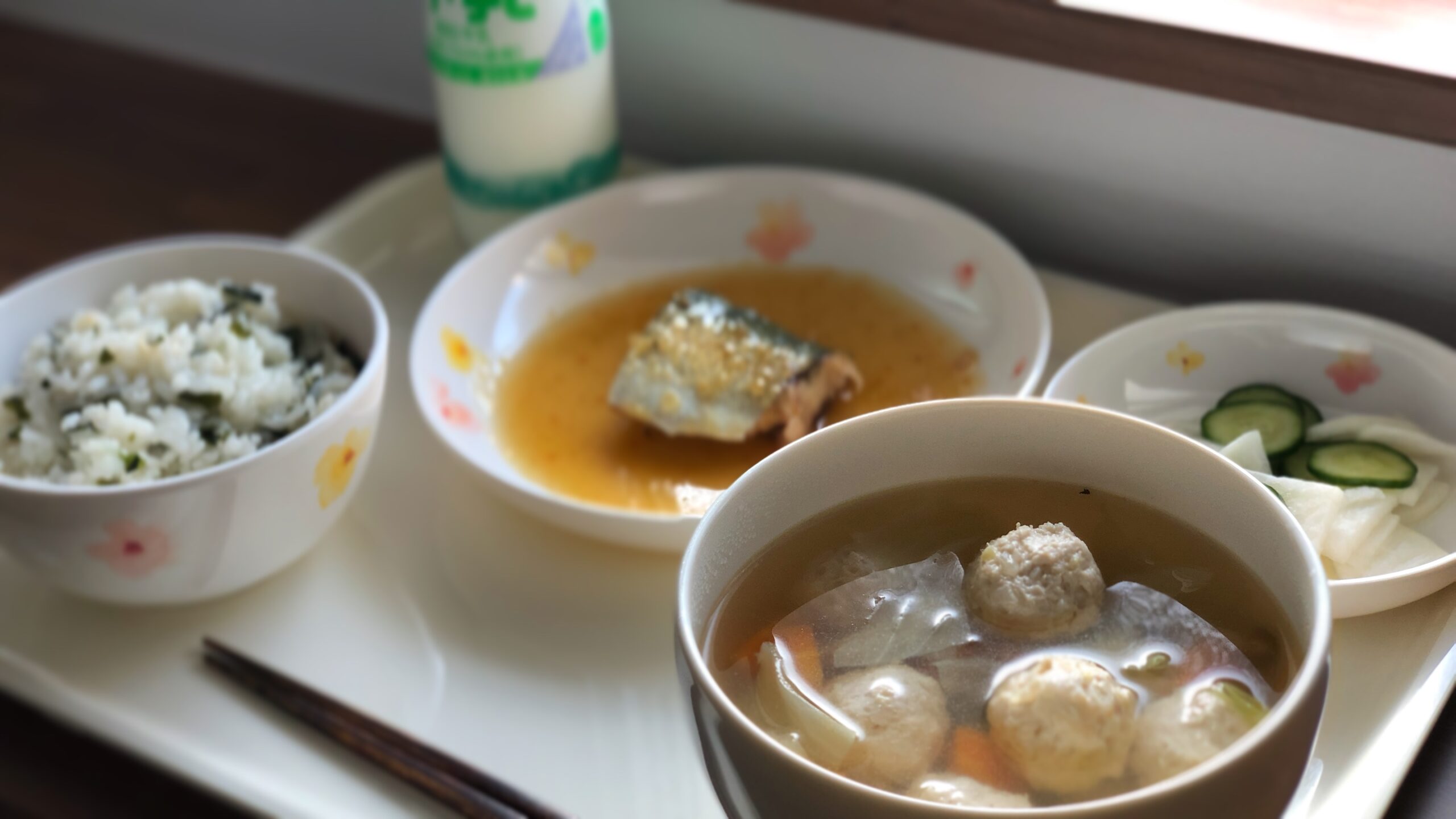
At precisely noon each day, a small carton of milk, a steaming bowl of rice and a perfectly portioned side of fish arrive on every desk in my kids’ classroom. There’s no packed lunch from home, no chatter and no choice. This is kyushoku (Japan’s beloved school lunch system), and for many foreign families, it’s a cultural experience that takes some getting used to. When my Kiwi-born child started second grade in Japan, this daily ritual quickly became one of our biggest challenges as we learned to adjust to Japan’s school lunches.
I’d expected the language barrier to be hard. I didn’t expect lunch to be harder.
From Lunchboxes To Kyushoku
 © Photo by Pixta: akira
In Japan, kyushoku is not just a meal. It is considered part of the curriculum, teaching children about nutrition, teamwork, etiquette and respect for food. Students take turns serving their classmates, eat the same dishes together and clean up afterward in the name of equality and community. It is a beautiful concept in theory and in practice, but for newcomers, it can be overwhelming.
Back home in New Zealand, lunchtime was a relaxed and social affair. We would take our lunchboxes outside, sit in groups and talk during the break. Teachers encouraged healthy food choices with rules against lollies and chips, but every child brought something different and the occasional quiet sandwich-for-home-baking trade was practically a rite of passage. If you did not finish all your lunch, that was your choice and your lesson to learn later.
Lunchtime in a Japanese classroom could not have been more different. Every student eats the same meal at their desk. There is no talking, a rule introduced during COVID-19 that still lingers in many schools. The result is a quiet, almost ritualistic meal where the only sounds are thirty-five children chewing, slurping and sipping milk in unison. For a child with sensory sensitivities, this was overwhelming. The combination of silence and the sounds of eating was difficult enough, but the food itself posed its own challenges.
Japanese school lunches are wonderfully balanced, often including rice, miso soup, a salad and a meat or fish dish, all carefully planned by a licensed dietitian. Yet for a child unaccustomed to these flavors or textures, it was a steep learning curve. The fish-heavy menus were the hardest. Tiny fried fish (shishamo) with their eyes still staring up were particularly confronting. Most days, my kid stuck to rice, bread and milk, sometimes facing a tray of food that had cooled by the time it reached the desk.
Cultural Expectations Meet Individual Needs
 © Photo by Pixta: Graphs
In Japan, finishing everything on your plate is not only polite but also a sign of respect. It is still considered a moral value. The concept of mottainai, meaning “waste nothing,” is deeply ingrained. Teachers encourage children to eat every bite, both to teach gratitude and to help them experience a wide variety of foods. It is an admirable approach, but for children who cannot finish their meals because of sensory issues or appetite loss, it can also be distressing.
During my kid’s first year, the classroom teacher was strict and followed every rule closely. Every student was expected to clear their plate with no exceptions. The pressure around lunch built up day after day and soon my kid began to dread school altogether.
The following year brought a very different experience. The new teacher was patient, kind and understanding. He encouraged tasting new foods without pressure and allowed small accommodations, such as wearing noise-canceling earmuffs to reduce sensory overload. That simple change transformed lunchtime from something stressful into something manageable.
Helping Your Kids Adjust To Japan’s School Lunch System
 © Photo by iStock: SolStock
The biggest lesson I learned was that communication matters and the sooner the better. Speaking up respectfully about your child’s needs can make a world of difference. Each teacher handles lunchtime differently. Some are flexible, while others are more traditional, but most respond well when parents communicate calmly and show appreciation for the system, explaining individual challenges.
Here are a few things that helped our family:
- Wearing Noise-canceling headphones: We discussed this with the school in advance and the teachers approved it. It allowed my kid to focus on eating instead of the sensory chaos around them.
- A doctor’s note: If your child struggles to finish meals due to medical reasons, such as a reduced appetite caused by ADHD medication, a note from a doctor can help teachers understand that it is not a matter of defiance.
- Big breakfasts and after-school snacks: For a while, my kid barely ate at school. We compensated with hearty breakfasts and snacks later in the day. Japanese schools do not have a morning tea break like in New Zealand, so this helped bridge the long gap until lunchtime.
- Preparation at home: Talking about upcoming meals, explaining ingredients, or trying similar foods in a low-pressure setting helped reduce anxiety and made new dishes seem less intimidating.
Finding Balance At The Lunch Table
 © Photo by Pixta: Fast&Slow
I have come to respect Japan’s school lunch system, not just for the nutritious and affordable meals, but also for the relief of not having to prepare lunches every morning. Although it can be difficult to adapt to at first, especially for children used to a freer and more casual eating environment, kyushoku has encouraged my child to try foods they might never have been brave enough to taste before.
It takes time, support and a great deal of understanding. If your child comes home hungry or upset about lunch, it does not mean they are ungrateful or failing to fit in. It simply means they are human and adjusting to a new rhythm. Over time, they will adapt, build resilience and even begin to enjoy parts of the experience. Mine still does not love the cold soup days, but now eats happily with the rest of the class and celebrates their favorite meals.
Every foreign parent raising children in Japan will eventually find themselves walking the line between honoring local culture and protecting their child’s well-being. So if you are sending your child off to school and worrying about lunchtime, here is my reassurance:
They will not starve, they will not fall behind and they will learn at their own pace to navigate this unique part of Japanese school life.
How did your child adjust to Japan’s school lunches? Let us know if you have any advice or experience!
Comments
Leave a Reply








Related Articles You Might Like

Japanese School Lunches: More Than Just a Meal
Fittingly for a country with its own rich traditional cuisine, Japan takes its catered elementary school lunches very seriously. More than just a meal, lunchtime...

10 Japanese Children’s Books That Celebrate Neurodiversity
Here are some books that will help you and your kid understand why some people’s brains work differently.
How To Make Your Child Fall In Love With Japanese Food
Sushi. Ramen. Onigiri. For adults, trying new Japanese foods is an exciting adventure. For children new to living in Japan, however, Japanese food might seem...

The Japanese Elementary School Event Schedule Explained
Get the school year under control with this handy vocab crib sheet.
My 2 kids loved the school lunches. As a mom I appreciated daily, healthy, in school made lunches. They often jankened for 2nds. The only thing they weren’t keen on was natto but they still ate it, as they did all that was served. I have no complaints