5 Winter Vegetables To Buy in Japan This Season
Enjoy Japan’s Cold-Weather Crops

Winter doesn’t have to mean meat and potatoes! Get to know Japan’s delicious seasonal vegetable picks for the chilliest time of year.
Money can be tight after the holiday season. When the days of fun and feasting have faded, January often brings a period of reflection and saving for the new year ahead. Happily, your food budget doesn’t have to break the bank with expensive imports (looking at you, pricey Chilean blueberries!). Alongside leaner meat and fish choices that people often switch to as they double down on New Year’s resolutions, why not fill your plate with affordable, healthy seasonal winter vegetables from Japan?
Winter vegetables may receive a bad rap for their limited variety. Indeed, although I am a big fan of root vegetables, I did tire of throwing them in the oven as a wintery side dish in Canada. However, Japan’s cold-weather specialties have quite a varied taste profile, ranging from earthy and deep to peppery and sharp. Domestically grown, full of vitamins and minerals, and plenty of “Japan-only” appeal: dig into our list below to discover five stars of fuyu (winter)!
1. Burdock Root
 © Photo by iStock: sirichai_asawalapsakul
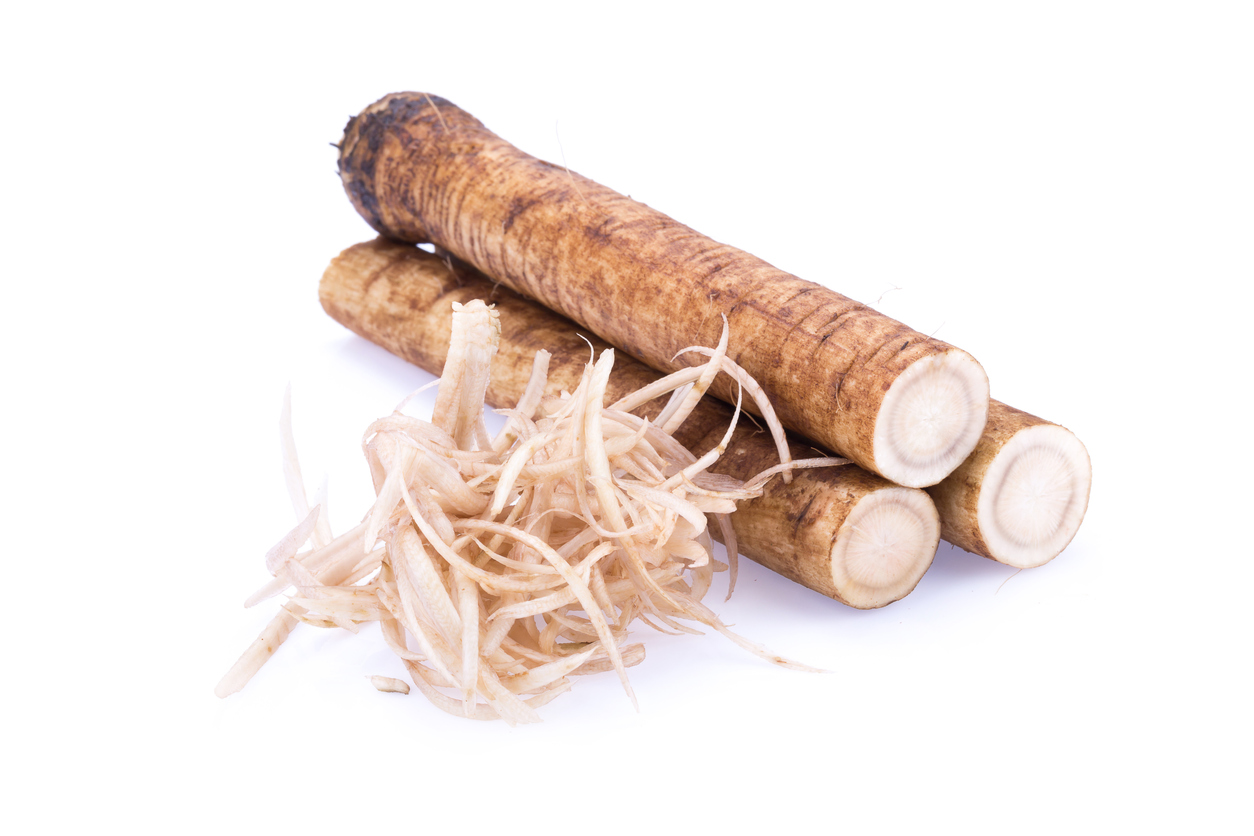
Gobo (burdock root) is a slender root vegetable that resembles a pale white tree root and grows year-round, with peak harvests in fall and winter. Burdock root is high in fiber, which helps regulate blood sugar levels, making it often eaten to aid digestion or ground into powder and sold as a dietary supplement.
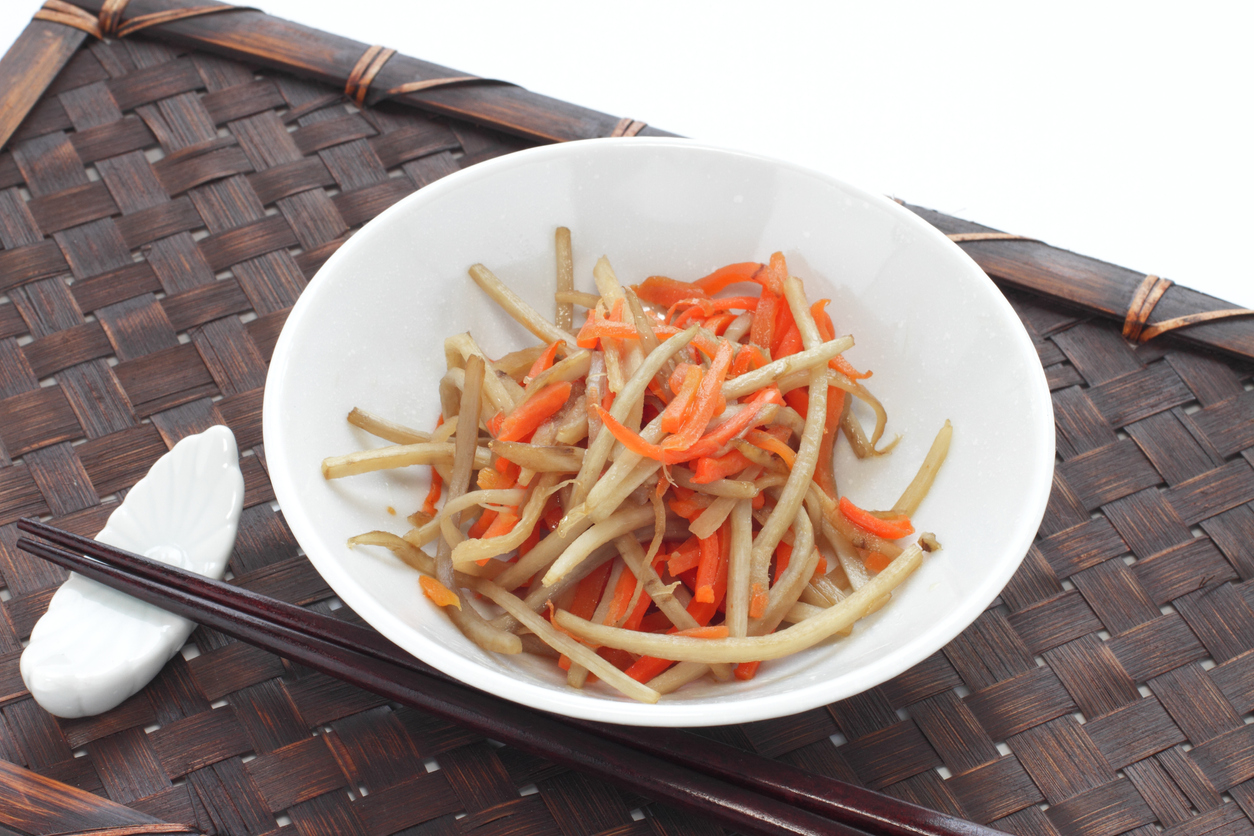
When cooking with burdock, it’s best not to peel the skin, as that is where the most nutrients are located. However, giving the root a good scrub and soaking it in cold water will help remove dirt and reduce its bitter taste. A popular recipe with burdock root is kinpira gobo, or sliced gobo with carrots and sesame, which is a staple for home cooks across Japan. Meanwhile, Hakata, Fukuoka Prefecture’s specialty, is gobo tempura-topped udon noodles, which attract long lines of hungry tourists.
2. Napa or Chinese Cabbage
 © Photo by iStock: wahid hasyim asyari
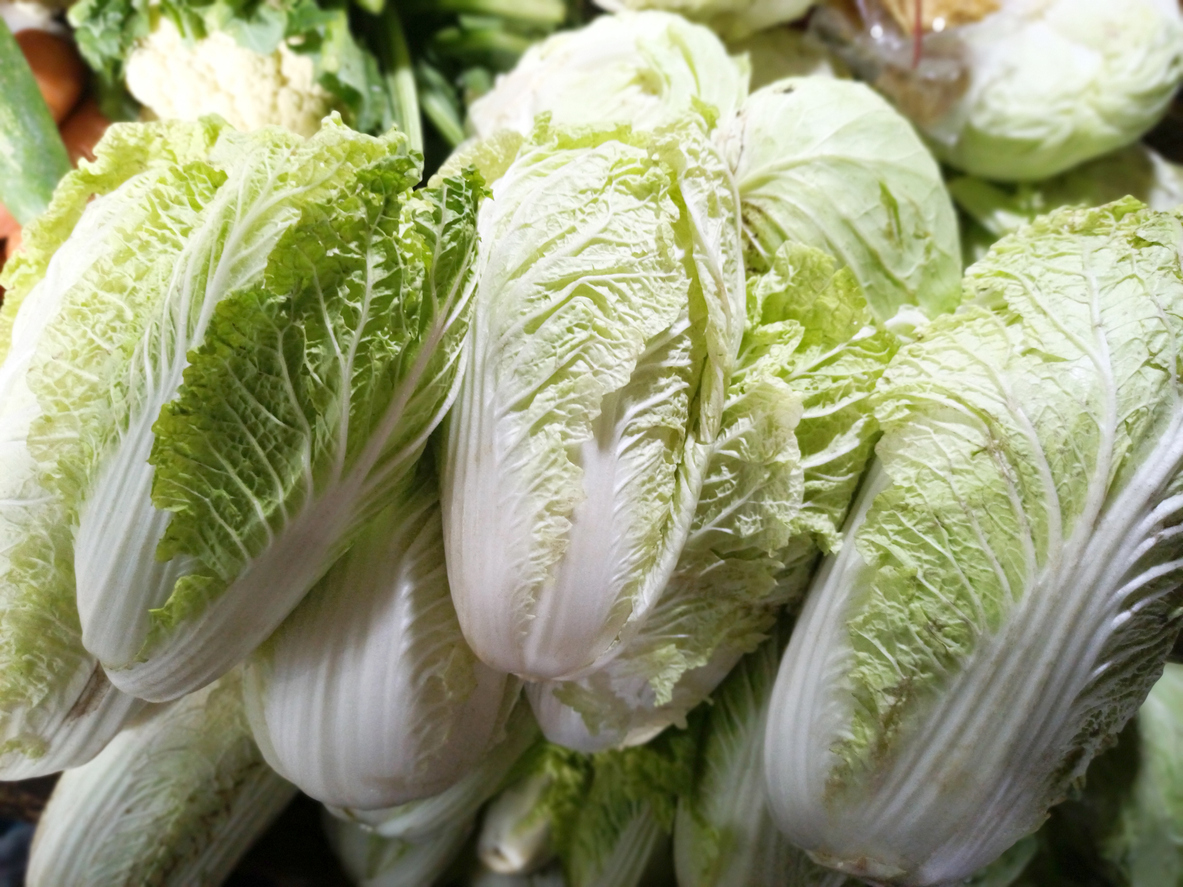
Hakusai (Napa or Chinese Cabbage), meaning “white vegetable”, is the most crucial leafy green in Japanese winter cuisine. This cabbage is widely available across Japan during the winter season, where you will often see the white-stemmed, crinkly-leafed veggie piled high at the supermarket. Napa cabbage is easy to grow and can withstand temperatures as low as zero degrees Celsius as a cold-weather crop.
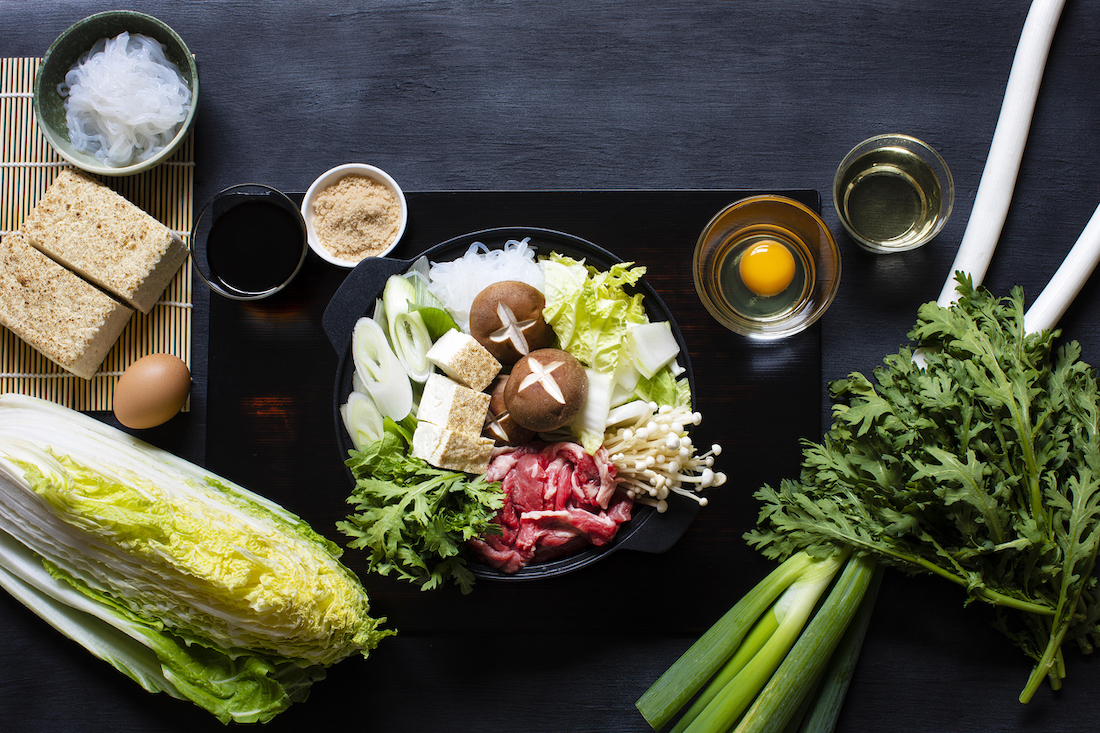
Napa cabbage has a mild, slightly sweet flavor and works well in steamed and stewed dishes such as hot pot and cabbage rolls. It also serves as the main ingredient in the kimchi sold in Japan. Napa cabbage is also low in calories, high in water content, and loaded with vitamins and antioxidants to help ward off the various colds and viruses that may come your way during the winter season.
3. Japanese Radish
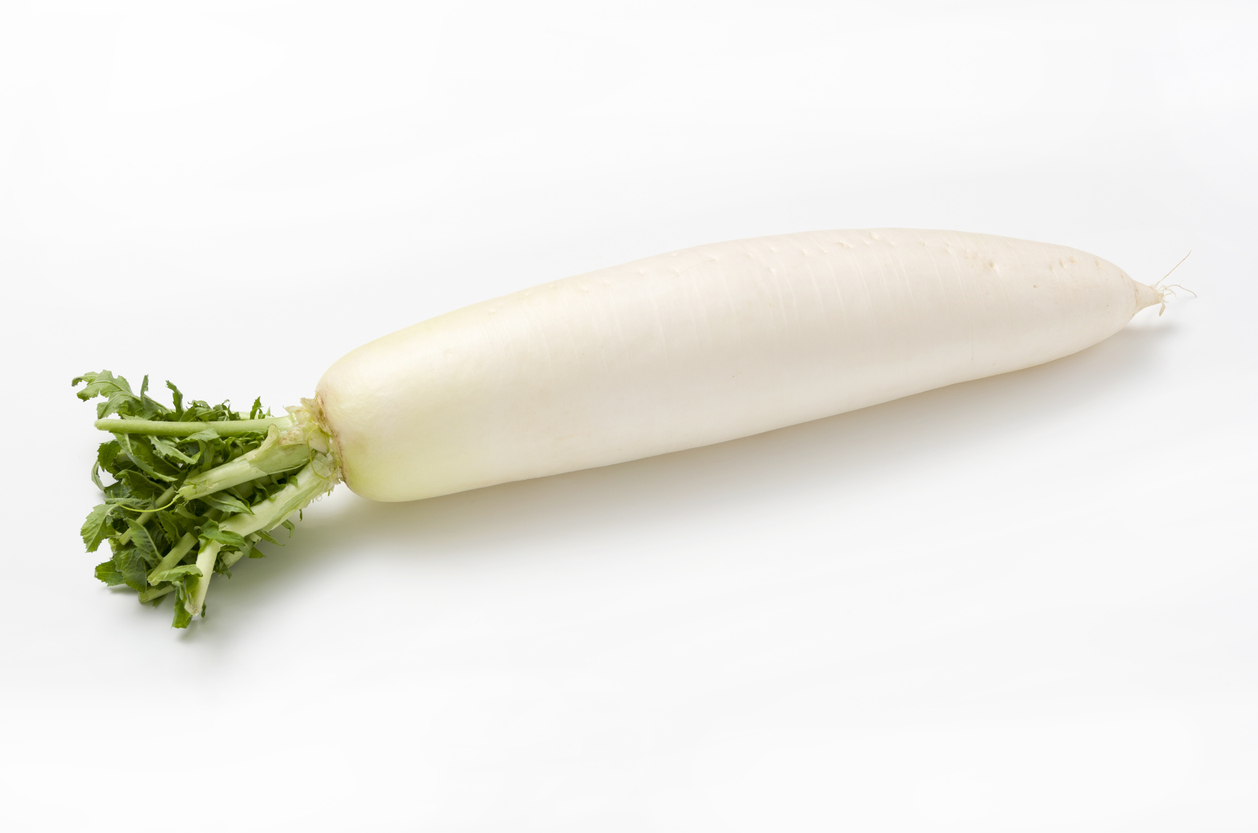 © Photo by iStock: karimitsu
No vegetable is more iconic in Japan than daikon (Japanese radish). Daikon, or literally “big root,” is commonly bright white in color and notable for its size, especially compared to small red garden radishes. There are several varieties of Japanese radish, but the largest one is Kagoshima prefecture’s Sakurajima shimadekon (island daikon in dialect), which holds a Guinness World Record for being the biggest radish in the world.
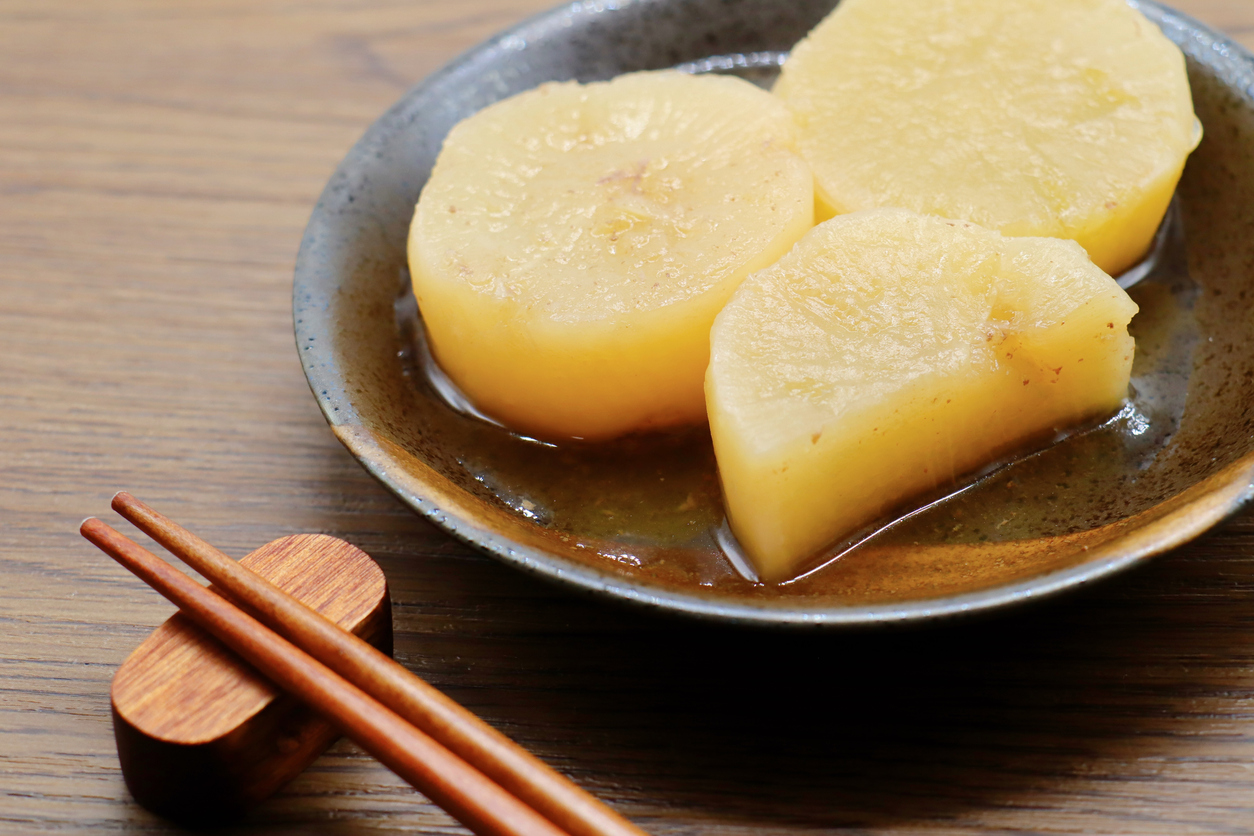
Japanese radishes have a milder taste that is less sharp and peppery than that of other radish varieties. In Japanese cuisine, people often grate daikon and serve it with dipping sauces or slice it thinly for fresh salads. During colder weather, they boil it in soy sauce or add it to stews and hot pots to bring out its natural sweetness.
4. Japanese Mustard Green
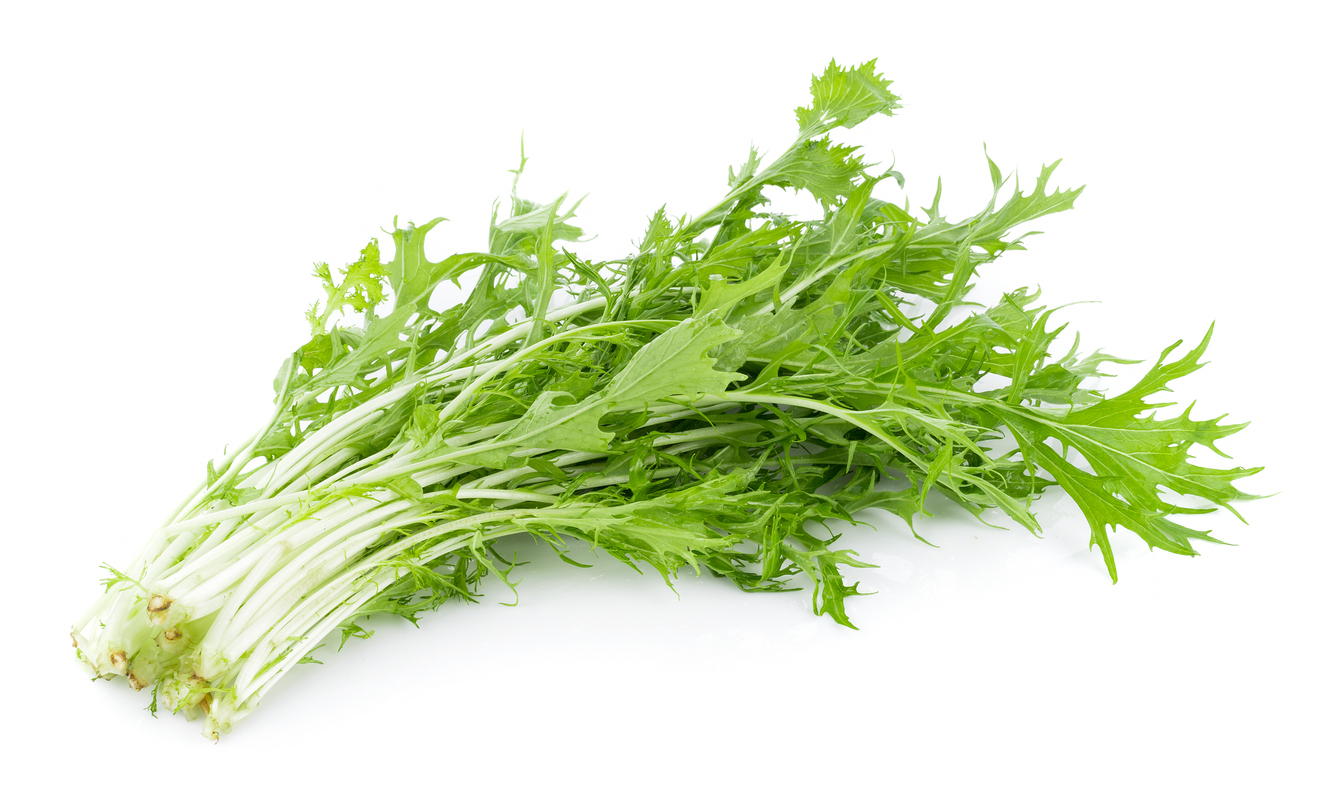 © Photo by iStock: nortongo
Mizuna (Japanese mustard greens) are winter leafy greens that grow in large white bulbs from October to March. They are prolific plants that grow quickly and are productive, with a single bulb capable of producing up to 600 leaves. Mizuna is also known as kyona because it was historically cultivated in the Kyoto region and is considered one of the few native vegetables of Japan.
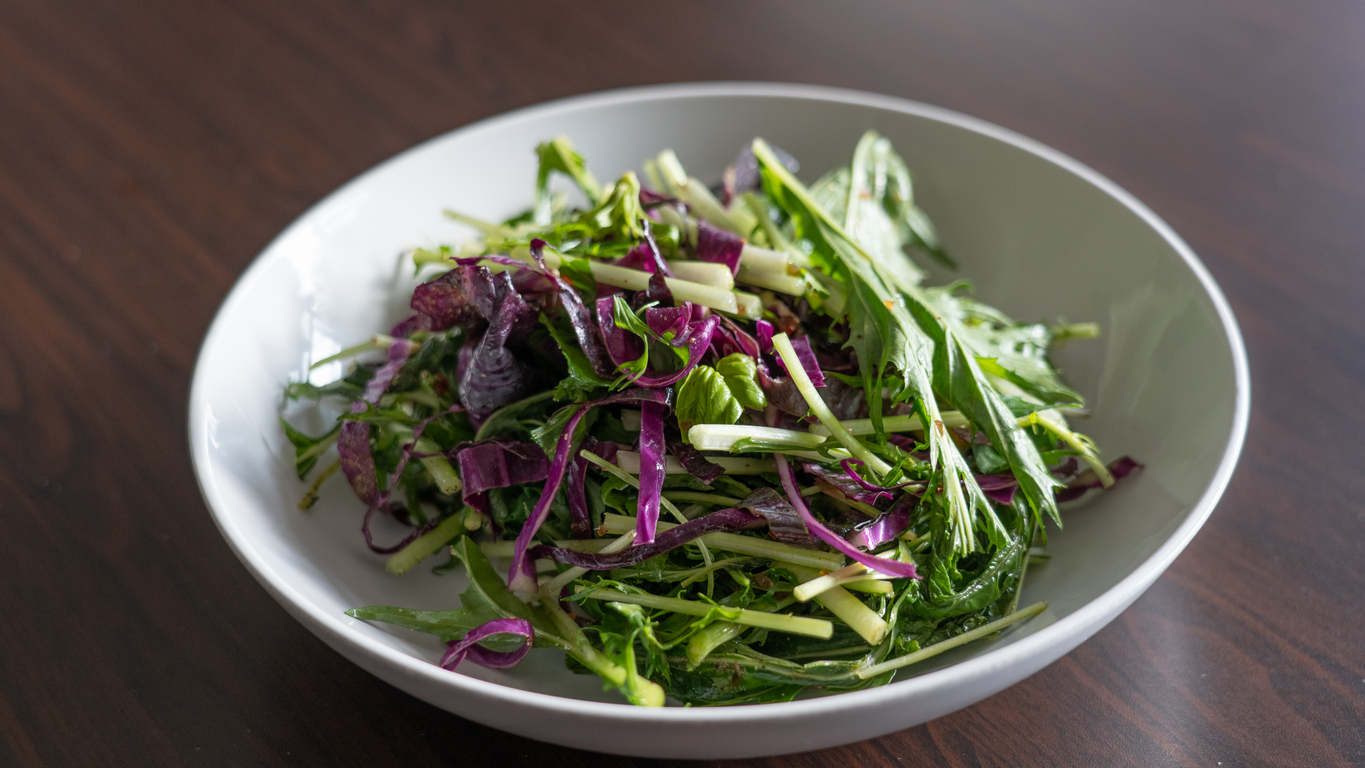
Mizuna has a peppery and mildly bitter flavor. They are commonly grown for salad mixes and can be easily paired with other greens. These mustard greens can also be sautéed in stir-fries, where they will wilt and shrink like spinach. Additionally, mizuna is a popular last-minute addition to stews and hot pots, such as nabe yaki udon (hot pot udon noodles).
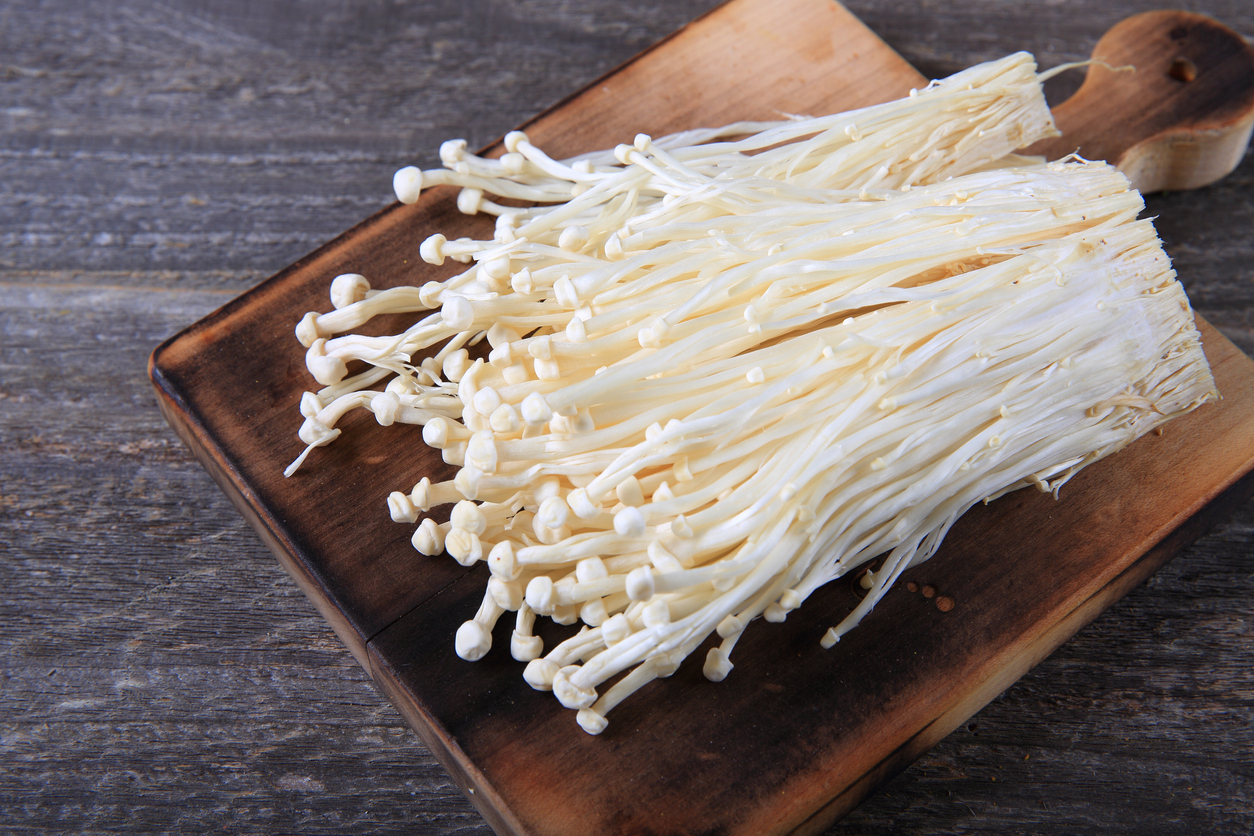
5. Enoki Mushrooms
 © Photo by iStock: 4nadia
Enokitake (enoki mushrooms) are white, thin, tendril-like mushrooms that naturally grow on tree logs from late fall to early spring. The roots of the mushroom are grown interconnected and produce small bundles, which are then cut and sold to supermarkets. When storing them at home, remove them from any plastic packaging and place them in the crisper to avoid spoilage.
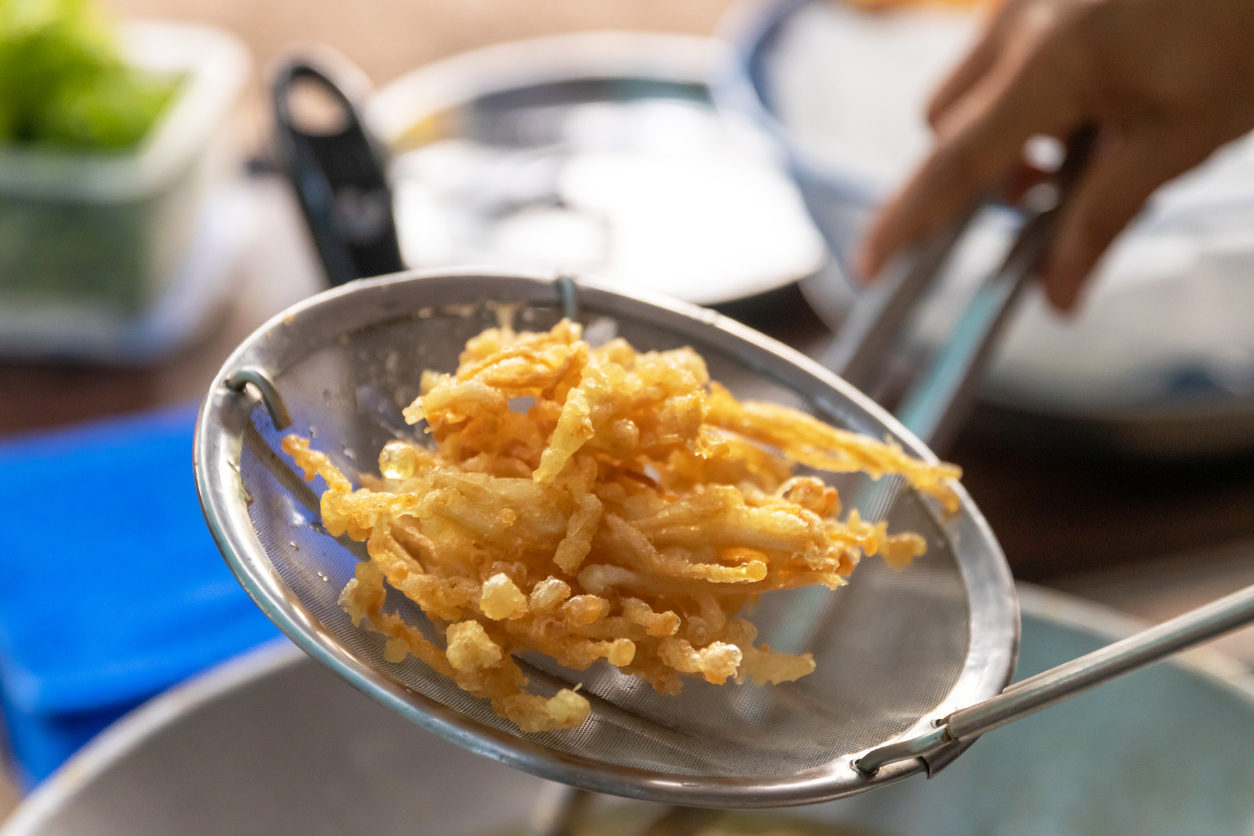
Enoki mushrooms have an earthy and slightly nutty flavor that will add depth to your cooking. Like other mushrooms in Japan, enoki is used in a variety of dishes, ranging from soups and stews to stir-fries. They are even popular deep-fried as an appetizer or snack while drinking. For an easy meal, try making takikomi gohan (Japanese mixed rice), where you cook enoki mushrooms with rice in the rice cooker.
So, get your nabe (hot pots) bubbling and try out these five winter vegetables in Japan! And, if you want them all to share the same hot pot, why not give it a go? Just make sure only to add your mizuna at the very last minute to preserve its delicate flavor and texture.









Related Articles You Might Like
From Baths to Tea: 5 Ways to Use Yuzu to Survive Winter in Japan
In Japan, the citrus fruit yuzu brings a burst of brightness that cuts through the longest night of the year: the winter solstice.
By Rika Hoffman

5 Coat Trends To Keep You Chic & Cozy in Tokyo This Winter
Winter has officially arrived and Tokyo is wrapping itself in outerwear that’s warm, stylish and full of character. Here’s what’s trending.

Planting the Seeds of Your Spring Garden in Japan
It’s never too early to start organizing and planting seeds for a vibrant balcony garden come spring. No urban patio is too small to house...

8 Japanese Beauty Secrets You Can Start Using Right Now
From daily practices to essential beauty items, here are a few secrets that have kept the women of Japan feeling youthful, toned and beautiful from...
By Emi Schemmer
Leave a Reply