Key Family Policy Changes in Japan in 2026
What you need to know about Japan’s new childbirth, childcare and education support in 2026

Japan’s 2026 family policy changes include free childbirth, expanded childcare, new child support rules and tuition subsidies. See how they affect your household.
With the number of babies dropping each year, the Japanese government is rolling out one of its most ambitious rounds of family support in years. Starting in 2026, Japan is introducing new family support policies that cover childbirth and childcare, education and post-divorce support. Here’s what to expect with the new key family policy changes in Japan.
Free Childbirth for Standard Deliveries
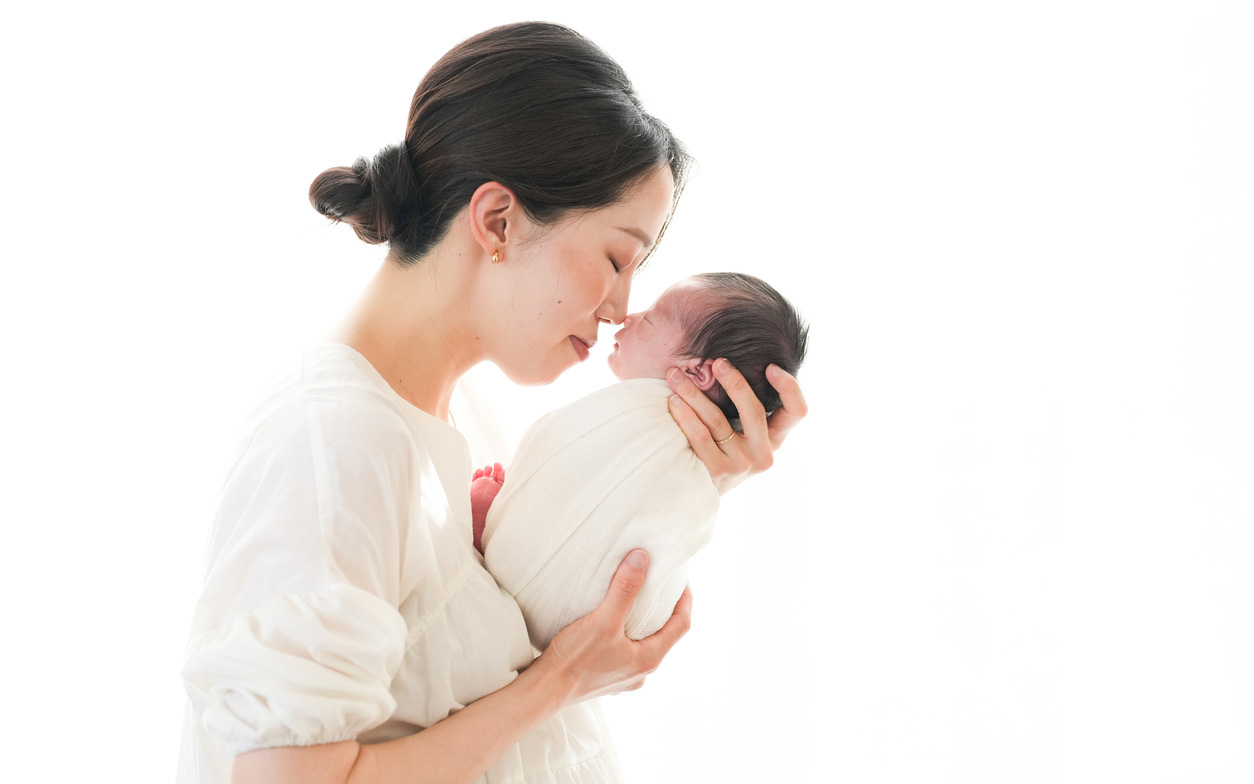
One of the key family policy changes in Japan is the plan to eliminate out-of-pocket costs for standard childbirth. Currently, normal deliveries are not covered by national health insurance. Instead, parents receive a lump-sum childbirth and childcare allowance of ¥500,000, which often does not cover the entire cost of delivery. The national average has climbed from around ¥417,000 in 2012 to more than ¥518,000 in 2024 and in Tokyo, costs are as high as ¥625,000.
From fiscal year 2026, the government aims to make standard childbirth effectively free, either by covering normal deliveries under public health insurance with no co-payment or by increasing the allowance to match typical costs. Caesarean sections and other specialized procedures, which are already partially insured, will continue to require the usual 30 percent co-payment.
While details such as epidurals and private rooms are still under review, the goal is straightforward: to remove one of the largest upfront expenses of becoming a parent in Japan.
New Child & Child-rearing Support Contribution
From April 2026, families will notice a small new addition to their health insurance premiums: the Child and Child-rearing Support Contribution (子ども 子育て支援金制度). The funds will go toward expanding child allowances, pregnancy and childbirth grants and broader childcare programs.
The fee will be collected from all health insurance subscribers, including people without children. Government estimates put the average cost at around ¥250 to ¥450 per person per month (roughly ¥3,000 to ¥5,400 per year), though the exact amount will vary based on income and insurance type. If you work for a company, the cost will be shared with your employer, much like your existing social insurance payments.
Childcare for All Children
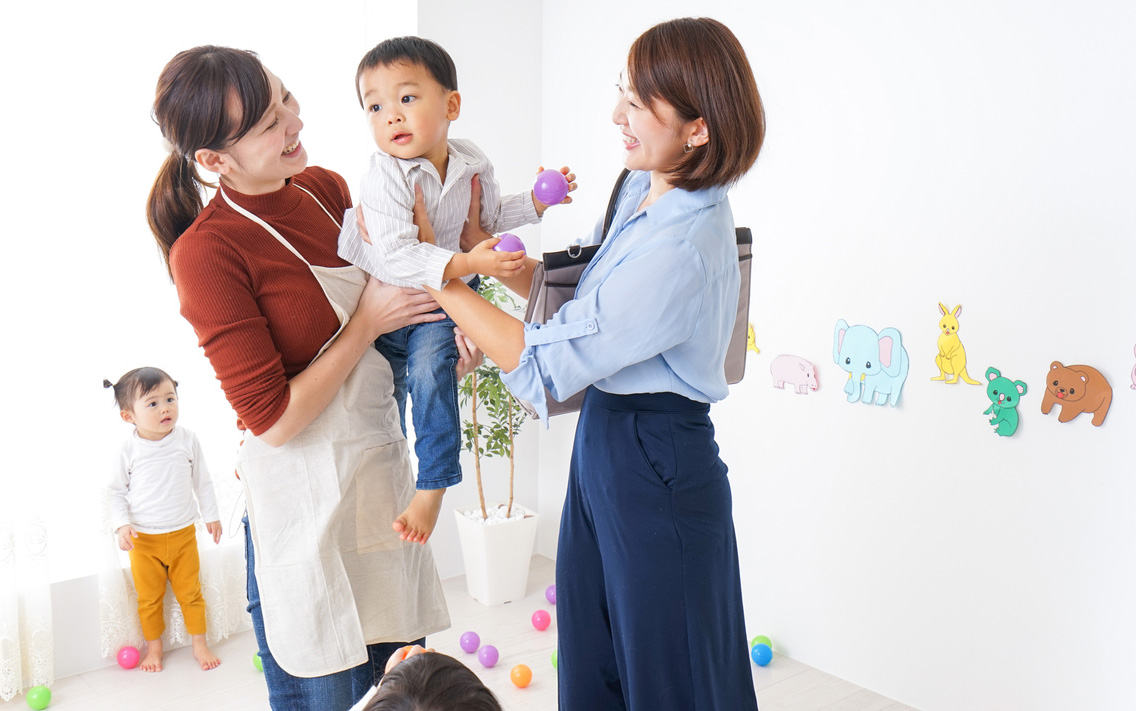
Starting in April 2026, Japan will roll out the “Childcare for All Children” program (こども誰でも通園制度) nationwide, expanding access to childcare for more families.
Until now, getting a spot at a licensed daycare usually meant parents had to prove a “need for childcare,” often by working full-time. This left many stay-at-home parents, freelancers, part-timers and job-seeking families struggling to access childcare, especially for children under two. Under the new system, that requirement will be removed. Infants and toddlers aged six months to two years will be able to attend daycare for up to 10 hours per month, regardless of their parents’ employment status.
Families will have more flexible childcare choices, from short-term and hourly care to local, community-based support. Rates are expected to be around ¥275 to ¥300 per hour, though the exact cost and availability will depend on your area. All certified providers will also offer some form of flexible access under the new system.
Joint Parental Custody After Divorce
From April 2026, Japan will introduce joint parental custody, marking a major shift in the country’s divorce and custody laws.
Until now, Japan only recognized sole custody, meaning one parent kept full legal authority (shinken), while the other had limited say in major decisions. Under the revised Civil Code, parents will be able to choose either joint or sole custody. With joint custody, both parents must agree on big decisions like schooling, moving house or significant medical care, while day-to-day matters stay with the parent the child lives with. If there are concerns about domestic violence or abuse, the court will award sole custody instead.
At the same time, Japan will roll out a new child support system to address unpaid support.
From April 2026:
- A minimum payment of ¥20,000 per child per month can be claimed
- This applies even without a formal agreement at the time of divorce
- Courts can seize wages or assets to recover unpaid support, up to ¥80,000 per child per month
One-time ¥20,000 Support Payment
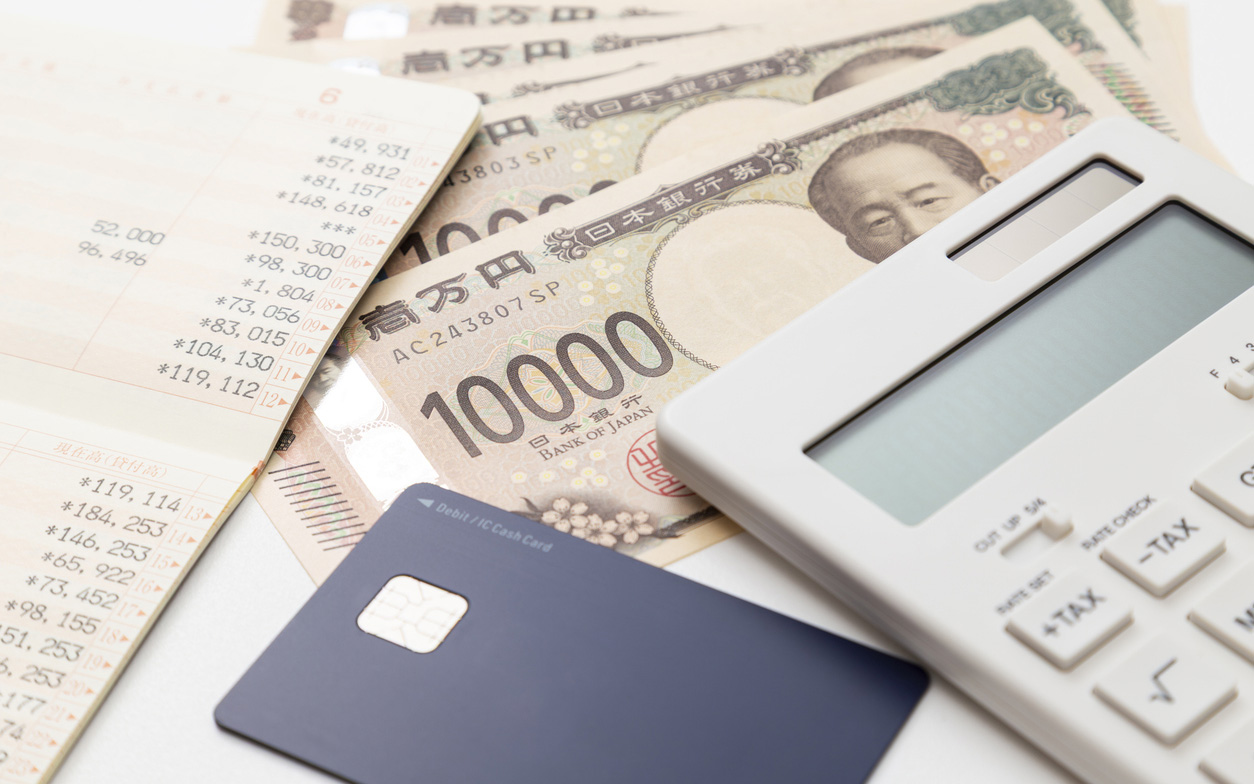
Families will also get a small financial boost: a one-time ¥20,000 Child-rearing Support Allowance per child. Unlike regular benefits, this is meant as short-term help rather than ongoing support.
If you’re already receiving the standard child allowance, you’re automatically eligible, with no income limits to worry about. The payment covers kids aged 0 to 18 and will be sent to the same bank account you use for your current child allowance. Most families can expect it to arrive between February and March 2026.
Private High School Tuition Assistance
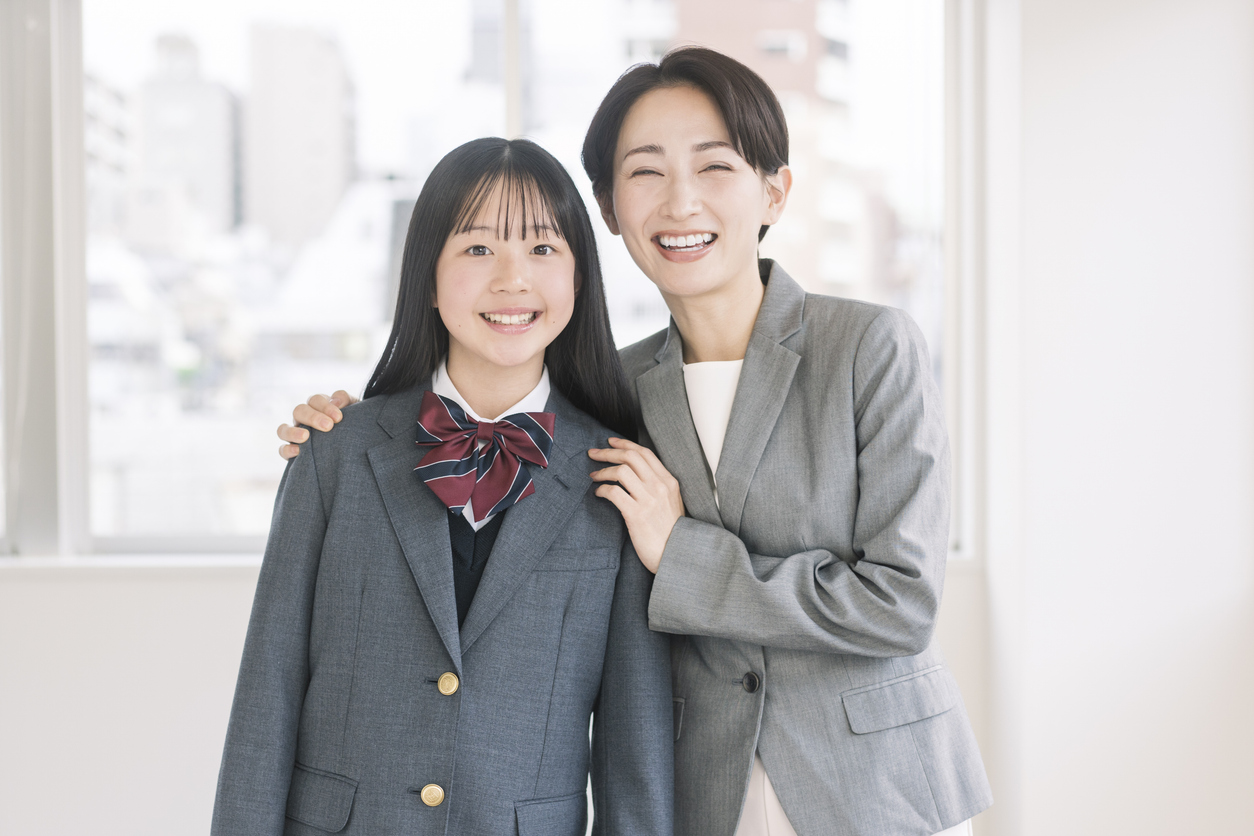
Education costs are also set to ease for many families, especially those considering private high schools. From April 2026, the government will scrap the income cap on private high school tuition subsidies. In the past, support depended on household earnings, which meant many middle-income families missed out or received very little. Under the new rules, all eligible households can get up to ¥457,000 per year per student.
Unfortunately, the subsidy only applies to tuition. Things like entrance fees, uniforms, tablets or laptops and school trips are still paid out of pocket.
Pension Premium Exemption for Self-employed Parents
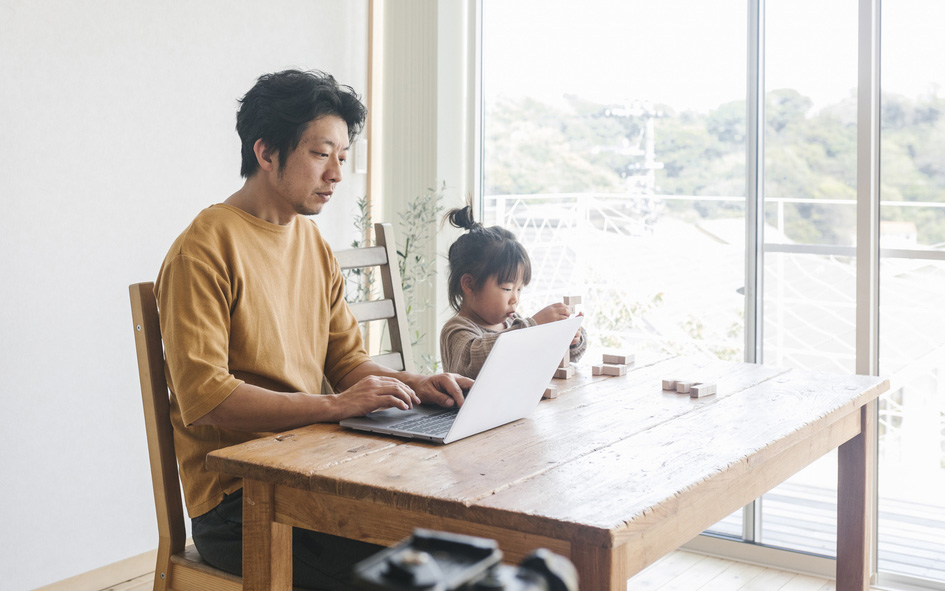
For self-employed parents, taking time off after having a baby can be financially tough. Unlike salaried workers, freelancers and small business owners still have to pay their full National Pension premiums. From October 2026, that changes. Type 1 insured parents will be exempt from paying National Pension premiums until their child turns one. With monthly premiums currently around ¥16,000 to ¥17,000, that could mean savings of ¥190,000 to ¥200,000 over the first year.
What do you think of the key family policy changes in Japan? Let us know in the comments!







Related Articles You Might Like
Car Seat Safety in Japan: A Savvy Guide to Car Seats and Booster Seats
What Japan’s car seat laws actually require and what safety experts recommend for families on the road.
By Kerri King
Celebrating Valentine’s Day in Japan for Couples with Kids
February 14 may be synonymous with romance but who says you can’t express a different kind of love with your family too? Read on to...
Flu Season in Japan: What to Do, When to See a Doctor and Emergency Care Options
A parent’s guide to handling influenza while traveling in Japan, from hotel care to emergency rooms.
By Kerri King
10 Fun Family Activities for Winter in Japan
Winter in Japan may be long and cold but that doesn’t mean your family won’t survive. Bundle up, get cozy and try these fun activities...
Leave a Reply