Epidurals in Japan: The Growing Support For Pain Relief During Labour
What Tokyo’s New Subsidy Means For Your Birth Choices

Epidural access in Japan is slowly improving. Here’s how to find hospitals that offer pain relief.
Early this year, the Tokyo Metropolitan Government announced a subsidy of up to ¥100,000 to help cover the cost of epidural deliveries, which took effect on October 1, 2025. It marks the first time a major local government has acknowledged that pain relief during labour deserves real, practical support. That may seem routine in countries like the U.S. or Australia, but in Japan, epidurals have long taken a back seat in maternal care.
Seen for years as unnecessary, expensive or challenging to get, epidurals have remained out of reach for many women in Japan. But that perception is changing. As more women share their birth stories, support for better access to pain relief in labour continues to grow.
The Reality Of Pain Relief During Childbirth in Japan
 © Photo by iStock: PonyWang
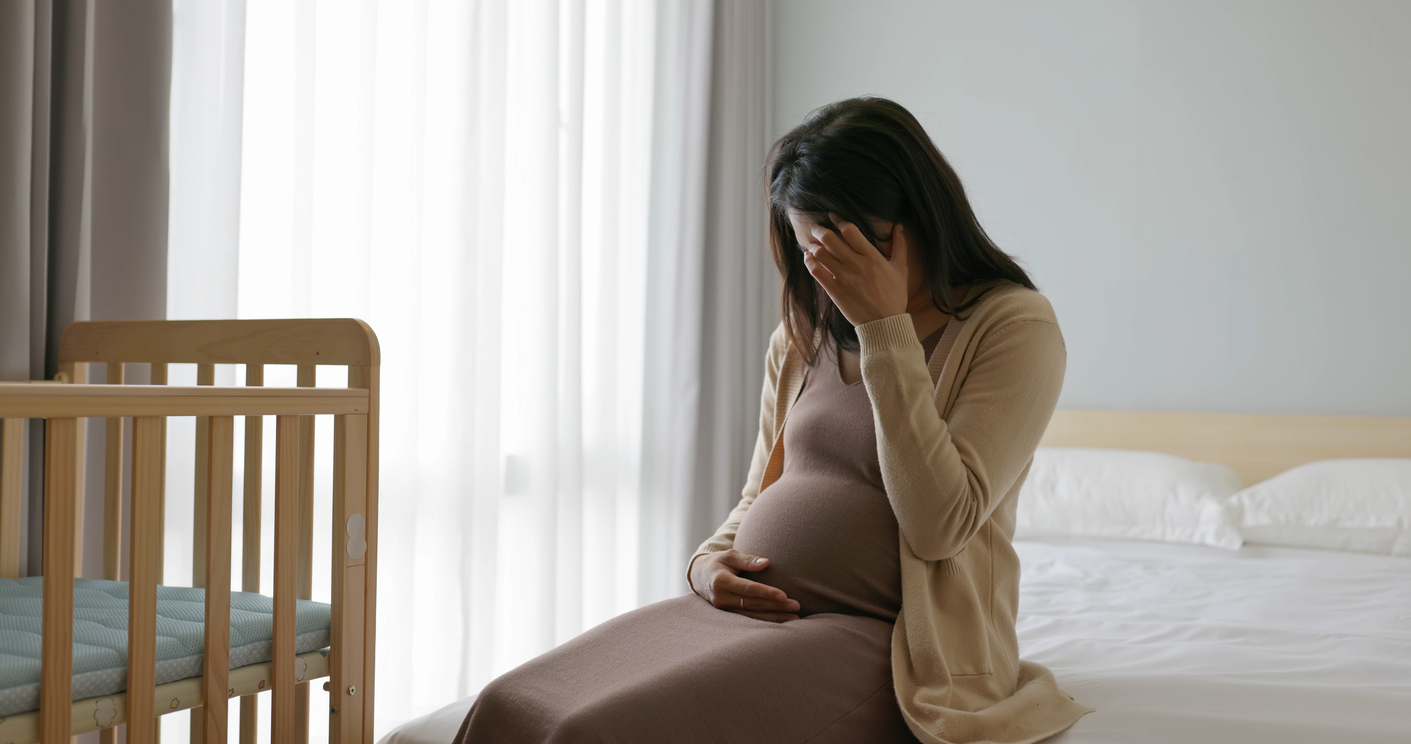
Ideas about “natural birth,” endurance and ganbaru (pushing through difficulty without complaint) have long shaped expectations around labor in Japan. Many women grew up hearing that pain was simply part of becoming a mother, making pain relief seem unnecessary or even indulgent. These attitudes didn’t appear overnight; they were passed down through families, echoed in maternity classes and normalized within hospital culture.
As a result, 硬膜外麻酔 (koumakugai masui; “epidural anesthesia”) rates in Japan remain far lower than in many Western countries. In 2018, only about five percent of births involved an epidural. As conversations around pain relief grow and expectations slowly shift, that number is rising. By 2024, the Japan Association of Obstetricians and Gynecologists reported usage had reached just under 14 percent. It’s a noticeable shift, though still well below the 70 to 80 percent reported in countries such as the U.K. and the U.S.
However, cultural attitudes are only one part of the story. Despite growing interest, the availability of epidural services in Japan is still limited. A national review found that out of more than 2,300 hospitals and clinics offering maternity care, only about 720 listed epidural services as an option. Even then, some hospitals could provide them only during daytime hours or when an anesthesiologist was on duty.
How Tokyo Is Expanding Access To Epidurals
 © Photo by iStock: Beano5
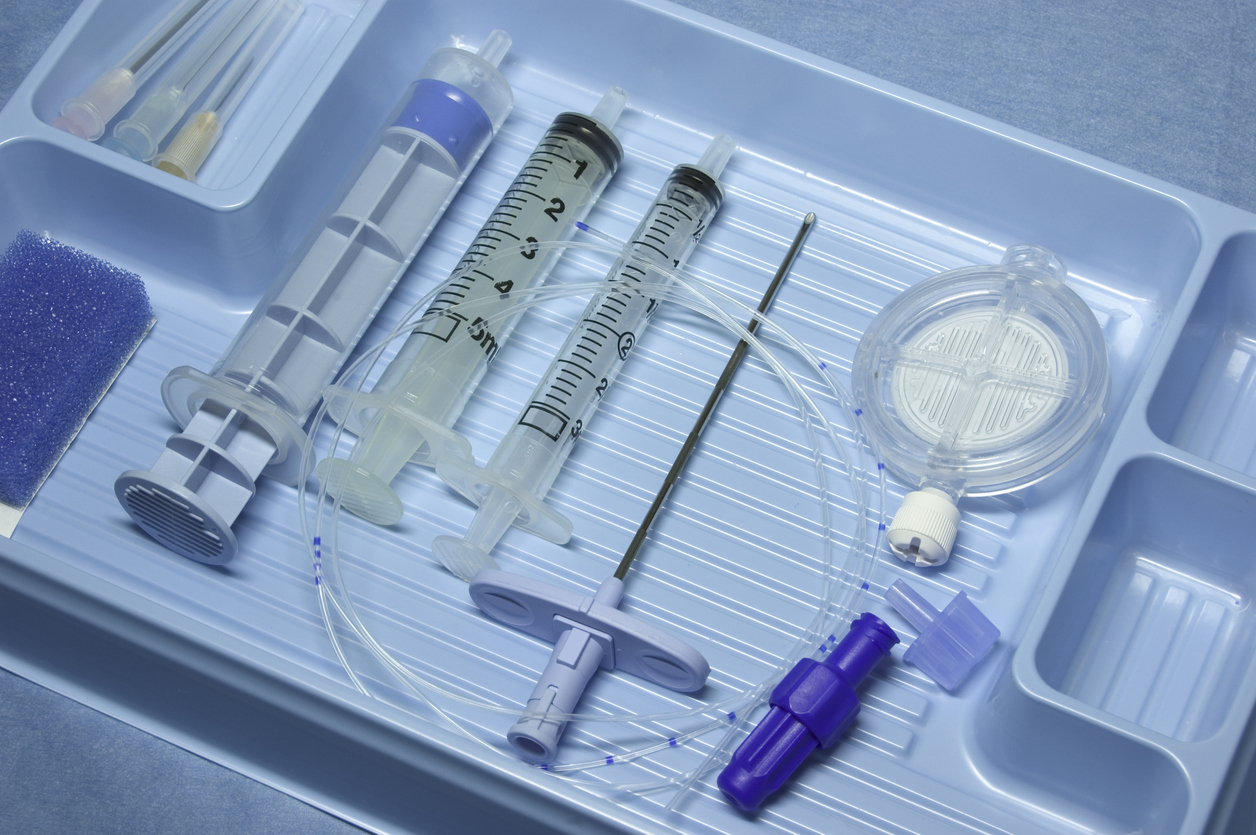
Tokyo’s new subsidy is simple but meaningful. From October 1, 2025, residents who give birth at an approved hospital can claim up to ¥100,000 toward the cost of 無痛分娩 (mutsū bunben; “painless childbirth”) with the epidural procedure and anesthetic drugs.
To be eligible, you must:
- Have registered your pregnancy with the local government in Tokyo and remain registered in Tokyo until you apply for the subsidy
- Deliver at a 対象医療機関 (taishō iryō kikan; “approved medical institution”) published by the Tokyo Metropolitan Government
- Receive epidural or combined spinal–epidural labor analgesia
- Apply for the subsidy within one year of the delivery date.
Applications can be submitted via the Tokyo Welfare Bureau’s online form.
What Expectant Parents Should Know
 © Photo by iStock: NataliaDeriabina
If you’re considering pain relief during labour in Japan, the most important thing is to ask early. Not every hospital offers epidurals, and even those that do may only provide them during certain hours.
How To Ask Your Doctor Or Clinic
Keep it simple and direct. You can say:
- 無痛分娩はできますか (mutsu bunben wa dekimasu ka; “Do you offer painless delivery?”)
- 硬膜外麻酔は使えますか (komakugai masui wa tsukaemasu ka; “Do you provide epidurals?”)
- 夜間や週末も対応できますか (yakan ya shumatsu mo taio dekimasu ka; “Is it available at night or on weekends?”)
- 追加料金はいくらですか (tsuika ryokin wa ikura desu ka; “How much is the additional cost?”)
These phrases will help you find out what’s available at your hospital or clinic.
How to Find a Hospital That Offers Epidurals
In Tokyo
Start by checking whether your hospital is listed as an approved medical institution on the Tokyo Metropolitan Government’s official website. These are the only facilities where you can receive the ¥100,000 epidural subsidy.
You can also ask your clinic directly. Many will display a notice stating 当院は対象医療機関です (toin wa taisho iryo kikan desu; “This hospital is an approved facility”).
Across Japan
Availability varies widely, so here are a few tips.
- University hospitals and larger perinatal centers are your best bet.
- Private clinics in major cities like Osaka, Nagoya, Fukuoka and Yokohama increasingly offer painless deliveries.
- In regional or rural areas, options may be limited, so it’s best to start researching early in pregnancy.
- Always ask about staffing hours, because many hospitals can only offer epidurals when an anesthesiologist is present.
Cost of Epidurals in Japan
For most people outside Tokyo, epidurals are not covered by National Health Insurance, unless they become medically necessary, such as during an emergency c-section. The typical additional fee ranges from ¥100,000 to ¥150,000, depending on the hospital.
A Quiet Shift in Japan’s Birth Culture
 © Photo by iStock: Yusuke Ide
Pain relief during childbirth is slowly becoming a more visible and supported part of maternal care in Japan. Tokyo’s new subsidy won’t fix every challenge overnight, but it signals a fundamental shift. More parents are talking openly about their birth experiences, more hospitals are exploring how to expand services and the national conversation around labour pain is beginning to soften.
At the heart of all this is choice. You deserve to understand your options, ask questions and feel heard throughout your pregnancy and birth. Whether an epidural becomes part of your plan or you choose another path, what matters most is feeling informed, respected and supported as you welcome your baby into the world.
Feel free to share your birthing experience in our comment section! We’d appreciate you sharing it.








Related Articles You Might Like
Baby Naming As An International Family in Japan
Whether you are looking for a Japanese name, an international name, or one from your home culture, read on for helpful strategies to bestow the...
10 Pointers For Choosing A Birth Facility in Japan
10 Savvy tips for choosing the best way and place to give birth in Japan—and stay calm throughout the process.

Counting The Yen: Cost Of Giving Birth in Japan
Considering having a baby, but unsure of the costs? Here, we bring you a vital summary of information about likely costs, as well as available...

Dealing With Postpartum Depression in Japan
Worldwide, postpartum depression is documented to occur in more than 10% of moms, and can affect dads too. Yet, a lack of understanding and the...
Leave a Reply