Sanae Takaichi: What Japan’s First Female PM’s Leadership Means For Women & Families
Will her policies match the moment?

Sanae Takaichi, Japan’s first female prime minister, faces high expectations to reform gender equality, family policy and immigration. Here’s what her leadership could mean.
On October 21, 2025, Japan made history. Sanae Takaichi was sworn in as the country’s first female prime minister after winning leadership of the ruling Liberal Democratic Party (LDP). Her rise breaks a barrier that has stood for more than a century in Japanese politics, yet she steps into the role at a turbulent moment. Takaichi now leads a fragile minority government facing inflation, labor shortages and growing public frustration with inequality, childcare access and immigration.
Personal Background
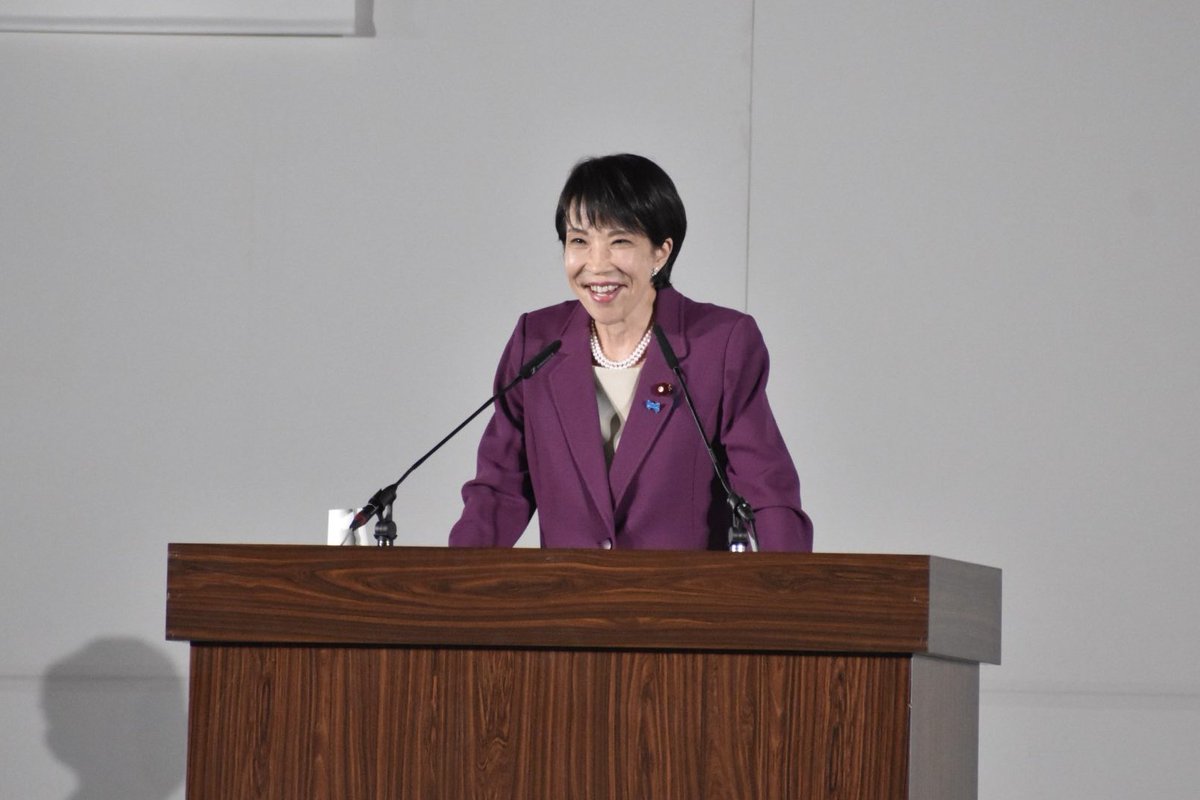 © Photo by Wiki Commons: 依田奏
Sanae Takaichi was born in 1961 in Nara Prefecture. Her father worked in the automotive industry and her mother was part of the Nara Prefectural Police. In 2004, she married fellow politician Taku Yamamoto. The couple divorced in 2017 but remarried in 2021, with Yamamoto taking her surname—an uncommon choice in Japan.
While Takaichi has no biological children, she adopted her husband’s three children from his previous marriage and is now a stepmother and grandmother. She is rarely seen speaking publicly about her family and seems to keep her private life separate from her career.
Political Background & Ideology
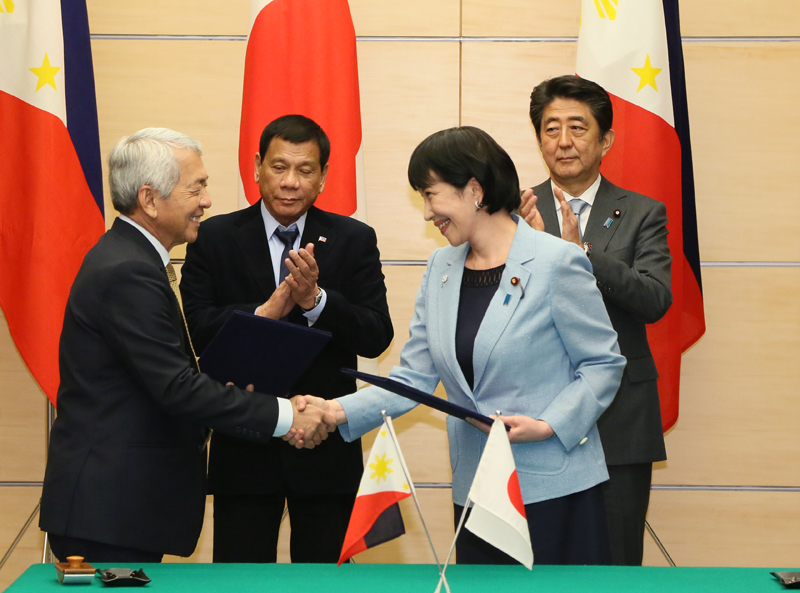 © Photo by Wiki Commons: 首相官邸
Takaichi first entered parliament back in 1993 and has since become one of the most seasoned figures in the ruling LDP. Over the years, she’s held some of the party’s biggest portfolios, serving as Minister for Internal Affairs and Communications under the conservative late prime minister Shinzo Abe and later as Minister for Economic Security under Fumio Kishida.
She’s long been seen as part of the LDP’s right wing and one of Abe’s closest political allies. Her worldview mirrors his:
- Loyalty to tradition
- Pride in national identity
- A belief that Japan’s strength abroad depends on restoring confidence at home
Her Main Policy Priorities
 © Photo by iStock: justhavealook
Takaichi’s game plan mixes a focus on jump-starting the economy and strengthening Japan’s security with some pretty traditional social values.
Economics
Economically, she has promised to lift Japan out of its long slump through what she calls “crisis-management investment,” a plan for large-scale government spending on key sectors such as semiconductors, AI and green energy. She has also proposed wage incentives and temporary tax breaks for households and small businesses.
Social Issues
When it comes to social issues, Takaichi keeps things pretty traditional. She often talks about Japan’s future in terms of “strong families,” where stable jobs, marriage and children form the backbone of society. She’s supportive of parents and childcare access, but mostly within the same old frameworks rather than through big new reforms. Critics say that approach feels like trying to preserve the past instead of reflecting how modern families actually live and work.
Security
On security, Takaichi has made it clear she wants Japan to stand taller in a tense region. She supports revising Article 9 of the Constitution to officially recognize the Self-Defense Forces, increasing defense spending and deepening ties with the United States.
What Her Leadership Symbolizes VS Her Actual Track Record
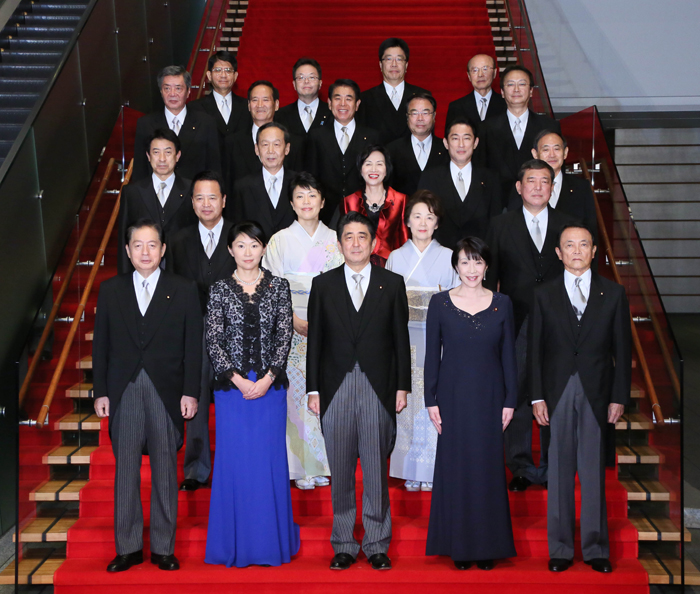 © Photo by Wiki Commons: 内閣官房内閣広報室
Takaichi’s election is historic. Her rise to the highest seat of power challenges long-standing gender barriers in politics. In a country where women hold fewer than 20 percent of seats in the Diet, her leadership sends a clear signal that the glass ceiling can, at least, crack.
The symbolism, though, only goes so far. Takaichi has built her career on conservative values that often clash with modern ideas of gender equality. She has opposed allowing married couples to keep separate surnames, a reform many women see as a basic right. She has rejected same-sex marriage and defended the male-only Imperial succession system as vital to preserving Japan’s traditions.
During her leadership campaign, she pledged to raise the number of women in cabinet to “Nordic levels,” but was quick to add that she would not appoint women just to fill quotas. Her critics say this careful approach shows she’s still hesitant to take on the deeper problems that keep Japanese women from moving up in politics and at work.
What Her Leadership Could Mean for Working Women, Parents & Foreigners
 © Photo by iStock: LeoPatrizi
For working women and parents, Takaichi’s plans so far suggest small, practical steps rather than sweeping reform. She has talked about tax deductions for childcare costs and incentives for companies that build in-house daycare facilities. These ideas could make daily life a little easier for parents, but they do not tackle the bigger issues like long daycare waitlists, the lack of after-school care or the uneven access to childcare outside major cities.
Workplace Reforms
When it comes to workplace reform, Takaichi supports “family-friendly” ideas such as flexible hours and remote work but prefers encouragement over enforcement. That approach might move the needle in large corporations, yet it may do little for part-time and contract workers, who make up a large share of Japan’s female workforce.
Education
Education is another area to watch. She has shown interest in expanding financial aid and digital learning tools but also speaks about “moral education” and patriotic values. Parents could see classrooms place more focus on discipline, responsibility and national pride, reflecting her conservative outlook on how children should be raised.
For Foreign Residents & Immigration
For people living in Japan from overseas, Takaichi’s leadership could feel more guarded. She views immigration mainly as a way to fill labor gaps, not to make Japan more multicultural. Skilled workers in tech or healthcare might see smoother visa routes, but broader reforms are unlikely. She has backed tighter rules on foreign land ownership near military sites and often speaks about protecting Japan’s “social order.” Aligned with Japan-First ideas similar to those of Sanseito, her government seems ready to welcome foreign talent, just strictly on Japan’s terms.
Sanae Takaichi Supporters vs. Critics
 © Photo by Wiki Commons: Department for Science, Innovation and Technology
Supporters see Takaichi as calm, capable and steady—the kind of leader Japan needs after years of political drama and economic drift. They admire her discipline and patriotism and believe she can bring back confidence at home and abroad.
Critics see her differently. They worry she will double down on nationalism and tight control while avoiding reforms on gender, diversity and inclusion. With her minority government already on shaky ground, they question whether she can deliver meaningful change.
Her leadership is being watched closely: if she succeeds, she could redefine what leadership looks like for women in Japan; if she fails, it risks reinforcing old doubts about whether the system will ever let real change happen.
What do you think about Sanae Takaichi and how she plans to impact Japan’s future?











Related Articles You Might Like
4 Japanese Laws That Desperately Need To Be Amended For Women
While many laws have been created and updated to improve the lives of women in Japan, others have not.

Maternity & Paternity Leave in Japan
If you’re planning on having a baby, be sure to read up on the maternity and paternity leave options in Japan.
4 Japanese Laws That Need to Be Amended for LGBTQ+ Rights
With several high-profile cases concerning LGBTQ rights in recent years, it can be hard to stay up-to-date. Join us for a glance at the laws...

How Did Women’s Empowerment in Japan Unfold in 2024?
Whether in the worlds of law, business, sports or politics, Japanese women took great strides in 2024. Let’s learn about last year’s successes and challenges...
Leave a Reply