Christmas Cake in Japan: An Affectionate History
‘Tis The Season For Strawberries & Cream

Move over cookies! Unlike in many western nations, where Christmas cakes must share their holiday crown with a wealth of other sweets, from candy canes to gingerbread, in Japan, cake reigns supreme. Discover the delicious history of the Japanese Christmas cake below!
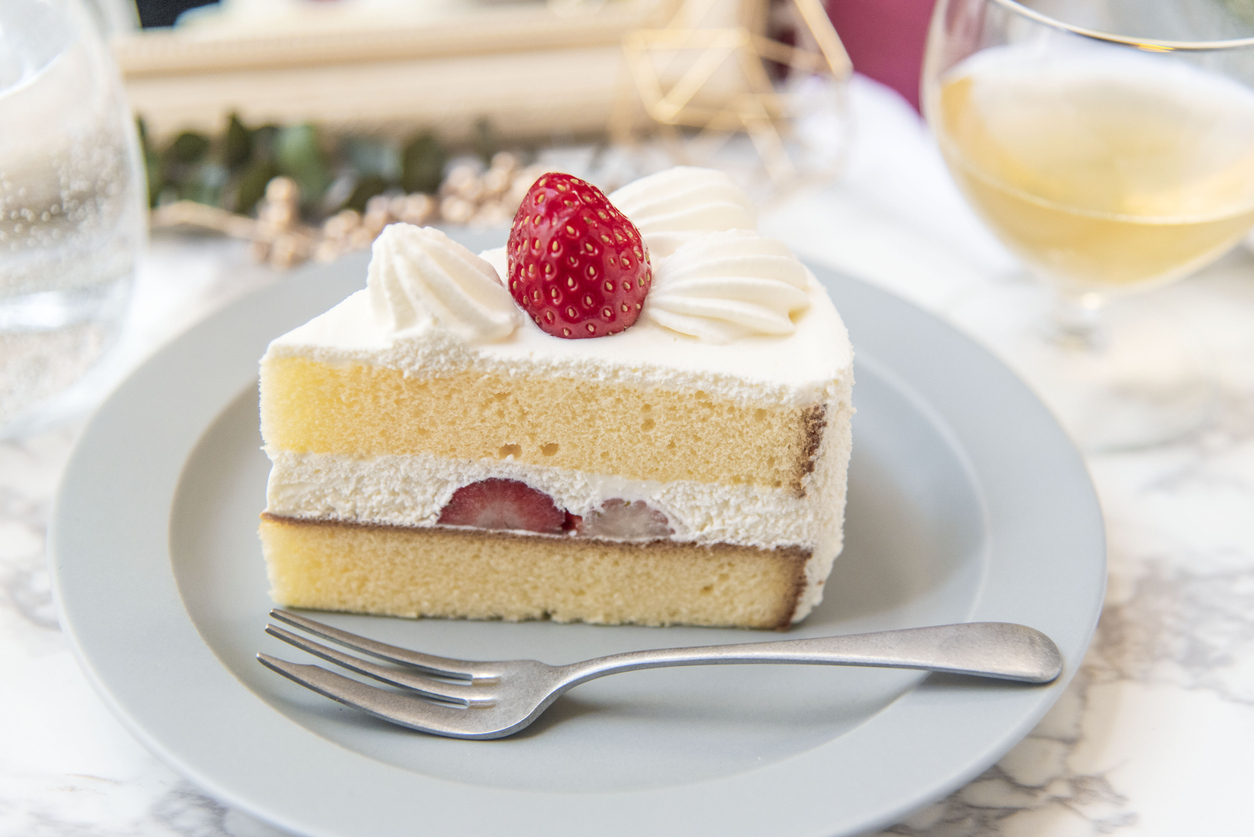
Beautiful layers of white cream adorn a fluffy cake with plump strawberries on top—this has long been the iconic image of Japanese Christmas confectionery. Still, its Christmas cake history goes much further back than many people realize.
Christmas cakes were first sold in Japan in 1910, and the ubiquitous ichigo shotokeki (strawberry shortcake) only hit shelves in 1922. It wasn’t until the postwar period, in 1952, that the strawberry shortcake Christmas cake became more accessible to the general public and cemented its place in Japan’s Christmas imagery (and stomachs across the nation).
To understand the history of this tasty tradition, we must delve into the past of Fujiya, a storied Japanese confectionery maker.
Introducing Christmas Cake To Japan
 © Photo by iStock: fazon1
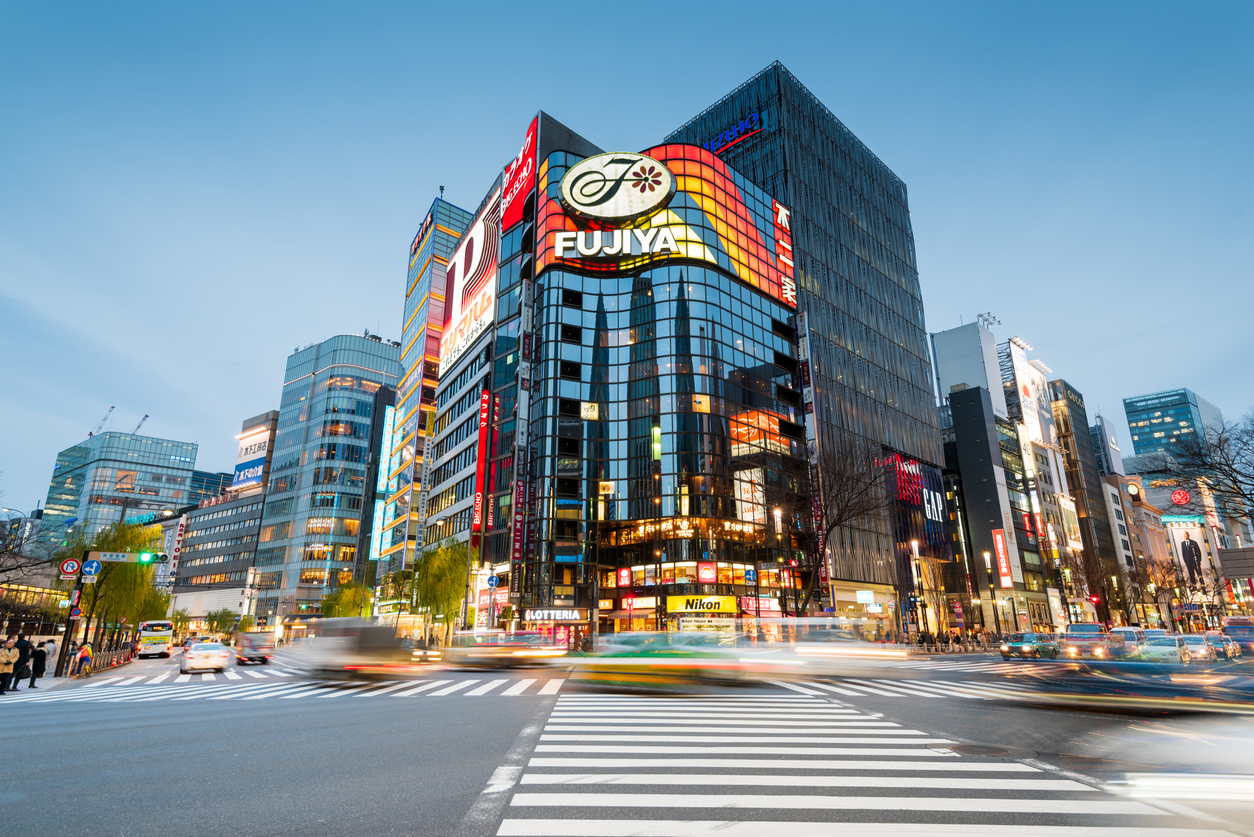
Fujiya, now with branches nationwide, is a patisserie that was initially based in Yokohama. In 1910, Fujii Rinemon opened his first shop in Motomachi, the upscale neighborhood adjacent to the Yamate and Kannai districts where the foreign population of Yokohama lived and worked. As the Meiji era dawned, the Motomachi area blossomed. The streets were soon dotted with cafes, clothing stores and bakeries. The Fujiya store was at the vanguard of this explosion of Western culture in Yokohama, where many overseas customs and wares spread to the rest of the country.
Indeed, in December of the same year, Fujiya offered the first Christmas cake sold in Japan. Arranged simply with silver ball decorations, the cake was a single-layer glazed with white fondant frosting, made by mixing sugar and water. But the difference with today’s decadent fresh cream concoctions was not merely aesthetic. The cake was not a Japanese sponge cake—known now as the shortcake—but rather a fruit cake, steamed in the oven and made of plums, dried fruit like raisins and alcohol.
1921 was a particularly bustling Christmas and a fateful one for Fujii. With business booming, thanks in part to a craze that year for decorated cakes, he opened a second store. To his surprise, his customer base was also shifting from foreign customers to Japanese ones. In 1922, Fujii developed a special cake to sell at his two shops, inspired by his studies abroad in the United States.
The Stawberry Shortcake
 © Photo by iStock: muuuu
While stateside, he tried a dessert called a shortcake—two scones filled with cream and fresh fruit and named for the shortening used in the biscuit dough. Fujii felt fascinated by the flavor but believed the crunchy scones wouldn’t suit the Japanese palate.
Instead, he chose to make his shortcake out of a sponge cake. He drew inspiration from the ever-fashionable castella cake, another local interpretation of a Western (this time Portuguese) dessert which emerged in the late 1500s. His resulting creation, combined fresh cream and American-style strawberry shortcake with a softer, spongier cake, making it the first strawberry shortcake sold in Japan.
Many people believe the kouhaku (red and white) color combination—traditionally used for celebrations and shared with the hinomaru (rising sun) national flag—helped drive the popularity of strawberries and cream as the country’s signature Christmas cake style. Still, however, in the 1920s, these cakes were exceedingly extravagant. Without refrigerators in most homes, their potential for the astronomical fame that awaited would remain dormant until the postwar period.
For Everyone To Enjoy
 © Photo by iStock: kokouu
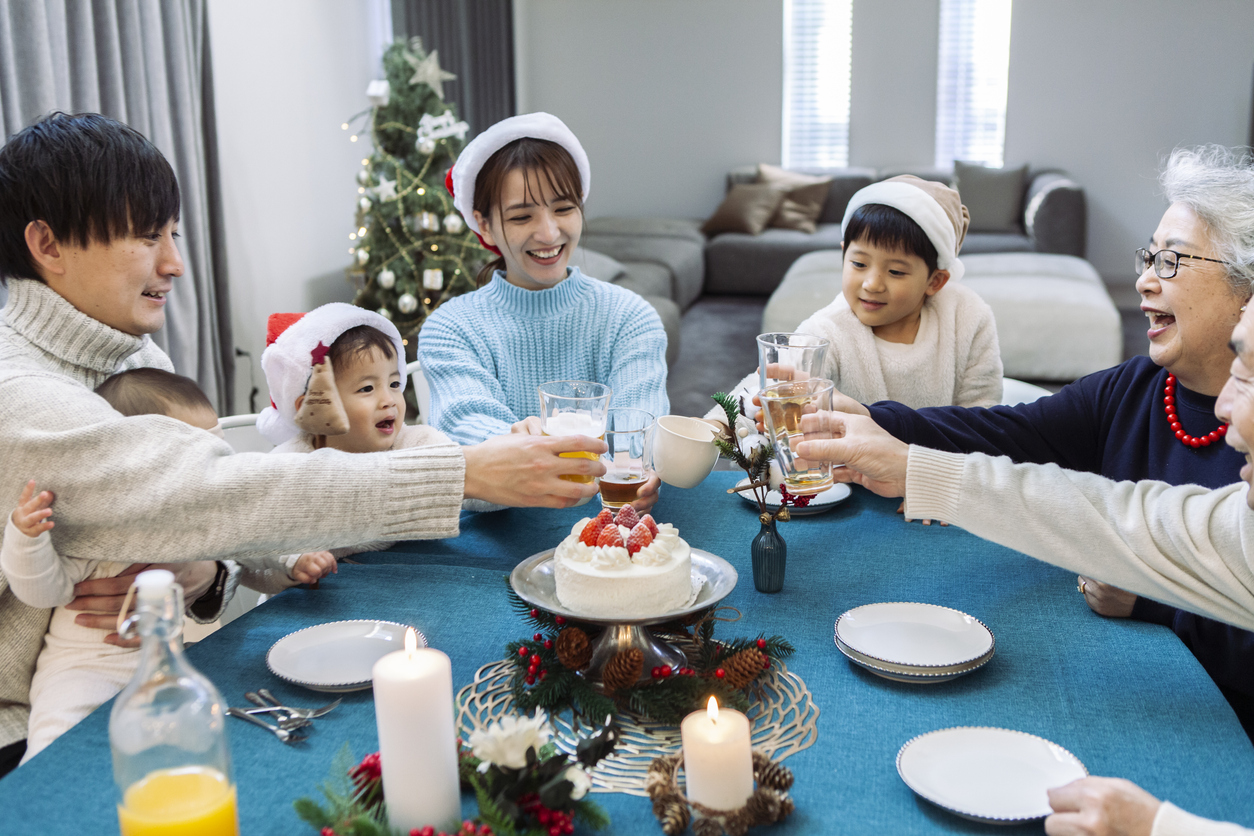
In 1952, on the eve of Japan’s “long postwar,” only a few months after the American occupation force left the country, Fujiya held its first-ever Christmas sale. In what would become a tradition across Japan, the strawberry shortcakes lined the shop window, inviting customers to enjoy the sweet treat for the holidays.
By the mid-1960s, the strawberry shortcake’s place in Christmas culture was firmly established. Elaborately decorated two-layer cakes became increasingly common. This design, along with the classic taste pioneered in the early Showa era, continues to dominate Japanese imaginings of Christmas sweets.
Modern Christmas Cakes
 © Photo by Ritz Carlton Tokyo
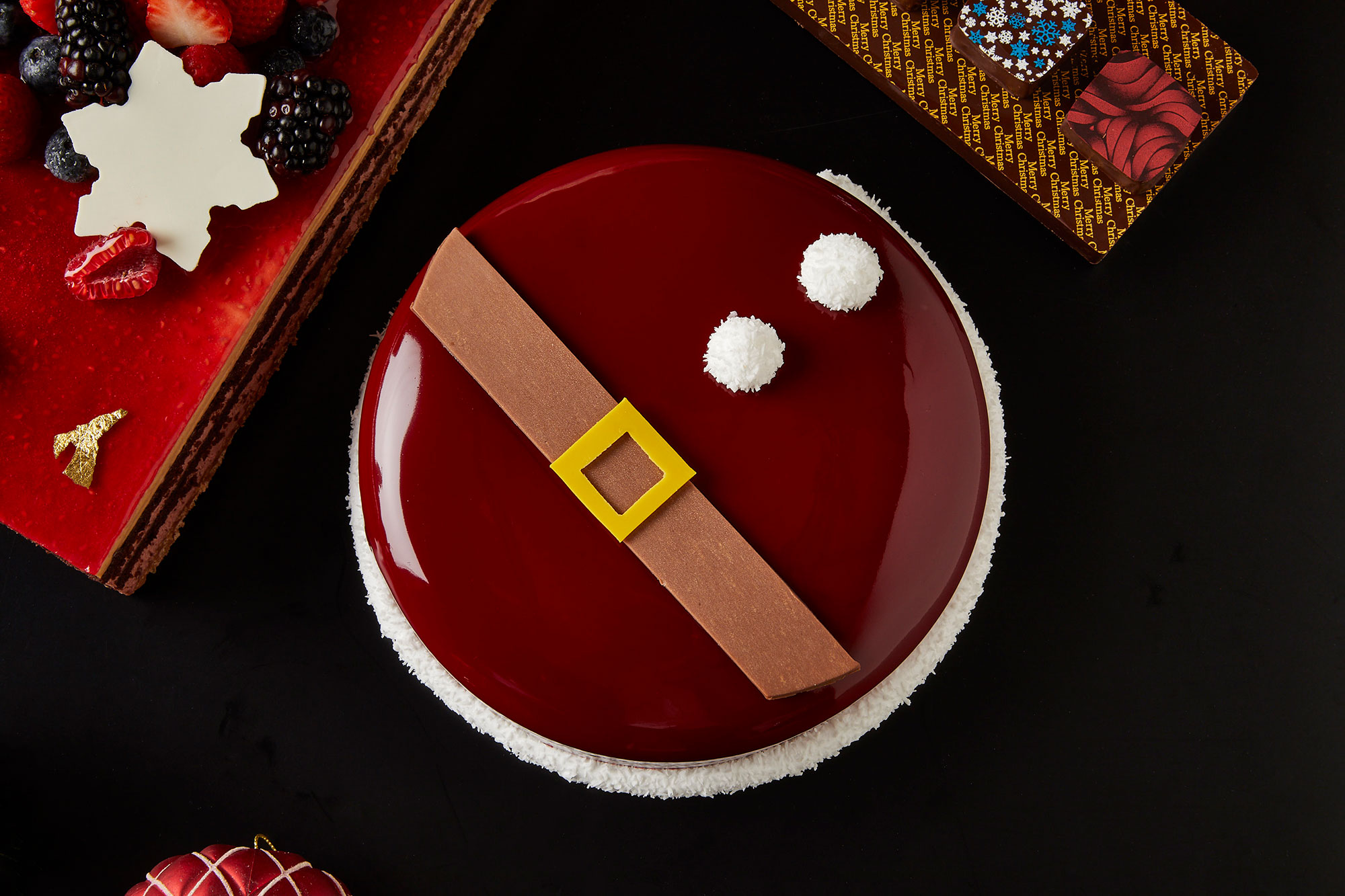
While the shortcake reigns supreme, the current market for Christmas cakes is not exclusively red, white and fluffy crumb cake. Instead, chocolate, pistachio, blueberries, ganache and buttercream turn into festive creations across modern patisseries.
Additionally, Japanese pastry chefs have incorporated traditions from other countries to diversify the confectionery landscape. Popular examples include France’s buche de Noël (a Christmas log cake) and Italy’s panettone (a Christmas sweet bread).
While stand-alone patisseries certainly make cakes, department stores and hotels are now the primary purveyors. They often open advance sales as early as mid-November with many selling out before the months end. Conbini (convenience stores) also get into the Christmas cake game, offering their own strawberry shortcakes. And, of course, some families opt to make their own, too.
As for my family, we usually opt for a strawberry shortcake, but last year, we diverged and went with chocolate. Honestly, it was a bit disappointing not to be met with the mouthfuls of sweet-tart strawberries and cream, so we will return to our (Japanese Christmas) roots this year alongside so many other eager sweet tooths.
And if you’re wondering if Fujiya continues to specialize in shortcakes at Christmas time, the answer is a resounding yes. You can find their stores throughout Japan, in both standalone shops and inside department stores, such as Aeon. Celebrating over 100 years since their founder’s first shortcake, they continue to sell classic Christmas cakes.
Did you know about Japan’s Christmas cake history? What sort of sweets do you celebrate this festive season with? Let us know in the comments!






Related Articles You Might Like
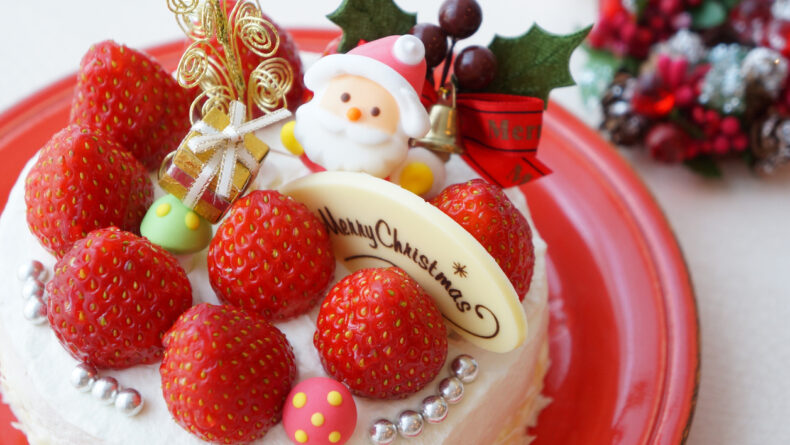
5 Festive Facts About Japanese Christmas Cake
So what's the deal with Japanese Christmas Cake? Since knowing stuff makes things taste better, here are a few facts to whet your appetite.
By Anisa Kazemi
The Best Christmas Dining Offers in Tokyo For The 2025 Holiday Season
Some places take the festive fun to the next level—luxury hotels, whose restaurants and bars serve up dinners and cocktails that feel truly special.
100 Yen Shop Craft: Holiday Wreath
As Western holidays become ever more popular in Japan, so too increases the merchandise geared toward such holidays. But even though Christmas trees and ornaments,...
Your Guide To Christmas Tree Shopping in Japan
Christmas is just around the corner and if you’re still looking for the perfect Christmas tree, we’ll help you find one that ticks all the...
Leave a Reply