Ozempic in Japan: A Savvy Guide For Foreign Residents
The Growing Popularity Of GLP-1 Medications

Wondering about Ozempic in Japan? Learn which GLP-1 drugs are approved, how much they cost, where to access them and key risks to consider.
Over the past two years, drugs like Ozempic and Mounjaro have gone from quiet prescriptions for Type 2 diabetes to global household names. Thanks to celebrity testimonials, viral TikToks and endless headlines, these GLP-1 medications (short for glucagon-like peptide-1 receptor agonists) are now strongly associated with rapid weight loss. Japan hasn’t escaped the buzz. English-language ads for Ozempic and similar drugs are now common across social media, often targeting foreign residents. If the constant media push has you wondering about Ozempic in Japan, here is your Savvy Guide to these medications.
GLP-1 Drugs Approved in Japan
 © Photo by iStock: Munro
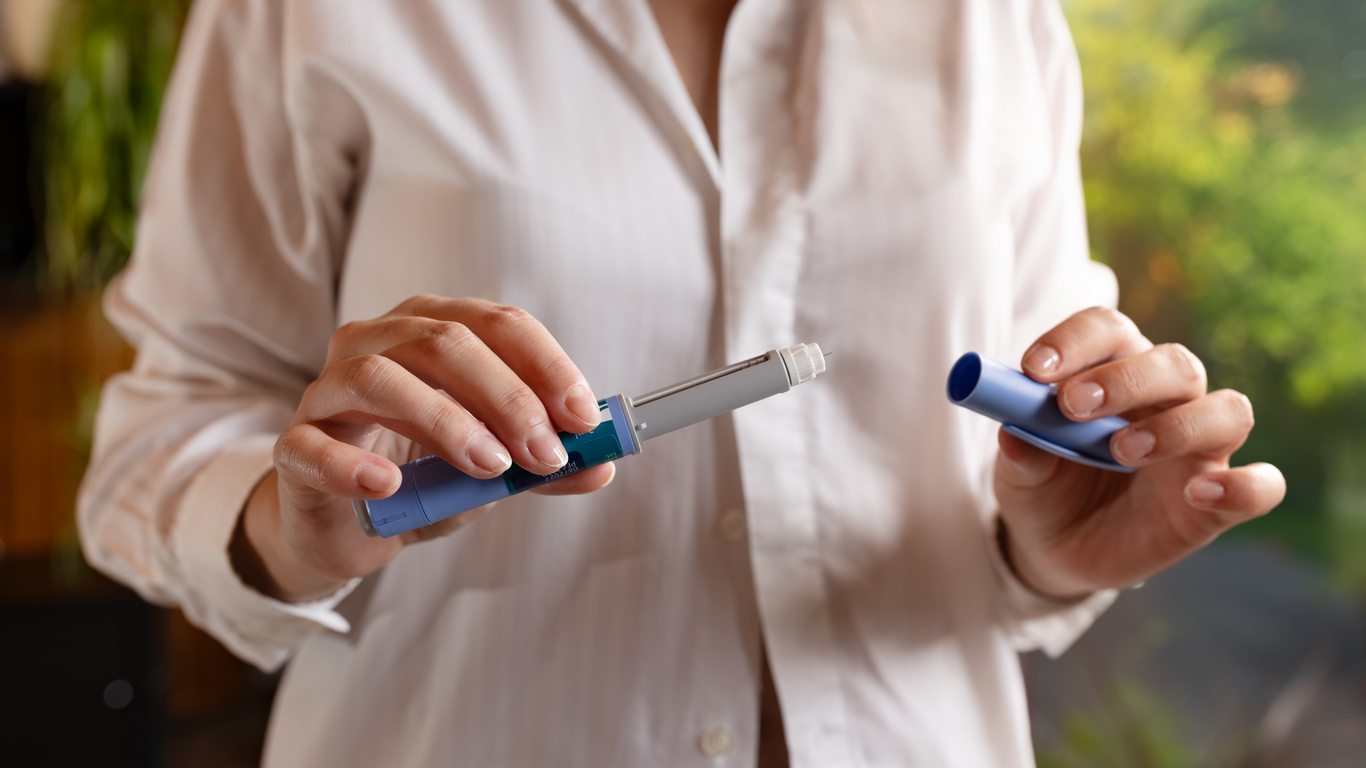
Can you actually get Ozempic or similar “weight loss injections” in Japan? The answer is yes, but only under strict medical criteria. The three most common medications available are:
- Ozempic (Semaglutide): Approved in Japan in 2020, Ozempic is officially prescribed for type 2 diabetes management. Some doctors may provide it off-label for weight loss, but this is not common practice.
- Mounjaro (Tirzepatide): This newer GLP-1 medication was approved in 2022, also for type 2 diabetes treatment. Like in the case of Ozempic, its recognized role in Japan is blood sugar control, not weight loss.
- Wegovy (Semaglutide): Wegovy is the only injectable medication approved for obesity management and has been available since 2023. It’s covered under Japan’s National Health Insurance (NHI) if you meet the criteria (BMI ≥35, or ≥27 with related health conditions such as hypertension or diabetes).
Several other GLP-1 medications are also now available in Japan, including Rybelsus (oral semaglutide), Saxenda (liraglutide), Trulicity (dulaglutide) and Byetta/Bydureon (exenatide). These are usually prescribed for managing type 2 diabetes rather than weight loss.
The Cost: What You’ll Pay With & Without National Health Insurance
 © Photo by iStock: CR
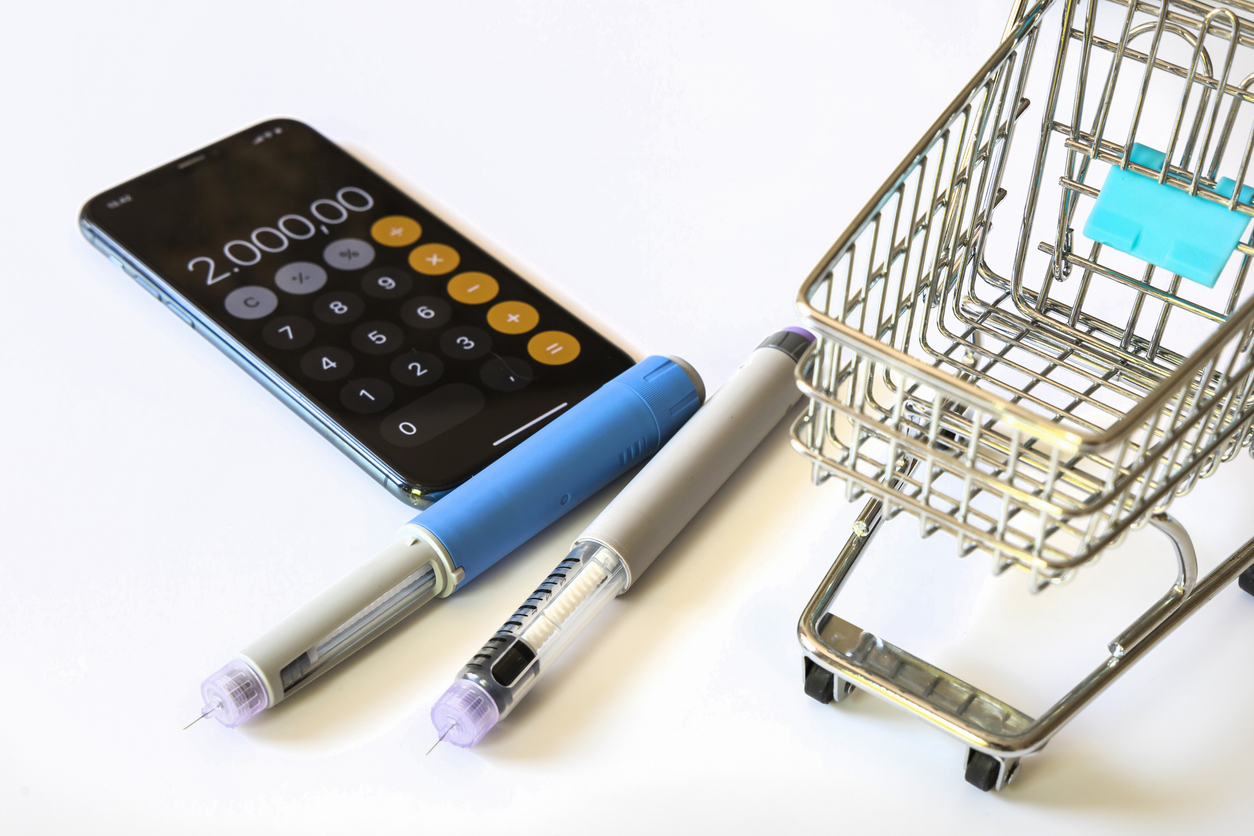
Whether these drugs are covered by National Health Insurance (NHI) or not makes a huge difference to your monthly costs. Japan’s NHI usually covers 70% of drug costs, leaving patients to pay about 30% out of pocket.
Here are the official 2025 prices and typical copays for the three most common medications available (monthly estimates are based on four weekly doses at the lowest available dose and exclude clinic visits or test fees):
| Brand | Approved Use in Japan | NHI Copayment (Out-of-pocket Cost) | Private Clinic / Off-Label Cost |
| Ozempic | Type 2 diabetes | ¥1,650–6,600/month | ¥25,000–33,000/month |
| Mounjaro | Type 2 diabetes | ¥2,300–13,800/month | ¥22,000–40,000/month |
| Wegovy | Obesity (BMI ≥35, or ≥27 + comorbidities) | ¥2,250–12,900/month | ¥26,000 – ¥52,000 |
The Marketing Push To Foreigners
 © Photo by iStock: JDawnInk
If you live in Japan and spend any time on social media, you’ve probably noticed the rise in ads for “weight loss injections.” Even if your feed has nothing to do with dieting, it’s now common to see English-language promotions for Ozempic, Mounjaro or similar drugs.
These marketing campaigns target foreign residents because access through Japan’s public health system is limited. Strict NHI criteria and a lack of English-language support often make it harder for foreign residents to get GLP-1 medications. Private clinics are well aware of this gap, and so they have begun to market aggressively to international residents, often charging significantly higher, out-of-pocket prices.
Private English-Speaking Clinics Offering GLP-1 Treatments
 © Photo by iStock: Carolina Rudah
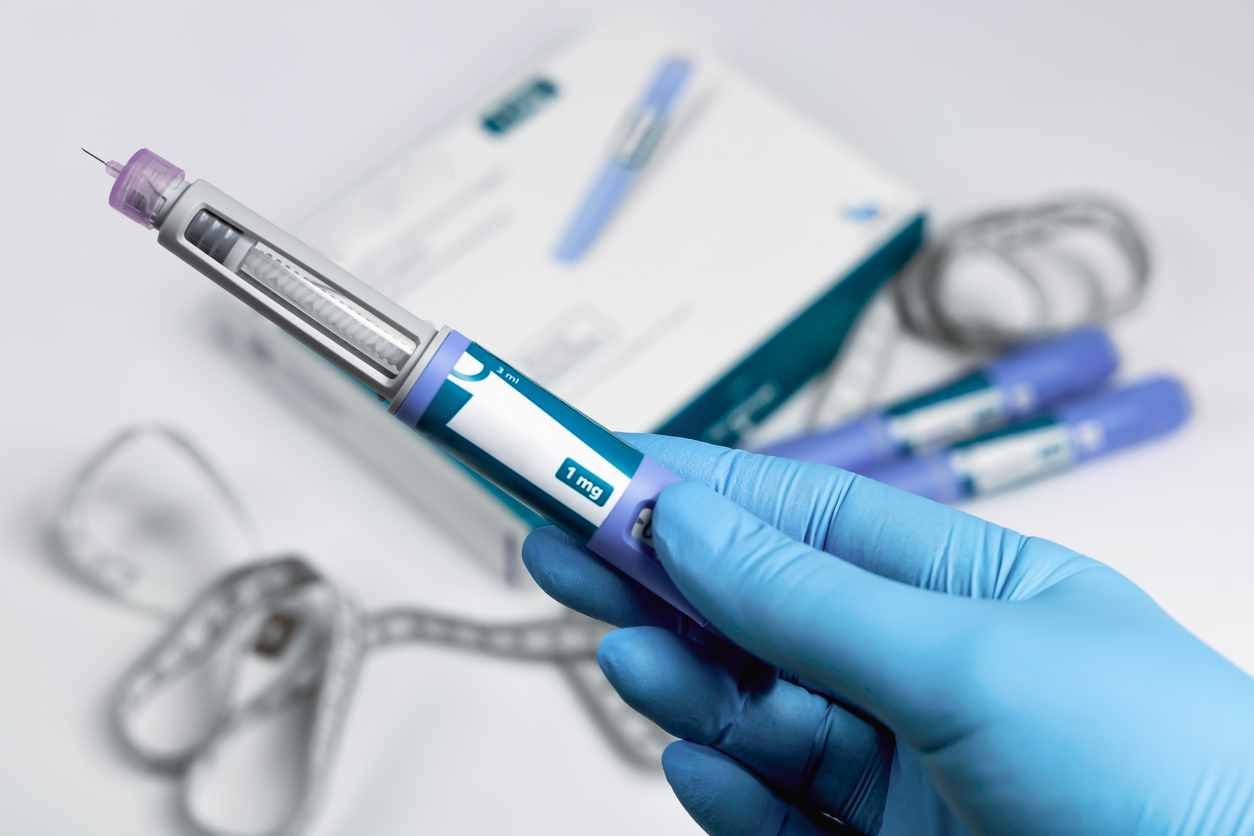
If you don’t qualify for coverage under Japan’s National Health Insurance (NHI), or if your doctor isn’t supportive, several private English-speaking clinics do offer GLP-1 medications. These clinics can be convenient, especially with bilingual staff and telemedicine delivery, but they can cost two to three times more than NHI-covered prescriptions.
It’s worth checking the fine print before signing up so you know exactly what you’re paying for. Some clinics bundle everything (consultations, follow-ups, needles, alcohol swabs, even travel letters) into one package. Others only list the medication price upfront and bill separately for extras like blood tests.
These are a few well-known clinics offering GLP-1 weight loss treatments in Japan:
- Hada no Clinic (Tokyo): Bilingual clinic advertising weight-loss programs that include check-ups and counseling.
- Bianca Clinic (Tokyo): Provides Mounjaro and other GLP-1 injections for weight loss, marketed as weekly treatments.
- Tokyo Medical and Surgical Clinic (Tokyo): Longstanding international clinic in Tokyo offering weight loss treatment programs, including GLP-1s, with English-speaking doctors.
- Juniper: Telemedicine platform with English consultations, nationwide delivery and travel letters for medication.
- E-Life Clinic: Offers online consultations and pricing packages for Ozempic, Mounjaro and Saxenda.
Important Factors to Consider
 © Photo by iStock: Tunatura
If you’re thinking about trying a GLP-1 medication like Ozempic, Mounjaro or Wegovy, it’s worth looking beyond the hype. These drugs can be effective, but they also come with real risks that shouldn’t be overlooked.
How GLP-1 Medications Work (& What to Expect)
One of the main ways GLP-1 medications like Ozempic work is by slowing gastric emptying. Put simply, food takes longer to leave your stomach and move into your intestines. This makes you feel full sooner and stay full for longer, reducing your appetite. The exact mechanism, however, is also what causes many of the most common side effects: nausea, bloating, a constant feeling of fullness, stomach pain and sometimes vomiting.
Studies show that in some cases, GLP-1 drugs can cause gastroparesis, a condition where the stomach doesn’t empty properly, leading to severely delayed digestion and awful side effects. Having lived with gastroparesis myself, I can say it’s more than an occasional upset stomach and will drastically impact your quality of life.
Don’t just take my word for it. In clinical trials, nausea was reported in about 44% of people taking higher doses of semaglutide, while vomiting affected roughly 25%—making these two of the most common side effects. That’s also why you need to factor in the ongoing cost of additional medications, like anti-nausea tablets, which are often needed to manage these symptoms.
Other side effects frequently reported with GLP-1 drugs include diarrhea, constipation, acid reflux and abdominal pain. These symptoms are often worse at higher doses or when the dose is increased too quickly. Because of these risks, it’s essential to carefully weigh the benefits of these medications against the possibility of long-term side effects.
These medications can be useful tools, but they’re not quick fixes and carry real risks. If you’re considering them in Japan, always start by speaking to your doctor and making sure you understand both the benefits and the downsides.










Leave a Reply