What’s A Bal? Friendly Fusion Izakaya Explained
Naming Tokyo’s Hottest Dining Trend
Pent-up demand has inspired Tokyo restauranteurs to embrace a new genre bringing cozy to dinner and drinks: The izakaya-bistro bal.
A couple of weeks ago, I accompanied a fellow writer to conduct a menu test at a recently opened eatery. She looked at the menu and knit her eyebrows together. “What am I supposed to call this? A bistro? It’s not—it’s too Japanese… There are burgers, but also, ajillo. And matcha lattes of all things?” Welcome, my friend, to a bal izakaya!
What Is A “Bal”?
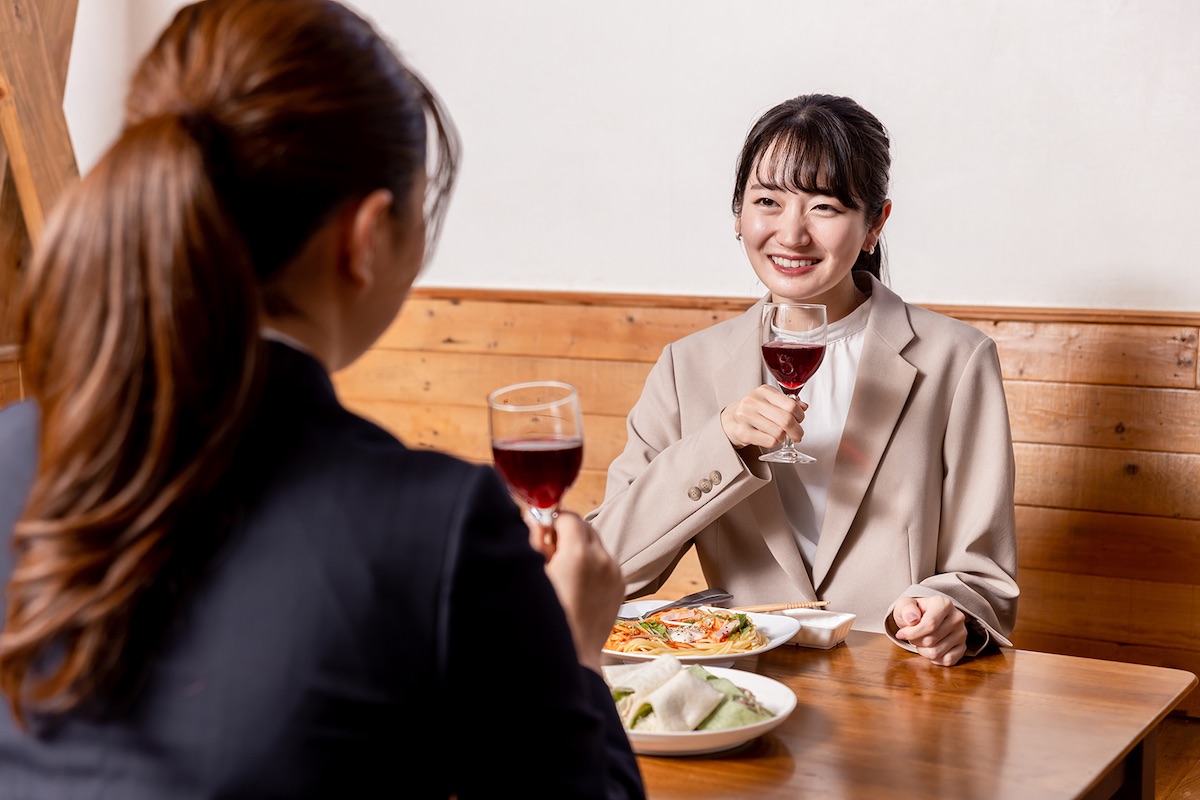
Bal is a recent term popularized by the owners of certain izakaya-cum-bistros. Not “bar”, nor the Spanish “baru”, but bal. This romaji-fied katakana word perfectly illustrates how these only-in-Japan “bars” differ from Western iterations.
J-Net 21, a service that guides would-be business owners, defines a “dining bar” as an eatery offering a wide range of alcoholic beverage options in addition to food. The subtypes outlined are “Western European izakaya”, “wine bar” and “shot bar”. Not that many readers would equate “shot bar” with a place for eating charcuterie, though!
If you search “dining bar” and “Tokyo,” you might be surprised at the scarcity of usable listings. In fact, much like the contents of the preview menu, results from my own search lacked rhyme or reason. If you try in katakana, however, a clear pattern emerges: trendy eateries with an East-meets-West menu and an emphasis on drinks and atmosphere.
Another Japanese-only source, the celebration and gifting website Mechoo, explains the differences between French bistro and Spanish “baru,” noting that in Japan, bal (baru) has come to mean “Spanish-inspired Western Izakaya,” even though bal typically leans towards Italian or French influences.
The writers at Mechoo seem right on point, as their coverage came out in 2021 and was most recently updated in July 2023, with the uptick in bal openings.
As it stands, it seems that the bal hasn’t quite entered the expat space yet….time to change that!
Getting Girls To The Bar
 © Photo by iStock: tky15_lenz
For those who wince at the thought of pit stains on otherwise immaculately crisp white shirts, a risk of sloshed cheap beer and free-flowing cigarette smoke in izakaya, a bal isn’t that. Nor is it a place to risk typical bar-like bothering.
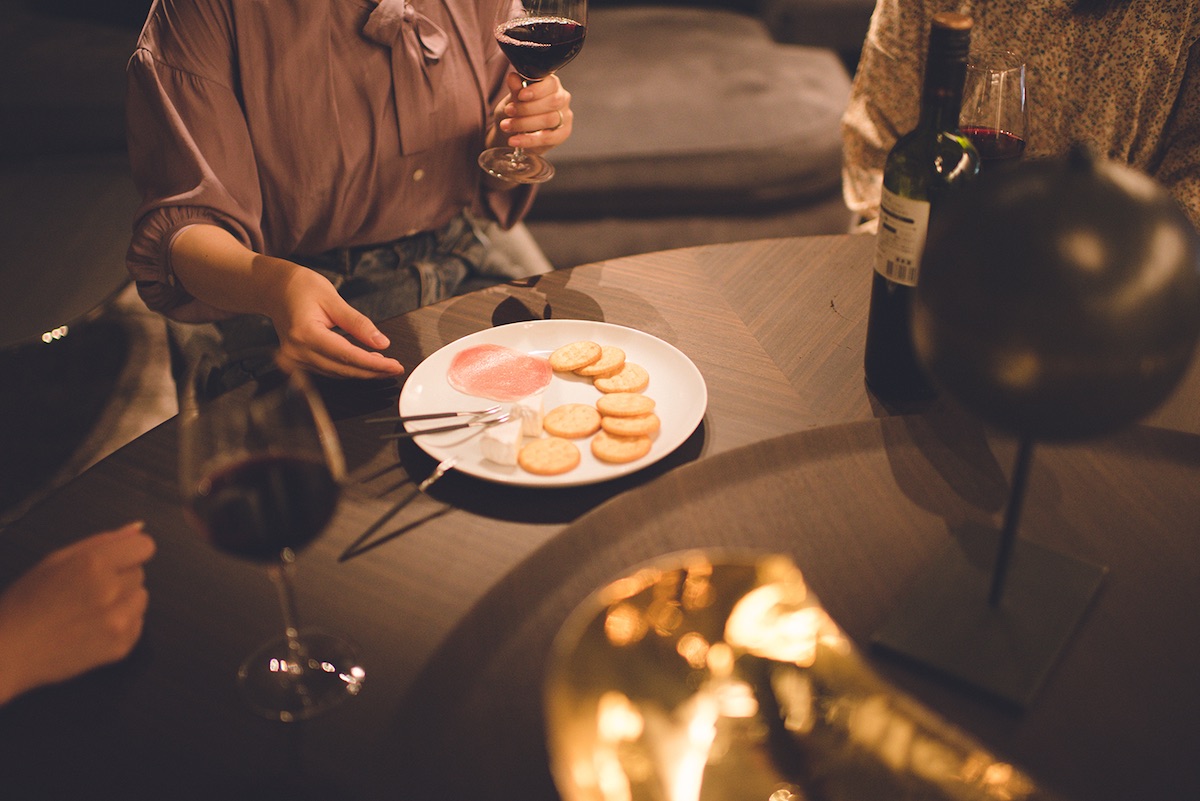
Instead, most bals smack of posh, plushness and premium. Bals provide if-you-know-you-know intimacy that makes them perfect for dates or drinks with friends. The atmosphere is inviting but upscale enough to make guests feel like they’re having an evening out.
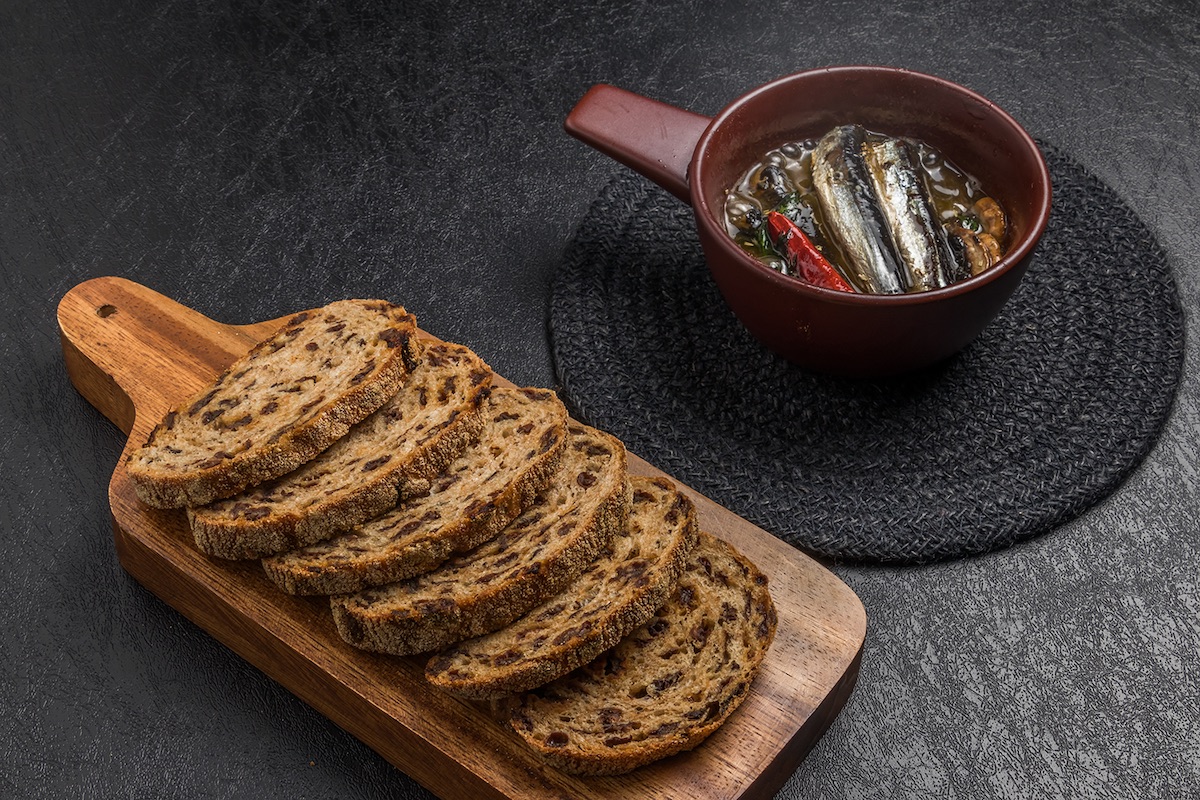
Mature flavors and fashionable interiors make bals especially inviting to the working women of Tokyo. They come to rub the salonpas of camaraderie into stiff shoulders and relax into voluptuous, enveloping flavors.
If izakaya promise salarymen a second wind after a long day, bals allow trendy guests to dip their toes into gourmet with all the familiar comfort of a warm bath.
The Bal Menu
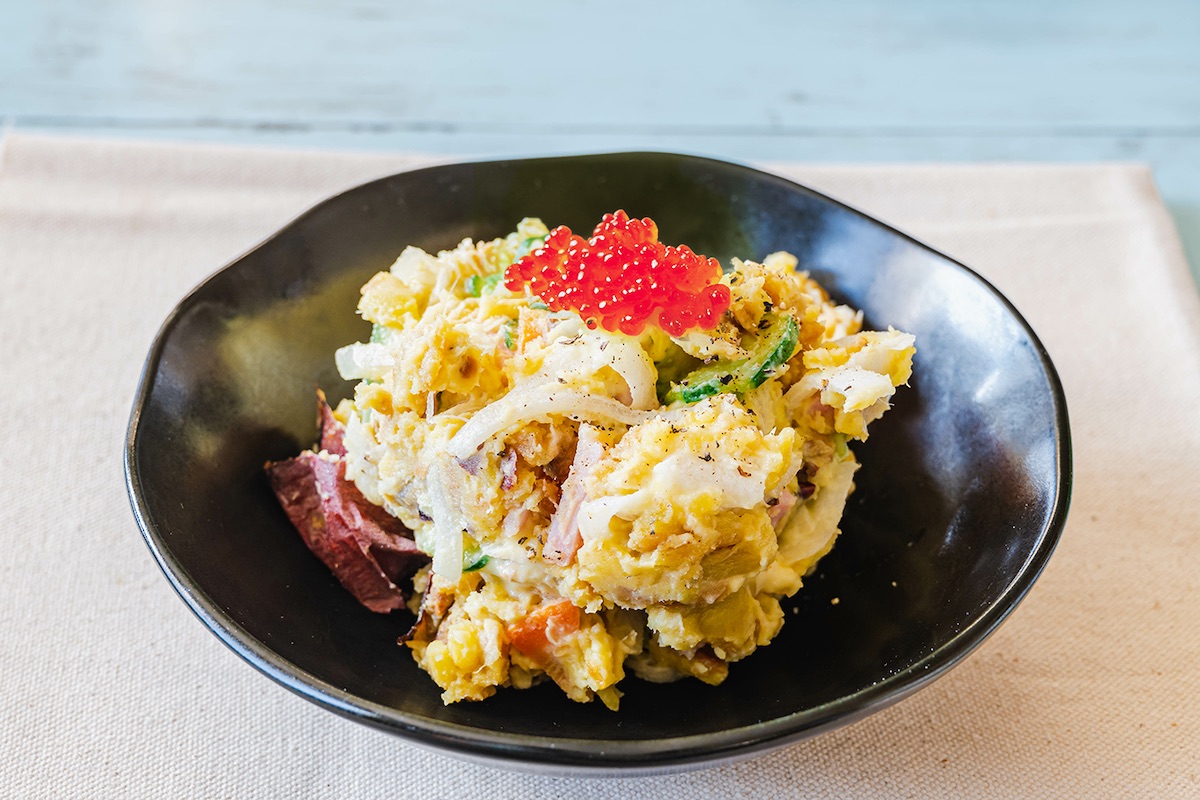
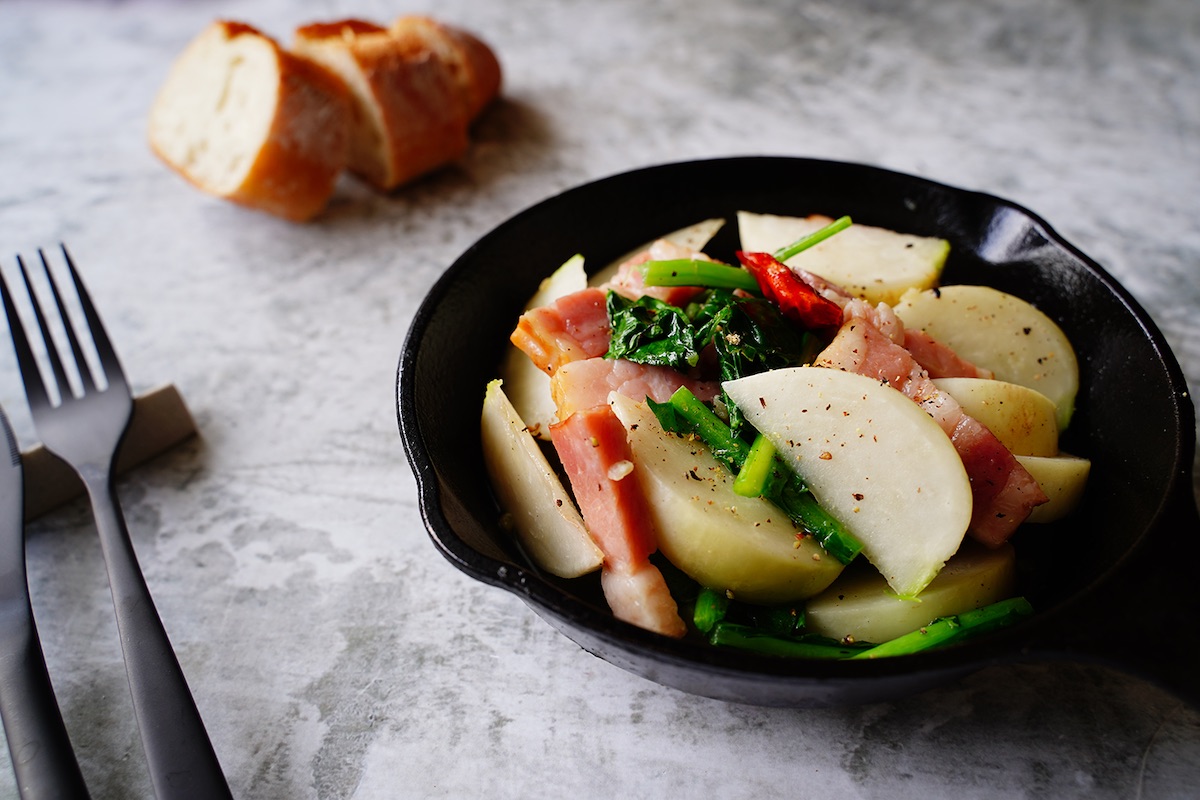
Expect bagna cauda, carpaccio with Japanese flair and plenty of cheeses. One tell-tale sign of a bal is the fruit-burrata plate, sometimes accompanied by prosciutto. All bal seem to have potato salad, but each eatery employs some special flair or signature prep method.
Bals make a point of serving bread or cracker-paired appetizers too, unlike izakaya, and typically have Western-style pickles instead of oshinko or zuke (Japanese pickles).
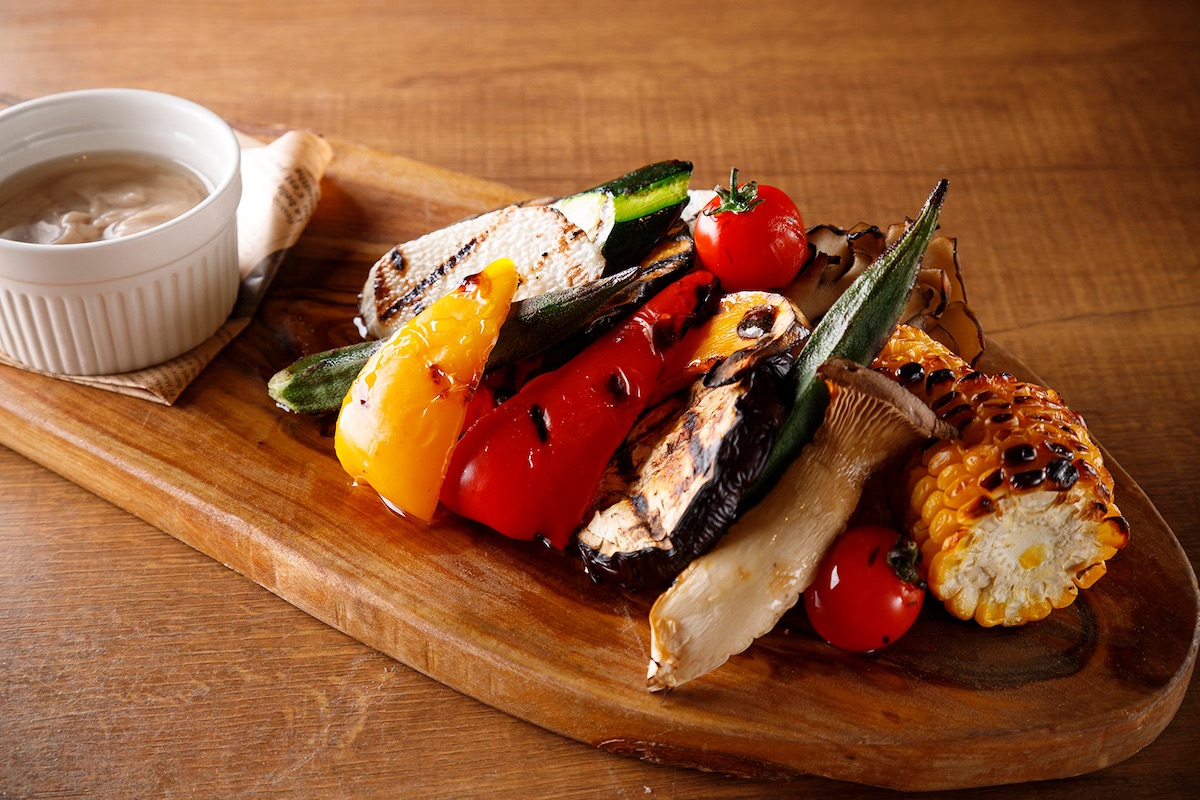
For mains and meats, smoked or rare is a given. Duck breast and rare steaks or roast are often served pre-sliced and dressed for sharing. Diners can expect some, if not multiple, forms of confit, terrine or paté on the menu.
There is going to be pasta—spaghetti of some sort with shimmery oil sauce, ragu or a “signature” carbonara; something rich.
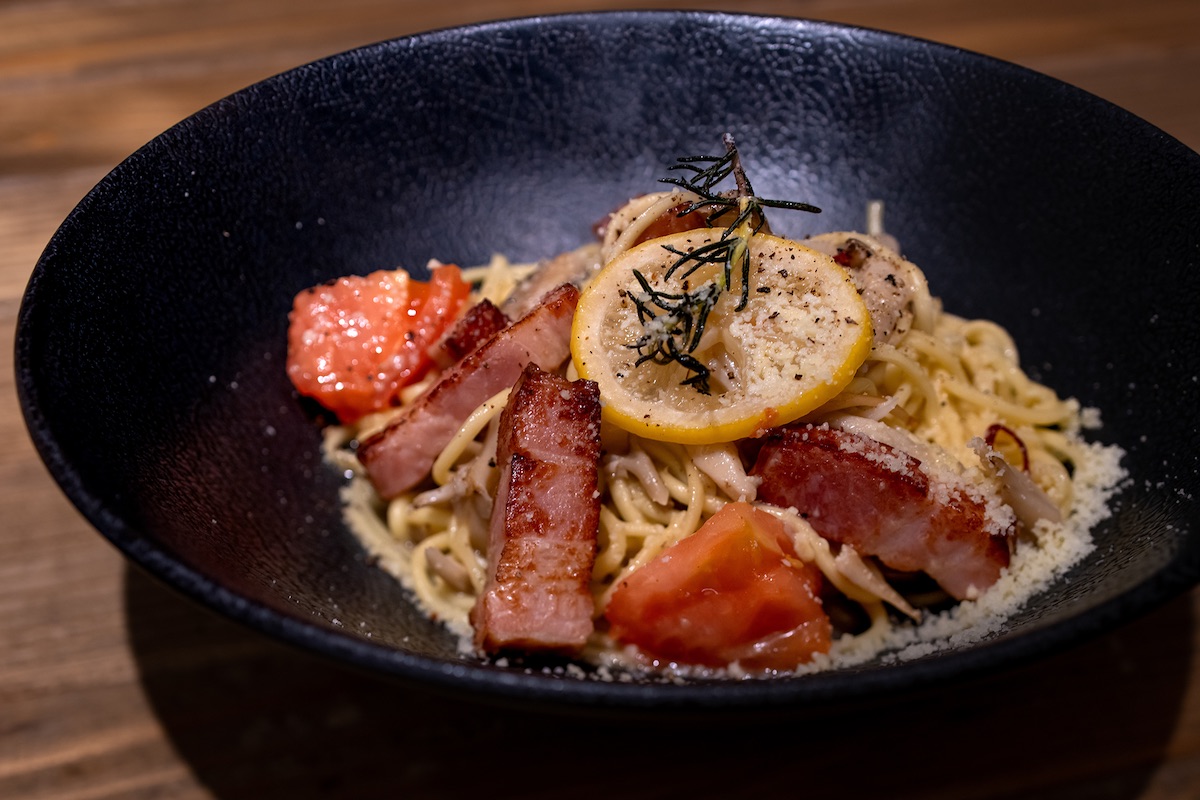
Round pasta like gnocchi, orecchiette and ravioli are all viable contenders, consistent with the “roundness” that classifies a bal’s signature menu. Pizza, focaccia, risotto and the like will satisfy the rest of the table.
Bals make generous use of dustings of grated parmesan, thinly sliced mushrooms and truffles, creamy, fluffy egg dishes, generous pours of olive oil and bursts of grated black pepper. The plating leans gourmet, but the flavors are all comfort.
Recommended Bal Izakaya Spots in Tokyo
Here are some of my favorite spots for you to try!
Fours (Meguro)
 © Photo by Fours
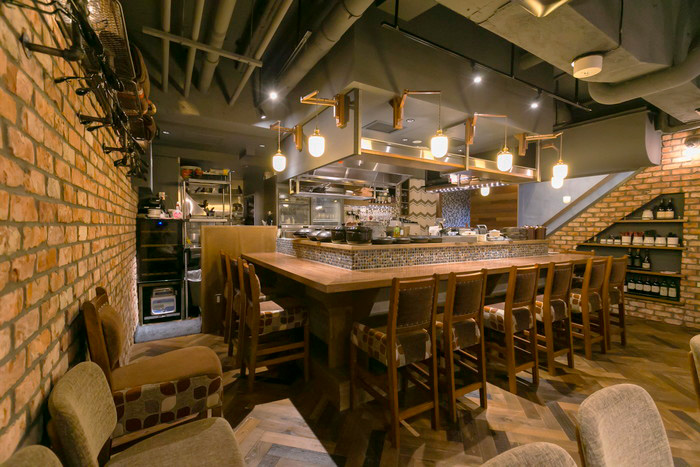
Fours, self-described as “genreless cuisine to enjoy with people you love” is one of the most representative bal locations and a genre pioneer. It’s got the full bal experience:
A warmly inviting atmosphere, dressy potatoes, creative gorgonzola cheesecake for dessert and a signature salad featuring liver confit. It achieves the perfect bal-esque East-West balance with takikomi gohan (one-pot rice dish) and grown-up wasabeef (Japanese-style roast beef).
- Address: 1-4-11, Meguro, Meguro City, Tokyo
- Closest Station: Meguro Station
- Expect to Pay: Dinner: ¥8,000–¥9,999
- Opening Hours: Tue-Sun 5 p.m.-11 p.m., Closed on Mondays and 1-2 Tuesdays/month
- Website: https://foursmeguro.com/
Flamingo (Ebisu)
 © Photo by Flamingo
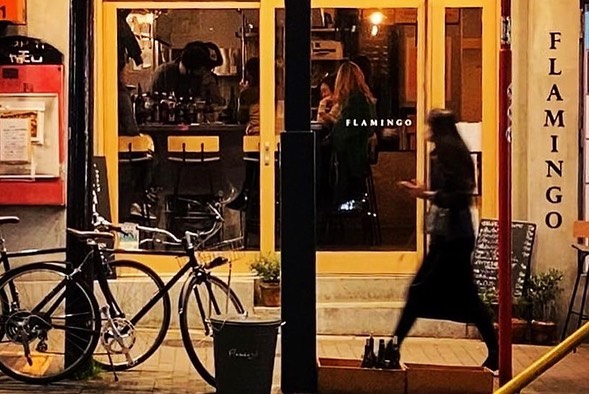
Flamingo, “fun Italian and wine,” is located in foreigner-favorite Ebisu. It’s a place to explore well-known fusions like shirako (fish milt) pasta and inventive takes such as negitoro (minced raw tuna with green onion) cannoli. This little stand is snug and cozy, with bright windows partially obscured by the patio plant life.
Emitting a clubhouse vibe, Flamingo is ideal for savoring a couple of glasses of organic, small-batch wine alongside sharing plates, or opt for the course menu for a comprehensive gastronomic experience.
- Address: 1-2-8 Ebisuminami, Shibuya City, Tokyo
- Closest Station: Ebisu Station
- Expect to Spend: Dinner: ¥6,000–¥7,999
- Opening Hours: Tue-Sat 3 p.m.-11 p.m. (Last Order at 10:30 p.m.), Sun 1 p.m.-9 p.m. (Last Order at 8:30 p.m.) Closed Mondays
- Website: https://www.instagram.com/flamingo.ebisu/
Grilled Meat Bal Taiju (Ikebukuro)
 © Photo by Grilled Meat Bal Taiju
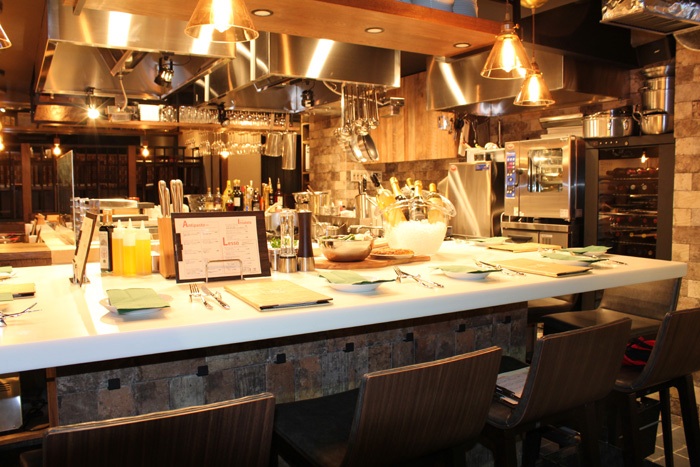
Taiju lives up to its moniker with signature potato salad, stunning cuts of roasted and grilled wagyu, plump gnocchi and tuna katsu. This place is an especially good choice for a date night, with course menus starting at just ¥2,800 and a strong Western influence.
Taiju Allegato Hanare, the sister store to its Nishi-Shinjuku location, is positioned as an upscale izakaya. Hanare’s menu is even more successful in expressing the signature bal style: note the appetizer menu, featuring both fried shishito peppers and a fig-burrata plate.
- Address: 3-22-5 Nishiikebukuro, Toshima City, Tokyo
- Closest Station: Ikebukuro Station
- Expect to Spend: Dinner: ¥6,000–¥7,999
- Hours: Mon-Fri: 5 p.m. -11:30 p.m., Sat/Sun/Holiday: 4 p.m.-11:30 p.m.
- Website: https://www.meatbal.com/shop/ikebukuro/
Chochin (Omotesando)
 © Photo by Chochin
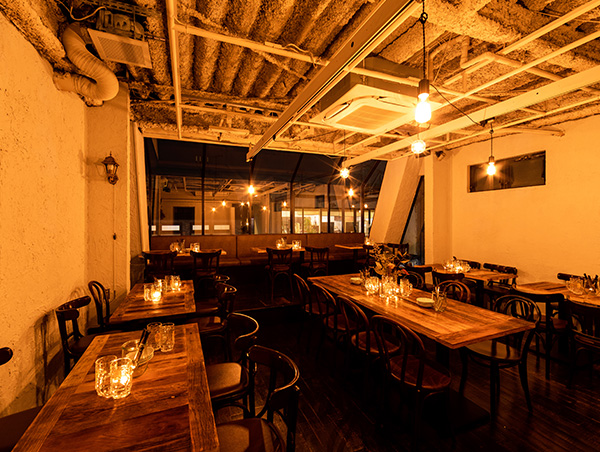
Unlike the other members of this list, Chochin offers an East and West menu rather than a selection of fusion foods. It’s the place to go if you have one quiche eater and one karaage (Japanese fried chicken) craver.
Chochin’s comparatively narrow offerings put the focus on enjoying its upscale space as a watering hole. However, the mix-and-match menu is still 100% bal quality, and the course option is ideal for a nomikai (drinking party).
- Address: 4-29-9 Jingumae, Shibuya City, Tokyo
- Closest Station: Meiji Jingumae Station
- Expect to Spend: Dinner: ¥3,000–¥3,999
- Opening Hours: Mon-Thu 5 p.m.-11 p.m., Fri-Sun, Holidays: 4 p.m.-11:30 p.m.
- Website: https://chochin-omotesando.com/
Newly armed with a definition and what to look for, let us know if you have any bal izakaya to recommend!
Comments
Leave a Reply







Related Articles You Might Like
5 Charming Tokyo Shopping Streets For a Taste of Local Japan
A world of unassuming, under-visited and unimaginably charming Tokyo shopping streets await; beckoning with tasty handheld bites, pop cultural paraphenalia and many, many cats!
By Rika Hoffman

10 Cozy Book Cafes To Check Out in Tokyo
Get some actual reading done at these book cafes in the city.
Nihonshu: The Newbies’ Guide To Japan’s Sake Scene
Living (or traveling) in Japan is never fully completed without a drink of its own traditional booze. But unless you're an expert in the field,...
Chinese Food in Tokyo: From American-Style To Authentic Classics
Find everything from Japanese-style Chinese food to authentic regional specialties from across China.
Did the bal concept originate in Kansai? They’ve been around fir years and offer some great dining ezperiences. Think they started so women could go with friends in a non-izakaya environment that’s easier to enter and not so noisy.