Mamachari: A Guide To Japanese Utility Bicycles
They’re Not Just For Moms!

Thinking about getting a mamachari? Here’s a quick guide to Japan’s favorite bicycle!
You see them everywhere. Zipping through traffic in the city and trundling in the middle of nowhere. Living in Tokyo and other densely populated cities in Japan means it’s sometimes difficult to get around using public transport or private cars. One way to circumvent this is by using Japanese utility bicycles, known in Japan as the ママチャリ (mamachari; “mom bicycle”).
Why Are Utility Bicycles So Popular in Japan?
 © Photo by iStock: recep-bg
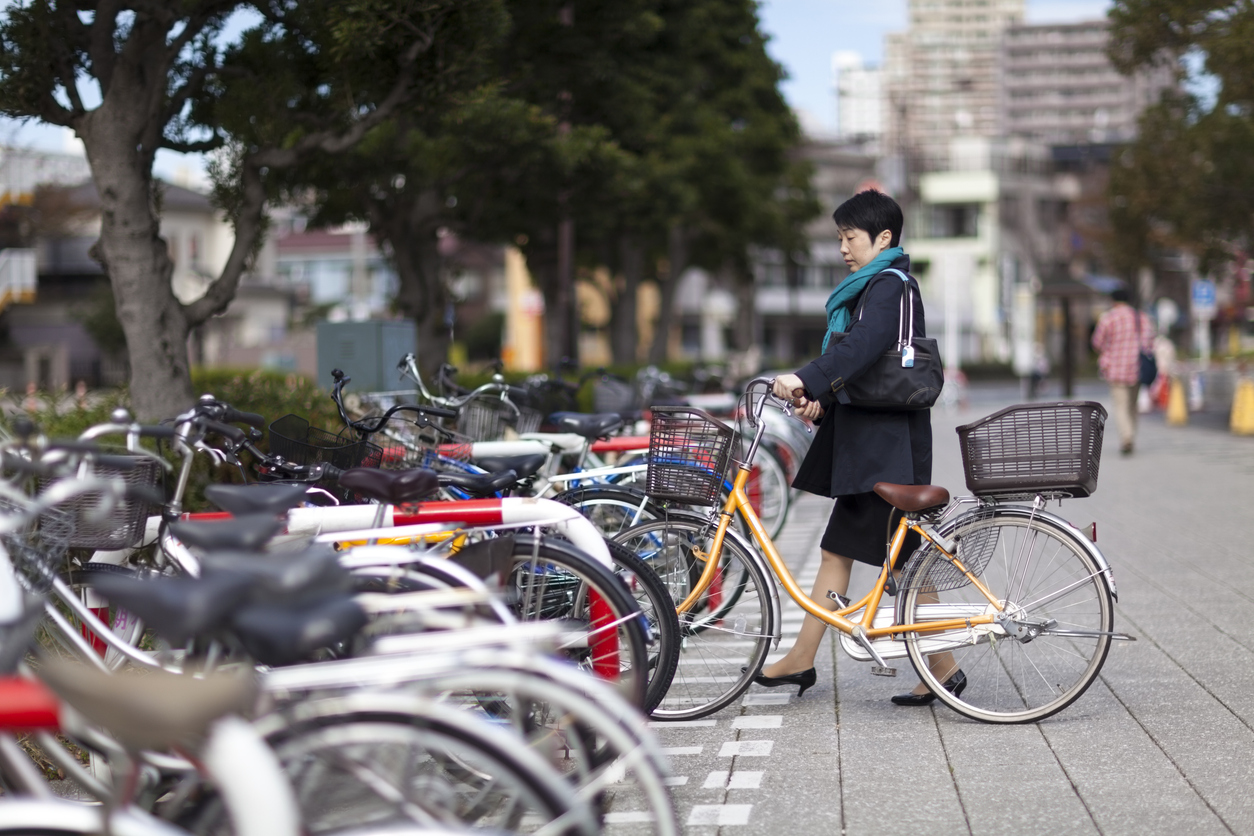
Before mamachari became mainstream, bicycles were clunky and difficult to maneuver. Then, in 1956, the Smart Lady appeared, a lightweight bike with a low center of gravity. Women started using them to commute to work, drop off and pick up the kids at school and run errands. People started calling them mamachari because they became so popular with mothers.
Why Were They So Popular Among Women?
Due to their low frame, they were much easier to mount. Even if you wore a skirt, you didn’t have to worry about giving everyone a free show while riding. Women also preferred the mamachari because they could ride upright and see the traffic better. Mudguards and chain guards also meant that women didn’t have to worry about getting their clothes caught or dirty while cycling. The front basket was also handy for storing handbags and shopping bags.
What’s The Price Range?
Mamachari are not only easy to use and convenient—they’re also an affordable and environmentally sustainable way to get around. In fact, you can pick one up for as little as ¥10,000 if you’re buying second-hand. New models typically start around ¥20,000–¥40,000, depending on the brand and features like gears, electric-assist or child seats. That being said, you can always upgrade a mamachari to suit you and your family’s needs, whether that means adding a basket, baby seat or even going electric.
Transforming Your Bicycle
 © Photo by iStock: koumaru
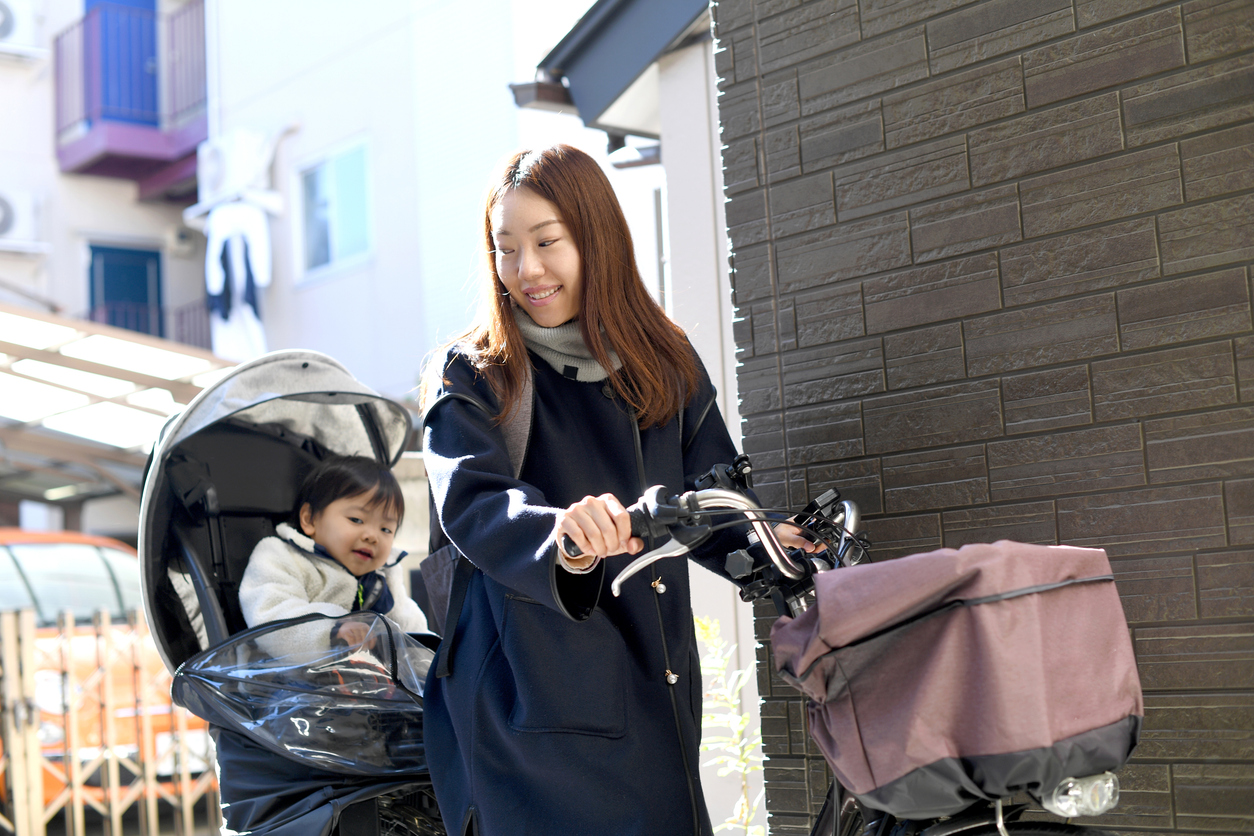
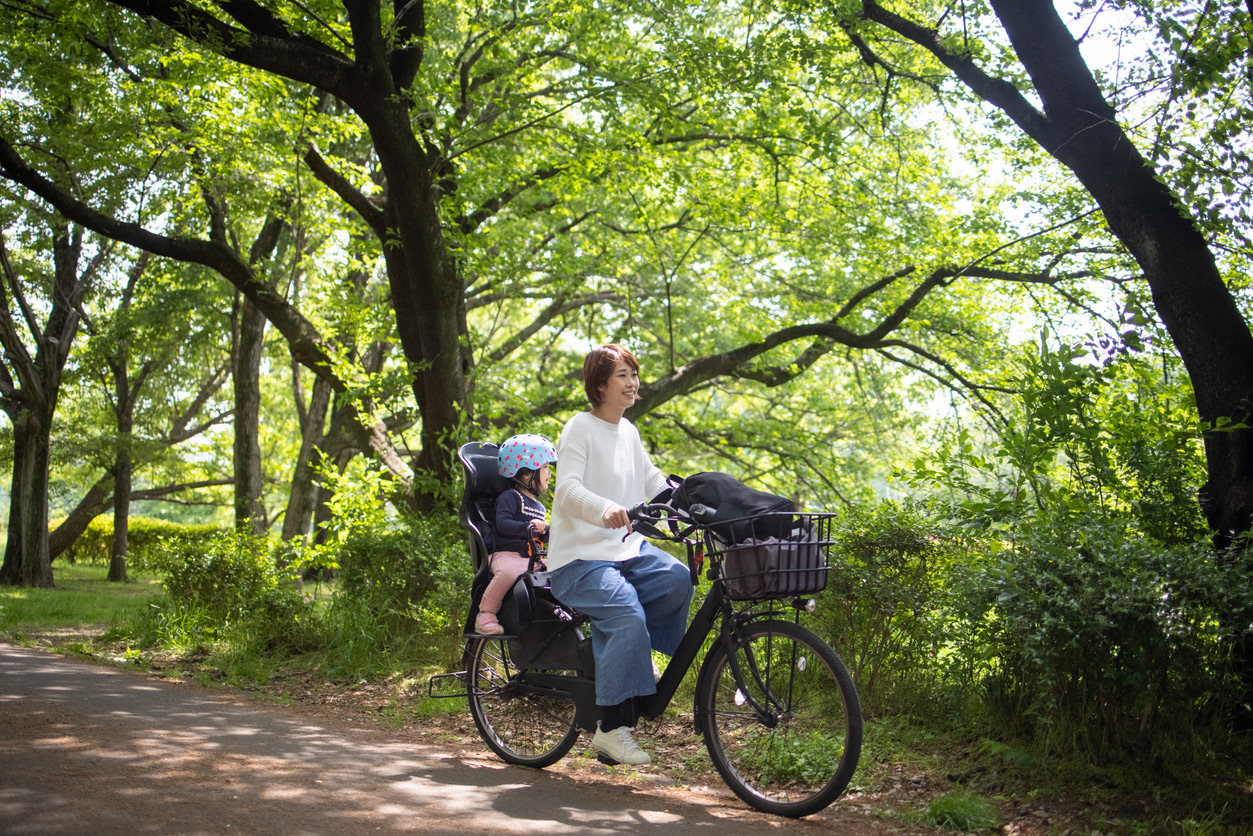
If your toddler doesn’t want to be pushed around in a stroller anymore, hitch a child seat to the front or back of the mamachari, and you’re both good to go! Front child seats allow you to see your kid better and are recommended for children who are one to three years old, weighing 15 kilograms or less. Rear child seats are recommended for children one to five years old who weigh 22 kilograms or less. If you have a toddler in hoikuen (daycare) and an older child in yochien (kindergarten), then you can carry them both on the transformed bicycle!
What If You Have Twins?
This is where you can customize a mamachari to suit your twin mama needs. Unlike traditional mamachari, this bicycle has two child seats at the back. It also has more wheels like a tricycle to keep the bike stable with all that extra weight.
Go Electric!
If you’re going to use your mamachari to drop off the kids at daycare/kindergarten, invest in an electric-assist bike. The extra power makes it easier to cycle with all that extra weight, especially uphill.
Rainy Day Coverage
On cold, rainy days, use a waterproof child seat cover to keep your kiddo dry and warm. However, on rainy summer days, don’t use a cover, as it can become suffocatingly hot in there. Instead, dress your child in appropriate rain gear and make sure it doesn’t get tangled during the commute.
Shopping/Running Errands
If you’re going to use your mamachari for shopping, strap another basket on the back to carry heavier loads. Do note that you cannot have a rear basket and rear child seat installed in the same place. It’s either one or the other.
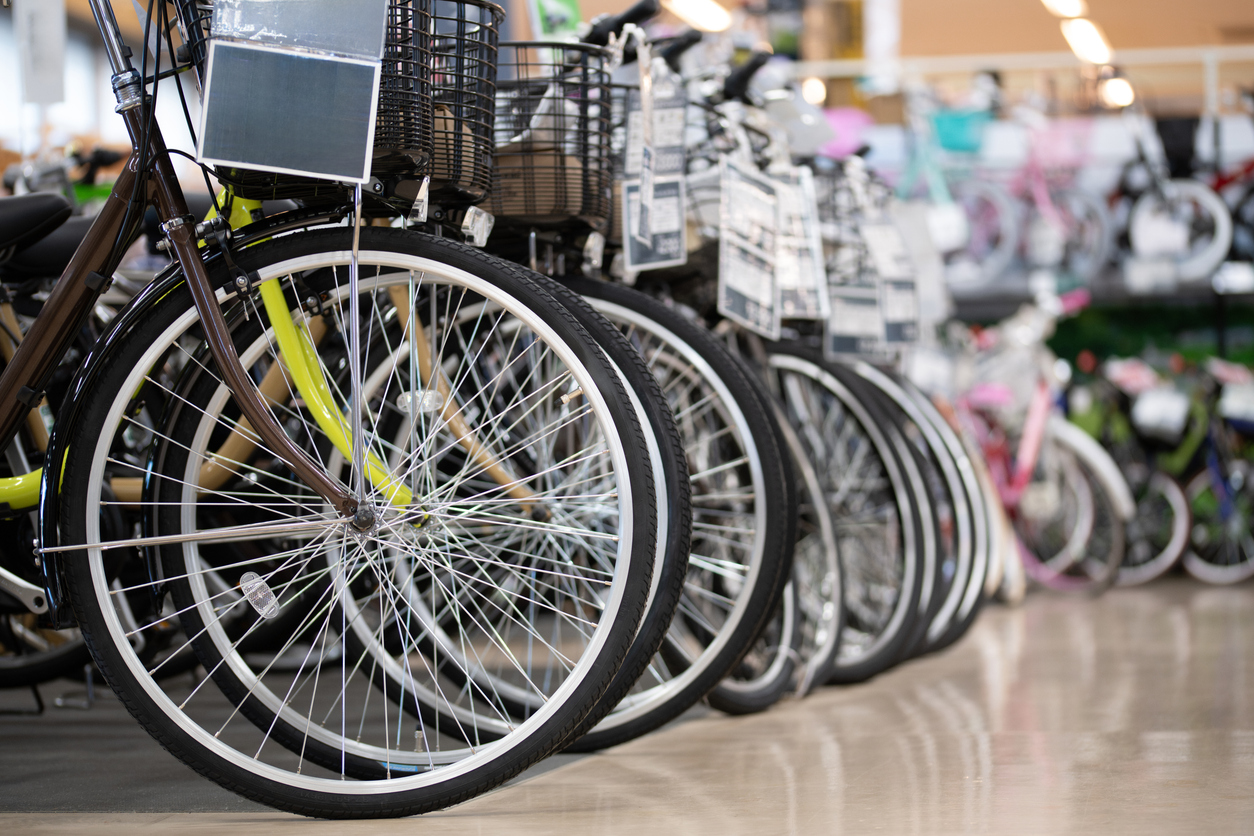
Where To Buy A Mamachari in Japan
 © Photo by iStock: Hakase_
Brand New
- Online retailers: Rakuten, Amazon Japan, Yahoo! Shopping
- Bicycle shops: Cycle Spot, Cycle Base Asahi, Yodobashi Camera
- Department stores: Aeon, Ito Yokado, Seiyu
- Home centers: Cainz, Komeri, Joyful Honda
Secondhand/Pre-owned
- Online platforms: Mercari, Facebook Marketplace (especially Sayonara Sales groups), Craigslist Japan
- Recycle shops: Hard Off, Second Street, Other local secondhand shopping chains
What To Look For When Buying
 © Photo by iStock: yamasan
Is It Family-Friendly?
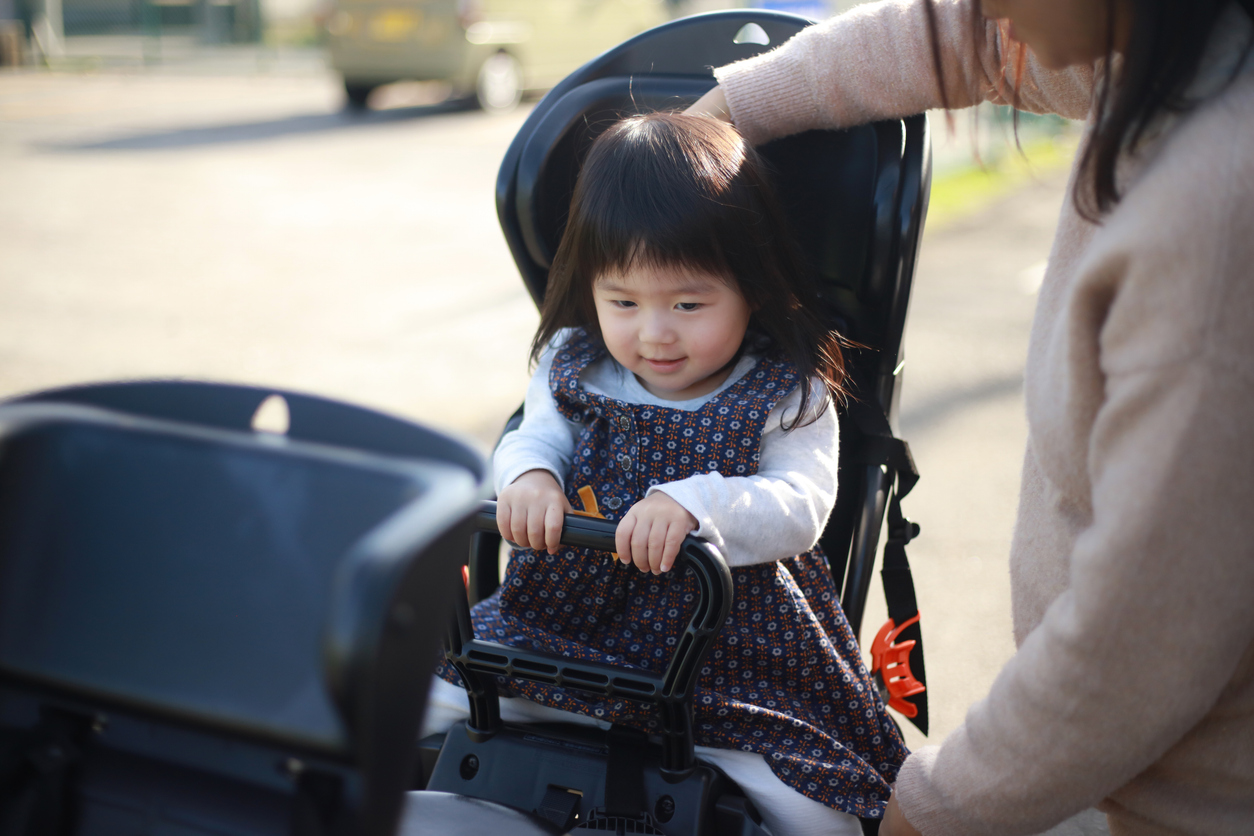
If you plan to carry children, look for these essential features:
- Sturdy low frame: Easier to balance and mount/dismount.
- Handlebar lock: Helps keep the bike stable when loading children.
- Small wheels/tires: Improves control and lowers the center of gravity for better balance.
Safety & Certification Labels
- BAA (Bicycle Association (Japan) Approved): Indicates the bike has passed over 90 safety and environmental standards.
- SG (Safe Goods) Mark: A certification by Japan’s Product Safety Association confirming that the bicycle or accessory meets safety requirements.
- Class 27 Sticker: For bikes designed to safely carry one child on the rear seat (up to 27kg).
- 幼児2人同乗基準適合車 (yōji futari dōjō kijun tekigōsha): This label means the bike meets strict safety standards for carrying two children.
How To Register Your Bicycle & Get Insurance
 © Photo by iStock: georgeclerk
Here’s how to make sure your mamachari is legal, safe and insured in Japan.
Registration
In Japan, all bicycles must be registered under the anti-theft registration system known as 防犯登録 (bōhan tōroku; anti-theft registration).
- When Buying From An Official Shop (New/Used): The store will usually handle the registration for you. The registration costs around ¥500–¥600 and you’ll get a small registration sticker.
- When Buying Secondhand (Private Seller): You’ll need a 譲渡証明書 (jōto shōmeisho; ownership transfer form). Bring this document, your ID and the bicycle to a local bike shop or police station to complete the registration.
Insurance
Many prefectures in Japan now require bicycle insurance by law, especially if you’re riding with children or commuting in busy areas. Some cities like Tokyo and Osaka also legally require riders to carry proof of bicycle insurance.
- What It Covers: Most basic plans provide liability coverage if you accidentally injure someone or damage property while cycling.
- Insurance Cost: Basic plans start from ¥2,000 to ¥5,000 per year.
- Where To Get It: Through your home or renters’ insurance provider, directly at bike shops as an add-on, at convenience stores, or online via services like Rakuten or au Insurance. Some credit cards also include basic coverage for bicycle use.
If your mamachari has a child seat, check whether your policy covers child passengers.
How To Ride A Mamachari Safely
 © Photo by iStock: Satoshi-K
- As of April 1, 2023, everyone (riders and passengers) must wear bicycle helmets when riding. However, this law is currently non-penalized, meaning there are no fines or legal consequences for not wearing a helmet. Although many adults in Japan continue to ride without a helmet, it’s better for everyone to wear one for safety.
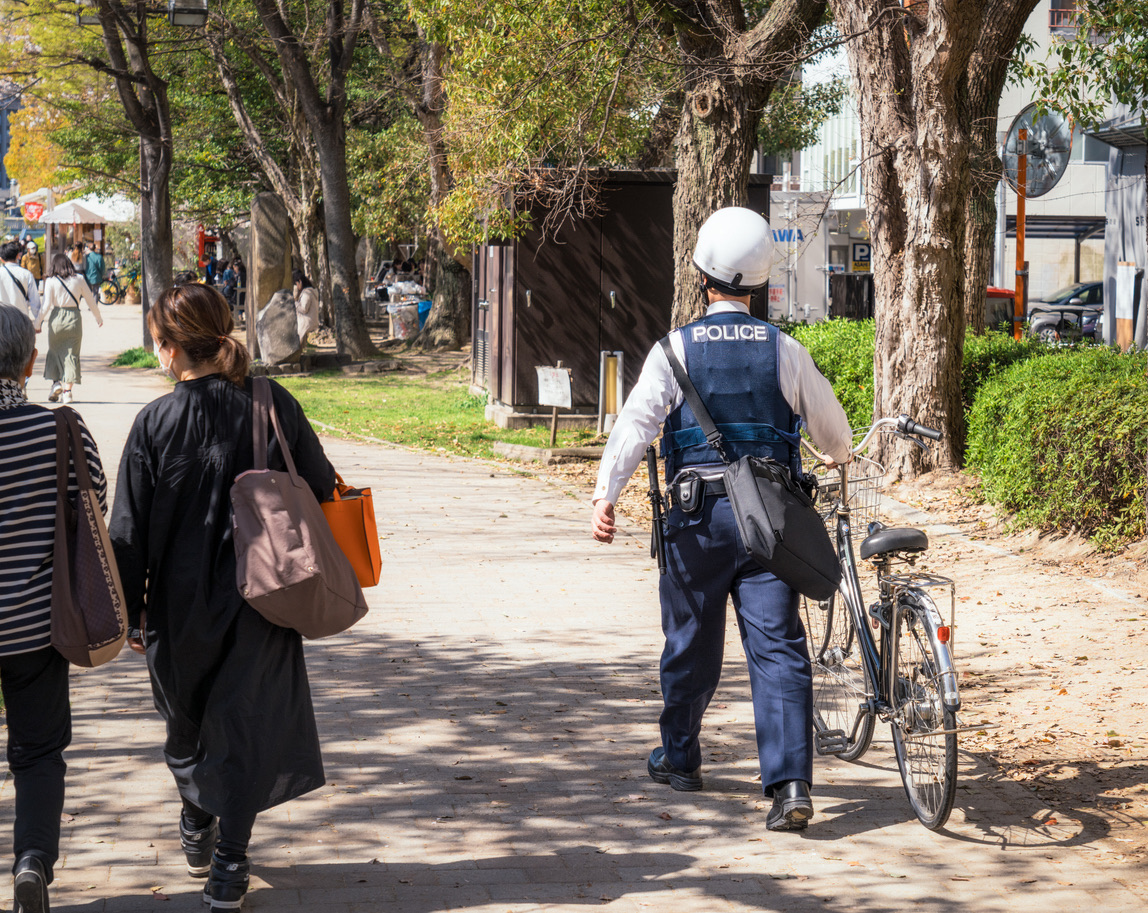
- Always keep to the left of the traffic. Don’t cycle on the sidewalk unless there is a designated bicycle lane.
- Never hold an umbrella while riding! Wear a raincoat to save lives!
- When putting two kids on the mamachari, put the heavier child in the rear seat first, then the lighter child in the front seat.
- When taking kids off the mamachari, do the opposite. Take out the lighter kid first, then the heavier one to prevent the bike from toppling over.
- Make sure child seat belts are securely fastened before riding off into the sunset.
- Check your brakes, tires and air pressure regularly and take your mamachari to the bike shop for maintenance.
- Electric-assist mamachari are heavier than manual ones. Don’t forget to charge the battery.
- Use your bell only to avoid crashing into pedestrians. Slow down when approaching them and allow them to pass because they always have the right of way.
- Don’t use a smartphone or headphones while riding, as both can affect your judgment and reaction time on the road.
- When making a right turn, first cross and then stop. Wait for the next green light before you cross again.
- Turn on your lights when riding at night.
For more detailed rules and tips for families, check out our guide to cycling in Tokyo with kids.
Are you thinking about getting a mamachari to make your daily life easier? If so, bookmark this guide about Japanese utility bicycles for future reference!






Leave a Reply