Learn How To Join A Community Garden in Japan
The Best Way To Grow Vegetables If You Live In An Apartment

Save money and reduce stress by renting a garden plot in Japan. Sit with us and learn how to find one near you and what to expect.
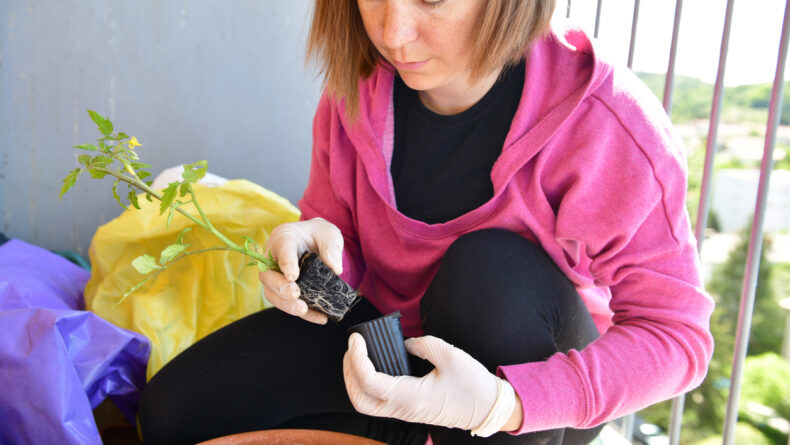
Since moving to Tokyo last year, I have missed growing vegetables, a hobby I used to love. Living on the third floor in a small apartment means I can have a couple of pots of herbs on my balcony, but there is no space for a proper vegetable garden. That all changed earlier this year, when some friends invited me to join them in renting a plot in a community garden nearby!
I love gardening because it helps me connect with nature, release stress and learn some practical skills. I also love the pleasure of eating freshly picked food. The veggies I grow are so much tastier and crisper than the ones I buy in the supermarket.
As climate change continues to alter our world, there has been a resurgence of interest in urban gardening. It’s one way to live a more sustainable life and to learn skills that previous generations took for granted. Community gardens, also known as allotments, are an excellent option for people who don’t have space to grow food at their own house.
How My Community Garden Works
 © Photo by Melanie Barnes
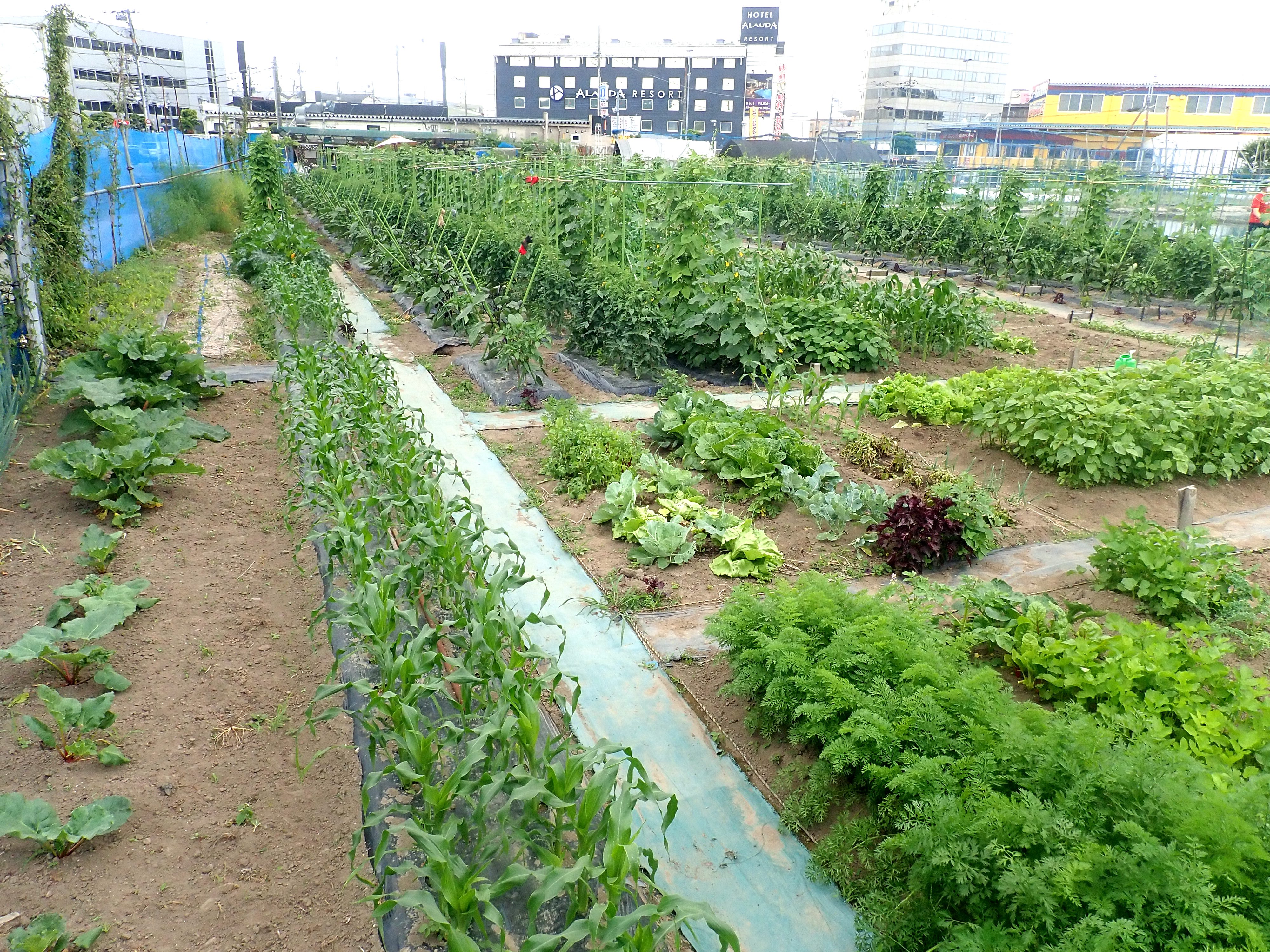
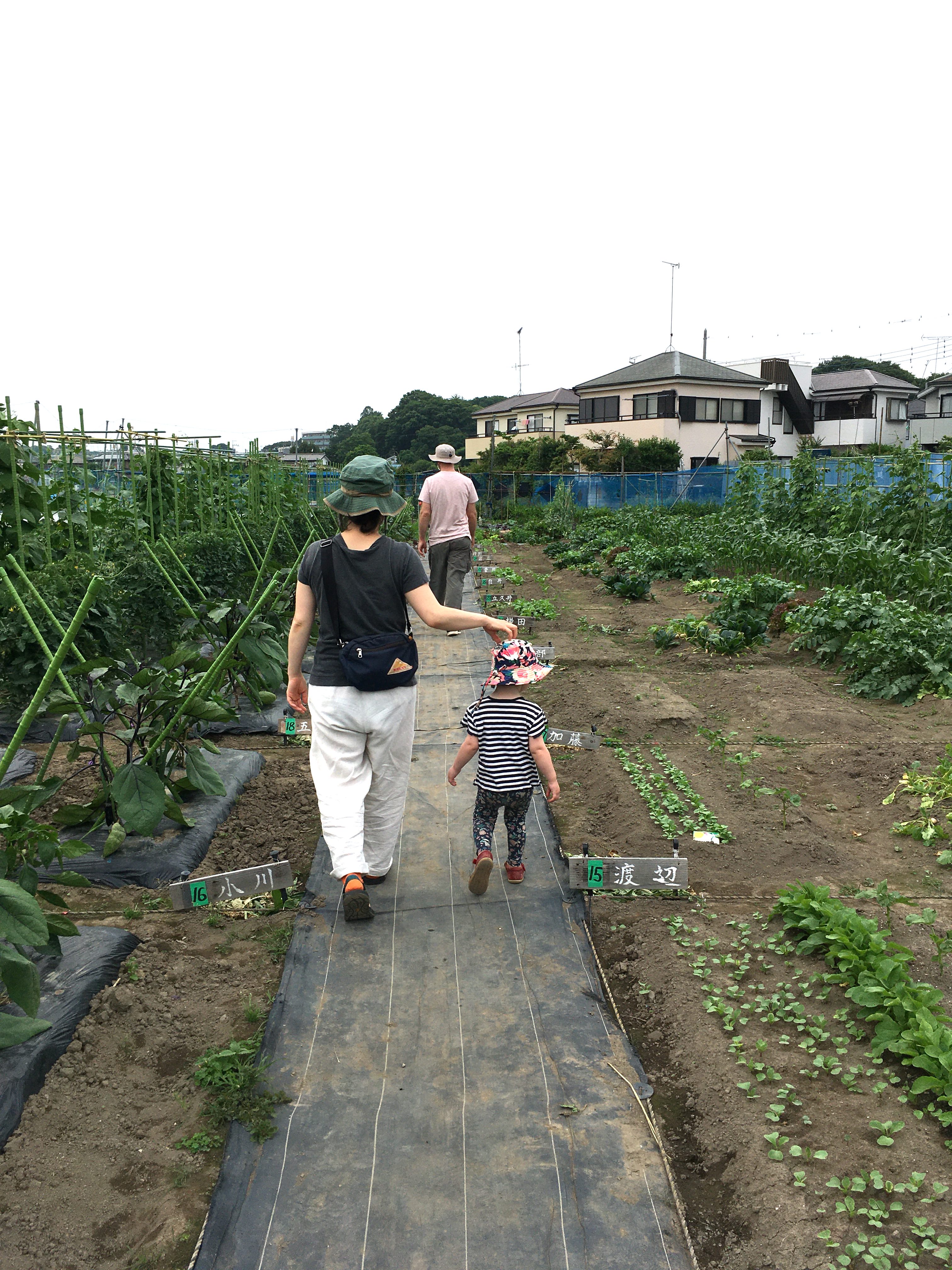
The community garden I’m involved in is located on a small, privately owned farm in Kunitachi, western Tokyo. The farmer has divided the farm into about 40 separate lots.
My family shares a plot with two other families. Sharing a plot is great because we split up the workload, which means that I can take a few days off if I need to! Even more importantly, we share whatever we grow, which means that I don’t have to worry about what to cook with 16 eggplants when they all ripen in the same week.
During summer, when the veggies ripen quickly, it’s necessary to visit at least two or three times a week to pick the quickly ripening vegetables. However, during the change of season, the workload drops significantly, and we may only need to visit two or three times a month.
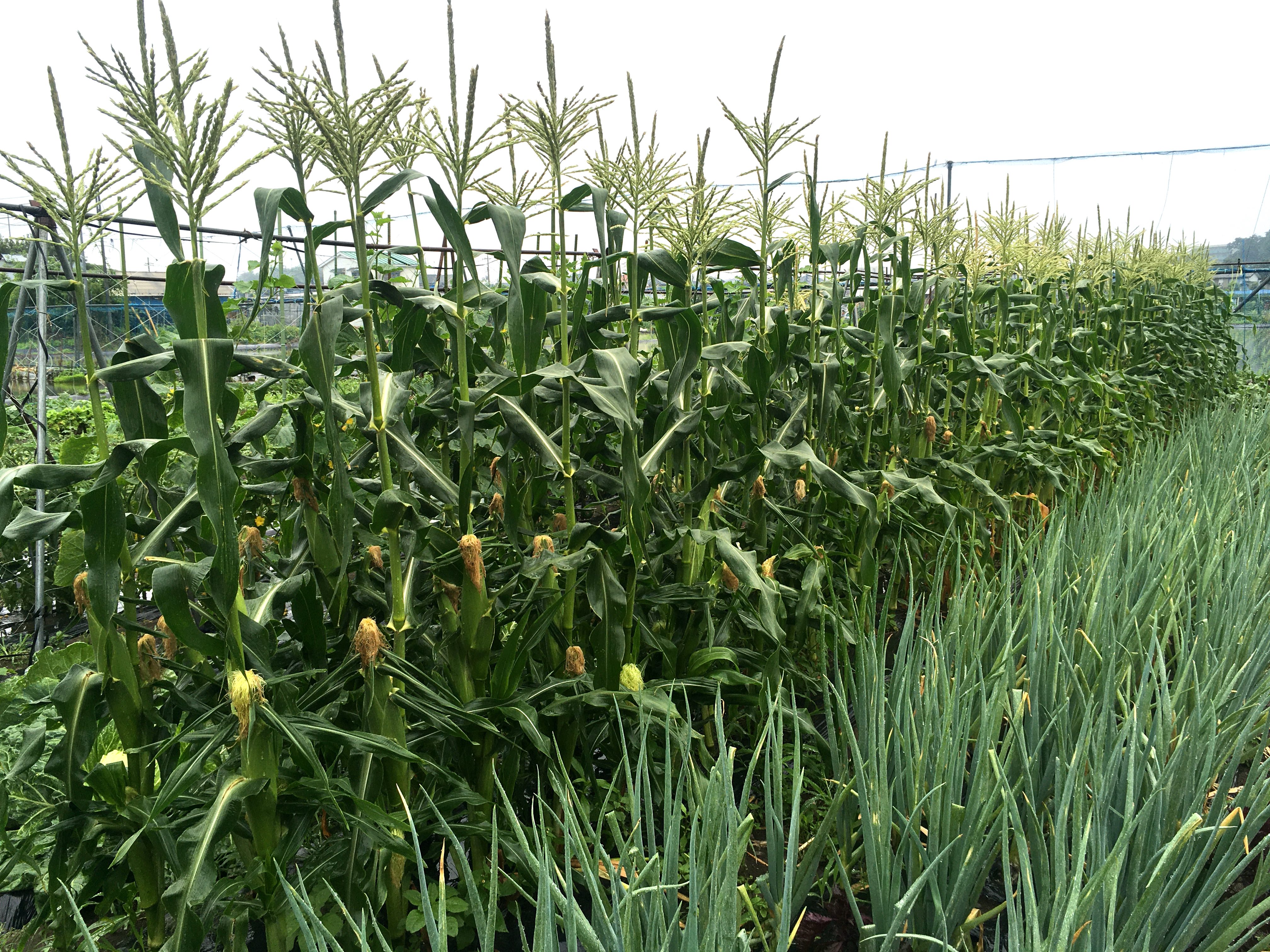
Right now, we are close to harvesting beans, radishes, eggplants, onions, potatoes, lettuce, capsicum and cucumber. We also have tomatoes and corn on the way. Despite sharing, the amount of vegetables we harvest each week is more than enough. It has replaced about half of the vegetables we used to buy.
Accessing The Garden
 © Photo by Melanie Barnes
Members can access the garden at any time of the day, which is great. This means I can visit when it suits me, either early in the morning before it gets too hot or late in the afternoon. Importantly, during these times, the garden is rarely busy, which allows for some well-deserved quality time for myself and my family.
Size & Price
 © Photo by Melanie Barnes
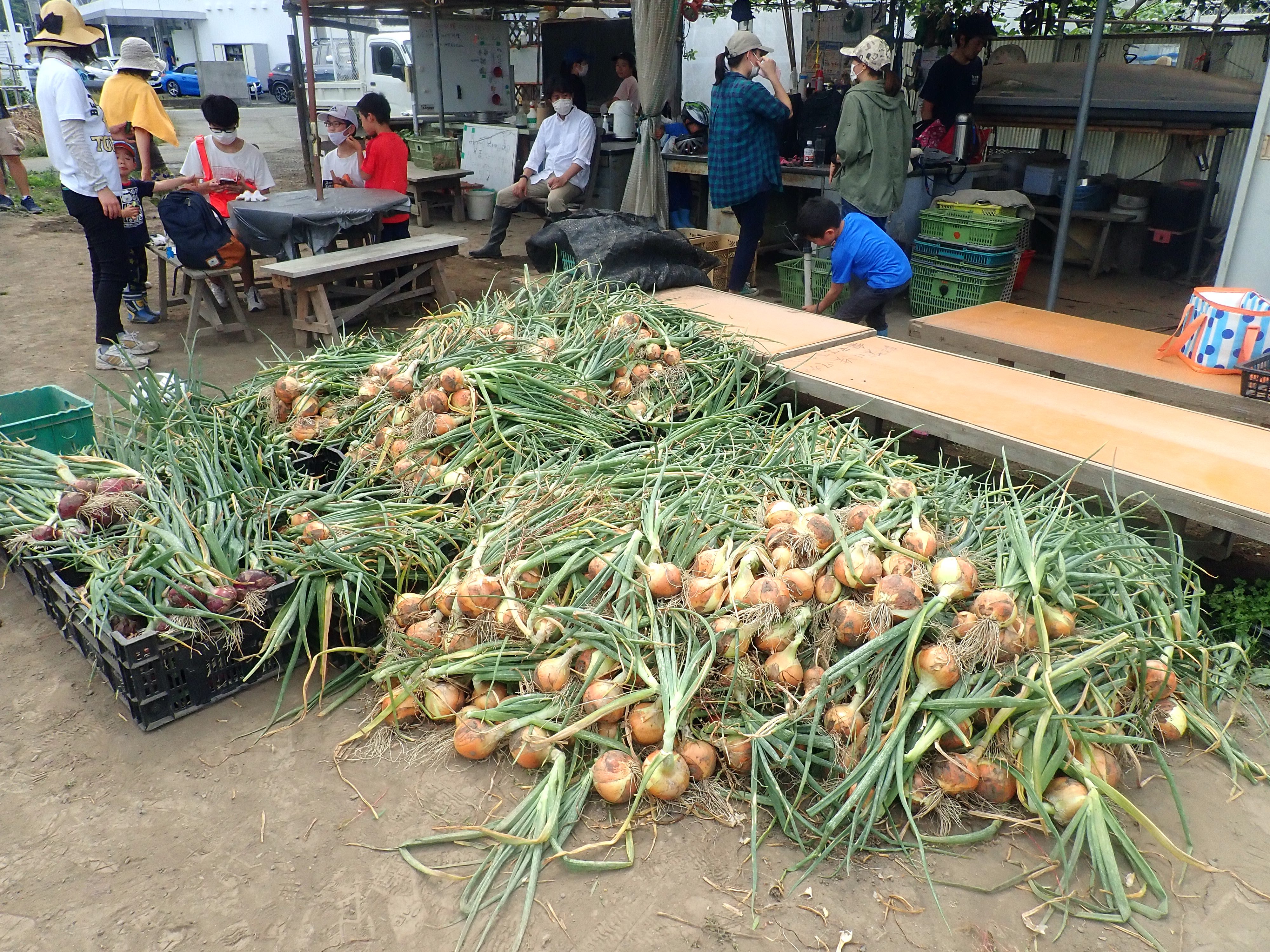
Besides the individual allotments, there are also larger plots planted with large-scale crops. One section of the farm is reserved for a rice paddy, potatoes and onions. Members come together at monthly meet-ups to plant or harvest the communal crops, which are shared amongst everyone.
Our plot is 20㎡, and altogether we paid ¥40,000 for one year. This includes the use of all gardening tools and seeds, and—most importantly—we get to take home all the food we grow.
Perfect For Beginners
 © Photo by Melanie Barnes
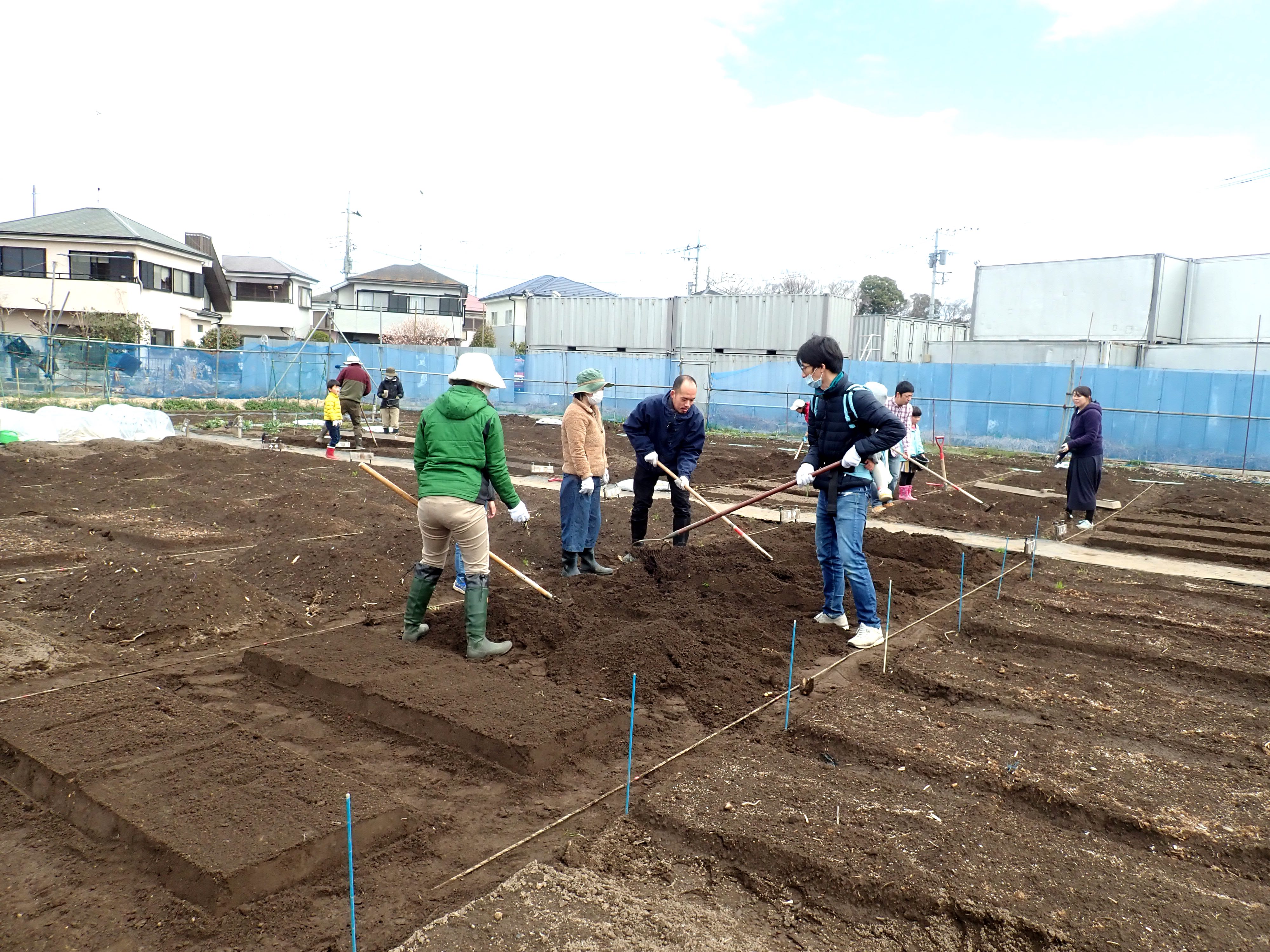
The really good news for first-time gardeners is that help is available whenever it’s needed! At my garden, several farmers are on staff who guide us in what to plant and how to care for the plants. They taught me how to pick the lower leaves off the tomato plants to encourage them to grow upright, and if my plants get attacked by bugs or mildew, they are on hand to help me solve the problem.
It’s worth noting that not all community gardens have staff to support their members. Some gardens are set up to allow members to garden independently, which means they can grow what they want and supply their own equipment—these plots are usually cheaper to rent, too.
Nature School For Kids
 © Photo by Melanie Barnes
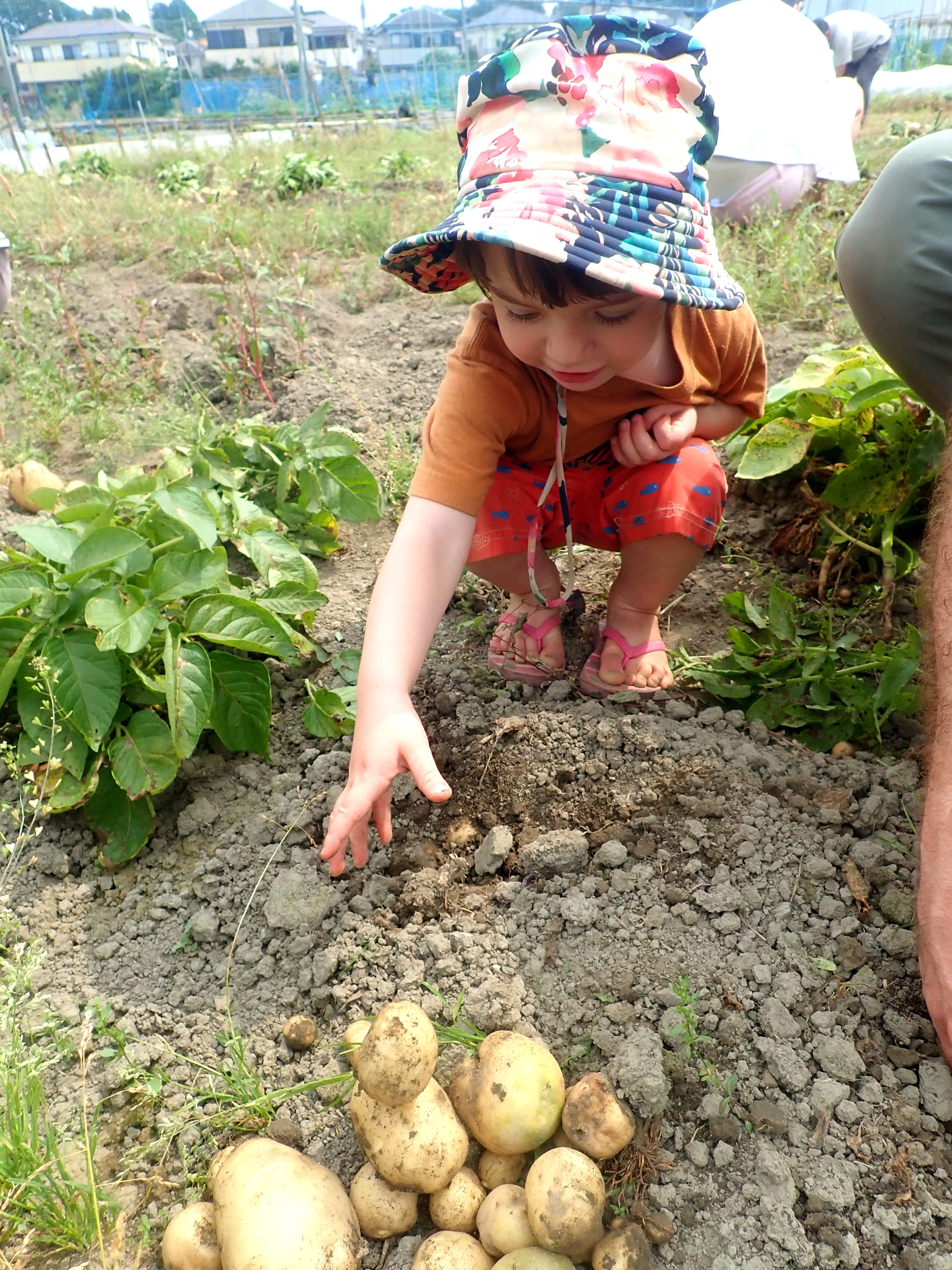
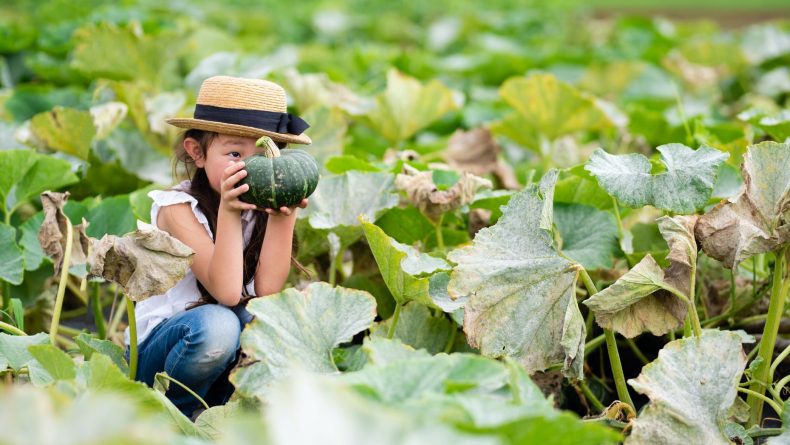
My daughters, aged two and four, love coming to the garden. They help weed and pick the vegetables, and there’s plenty of space for them to chase each other around. It’s an excellent place to go bug-catching, and they have even learned there the difference between a tento mushi (ladybug) and a dango mushi (slater bug).
My kids’ diet has also benefited from being a member of the garden. My four-year-old typically refuses to eat anything green or leafy, but she couldn’t resist devouring a ripe cucumber she’d just picked off the vine!
I asked a friend who is also a member of my community garden what she likes about the place. She told me the garden is great for her four-year-old son and the other kids who come. “They catch crayfish in the canal and play with their friends. They get really dirty, and I think that’s great. They’re really active when they come here,” she said.
Finding Your Community Garden
 © Photo by Melanie Barnes
There are more than 300 community gardens in Tokyo, half of which are located inside the 23 wards. Applications for plots open once or twice a year. But for many gardens, you might need to apply several months in advance—for example, applications might open in December for an April start.
Not all community farms use organic methods to grow vegetables. At my farm, we use synthetic fertilizers to boost plant growth and spray insecticides to kill bugs. We also use black plastic sheets on the soil to suppress weeds. However, if you are looking for an organic farm, Sharebatake has 46 farms across Tokyo. Its website says its farms are pesticide-free and only use organic fertilizers. The website is in Japanese only, but it’s not too hard to navigate using a translator.
Tips For Non-Japanese Speakers
If you are a non-Japanese speaker, don’t leave just yet: it’s still possible to join a community garden. The biggest barriers are locating a garden and finding someone to help you fill out the initial paperwork.
- Find a garden in your area. However, many privately run community gardens don’t appear online. So, if you see a farm in your neighborhood, pop in with a friend who speaks Japanese and ask if they have any space available.
- Once you’ve joined, there’s a good chance that someone on the farm will speak a little English and can help you if you get stuck. On a week-to-week basis, you can visit the farm by yourself and do jobs such as weeding, planting and picking vegetables without needing to speak Japanese.
- If you can’t join a community garden immediately, there are also farm stays where you can stay overnight. The Farm in Chiba is one place where you can stay in glamping-type accommodation and help with the vegetable harvest.
- For further help with gardening in general, the Japan Gardening Exchange Facebook group is an active group for English-speakers that is a great place to get advice about gardening in Japan.
Not up for dealing with a full garden yet? Start small with these Japanese vegetables to grow on your balcony or grow your own Japanese herbs and spices.
Do you have any experience joining a community garden in Japan? Let us know about it in the comments.
This article has been republished with the latest information for 2025.






Related Articles You Might Like
Organic Food in Japan: 10 Tips For Buying It
Dear fellow conscious foodies, let me share the tips that helped me, help you.
By Anisa Kazemi
Grow Your Own Japanese Herbs and Spices
Enjoy the myriad health benefits, delicious tastes and sublime aromas of the Japanese herbs and spices listed below which will also grow happily on your...
5 Japanese Vegetables to Grow on Your Balcony
Not every tasty vegetable on your plate in Japan can be easily grown in a pot (looking at you, gobo!). But, the five below take...
Beyond The Screen: 8 Activities To Stimulate Young Kids
Make screen zombies a thing of the past with this list of eight ideas to break up with the tablet or phone and get back...
Leave a Reply