Do These 2 Things When You Feel Like The Only Outsider In Your Japanese Community
How To Bloom Right When You're The Only Rare Flower In Town

When you feel left out, invite yourself in.
According to the latest statistics, there are just a little over 3.7 million foreigners currently residing in Japan. Although this may seem a significant number, perhaps it loses its weight when compared to the colossal 123.1 million of the country’s entire population. Naturally, the native people of Japan heavily outnumber the foreigners. In other words, when living in the very inaka (rural Japanese countryside), everyone is Japanese except you. You may even feel like you’re the only outsider in your Japanese community.
Now, if you love the attention, that might be ok with you. But if you’re a sensitive gal like me, this can make your life pretty darn tricky, especially if you’re coming from an increasingly multicultural country such as New Zealand. Why does it matter? Well, theoretically it shouldn’t, but we’re flawed human beings with a heck of a lot of feelings, and sometimes, we can’t help but feel like a complete and utter outsider (with four legs).
My Many Inaka Tears
 © Photo by Anisa Kazemi
I can’t speak for urban expats, but for me, being a foreigner in my incredibly rural Japanese Okayama village posed various discomforts. For one, almost everyone openly stared (sometimes with their mouths wide open!).
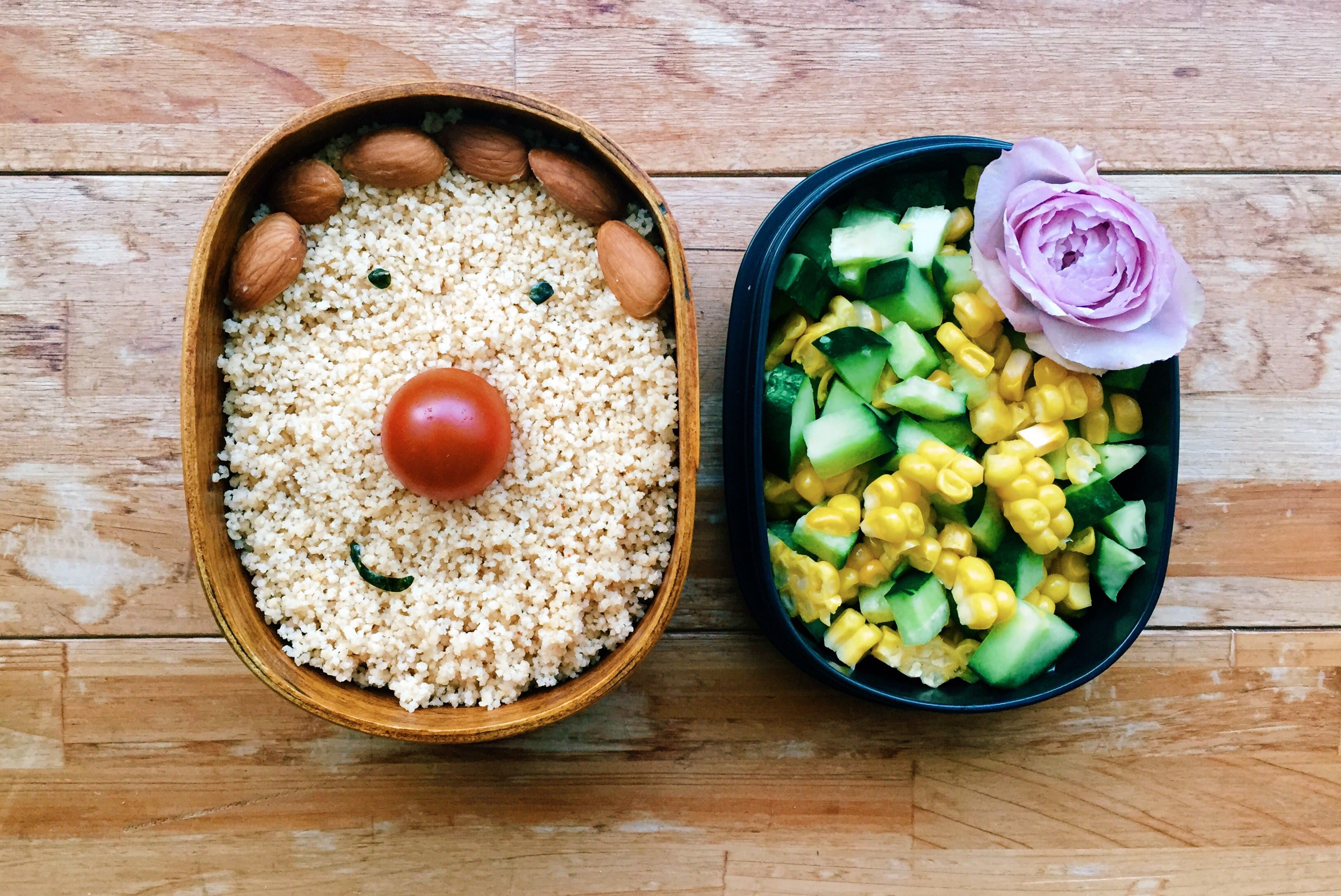
In their defense, I look noticeably different: my skin is darker, my nose is longer, my hair is way curlier and my butt and thighs are bigger. Also, my mannerisms were unlike theirs. For example, my bento (lunch box) usually contains lots of nuts and legumes and things vegetarian—a term almost non-existent in my deer and boar-hunting village.
In addition, I don’t peel my persimmons, figs or grapes; I hardly ever use an umbrella (both for sunshine and rain); I like getting a sun tan, and I clock out of work when my shift ends. All of this contributes to feelings of being treated like an outsider—or at least perceived as one.
Don’t get me wrong, this happens everywhere. And it’s perhaps normal.
Even in New Zealand, a super diverse nation, my Iranian family and I were and still occasionally are subject to prejudice, more so when we were small-town dwellers. At school, my sister and I were the butt of “bomb” and “terrorist” jokes. Worse off was my father, a walking stereotype; a Middle Eastern taxi driver with thick black facial hair.
However, when looking past the ignorants making the offensive comments, we’d see an Indian person, a Chinese individual and a Samoan/Tongan/Fijian/you-name-it family all sharing the same walkway, which helped us feel a little less marginalized. However, in my very rural, very Japanese village, my tactic of adjusting to the local lifestyle was ineffective since looking outside (at others) for solace was evidently out of the question. This was a situation that used to leave me in tears more often than not.
Learning To Cope
The tears eventually brought me to the revelation that I shouldn’t have sought solace like that in the first place. In the end, for me, the way to cope came down to two obvious parallel steps.
1. Share Your Culture
 © Photo by Anisa Kazemi
As often as you can. Pick something from your culture—now, by that I don’t mean something from the country you’re from (though it can be), but rather something from your personal culture.
For me, that’s food!
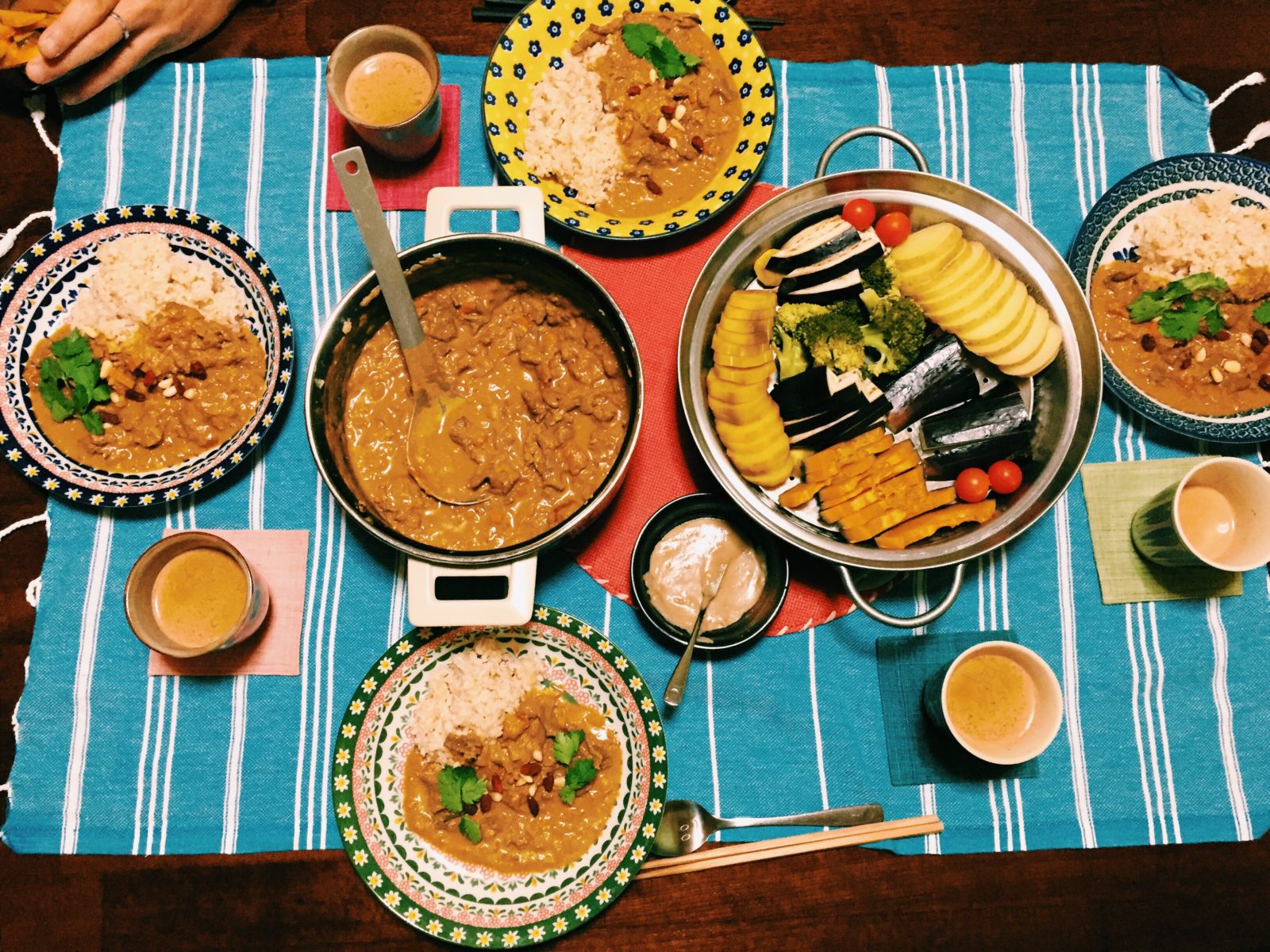
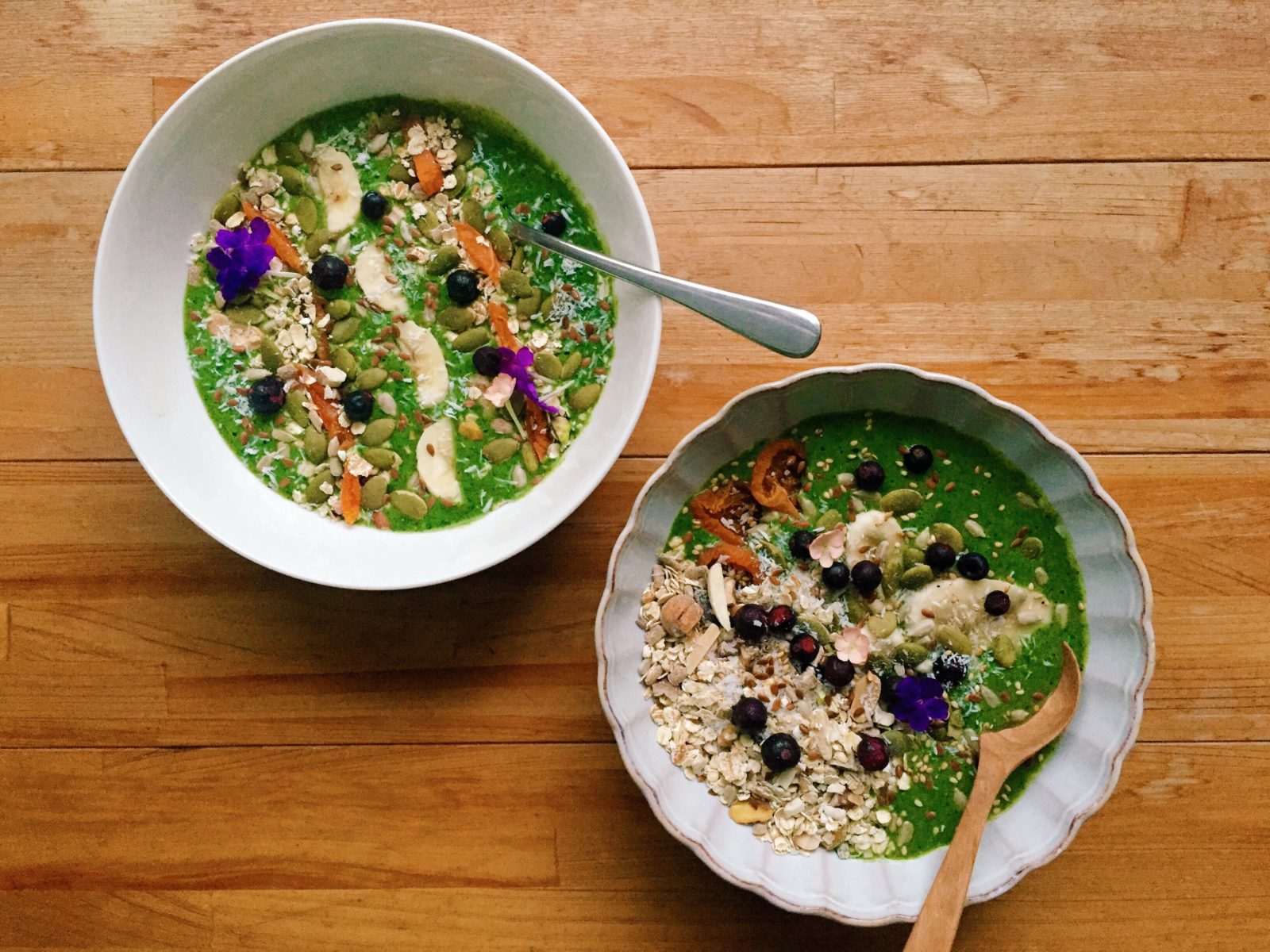
I believe there’s little in our world that can beat a good taco… or a freshly baked crumble… or my specialty: a too-pretty-to-eat smoothie bowl. So, I started by inviting one colleague over to my humble abode (trust me, asking was nerve-wracking) and making them a smoothie bowl.
 © Photo by Anisa Kazemi
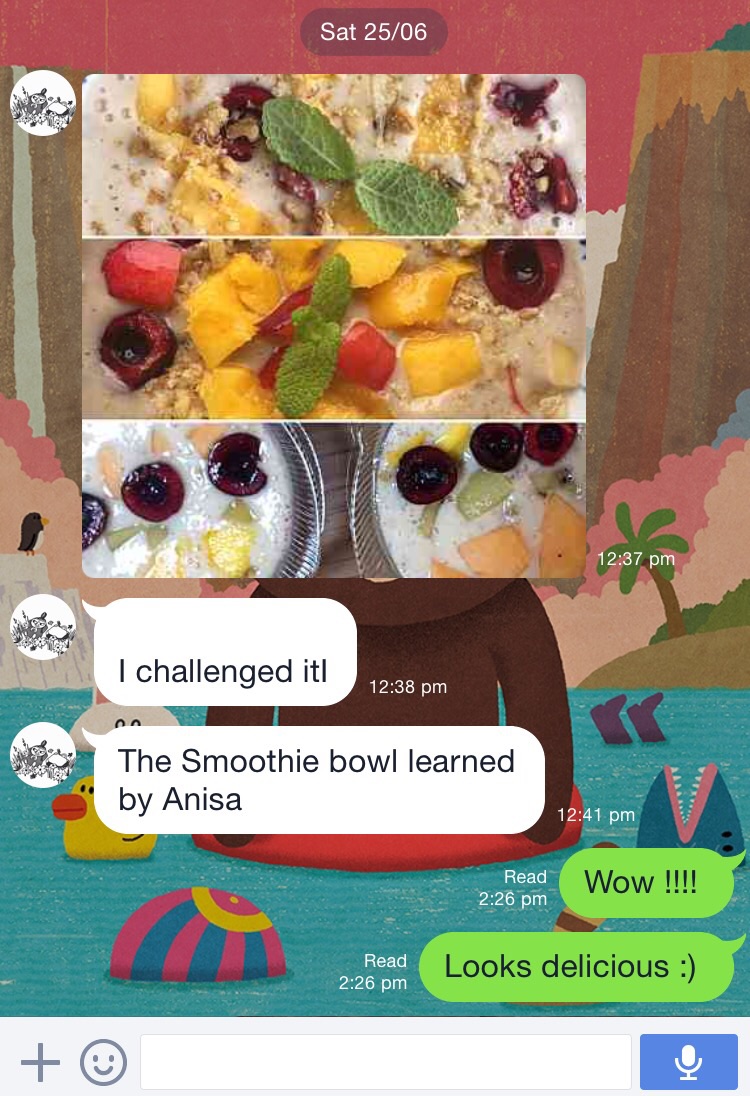
Of course, it was successful—who doesn’t appreciate a smoothie bowl? Inevitably, word of mouth spread, and in no time, my colleagues and I were having a potluck, mixing and matching our favorite recipes every week! Also, my original guest became a smoothie bowl fanatic.
 © Photo by Anisa Kazemi
And, flash forward two years, your so-called “staring neighbor” is now staying with you in New Zealand!
2. Appreciate Their Culture
 © Photo by Anisa Kazemi
Don’t get me wrong, it’s not about assimilation—I’m not asking you to suddenly know how to do a perfect 45-degree bow or do everything Japanese, but merely to appreciate the unique culture of your Japanese countryside. Remember, most visitors to Japan will never encounter the incredibly rich and traditional culture you get to be a part of.
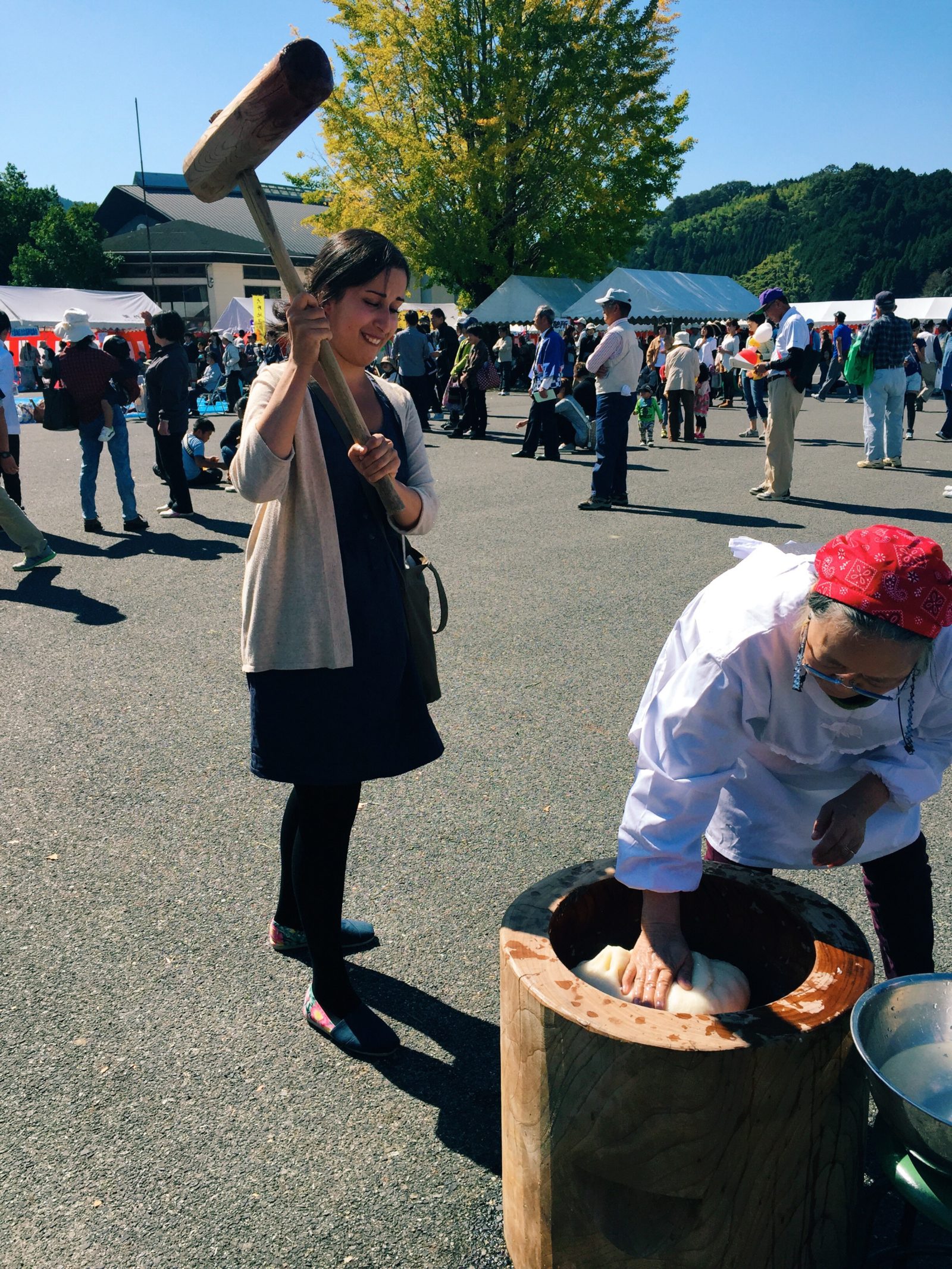
For me, that was participating in rural events such as peach picking (Okayama’s specialty), pounding mochi at Miyamoto Musashi’s festival and attempting the beautiful yet surprisingly difficult art of pottery.
If I interpret the unfriendly stares of my neighbors or one colleague’s snarky comments when I ate a raw capsicum as a treatment I am only receiving because of my “foreignness,” then I myself am actively contributing to the problem. For what am I to make of the endless love and generosity showered upon me by members of the same race?
There’s No Big Difference When You Dream Alike
 © Photo by Anisa Kazemi
In her novel Change of Heart, Jodi Picoult says:
“When you’re different, sometimes you don’t see the millions of people who accept you for what you are. All you notice is the person who doesn’t.”
This is a profound statement that sometimes takes longer to realize how true it is. It suggests that unity is, in fact, a conscious decision. However, I want to take Picoult’s idea a step further.
Apart from our physical features and man-made nationalities, are we actually that different? How often have you met someone from a completely different walk of life who shares your same hopes, dreams, worries or interests? Heck, my American fiancé and I are the living proof of this.
Unity is, in fact, a conscious decision.
My new realization is this: if we stop viewing ourselves as different from one another, we obliterate the idea of difference, of foreignness, and instead come to believe that we are all, in Bahá’u’lláh’s words, “the fruits of one tree, and the leaves of one branch.” No matter how alien we are in our appearance and in our behavior, we see a little part of ourselves in one another, becoming less sensitive to prejudice and helping eradicate it.
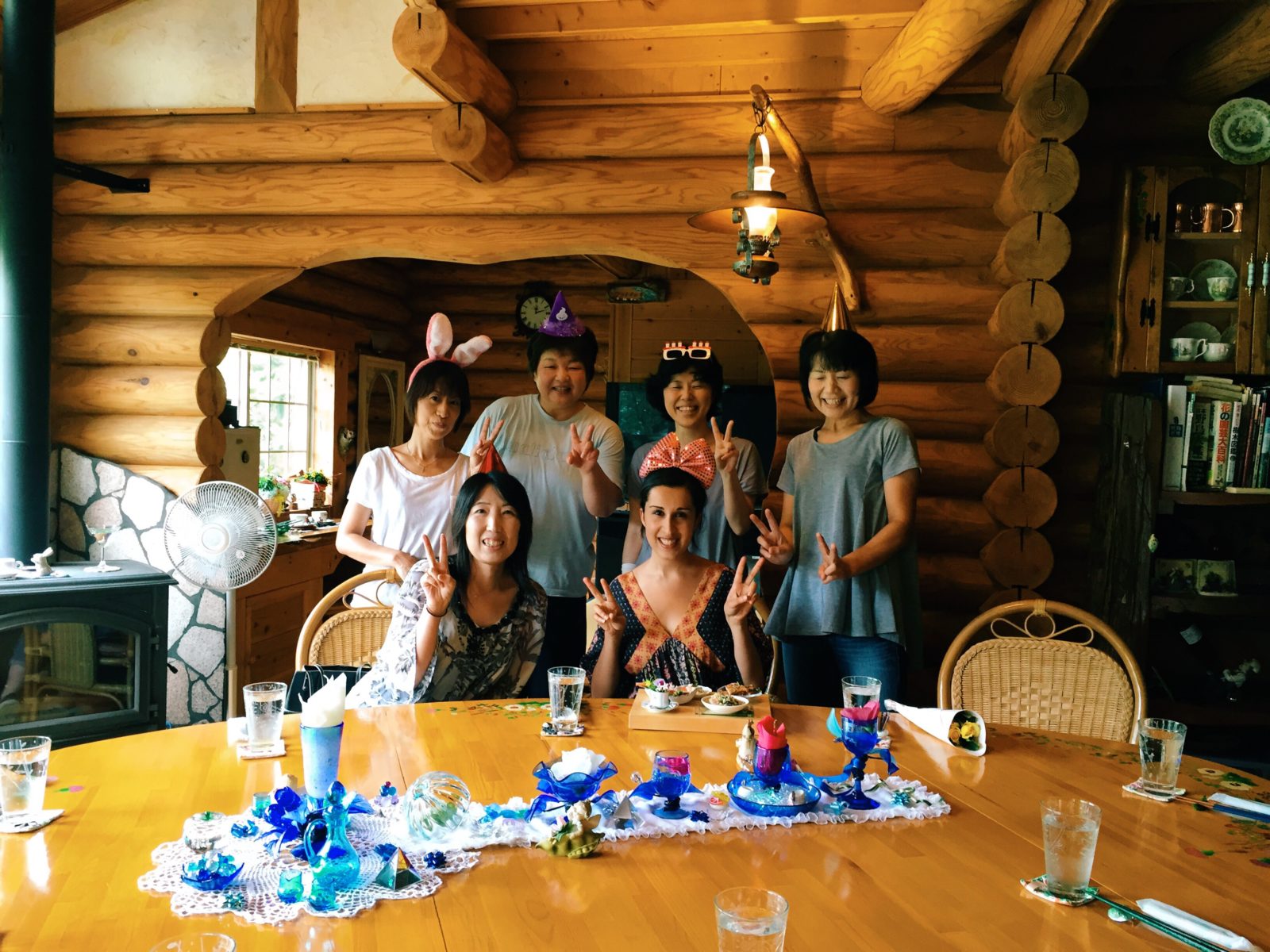
Above is a photo of my gorgeous Japanese colleagues, who live in the same rural village, throwing me a surprise ladies’ luncheon for my birthday. I am still grateful for that day. And if they ever come to see me here, I’d do the same for them.
Have you felt like the only outsider in your Japanese community before? How did you cope?
This article has been republished for 2025.









Related Articles You Might Like
From Tokyo To Kyoto: A Foreign Mom’s Journey Of Settling In Kansai
Learning the ropes of living in Japan's cultural capital can be tough.
How To Cope With The Shock Of Being An Outsider In Japan
No matter how long you live in Japan, the G-word can always bring you down. Or up.
Organic Food in Japan: 10 Tips For Buying It
Dear fellow conscious foodies, let me share the tips that helped me, help you.
By Anisa Kazemi

Coping With Weight Gain in Japan
This is not your typical body-positive rant. This one’s Japan-specific.
By Anisa Kazemi
Leave a Reply