Jiko Bukken: Would You Live In A Stigmatized Property?
A Property That May Cause Psychological Harm

Cheap housing in Japan can come with eerie implications.
Finding a safe, well-maintained, and reasonably priced home in Japan takes a lot of work. The more things you need an apartment to have, the more likely you are to run into trouble of one sort or another. So when you find an apartment that has a lot of amenities but a very cheap price tag, that instantly raises the question: Why? Nine times out of 10, the reason for the location’s low price tag is that it is a jiko bukken.
What Is A Jiko Bukken?
 © Photo by iStock: Actogram
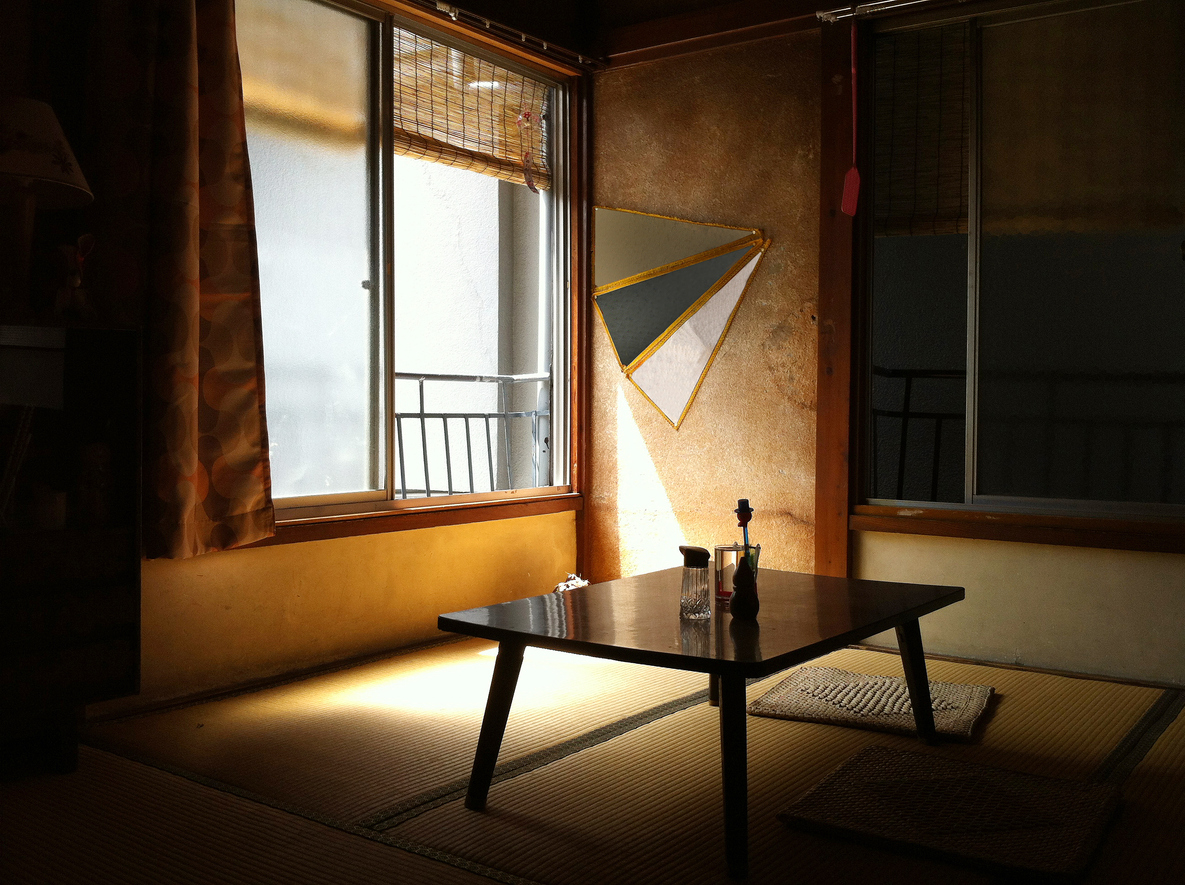
A jiko bukken (事故物件) is known in English as a stigmatized property. It may also be referred to as a shinriteki kashi bukken (心理的瑕疵物件) or “property that may cause psychological harm.” Generally speaking, what this means is that, while there is nothing currently wrong with the apartment/location physically, there is something “off” about it that could make living there less than ideal.
Right away, most people assume that there was a death in the house, be that by suicide, murder, accident or natural causes, but that isn’t necessarily the case. Other more common reasons for a property being listed as a jiko bukken include:
- Damage: Any building that has a history of fires, flooding or asbestos removal. It may also have had gas leaks, mold or animal infestations.
- Location: Constructed over an old well or spring. Located near a waste treatment facility, chemical plant or tourist destination with noise issues. It could also be close to graveyards, crematoriums or high-traffic accident areas.
- Criminal Involvement: It has been owned by or located near known criminal gangs. It may have been used as a brothel, drug den or phishing scam office.
- Human Issues: May have been owned by a cult. Could have had ownership problems or inheritance disputes and possibly owned by a stalking victim or someone with substantial debt.
- Fame/Infamy: Properties used in popular media, such as the Juon house. It may have been owned by someone famous or infamous. It is recognizable to the public as “that building or apartment.”
A Psychological Harm Causing Property
Going back to the term shinriteki kashi bukken or “psychological harm causing property.” This is used when a property may harm the occupant’s mental health. It could be due to someone else living there. It may also be because of hauntings or particularly gruesome deaths. Hidden damage causing health problems is another reason. Examples include intermittent carbon monoxide leaks and recurrent toxic molds.
Wait A Minute—Hauntings?
 © Photo by iStock: nifuito sugimoto
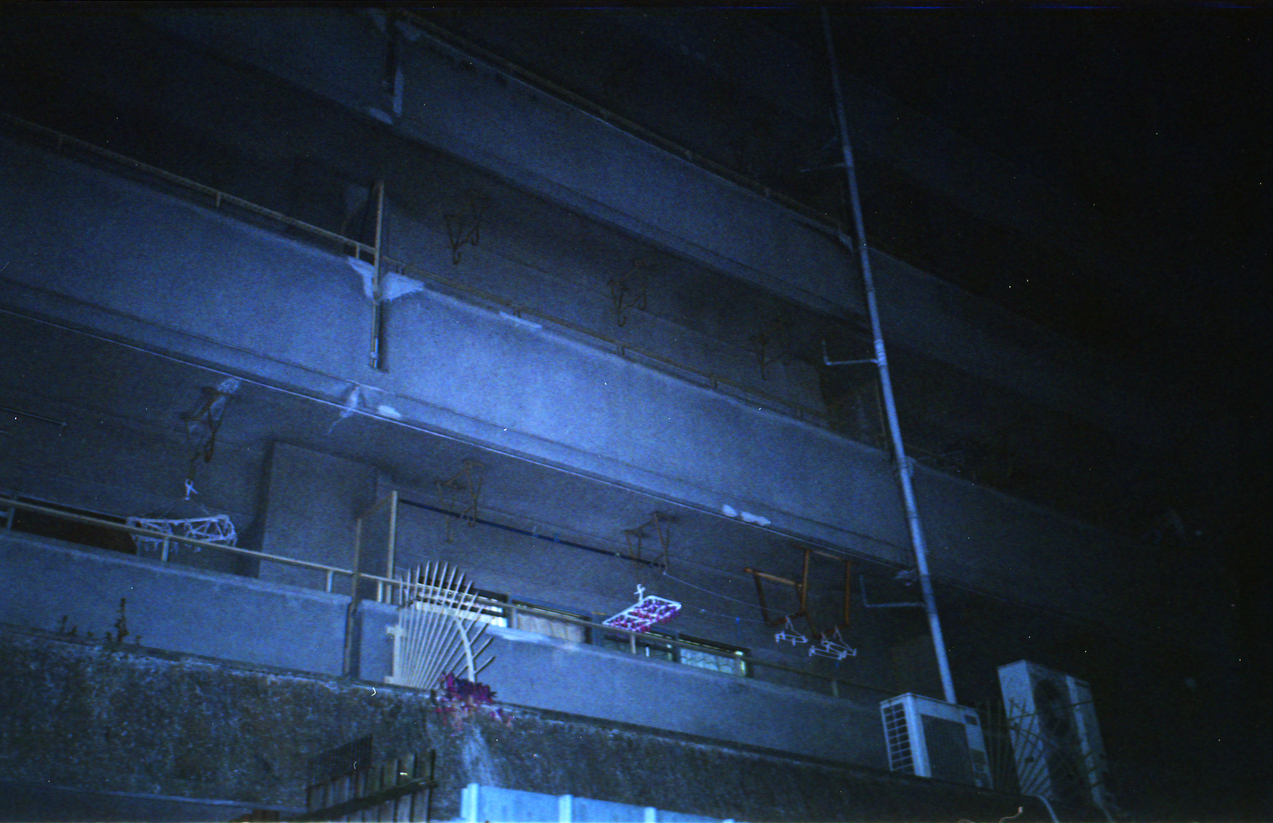
Hauntings are a valid reason for a property to be listed as a jiko bukken. Whether or not you believe in ghosts doesn’t matter legally. If previous tenants report paranormal activity, the property must be disclosed as such. The same rule applies when there’s been a death on the premises. While real estate agents can’t control what tenants experience, they are legally required to share any information tenants provide about the property.
The majority of Japanese do not follow any form of organized religion. However, they do hold their own spiritual beliefs, which often include beliefs about ghosts or spirits. As a realtor told me, “No matter what you believe, you know when something is different or not comfortable about a place—what reason you give for that feeling is entirely up to you, but we have to share it with future tenants.”
Some older real estate agencies also list apartments with the number four as potential jiko bukken listings. This association stems from the Japanese word for four, shi (四), and death (死 shi), but it has been waning in recent years.
The Legalities Of Renting A Jiko Bukken
 © Photo by iStock: Lazartivan
Anyone who rents anywhere in Japan is given a disclosure document known as a 重要事項説明書 (Jyuyojiko Setsumeisho; “Explanation of Important Matters”) form. This document must be provided on paper and explained in person to the renter. It sets out all the details of the rental agreement process.
Within that document, there is a section that will mention if there is anything you need to know about—告知事項あり (kokuchi jiko ari; “item of note”). This is where they are legally obligated to tell you that what you are about to rent is a jiko bukken. However, there are a lot of grey areas with this.
What? When? How?
While they technically have to inform the renter of any issues/stigma surrounding the property, whether to declare something as such is largely left up to the realtor’s discretion. Not only that, but the timing of the “incident” is a factor as well.
No matter what happened in a given location, realtors are obliged to tell successive potential tenants that it occurred. From my own apartment hunting experiences, realtors tend to mention:
- Buildings with location or damage issues for up to 10 years
- Crime or human-related issues tend to stop being mentioned after about five years
- For deaths, it comes down to what the manner of death was (they won’t share any grisly details, of course). It ranges from two to 10 years.
- Famous buildings or those involved in particularly heinous events will be mentioned so long as the location is rentable.
Note that I said obliged to tell successive tenants, not legally obligated. There is nothing to stop a landlord or realtor from renting an apartment to an individual for a month or two, or even “renting” it to themselves, to circumvent the need to notify successive tenants of a location’s jiko bukken status.
This isn’t technically illegal, but it isn’t very nice and has gotten some realtors caught up in civil court battles. One of the most important things to remember when renting is to ask about the history of the location and whether anything has happened there.
How Cheap Are Jiko Bukken?
 © Photo by iStock: miura-makoto
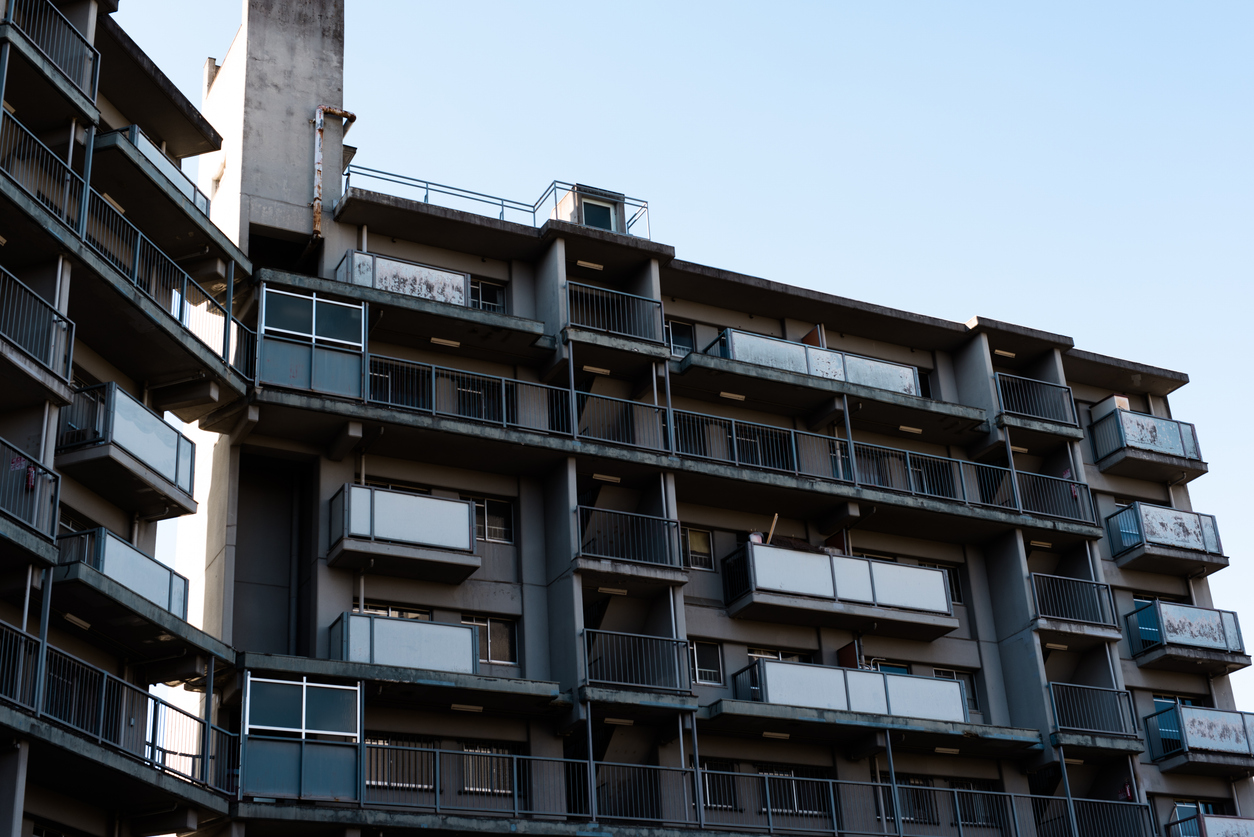
A friend of mine, when renting an apartment 30 years ago in downtown Tokyo, got a steal on the rent. He rented apartment #404 on the fourth floor of a nice building, which just so happened to be where a suicide took place. Not in the apartment, though—the previous tenant had jumped from their balcony.
There was nothing wrong with the apartment. However, the combination of the suicide and room number earned him a ¥90,000 discount compared to his neighbors. He lived there for decades and saved a fortune, all the while living within the Yamanote line area.
Nowadays, though, there aren’t any hard and fast rules for what sort of discount a given type of jiko bukken warrants. From looking at different realtors’ websites and talking to agents, it seems that you can save anywhere from 15 to 30 percent off the average rent for a given area or building—the higher the discount, the “worse” the stigma is heavily implied.
The Jiko Bukken Boom
 © Photo by iStock: kyonntra
Finding a cheap place to rent while you save up money for a more permanent home elsewhere can make life a lot easier. If that apartment is stigmatized, then there’s probably less competition for it, right?
Not necessarily. With the influx of people moving into Tokyo and other major cities, the number of elderly people dying alone in apartments (creating jiko bukken), and the high cost of rent, the practical and non-superstitious are snapping up jiko bukken almost as soon as they come on the market.
There are even real estate agents who specialize in listing Jiko Bukken. So, if you’re in the market for a new home and don’t mind it being a stigmatized property, companies like Jobutsu Estate or Okomari Fudousan Kaiketsu Honpo are happy to assist.
Curious as to whether you already live in a jiko bukken and just don’t know it yet? The website Oshimateru is a jiko bukken, ghost hunter or crime buff’s dream come true. Although available in English as well, the Japanese site is updated far more frequently by users. It is considered very credible by casual and serious jiko bukken and true crime fans alike.
So, the question remains: Would you live in a stigmatized property?





Related Articles You Might Like
Machida: All The Shopping Without The Crowds
Want a day in the city without all the crowds? Then Machida is your stop!
By Hilary Keyes
Kawasaki: A Guide To Japan’s Art-Filled Industrial City
Want to see what lies outside of Tokyo, but don’t have much time to travel? Head to Kawasaki!
By Hilary Keyes

Celebrating International Women’s Day in Japan 2026
Looking for a fun way to celebrate International Women’s Day? Here are some events to get you involved this March!
What the Year of the Fire Horse Means for Your Chinese Zodiac Sign
What is in store for you in 2026? The jyunishi (Chinese zodiac) offers predictions for the upcoming year of the fire horse!
Leave a Reply