Japanese Superfoods: Wasabi
A spicy condiment that packs a punch

Wasabi serves a lot more functions than adding flavor.
Wasabi, along with soy sauce, is known internationally as the go-to condiment for sushi and sashimi. Some people love it, some people hate it, some people have never actually had the “real” stuff, but it’s another of Japan’s great superfoods.
What Is Wasabi?
 © Photo by iStock: Promo_Link
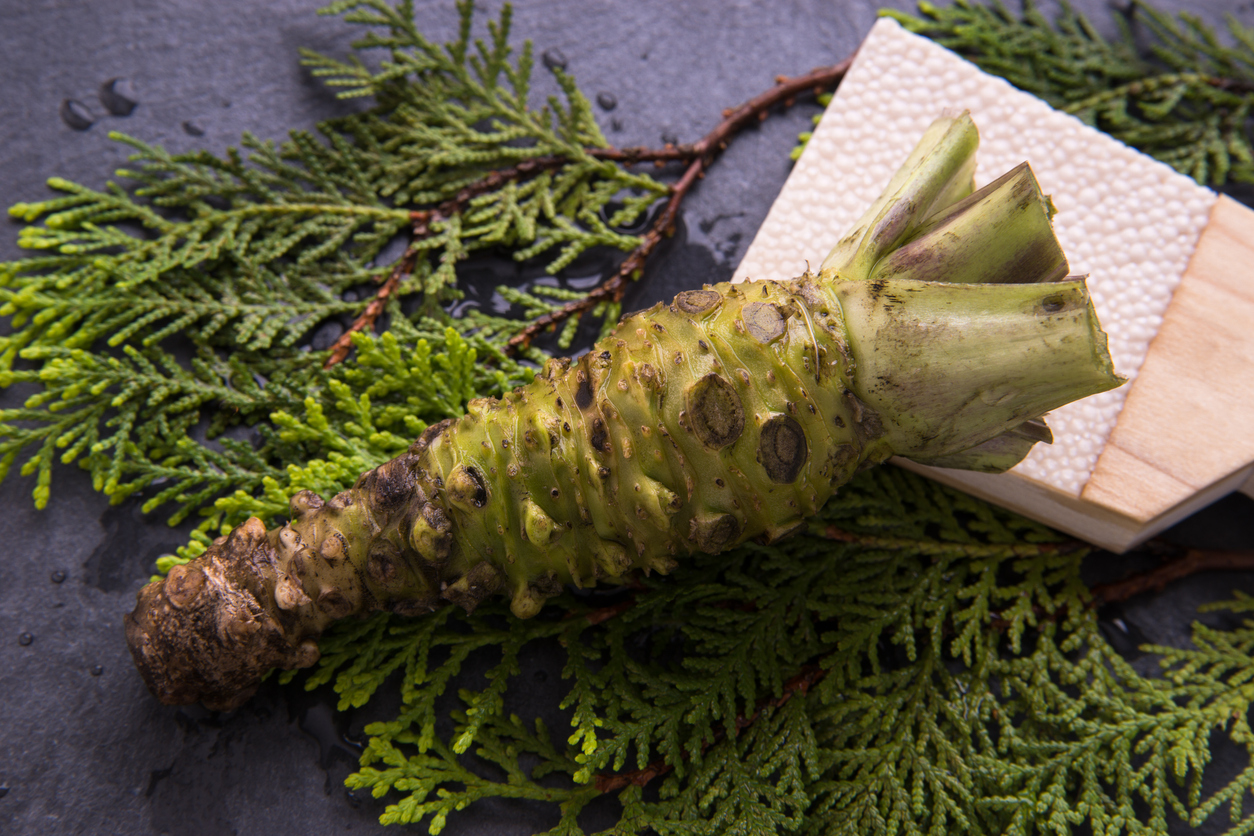
わさび or 山葵 (wasabi) is Japanese horseradish, and part of the mustard family. Native to Japan, it can also be found in the Korean Peninsula, Sakhalin and the eastern side of Russia. It grows naturally along stream beds, especially in mountain river valleys across Japan.
Wasabi has been eaten in Japan since the Nara/Heian eras. However, it was then consumed as part of a cold soup. In the Edo era, it was used as a garnish with sashimi, soba and pickled vegetables. It later became the standard garnish for sushi.
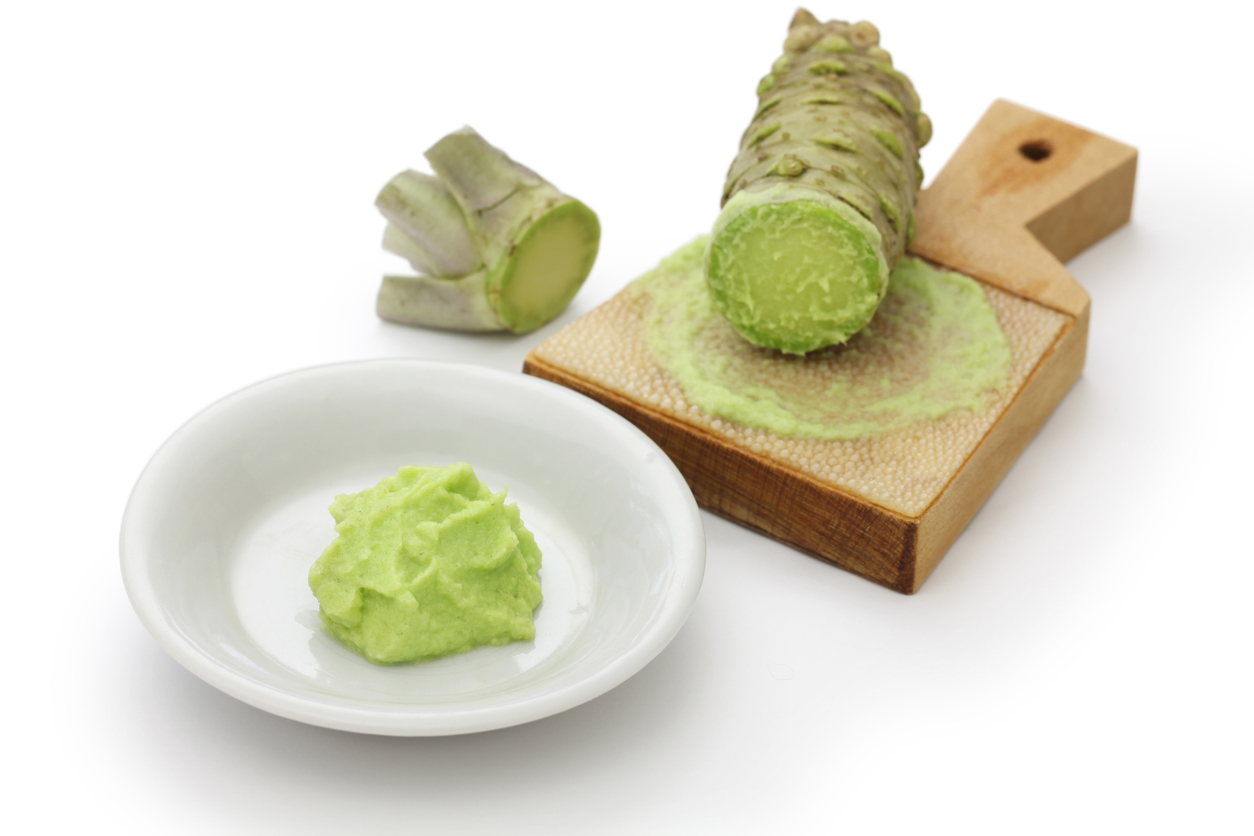
The rhizomes (rootstalks) or the main body of the wasabi are ground into a paste and used as a condiment. While similar to hot mustard and horseradish, it has a subtle, distinct flavor when grated that many find addictive. It’s traditionally grated using coarse sharkskin graters but metal or plastic graters are also used nowadays.
Real vs Fake Wasabi
 © Photo by iStock: bonchan
While primarily found in the Izu Peninsula of Shizuoka Prefecture, wasabi plants are also farmed in Nagano, Iwate and Shimane Prefectures. It’s impossible to grow them in a commercial capacity, which means that the real stuff is expensive. A single rhizome to grate at home can run anywhere from ¥800 to ¥2,500.
The plants are also very fussy as they are:
- Intolerant of direct sunlight
- Require temperatures between eight and 20 degrees Celsius (46 to 68 degrees Fahrenheit)
- Prefer high humidity during their summer growing seasons
Fresh paste loses its flavor quickly if left exposed to the air. It therefore must be grated and used as soon as possible. That’s why it’s grated fresh on the spot in high-end restaurants, and often sandwiched between the fish and rice in sushi restaurants.
So What’s The Fake Stuff Made Of?
It’s no secret that all wasabi isn’t created equal. As the condiment has gained popularity over time, commercial options have been developed to meet demand.
Wasabi sold in Japan comes in bottles and tubes, and is usually made from dried wasabi powder. Overseas, most pastes are made from other ingredients such as horseradish, mustard and may not even contain any wasabi whatsoever. Often, green food coloring or spinach powder is added to mimic the appearance of fresh wasabi.
Health Benefits
 © Photo by iStock: yukimco
Real wasabi is a superfood in that it contains isothiocyanates, just like cruciferous vegetables like broccoli and cabbage. It’s packed with:
- Vitamins A, B1, B2, B6, C
- Folate
- Calcium
- Iron
- Manganese
- Magnesium
- Zinc
- Phosphorus
- Potassium
Other studies show it to have anti-bacterial, anti-inflammatory and anti-cancer properties, and may also promote fat loss. It may also help lower cholesterol, reduce blood clot formation (which reduces the risk of stroke and cardiac arrest) and also help lower blood pressure.
As it contains sinigrin, a glucosinolate that helps clear sinus congestion and thin mucus, it can be particularly helpful during cold and flu season too!
Why It Works So Well With Raw Fish
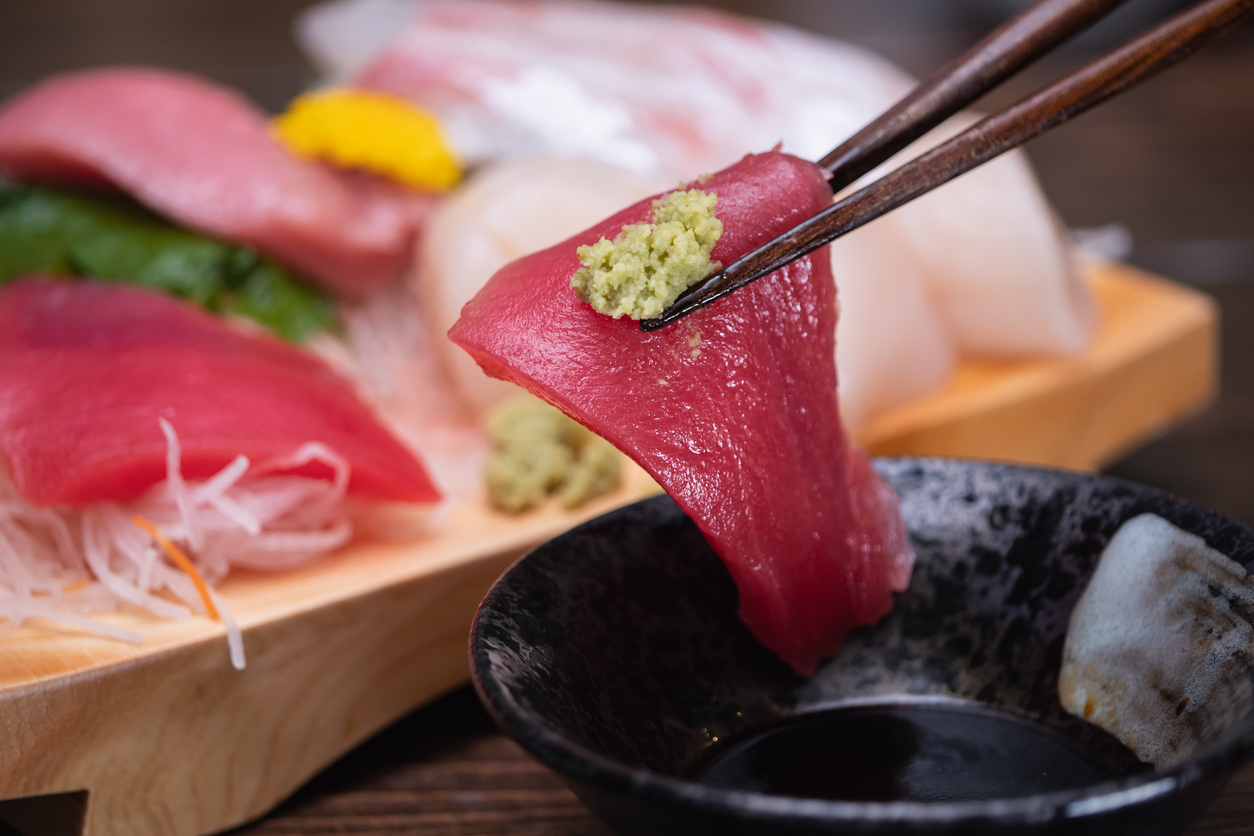
Part of the reason why wasabi is so intricately linked to raw fish is that it’s considered an antidote for food poisoning. It contains allyl isothiocyanate, which has been proven to inhibit the growth of E. coli, Salmonella sp, H. pylori and Staphylococcus aureus, the bacteria that cause food poisoning and ulcers, which can lead to stomach cancer, and may also help to prevent tooth decay as a result.
Real wasabi is also an antiparasitic; the isothiocyanates released when wasabi is ground are effective against Anisakiasis, a parasitic disease caused by worms found in cod, salmon and squid.
How To Enjoy It
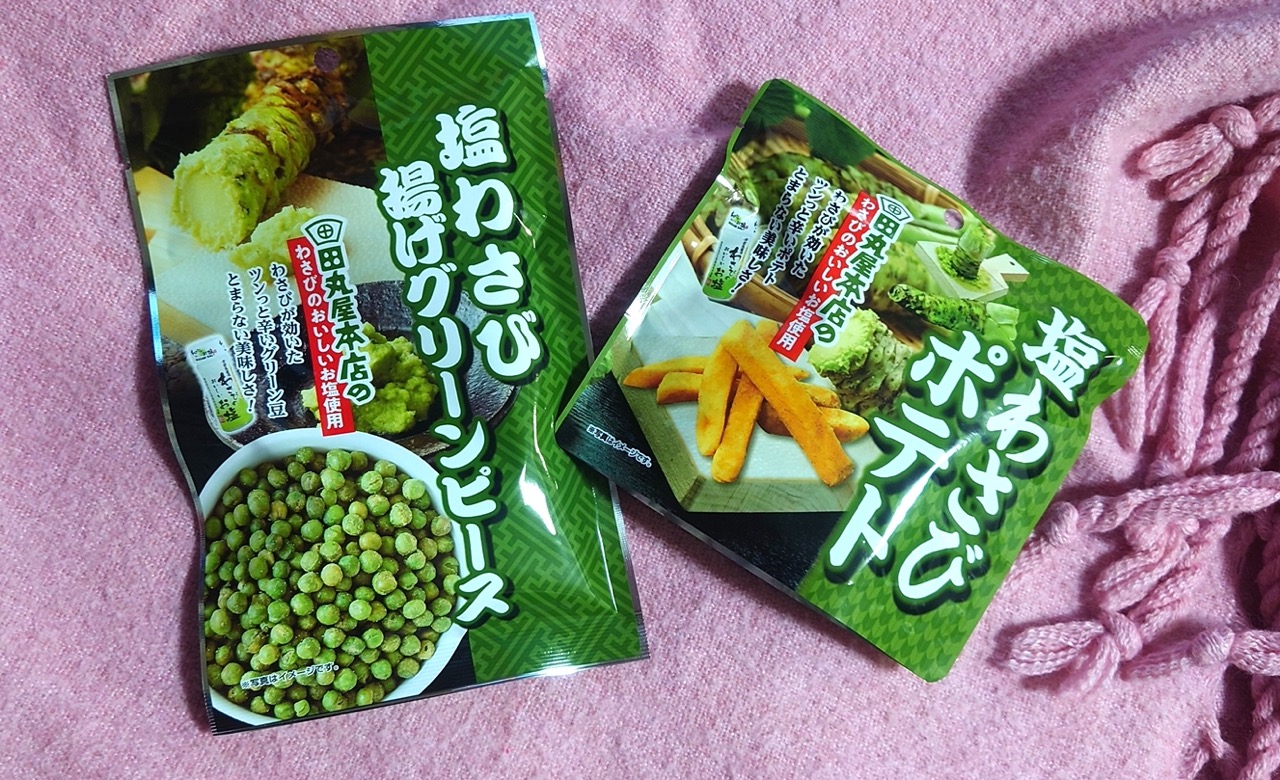
Wasabi is not something you should eat in large amounts. The sharp, pungent spice of it hits the nose and sinuses in such a way that excessive consumption can lead to headaches in some people. Small amounts of the paste can be added directly to raw fish, used in marinades, added to sauces for steaks or used as a spicy seasoning on snacks.
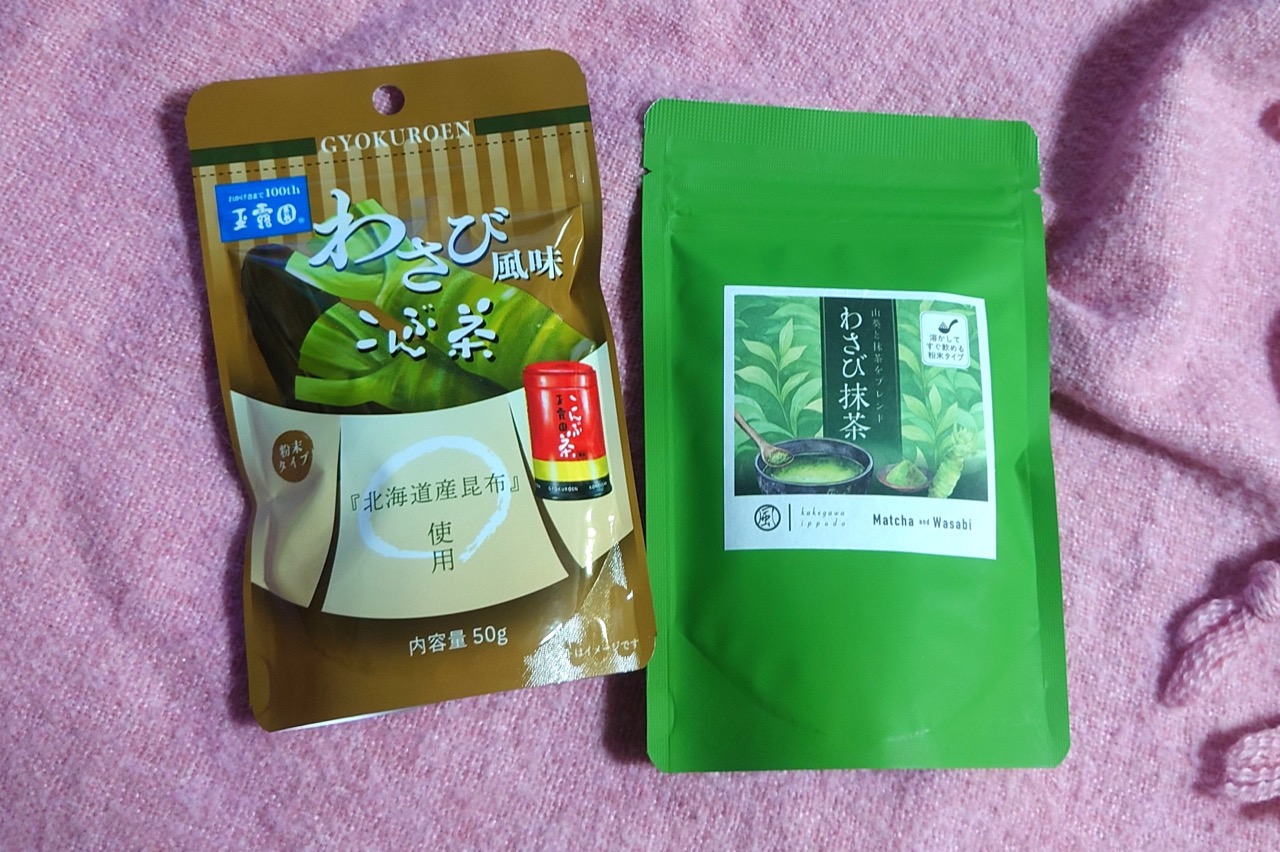
Fresh wasabi leaves are also spicy and are commonly added to rice balls and salads, but can cause diarrhea. The tea isn’t spicy at all, but has a mellow yet flavorful taste that some say is better than that of green tea alone.
If you haven’t tried its other forms, you may want to consider adding it to your diet.











God how I love wasabi…whenever I find some by a riverside I take a piece and craft something delicious!