Getting The Birth Control (Oral Contraceptive) Pill in Japan
The "piru" explained

The percentage of Japanese women who take oral contraception is still minimal in comparison to women in the West, where it reigns as one of the most popular forms of birth control. But fear not ladies, here are the ins and outs of purchasing birth control pills in Japan.
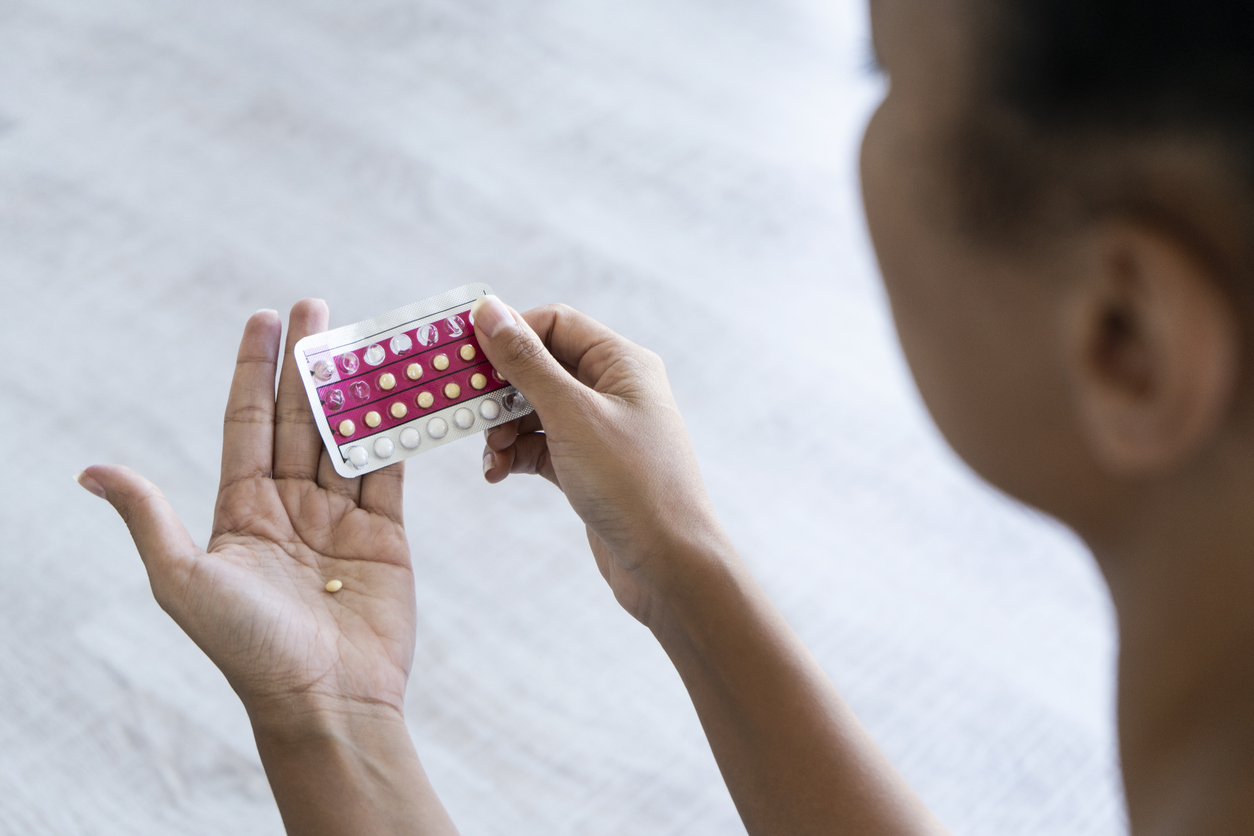
The birth control pill in Japan is known as keikou-hinin-yaku (経口避妊薬) but more commonly referred to as “piru” (ピル). They were only legalized in 1999, four decades after they became available in the West. Japan was, in fact, the last U.N. member to approve the drug, and this delay has had a knock-on effect on its popularity even today.
But in reality, it remains a relatively cheap, effective and increasingly accessible method of birth control that you can get with a little effort.
Why The Pill Obsession?
 © Photo by iStock: Mindful Media
The pill became available in the 1960s and symbolized liberation for Western women at a time when abortion was still largely illegal due to religious taboos. For many of us, that era came with awkward high school health classes and learning how to put condoms on bananas—cringe-worthy, yes, but also part of the reason contraceptive choice feels more familiar in the West than in Japan.
Here, the picture is different. Condoms still dominate the scene, along with withdrawal, temperature-tracking and the rhythm method. For some, the hesitation around the pill comes from fear of side effects or a simple lack of information—sex education in Japan still doesn’t widely emphasize female contraceptive choices.
Abortion is legal if you become pregnant, but unlike many other countries, you cannot arrange it alone unless the partner is unknown. Married or partnered women must have their partner’s written consent, and procedures are usually more expensive than back home.
How Do I Get The Pill in Japan?
 © Photo by iStock: takasuu
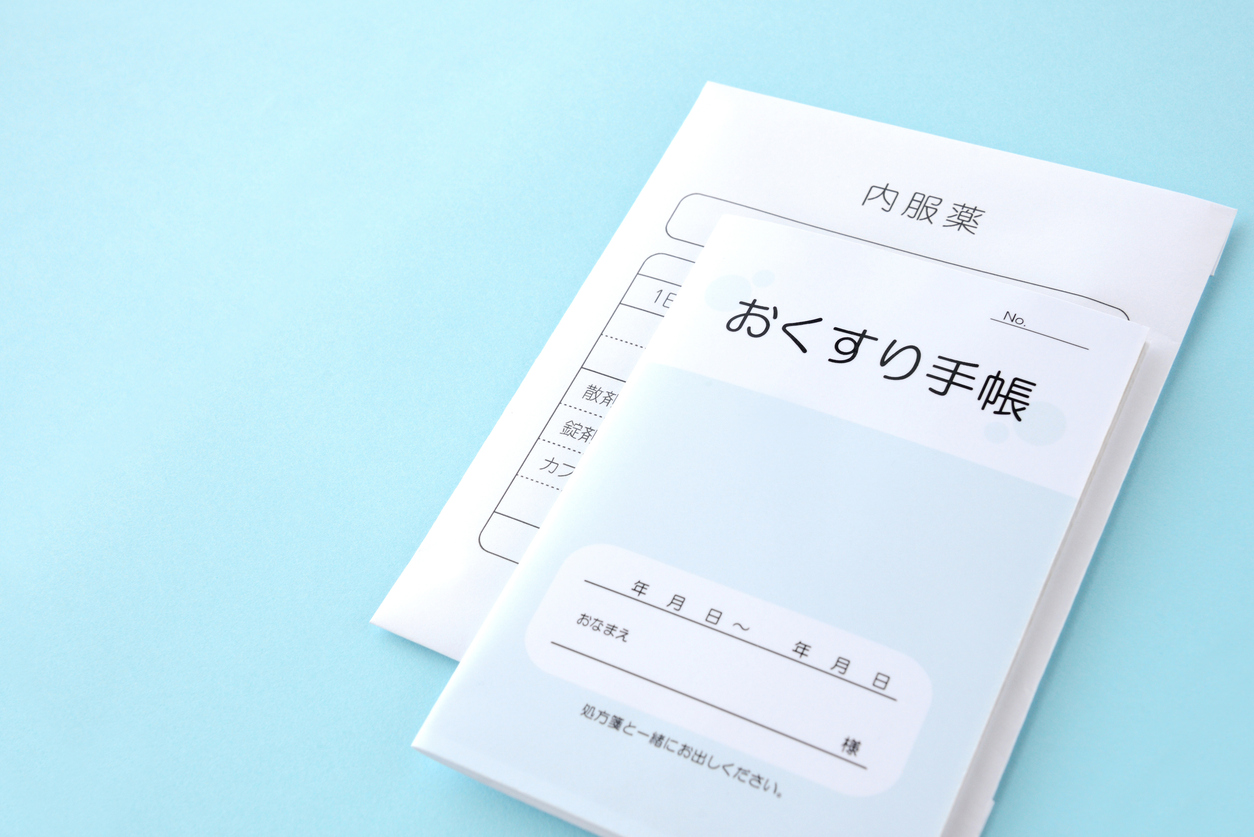
The process is relatively straightforward: visit a gynecologist, have a consultation (often including a blood test on your first visit), and get a prescription. A month’s supply usually costs around ¥3,000, depending on the brand and your doctor. My gynecologist was incredibly helpful and friendly, but others may still be conservative about prescribing it, so experiences vary. Overall, access has been steadily improving.
One important note: National Health Insurance (NHI) does not cover the pill. However, if you ask your doctor to prescribe you a pill you were already taking overseas, depending on the brand, there may be options for a pill that is covered by the NHI.
What Types Of Pills Are Available?
 © Photo by iStock: EyeEm Mobile GmbH
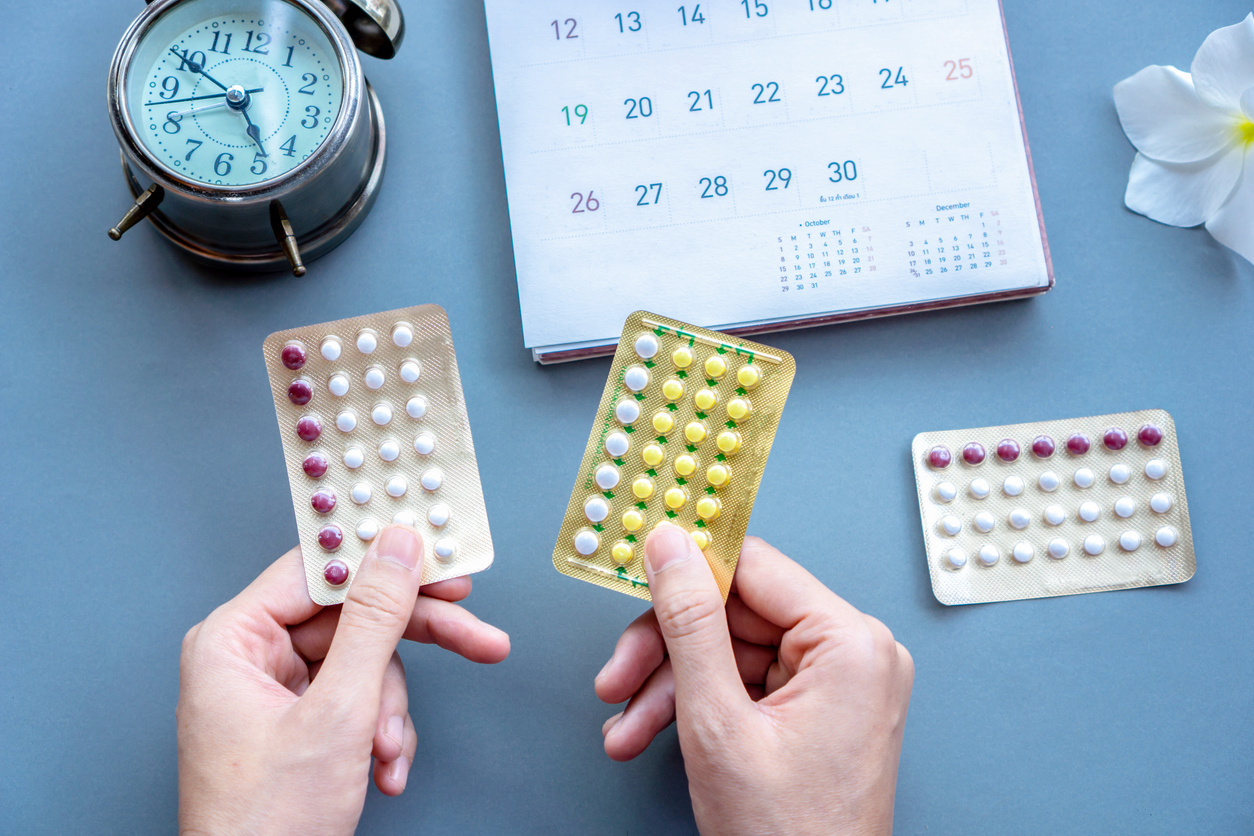
Japan offers a selection of low-hormone combined oral contraceptives (estrogen + progestin). These come in both monophasic (same dose throughout the cycle) and multiphasic (varying doses) types.
- Monophasic pills: Marvelon (マーべロン), Ortho M-21 (オーソM-21), Yaz (ヤーズ)
- Multiphasic pills: Triquilar (トリキュラー), Ange (アンジュ), Synphase (シンフエーズ), Ortho 777 (オーソ777)
As of June 2025, Japan has finally approved its first mini-pill: Slinda 28 (スリンダ), a progestin-only oral contraceptive. Now available nationwide by prescription, it offers a safe option for women who cannot take estrogen or who prefer a lower-hormone choice.
Emergency Contraception (The Morning-After Pill)
 © Photo by iStock: Lalocracio
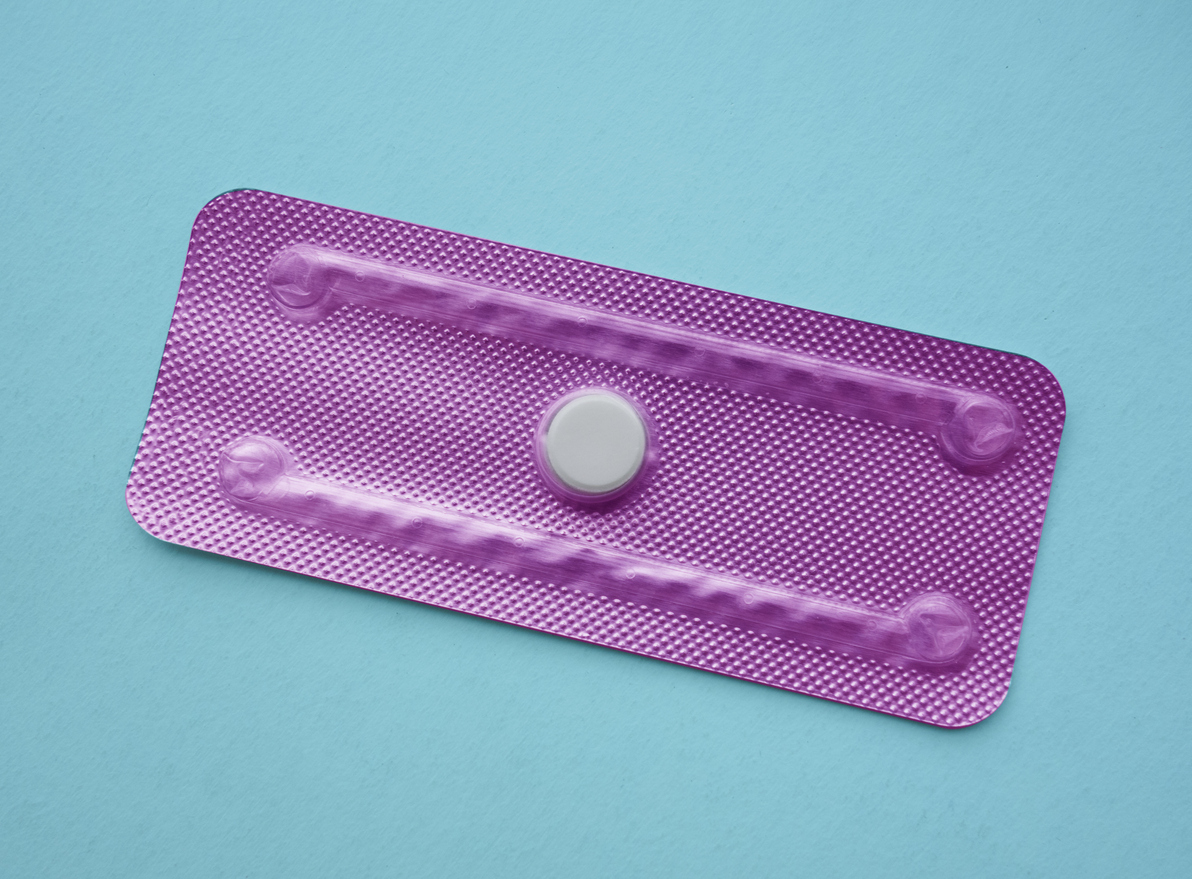
Until recently, getting the morning-after pill in Japan required a prescription, which meant calling ahead to clinics (not all stocked with it) and making an appointment. This was a significant barrier, considering that effectiveness is highest within 24 hours.
For the first time, Japan will allow over-the-counter sales of the emergency contraceptive pill. NorLevo (ノルレボ錠 1.5mg) will be available directly at pharmacies under the supervision of a pharmacist. There will be no age limit and no need for parental consent; however, expect to pay anywhere between ¥7,000 and ¥10,000 per pill.
This follows nationwide trials where more than 80% of participants supported making emergency contraception prescription-free. While official rollout is expected later in the spring of 2026, the shift marks a historic change in reproductive healthcare here.
For now, if you need it before the rollout, you’ll still need to call a clinic and ask for the kinkyū-hinin-hō (緊急避妊法), or mo-ningu afutaa piru (モーニングアフターピル).
Find an English-speaking women’s clinic in Tokyo.
Japan still has a way to go when it comes to women’s health, but things are changing—albeit slowly. The upcoming launch of over-the-counter emergency contraception and the arrival of mini pills are significant steps toward broader choice.
Never forget: the birth control pill (regular or emergency) does not protect against sexually transmitted infections (STIs). Condoms are still the only protection for that. Stay safe, stay informed, and let’s keep the conversation going!
For other contraceptive options, don’t forget to check our full article about contraception in Japan.
This article has been updated with the latest information for 2025.
Comments
Leave a Reply


Related Articles You Might Like

Contraception in Japan
Safe sex takes some conscientious planning—and that's when you already know the language and cultural conventions. What do you do when you're looking to get...
By Hilary Keyes

Going To The Gynecologist In Japan
Your guide on what to expect when going to the gynecologist in Japan.
Japanese Condom Brands: A Savvy Guide
There are plenty of options when it comes to Japanese condoms, but which are the best brands?
By Hilary Keyes

Abortion Laws & Support in Japan: A Foreigner’s Guide
Wherever you are in the world, abortion is not a pleasant topic. Being faced with the dilemma of an unwanted (or unsustainable) pregnancy when you...