Abortion Laws & Support in Japan: A Foreigner’s Guide
What to expect & where to go if you have to take that path

Wherever you are in the world, abortion is not a pleasant topic. Being faced with the dilemma of an unwanted (or unsustainable) pregnancy when you are a foreign national in Japan, however, can be terrifying. Here is what you need to know in case this happens to you.
For some people, becoming pregnant in Japan is great news. It can be the start of an exciting new chapter of your Japan life, and a source of great happiness. However, for some women, carrying an unplanned pregnancy to term feels like an impossible prospect, whether due to financial constraints, social pressure, health or personal reasons. In such cases, understanding your options for abortion in Japan becomes essential.
Is Abortion Legal in Japan?
 © Photo by iStock: spawns
Depending on your home country, attitudes and regulations regarding abortion may be more or less lenient than you are used to. In Japan, abortion is legal under the Maternal Protection Act, and permitted if continuing the pregnancy would seriously impact the woman’s physical health or cause significant economic or social hardship. It is also legal in cases of rape or incest, and must be performed before 22 weeks of pregnancy.
In April 2023, Japan approved its first abortion pill, known as Mefeego (a combination of mifepristone and misoprostol), for pregnancies up to nine weeks. However, as of 2025, medication abortions still account for a small percentage of total procedures.
Abortion is still not uncommon. According to the Ministry of Health, Labour and Welfare, 126,734 abortions were reported in fiscal year 2023. Although this number reflects a continuing decline from earlier decades, it demonstrates that abortion remains a widely utilized option for those facing unplanned pregnancies in Japan.
What To Know In Advance
 © Photo by iStock: draganab
If you’re facing the difficult decision of terminating a pregnancy in Japan, it’s important to know your rights, the process and what to expect ahead of time. While the experience can feel overwhelming—especially in a foreign country—having accurate information can help you feel more in control.
Timing Matters
If you suspect you’re pregnant and are considering an abortion, act quickly. Abortion in Japan is legal up to 21 weeks and 6 days (just before the third trimester), but the sooner you act, the simpler and more affordable the procedure tends to be. After 22 weeks, abortion is only permitted if the pregnancy poses a serious risk to the woman’s life or health, and even then, it requires special approval and is rarely performed.
Medical vs. Surgical Abortion
Access to medical abortion in Japan is gradually expanding, but it remains limited and closely regulated. The pill must be taken at a designated medical facility, and most clinics require you to stay for observation, even though the medication is taken orally. Currently, only a small number of clinics across the country offer this option, so it’s important to check availability early.
For most women, especially those past nine weeks, a surgical abortion is still the most commonly available option. These are typically performed at obstetrics and gynecology (ob-gyn) clinics, especially in larger cities like Tokyo, Osaka and Nagoya.
Consent Requirements
Something that may come as a surprise—particularly to women from Western countries—is that partner (or spousal) consent is often required for an abortion in Japan. This is due to the continued enforcement of Article 14 of the Maternal Protection Act, which states that both the pregnant person and their spouse must consent to a termination.
While there are exceptions—such as if the partner is deceased, missing or if the pregnancy is the result of rape—you must usually provide documentation in those cases. In practice, however, many clinics do not verify the identity of the consenting partner. This means that some women choose to have a male friend sign the form, though clinics vary in how flexible they are with this approach.
It’s also important to note:
- Unmarried women are not legally required to obtain spousal consent. However, many clinics still ask for a signature, even if it is not legally necessary.
- Women experiencing abuse or coercion may find this requirement particularly difficult—support organizations (listed later in this article) may be able to assist.
Preparing for Your Appointment
Once you book an appointment, the clinic will provide detailed instructions about:
- How to download and complete the consent form
- What documents to bring (ID, health insurance card, etc.)
- Pre-procedure health checks (blood tests, ultrasounds)
- Estimated costs, depending on gestational age, method and clinic location
For example, at Ikenoue Obstetrics and Gynecology (mentioned later in this article), the consent form is available online, and the staff provides detailed instructions. Some clinics also offer pre-procedure counseling in Japanese or English.
How Much Do Abortions Cost in Japan?
 © Photo by iStock: Iuliia Zavalishina
In Japan, abortion is generally not covered by the national health insurance system, as it is typically classified as an elective procedure. This means that in most cases—regardless of method or reason—you will need to cover the full cost out of pocket. However, in rare cases where the abortion is medically necessary to protect the life or health of the mother (such as with an ectopic pregnancy or severe complications), the procedure may be partially or fully covered by insurance. If you believe your situation may qualify, it’s important to consult with the clinic or hospital in advance.
Medical Abortion Pill (Up To 9 Weeks)
The Mefeego Pack currently costs around ¥100,000–¥150,000. This includes mandatory medical supervision and usually an overnight hospital stay, even though the medication is taken orally.
First-Trimester Abortions (Up To 12 Weeks)
It typically costs ¥80,000 to ¥150,000, depending on the clinic, region and whether it’s done under general or local anesthesia. Many Tokyo-area clinics charge closer to the upper end of that range.
Second-Trimester Abortions (13 to 21 Weeks 6 Days)
These are more complex procedures that often require hospitalization and multiple visits. Costs generally range from ¥200,000 to ¥400,000 or more, depending on gestational age and medical needs.
Additional Costs
- Initial consultation and pregnancy confirmation tests (like ultrasound, blood work): ¥5,000–¥15,000
- Follow-up appointments (usually required): ¥5,000–¥10,000
- Consent form processing: If documents or notarizations are required in some instances, extra fees may be added.
Prices can vary widely between clinics, so it’s important to ask for a detailed cost breakdown during your first consultation. Some clinics accept credit card payments, while others may require cash.
The Procedure
 © Photo by iStock: kokouu
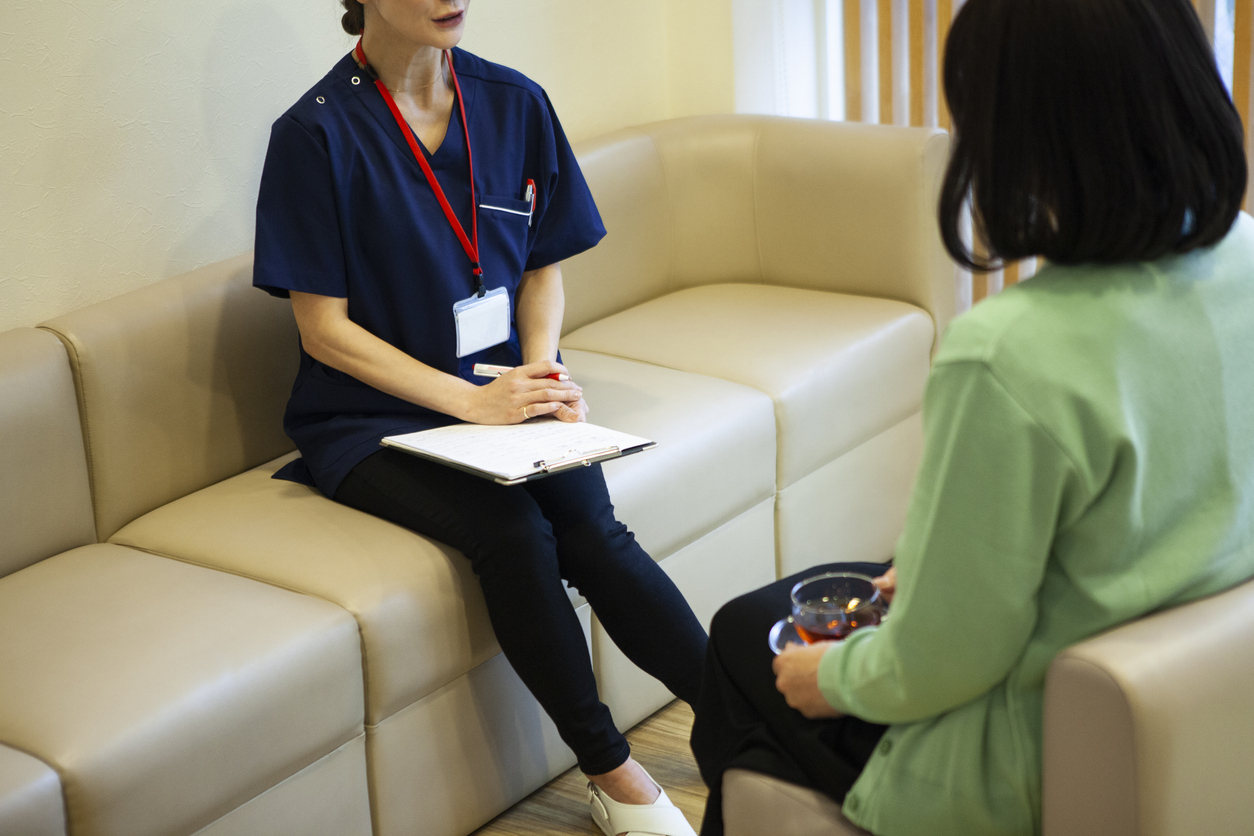
The exact details may vary by clinic and your individual situation, but here’s a general idea of what to expect on the day of the procedure.
When you arrive for your appointment, you’ll first be taken to a private room where a nurse will check your documents—particularly the signed consent form, if required—ask a few questions about your health history and allergies, and collect payment.
First-Trimester Abortions
First-trimester abortions are typically completed in half a day. You’ll be asked to change into surgical wear and prepare to meet the doctor. Once in the procedure room, you’ll likely be placed on an IV drip, given medication to soften your cervix and may wait anywhere from 30 minutes to two hours. You’ll then receive anesthesia—either local or general, depending on the clinic and your personal circumstances. The actual procedure usually takes about 10 to 20 minutes.
After the abortion, you’ll be moved to a recovery area to rest for about 30 minutes to an hour. Some bleeding and cramping afterward is normal. Many clinics ask you to bring your own sanitary pads, so be sure to check in advance. You’ll be given medication to aid healing and prevent infection, and will typically be asked to return within a week for a follow-up appointment to ensure you’re recovering well.
You won’t be allowed to drive after the procedure. Even if you’re planning to take public transportation, it’s a good idea to ask a trusted friend or partner to come with you and help you get home safely.
Second-Trimester Abortions
Second-trimester abortions are more complex and usually require a multi-day hospital stay. The process often involves labor induction and more intensive medical management. These procedures are more expensive due to the extended stay and additional care involved.
In many cases, you’ll also be issued a fetal death certificate. You may be asked to arrange for cremation or burial of the fetus—this is often handled through a local temple or cemetery if you choose to proceed. While emotionally and logistically more difficult, the hospital will usually explain each step in advance.
Medical Abortion
If the medical abortion procedure is approved, you’ll take the first pill at the clinic and stay under observation. The following day, you’ll take the second pill, which causes the uterus to contract and expel the pregnancy. You’ll need to remain in the clinic during the process, which may take several hours, and some facilities may require an overnight stay for this option, too.
Clinics in Tokyo
 © Photo by iStock: andrei_r
The following are Tokyo-based ob-gyn clinics that offer abortion services. While all of these options have some degree of English language support, not all medical or administrative staff will speak English fluently. It’s a good idea to call ahead to confirm their language options and whether interpretation is available during appointments.
- Ikenoue Obstetrics and Gynecology (Setagaya): All abortions are done by female doctors only, and an English-speaking doctor is usually available.
- Toho Women’s Clinic (Kiba): English availability may vary depending on the staff (both female and male), but the medical abortion pill is available here.
- Orito Ladies Clinic (Yurakucho): English support is minimal when booking, but the primary doctor (male) speaks English and French.
Interpretation
If an English-speaking ob-gyn is unavailable, you can opt for a medical translation service. Japan Health Info offers interpretation and assistance for women up to 10 weeks pregnant, including referrals to appropriate clinics.
Can You Get Financial Help For An Abortion in Japan?
 © Photo by iStock: maroke
In most cases, abortion in Japan is considered a private medical service, and as mentioned earlier, financial assistance is not readily available through national insurance or welfare programs. However, there are a few possible avenues to explore, depending on your circumstances and location.
Municipal-Level Support (Case-by-Case)
Some local governments and women’s health centers may offer limited financial support or refer individuals in difficult situations to organizations that can help. However, this is typically reserved for:
- Survivors of domestic violence
- Teenagers or minors without family support
- Individuals experiencing financial hardship or housing insecurity
- Cases of sexual assault or coercion
For example, the Tokyo Women’s Plaza or Counseling Center For Women may connect individuals with support services or crisis centers. Some 福祉事務所 (fukushi jimusho; “welfare offices”) or 児童相談所 (jidosoudansho; “child consultation centers”) may also offer confidential guidance for minors or vulnerable individuals.
Aftercare & Psychological Support
 © Photo by iStock: Yue_
Although your ob-gyn will provide you with medication to ease the physical after effects, psychological support in most cases is minimal. Most women who voluntarily opt for an abortion feel relief after it is all over, but it is also normal to experience a wide range of emotions. You may find it helpful to talk about your feelings with your partner, a trusted friend or a family member.
If the psychological aftereffects are interfering with your daily life, there are several English-speaking mental health resources available in Tokyo.
Many international clinics also have psychologists on staff or can provide referrals to English-speaking therapists.
Personal Stories
 © Photo by iStock: luza studios
Foreigners considering an abortion in Japan may take comfort from the testimonials of women who have been in the same situation. Two women who have had abortions in Japan agreed to share their experiences with Savvy Tokyo anonymously. Both women were satisfied with their quality of care and have now recovered physically and emotionally from the experience.
The first woman undertook abortion as an outpatient procedure and went home the same day.
“The procedure itself was quick. I was put under enough anesthesia not to feel pain, but I was conscious the entire time. My friend came and picked me up because I wasn’t allowed to drive afterwards. I was given three days’ worth of medicine to stop the blood flow and shrink my uterus. However, after three days, I had to return to work and wasn’t allowed to use tampons (due to the risk of infection), which meant running to the bathroom between every class to change my pad due to all the bleeding. The procedure was expensive, but very clean and professional. It made the emotional experience of having an abortion a little bit easier. I did have to see the final ultrasound and was asked, ‘Are you sure?’, but there was no shaming. Despite the circumstances, it was a relatively OK experience.”
The second woman chose to terminate her pregnancy based on the grounds of not being ready to start a family and because she was concerned that a medical condition she had could impact the health of the fetus. She undertook the procedure under general anesthesia.
“At no point during the visit to the clinic, hospital or any of my doctor’s visits was I told not to choose to terminate. The doctors and other medical professionals whom I encountered seemed very supportive and understanding. My partner also expressed to me that he was willing to go along with whatever decision I chose. The procedure was about ¥180,000 and was not covered by insurance. Financially, it is a burden, but the hospital allowed me to make installment payments. I don’t regret my decision because I am still being treated for my medical condition, and I can’t imagine what it would be like to be pregnant and have these issues.
I come from a very liberal family and my mother is a medical professional. Understanding the importance of doing what is right for your own health was how I was raised. This whole situation was actually a very big surprise for me. I never imagined I would have to make a decision of this nature. Even though I feel okay about my experience, I still feel sad about it sometimes. I try to keep in mind that I need to think of the best decision for myself at that moment. When the right time comes, I’ll be ready.”
Abortion can be a taboo topic that can bring up a lot of complex feelings. If you are going through this, remember any and all of your emotional reactions are valid, including a lack of feeling.
Dealing with an unwanted pregnancy when living in a foreign country can be a scary prospect. There are safe, legal options with language support available to you, and a lot of stories with happy endings.
This article has been updated with the latest information for 2025.








Related Articles You Might Like

Going To The Gynecologist In Japan
Your guide on what to expect when going to the gynecologist in Japan.

Undergoing Outpatient Surgery in Japan
There's no better way of ending or starting off the year with a clean bill of health.
By Hilary Keyes

A Foreign Girl’s Guide On How To Discuss Sex With Your Japanese Guy
Let's get down to business.
By Hilary Keyes

What You Need To Know Before You Go To The Doctor In Japan
Getting sick in Japan can be frightening and frustrating. Here is some useful information and language help for the next time you go to your...
Leave a Reply