Get To Know 5 Great Japanese Children’s Book Authors
Beautiful Books Perfect For Gifting

While there is a time and place in most homes for blockbuster volumes of Disney books, make space on your little one’s bookshelf for modern Japanese children’s literature, whether translated or in its native language.
One of the joys of raising children in Japan is discovering the magical world created by Japanese children’s book authors. Although I could have easily doubled this list, the five authors and illustrators below are must-reads for your little ones.
While most have at least some of their works published in English translation, for their full collections, you’ll need to read in Japanese. Of course, this can double as language practice—but one of the beautiful things about children’s books is that their drawings and emotions speak across cultures and languages.
1. Taro Gomi
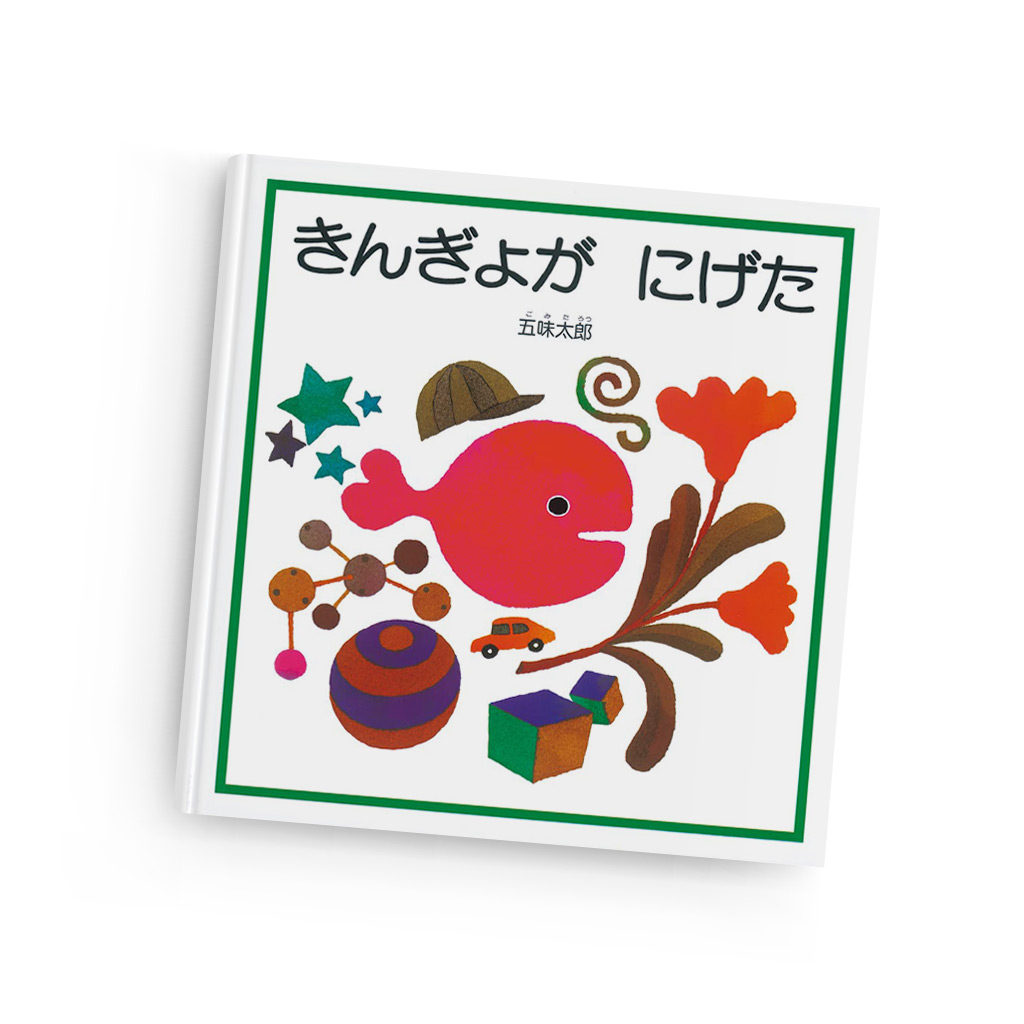
Perhaps one of Japan’s most prolific children’s book authors is Taro Gomi. From his first work, “Michi” (Road), in 1973, Gomi established his unique art style, characterized by bold colors and humor. Through his meticulous attention to a kid’s eye view of the world, his books allow adults to rediscover the souls of their childhood selves. Look no further than some of Gomi’s most enduring works, like my daughters’ favorite, Kingyo ga nigeta! or The Goldfish Got Away in its English translation.
While he has published over 400 titles in Japanese, only a handful have been translated into English. One of the most notable is the entertaining toddler and preschooler favorite Minna Unchi (Everyone Poops).
Besides standard children’s books, Gomi is also the author of the popular Rakugaki (doodle) series. These interactive books encourage kids to participate in the creative process by drawing, coloring, doing mazes, and more.
2. Rieko Nakagawa
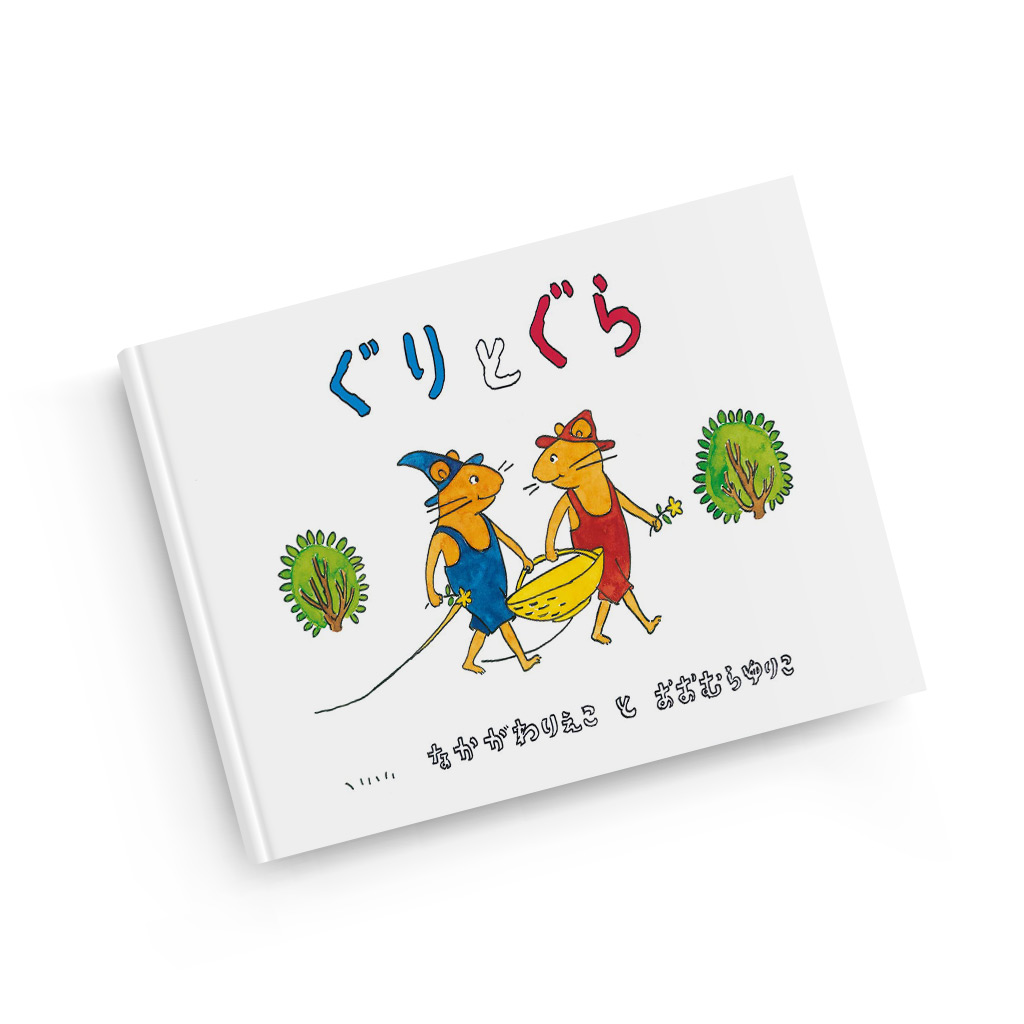
The author of one of Japan’s most popular and enduring picture books, Nakagawa was born Omura Rieko in 1935. She worked as a nursery school teacher for fifteen years. This experience enabled her to write children’s books that resonated with the hearts of young readers. Many of her books were illustrated by her younger sister, Yuriko Omura (later Yamawaki). Omura did not attend art school but loved to illustrate her older sister’s uplifting stories.
Nakagawa and Omura’s most famous collaboration is the Guri to Gura series. It was first published in the monthly magazine Haha no Tomo in 1963 and later released as a hardcover in 1967. Many sequels and media adaptations followed and the food-loving field mice protagonists became a constant in bookstores across the country. In addition to writing children’s books, Nakagawa also wrote lyrics, with perhaps the most famous being the opening song “Sanpo” (Hey Let’s Go) in Studio Ghibli’s smash hit, My Neighbor Totoro.
3. Mamoru Suzuki

A dropout from the prestigious Tokyo University of the Arts, Suzuki has created many evocative picture books for children of all ages. His heart-warming stories, often co-written with his wife, Takeshita Fumiko, draw on their experiences from child-rearing. A bird lover and researcher, he has also penned children’s books about birds, like Fushigi na tori no su (The Mysteries of Birds’ Nests).
Whether centered on animals or humans, Suzuki’s detailed drawings beautifully capture everyday life and the tender love between parent and child. This is especially evident in his popular book Anata ga daisuki (You Belong to Me).
Colors play a key role in Suzuki’s work. He begins each piece with a color image that shifts as the story unfolds. The book above, for instance, moves from pink to blue as the character grows. When depicting scenes of daily Japan, such as in his series on transportation vehicles, his vibrant illustrations inspire children to notice and delight in their surroundings—from the buzz of a city train station to the calm of a mountain road.
4. Mitsumasa Anno

From his first publication in the late 1960s to his representative work, Tabi no ehon (Anno’s Journey), Mitsumasa Anno’s (1926–2020) richly detailed work has captivated children’s imaginations. After serving in the Japanese military during World War II, Anno obtained his teaching license and taught elementary school in Tokyo for 10 years before becoming an illustrator. Most of his children’s books were illustrated using pen and ink as well as distinctive light-colored watercolors.
His books are known for their exquisite, people-filled landscapes and subtle references to literature, science and mathematics. The Journey series, in particular, portrays European, American and Japanese historical towns. It is widely praised for helping children develop cross-cultural awareness.
Anno’s artistic career extended far beyond picture books, too. His creative legacy even includes a museum dedicated to his work in Kyoto Prefecture.
5. Sachiko Kiyono
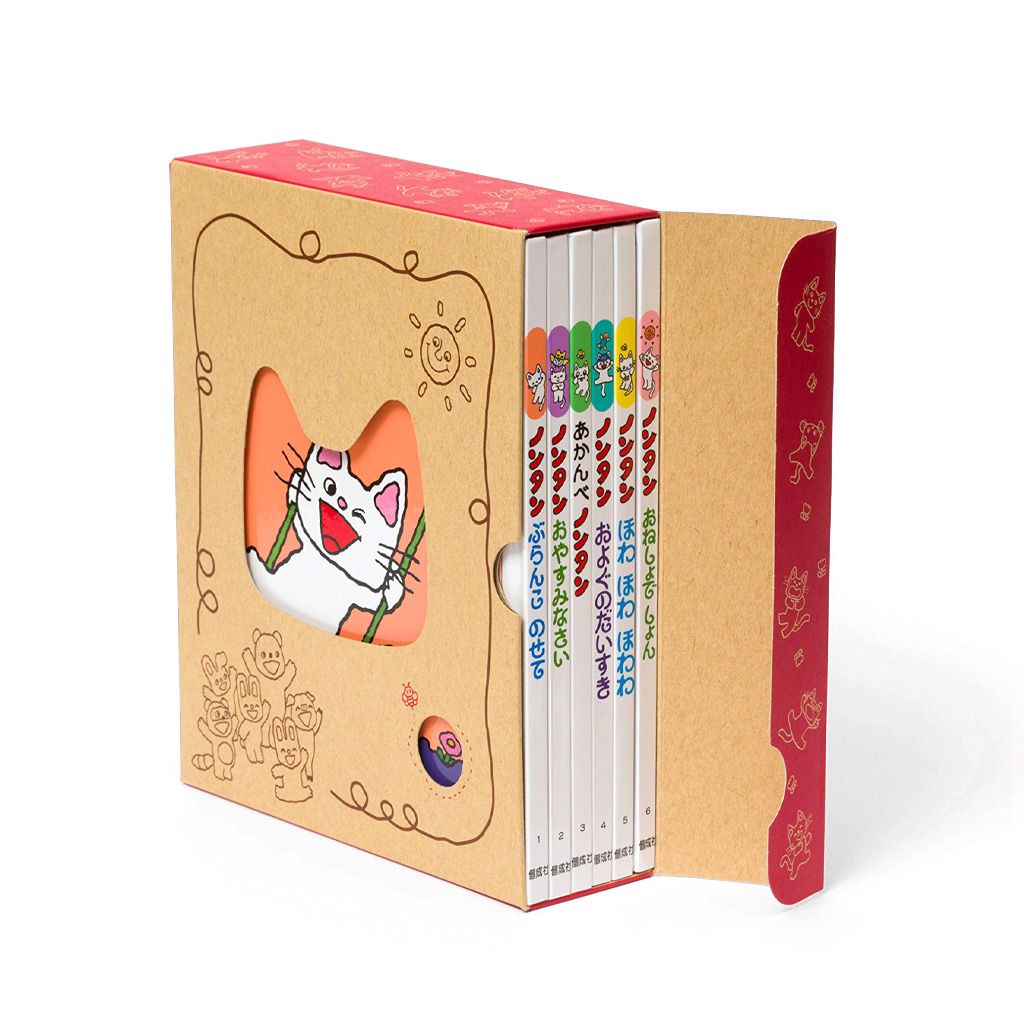
Sachiko Kiyono (1947–2008) is the author of the wildly popular series, Nontan. Nontan, an extremely mischievous white cat, plays and jokes with his animal friends in the engaging short books aimed at babies, toddlers and preschoolers. Kiyono’s drawings, which render the main character in wavy lines drawn by a thick marker, are very distinctive and speak to children. Indeed, many kids themselves must be eager to copy her style, following a drawing guide in the books, as my eldest daughter did. Pre-publication, Nontan was originally drawn as a fox, but after receiving editor feedback, he was changed to a cat to be more child-friendly.
Before publication, Nontan was initially drawn as a fox. After receiving editor feedback, he was changed to a cat to be more child-friendly. Since 1976, when the first Nontan volume was published, Kiyono has received some backlash for her beloved character. Critics have called Nontan selfish and ill-mannered. However, Kiyono always defended her artistic choices. She explained that she wanted to create books that children would truly enjoy and that were distinct from the moralistic tone of much of children’s literature.
So, if you’re looking for a Christmas or birthday gift—or adding to your bedtime collection—check out the works by the Japanese children’s book authors above for something truly special.






Related Articles You Might Like

Bringing Up Bilingual Babies
Language learning is one of baby’s most magical milestones! Who isn’t awed by their little one’s first words? Read on to find out what researchers...

5 Tips For Organizing Kids’ Stuff in a Japanese Apartment
When tidying up feels more miserable than magical, consider making a change to your home organization.

Skill-Building In Japan Through Extracurriculars
A quick guide to choosing your young child’s after-school activities in Japan.

4 Life Lessons From Japanese Playgrounds
There is a lot a day at the playground can tell you about Japan and parenting.
Leave a Reply