Kombu: Japanese Superfood Recipes
From Ocean To Umami

Kombu is Japan’s versatile seaweed used for stock, soups and cooking. Learn how to choose, store and cook with kombu, plus top Japanese brands and specialty shops.
Seaweed is one of the outstanding foods that project the uniqueness of the traditional Japanese diet. Not only has it been a key ingredient in Japanese cooking for thousands of years, but it has also been suggested as one of the key factors contributing to the longevity of the population. Japanese cuisine has several types of edible seaweed, but here we focus on just one highly nutritious type, yet still relatively unknown in the Western world: kombu.
What Is Kombu?
 © Photo by iStock: TokioMarineLife
Kombu (昆布) is a leafy brown kelp that is traditionally grown off the coast of Hokkaido. It is usually sold dried in the supermarket and adds much to the umami flavor of Japanese dishes, as it is the standard ingredient in dashi (the Japanese soup stock equivalent).
Health Benefits
In oriental medicine, kombu is used to support the endocrine (hormone-producing) and nervous systems in the body. This may be due to the fact that kombu has the highest iodine content of all seaweeds. Iodine is vital in hormone production and normal thyroid function, which is essential for regulating metabolic processes in the body. It is also crucial for proper fetal development during pregnancy.
Signs of iodine deficiency can include dry skin, hair loss, hypothyroidism, goiters and fertility issues. Since the body cannot produce iodine, it is essential to ensure that we consume it in adequate amounts in our diets. However, note that excessive iodine intake may be an issue for individuals with thyroid conditions or those taking certain medications. It is essential to consult your medical practitioner before making significant changes to your diet.
Kombu is also high in Vitamins B, C, D and E as well as calcium, iron and germanium, an element significant for skin healing. In addition, it may also be beneficial for regulating blood sugar, reducing blood cholesterol and blood pressure, alkalizing the body, detoxifying the body and aiding in weight loss.
How To Use It
 © Photo by iStock: yamasan
When kombu is added to grains and beans during cooking, it not only enhances the flavor but also aids in digestibility and nutrient absorption. This can mean less of the gas-producing effect that beans are notorious for. Just add an eight-centimeter sheet of kombu to your rice cooker or pot of beans when cooking to reap these benefits.
You can discard the used kombu sheet afterward if eating seaweed isn’t your thing. Otherwise, you can slice it up and add it to the dish or save it to add to your salads. If you want to make stock with it (recipe below), make sure not to boil the kombu sheet for too long if you plan to eat it afterward. Excessive boiling can make it slimy or bitter. Remove it around when the water begins to boil.
Store dried kombu in a cool, dry place. The white powdery flecks are natural glutamates (flavor crystals)—not mold, so don’t worry about those!
Where To Buy It in Japan
Higher-quality kombu will often be thicker, contain visible whitish flecks (“crystals” of glutamate), which are a good sign, and originate from well-established production regions. Here’s where you can get it:
- Supermarkets: Most regular supermarkets have a shelf or section for dried seaweed and stock ingredients.
- Specialty stores: For higher-grade kombu, look at stores and seafood markets specializing in seaweed and dashi ingredients like Konbu No Iwasaki (Tokyo), Azumaya (Osaka) and Konbumura (Hokkaido/Online).
- Online & imported goods: You can purchase bulk or premium kombu directly from brands like Golden Kombu or Okui Kaiseido, or through online retailers such as Amazon and Rakuten.
Kombu Dashi (Stock) Recipe
 © Photo by iStock: Promo_Link
This simple vegetarian dashi can be used as a base for soups, stews, noodle broths or even as a warm, nutrient-rich tea. All the exceptional health properties of the kombu are extracted into the water.
Makes 6 cups | Adapted from Mitoku
What You Need
- 15-centimeter sheet of dried kombu
- 4–6 cups water
What to Do
- Add water and kombu to a saucepan and let soak for 15 to 20 minutes.
- After this soaking time, bring pot to a simmer, uncovered, for five minutes.
- Remove the kombu sheet and you have your dashi ready to use!
The dashi will last in the refrigerator for up to one week.
Looking for an easy recipe to use this dashi in? Try this very simple sumashi-jiru soup!


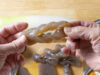


Personally, I hate wasting food so I wouldn’t throw the Konbu sheet away and it has fiber so I’d happily eat it as it’s probably not cheap to buy either. However, if for some reason one can’t consume it, composting it is better than sending to landfill.