Onsen Etiquette: Things To Know Before Using Japan’s Hot Springs & Public Baths
A Traditional Practice In Japan

Taking a bath seems simple enough. Something along the lines of "run the tap, allow to fill and get in" is pretty much how most Westerners are trained to do it.
In Japan, bathing is more than just a way to get clean—it’s an ancient tradition elevated to an art form. Long regarded as both a physical and spiritual experience, communal bathing has historically played a key role in bringing communities together. Today, public bathing remains a cherished part of everyday life, and understanding proper onsen etiquette is essential for anyone wanting to join in respectfully.
There are two main types of public baths in Japan, primarily distinguished by the water they use:
Sentō (Public Bath)
A sentō is a local bathhouse that uses heated tap water. Sentos used to exist in most Japanese suburbs, as many homes did not contain bathtubs. Nowadays, sentos are less common but are still popular with older generations.
Onsen (Hot Springs)
Conversely, onsens are bathhouses that use geothermal hot spring water, made possible by Japan’s widespread volcanic activity, and saturated with what are believed to be beneficial minerals. As you explore Japan, you’ll come across a variety of onsen experiences.
- Day-use: These public baths are open to all and often don’t require reservations. Just pay the entrance fee (typically between ¥300 to ¥2,000) and follow standard onsen etiquette.
- Ryokan or hotel-exclusive onsens: These are only available to overnight guests. Depending on the property, you’ll find large communal baths separated by gender, usually included in your stay, and reservable private baths popular for couples and families (though these may require an extra fee and advance booking). Some luxury rooms may even have private open-air tubs or indoor onsen baths within the room you stay in.
- Ashiyu (foot baths): If you’re shy about naked full-body bathing, hot spring foot baths are a good place to stay. They’re usually free and found in or near hot spring towns—perfect for soaking tired feet after sightseeing.
Bathing Etiquette
 © Photo by iStock: PRImageFactory
While onsen and bathhouse setups vary a little, from small family-run establishments to luxurious spas of multiple baths with varying temperatures and mineral properties, the fundamental process and etiquette are generally the same. Whether you’ve visited an onsen before and been a little confused, or if you’re completely new to the practice, here’s a step-by-step to make things crystal clear. After all, it’s not fun to find yourself wandering around naked, having zero clue what to do. Trust me!
What To Bring
You don’t need much to enjoy the onsen, but a few small items can make the experience smoother and more enjoyable:
- Small towel: For washing and modesty; often provided, but it’s good to bring your own.
- Extra towel: This towel can be large or small to dry your body once you get out of the bathing area.
- Hair ties: Essential if your hair is longer than shoulder-length.
- Skincare basics: If you plan to freshen up afterward, bring your cleanser, toner or moisturizer. These are sometimes provided, but it’s best to come prepared.
- Water bottle: To stay hydrated during and after your soak.
- Change of clothes: Especially if you plan to head out afterward.
- Plastic or waterproof bag: For carrying any damp items home.
- Tattoo covers: If needed, pack bandages or patches for small tattoos.
Entering The Establishment
Once you remove your shoes at the entrance, if no one is there, store them in the shoe locker provided and move ahead barefoot. Or if guided to do so, leave them there and use the slippers provided. Most onsen are divided into male and female sections, usually marked by red (women) and blue (men) curtains. These areas are sometimes switched daily or weekly, so be extra careful when entering—your usual side may now be reserved for the opposite sex.
Yes, You Must Be Nude
Wearing a bathing suit isn’t an option—unless it’s an onsen theme park—onsen bathing is enjoyed in the nude. It may feel awkward at first, but it’s a central part of the experience. Nudity in the bath is not sexual or shameful in Japan; it reflects the country’s quiet appreciation for equality and simplicity. Once our clothes come off, we are all the same—just people enjoying a good soak. Savvy writer, Sharon Alphonso, writes more about this in her article about the lessons she learned about body positivity after visiting a Japanese hot spring.
Everyone uses onsen in Japan—from grandmas to teens, businesspeople to travelers. Chattering groups of friends and solo soakers coexist comfortably. Don’t let a little nudity keep you from experiencing something truly special.
Undress, Wash, Relax
 © Photo by iStock: bong hyunjung
Undress in the gendered locker area and store your valuables in the provided lockers. You’ll usually be given a small rectangular wash towel (bring your own if not). This towel is your companion—used for modesty, drying, and washing—but not for dipping in the water. Your larger bath towel stays in the locker; it’s only for drying off later.
Rinse Off First
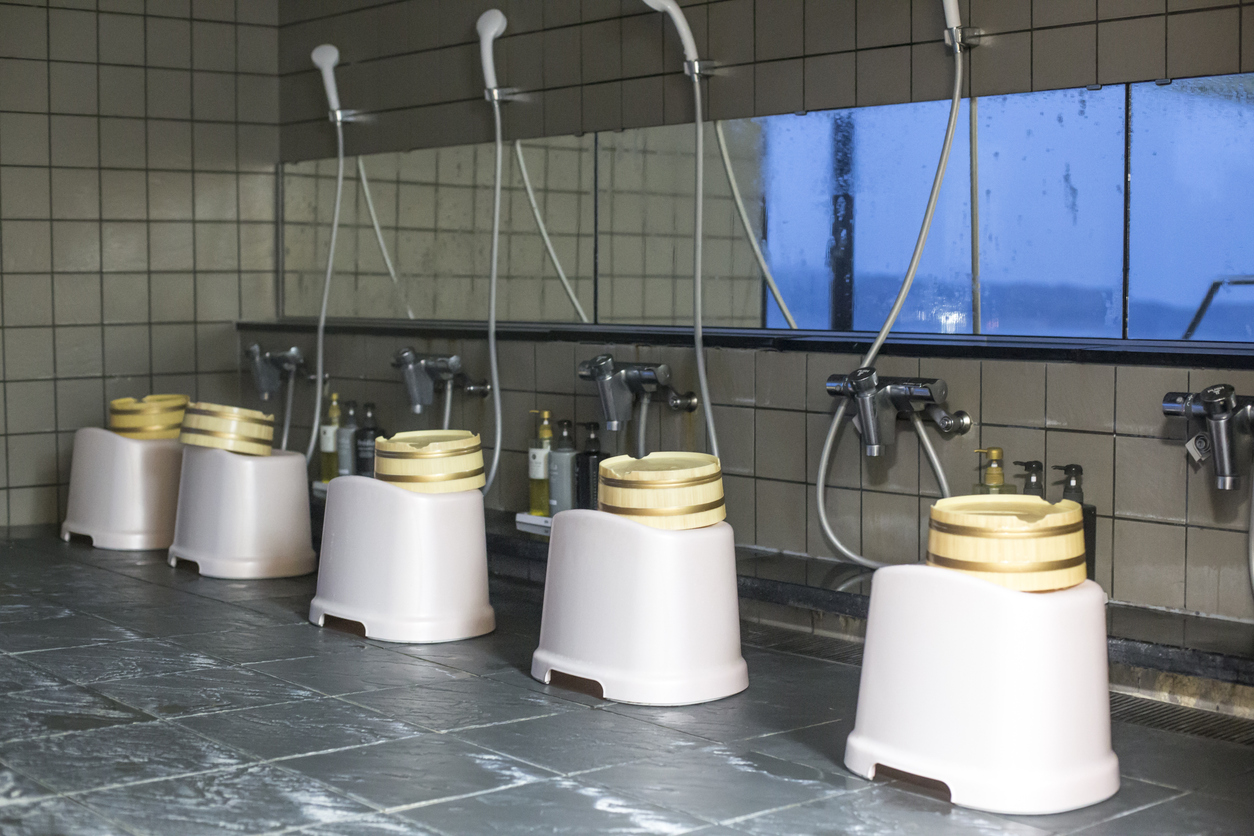
Before reaching the bath, you’ll pass a row of shower stations. Each one has a stool, a handheld shower, a bucket and basic toiletries. Sit down and wash yourself thoroughly before entering the baths—this is a non-negotiable part of the ritual. Use the bucket to rinse and shampoo your hair if it’s long (tie it up afterward to avoid it touching the water).
Tattoos? Be Prepared
If you have tattoos, especially visible ones, be aware that some onsen still restrict entry due to lingering associations with organized crime. Cover small tattoos with waterproof bandages or skin-tone patches. For larger tattoos, look for tattoo-friendly onsen or try kashikiri buro (private baths) where the rules are more relaxed.
Inside the Bath Area
 © Photo by iStock: halbergman
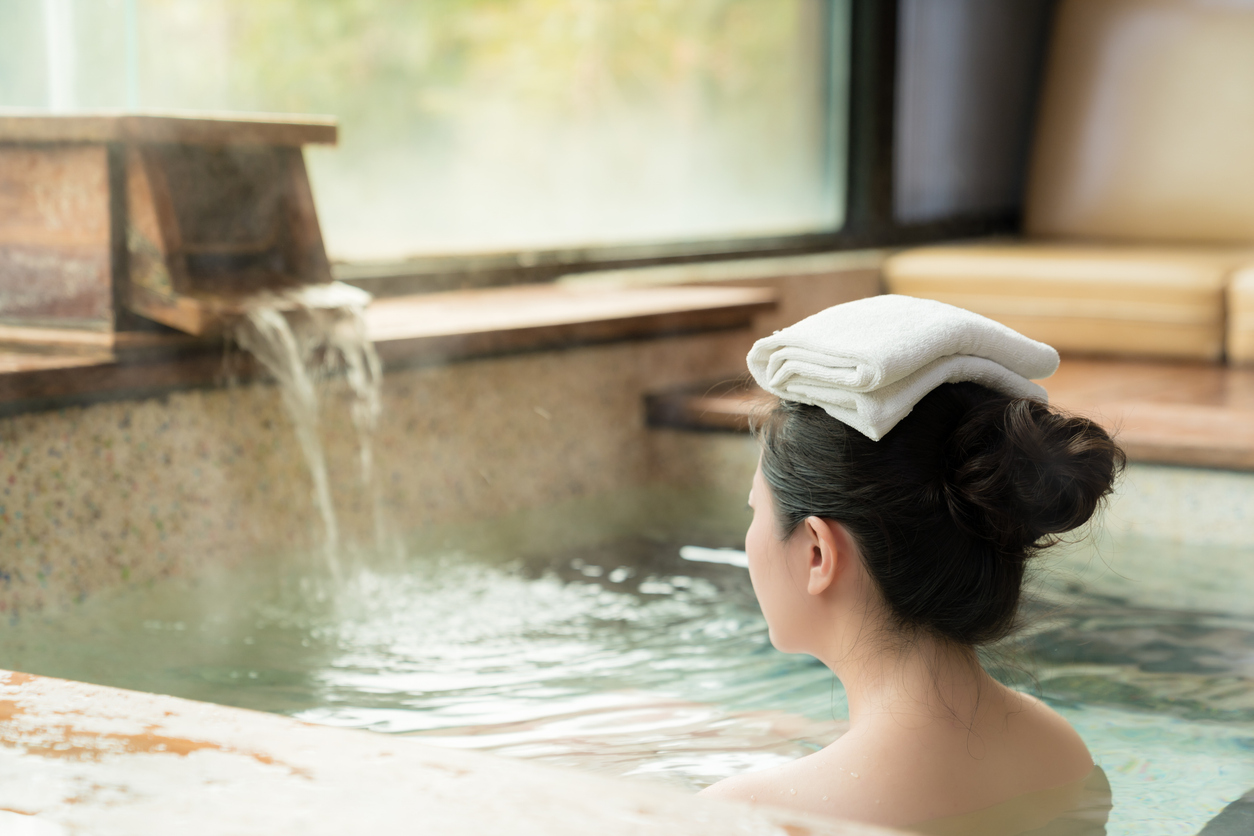
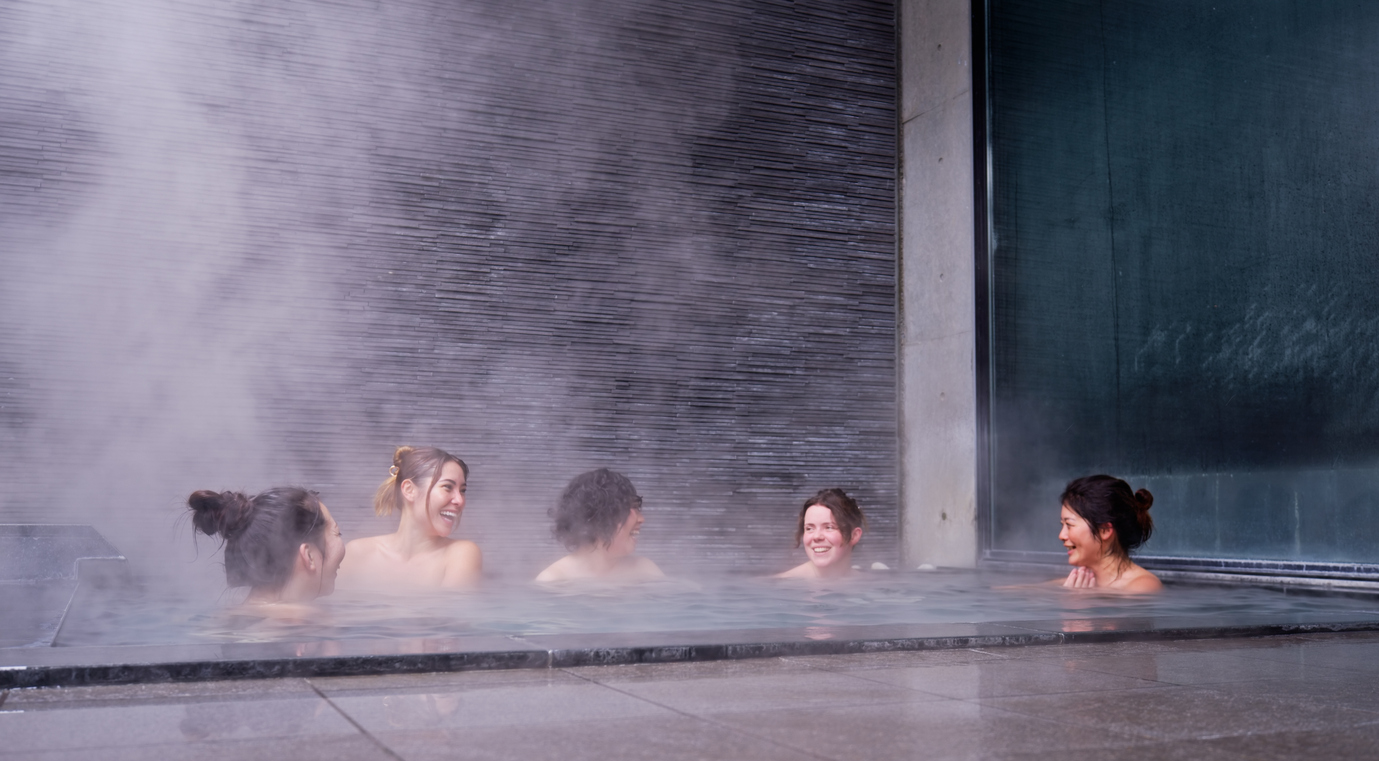
Once clean, head to the bath and enter slowly—most onsen baths are between 38–44°C. Keep your wash towel out of the water. You can place it on your head (a traditional move that helps regulate body temperature) or on the side of the tub. You may see various baths—some cloudy, green, yellow or even sparkling with minerals. Each bath is unique to its region’s water source.
Walking between baths? You can use your wash towel to provide a bit of modesty, but many just walk naturally. However, keep note that running, splashing or swimming is frowned upon. This is a place to soak and relax, it’s not a pool party. Also: keep voices low and phones out of sight. Most onsen ban photography entirely, so leave the camera behind.
A Note For Women
Unfortunately, menstruation during public bathing is a difficult challenge. It’s not impossible with prior precautions, but many people do consider entering the bath while menstruating to be unhygienic, and it’s often discouraged. If you want to know more, read our article about onsen while on your period.
Before You Leave
 © Photo by iStock: itakayuki
When you’re ready to head out, dry off lightly with your small towel so you don’t drip water into the locker room. Then, retrieve your large towel from your locker to dry off completely before getting dressed. Some onsen also provide “powder rooms” for grooming with hairdryers, moisturizers and sometimes even massage chairs—feel free to take your time here. Don’t forget to double-check you’ve grabbed everything from your locker before heading out!
Hydrate & Cool Down
Due to the heat and minerals, onsen bathing can be surprisingly dehydrating. Drink water before and after soaking, and take breaks between baths if you’re feeling light-headed. Some people bring cool tea to sip on after a session—very refreshing! Flavored milk is also a common after-onsen treat that many people like to enjoy. There will most likely be a vending machine full of sweet coffee, chocolate, strawberry and fruit-flavored milks, so why not try it if you’re interested!
Soothe Yourself With Aftercare
After a long soak, your muscles will feel like melted butter. This is the perfect time to treat yourself to a post-bath massage, brush out your hair or slip into a soft robe and relax. Japanese bath culture is as much about slowing down as it is about cleansing.
What Not to Do
 © Photo by iStock: Fernanda Reyes
Onsen culture is peaceful, respectful and quiet. Although we’ve already covered most of these above, double-check these key rules to avoid offense and looking foolish.
- Don’t enter the bath without washing first: Always clean your body thoroughly at the shower station before entering any bath.
- Don’t let your towel or hair touch the water: Keep your wash towel and hair out of the bath at all times.
- Don’t wear a swimsuit or underwear: Full nudity is required, and clothing of any kind is not allowed in the water.
- Don’t take photos or use your phone: Most baths strictly ban photography and phone use to protect privacy.
- Don’t dive, splash, or swim: Stay calm and still in the water.
- Don’t make loud noise or chat too energetically: Keep voices low and respect the tranquil environment.
- Don’t bring food or drink into the bath: Stay hydrated outside of the bathing area only.
- Don’t bathe drunk: Alcohol and hot water can be a dangerous combination! It can increase the risk of fainting or dehydration, so avoid it for your own safety.
Now that you know the onsen etiquette and what to expect, plan your bathing excursion by checking out one of Tokyo’s top five onsen-style spas or visiting a breathtaking onsen resort.
Happy bathing!





Related Articles You Might Like

Onsen While On Your Period: Cultural Taboo Or Well-Prepared OK Experience?
So it came right when you parked your car at the ryokan you booked months ago. Are you going to laugh or cry during your...
6 Alternative Ways To Experience Japanese Onsen And Sento
No need to get naked to get the benefits of onsen and sento. From foot spa to a totally dry take on bathing, there are...

12 Breathtaking Onsen Resorts To Visit This Autumn
No doubt about it—hot springs and autumn holidays make a perfect match.

Tokyo’s Top Five Onsen Style Spas
After several months of oddly warm winter, the temperatures have finally cooled off, which for many of us means the urge to take a relaxing...
Leave a Reply