Why April Means New Beginnings in Japan
Starting Afresh

If April leaves you feeling restless, you're not alone.
A word you would have seen a lot from late February through the end of March is shinseikatsu (新生活). Shinseikatsu means ‘new life,’ and, just as the word indicates, implies beginning a new phase of your life. Most people associate making changes in their lives with the New Year in January, but new beginnings can come at any time. In Japan, April is the start of the new fiscal year, the school year and the new working year. So, let’s dive a bit more into why April means new beginnings in Japan.
Why April?
 © Photo by iStock: west
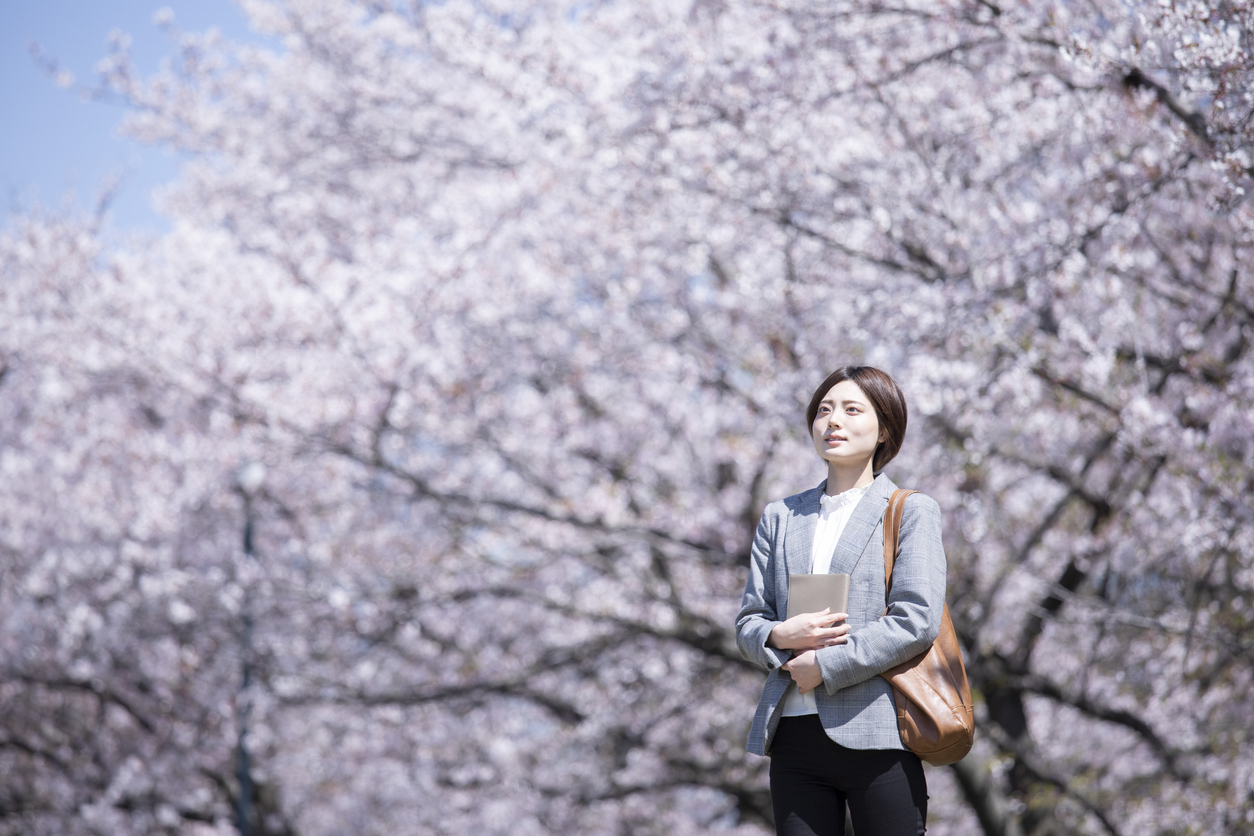
Spring has long represented renewal and new beginnings for cultures worldwide, and Japan is no exception. While it’s hard to pinpoint an exact date, starting in the Meiji Restoration, the new Japanese government sought to centralize its systems, including the fiscal year. According to some experts, the April-to-March system was based on the United Kingdom’s system, but this is up for debate.
The income tax year lasts from January 1st to December 31st, but corporate taxes follow the government fiscal year. Public schools, which required funding, soon followed suit, and by the 1900s, all educational institutes had shifted to an April start (according to the Elementary School Law of 1900.)
It later became common for companies to have newly hired staff begin working in April as well, as it matched both the fiscal year and the graduation period for students. Most new graduates start work in April after graduating in March of the same year. They begin looking for work in November to February of the year prior.
A New Chapter
 © Photo by iStock: itakayuki
Many people come to Japan in March before their work begins in April in order to acclimatize, go through training, and otherwise set up for their new life abroad. It’s a new, exciting chapter in their lives.
“I’ve literally been shaking since I got the news that I was hired. I’ve spent every day since then doing something to prepare for the move. I have so much to fit into a single year there” (Sara, ESL Teacher, 24).
April is the start of a new chapter in many people’s lives, especially in Japan, though whether this is a good or bad thing varies. Unfortunately for many Japanese people specifically, April goes from the positive association of graduations and new beginnings to one tied to their jobs.
“April makes me tired. I have so much to wrap up in March, and then I have to start all these projects, do welcome events, train people and whatever in April. I just want a nap” (Sachiko, Civil Servant, 33).
It’s a busy month, made even more exciting by the Golden Week holidays that arrive at the end of April and last into May. May begins with holidays but also marks the start of the longest stretch of no public holidays in the Japanese calendar year. From May 5th until July 21st, there aren’t any holidays in Japan, which is stressful even for the happiest of workaholics. May also has its own troubles, like gogatsu-byo (May sickness).
Starting Anew or Starting Again
 © Photo by iStock: torwai
Whether you’re starting off your life in Japan or starting fresh while already here, the newness and promise that April brings can sometimes feel overwhelming. There’s a lot of pressure to do something new, be somehow different, or make some major changes as a result of the so-called new year.
“My company likes to have everyone stand up and say what their goal for the year is in April. They expect you to come up with something special, and then you have to update everyone at the quarterly all-company meetings until the end of the fiscal year” (Linda, Analyst, 35).
“Every spring I see new teachers coming to Japan. They’re all eager to achieve something great, and they have so many ideas and such passion for what they want to do, it motivates me to do more myself. It can be hard to sustain that momentum, but getting a dose of it each year keeps me feeling young myself” (Kyoko, Japanese teacher, 54).
April can also make people feel restless.
While it can happen to anyone, for some reason a number of non-Japanese women specifically mention wanting to change once April starts.
“I don’t know what it is, but every spring I feel like I need to update myself. Last year I dyed my hair, the year before I started studying French. It’s hard to explain. It’s like a compulsion, but I never felt that way overseas” (Cindy, Translator, 31).
“My Japanese coworkers don’t get it, but they always laugh when they hear about the new things I’m doing each spring. I was never like this overseas, and I don’t really care about New Year’s resolutions either. For some reason spring is when I feel like I need to be somehow more than who I was last year” (Laura, ESL Teacher, 40).
Whether you’re excited about the new adventure of living in Japan or have spent several years enjoying the cherry blossoms already, spring is most certainly a time of change. Why not embrace that change and try something new?
Here’s a list of ideas to start you off:
- Try a make-your-own experience
- Try some new recipes
- Read a new Japanese book in translation
- Join an in-person event
- Update your look with the latest spring trends
- Go to a Japanese hair salon for a new look
- Look for love by joining a dating app, attending a konkatsu (matching party) or visiting an aisekiya (dating bar) with friends
- Make a restaurant reservation for somewhere you’ve never tried before
- Try a new Japanese art form like Kodo (incense appreciation) or Kokedama (moss ball) making
- Start learning a new musical instrument
Do you ever feel inspired to change in April? What does spring in Japan mean to you? Let us know in the comments below!








Leave a Reply