Japanese Food Additives Explained
What You’re Really Eating

Navigating food labels in Japan can feel like decoding a secret language, even if you’ve been here for years.
Once you finally figure out how to read Japanese food labels, there’s still that long list of mysterious ingredients that pop up after the slash mark (/). What even are half of these things? Are they safe? Necessary? For example, why does an onigiri (rice ball) with no filling, literally just a ball of white rice, have so many things after that slash mark? If you’ve ever found yourself wondering about Japanese food additives, you’re not alone.
Here’s your no-stress, savvy guide to understanding what’s actually in that already-made bento box, that family pack of senbei (rice crackers) or even your kid’s favorite snack from the convenience store.
Before vs After The Slash
 © Photo by Shelley Smith
To put it as simply as possible, when it comes to Japanese food labeling, keep these key differences in mind:
- Ingredients before the slash ( / ): Main food components (e.g., flour, sugar, oil)
- Ingredients after the slash ( / ): Food additives (食品添加物; shokuhin tenkabutsu)
This labeling system is part of Japanese food safety regulations designed to provide clarity when shopping for food products. Learning how to spot and understand additives in Japanese foods can help you make healthier, more informed choices.
What Are Food Additives For?
 © Photo by iStock: Yuto photographer
Food additives are substances added to foods for various reasons, including:
- Preservation
- Texture
- Color
- Flavor
In Japan, the list of approved additives includes both natural and synthetic ones. Some are totally harmless—or even helpful—while others raise eyebrows.
Are Additives in Japanese Foods Safe?
The short answer is mostly yes, at least in the quantities allowed. Japan has fairly strict food safety laws and a list of approved food additives managed by the Ministry of Health, Labour and Welfare. However, those who are more health-conscious may try to avoid artificial additives.
Common Japanese Food Additives

Here’s a categorized list of common food additives in Japanese foods to help you make smarter food shopping decisions.
Generally Safe
The following additives are widely regarded as safe for regular consumption. Many of them are derived from natural sources.
| Japanese | Romaji | English (Additive Type) |
| クエン酸 | kuen san | Citric acid (acidulant, preservative) |
| ビタミンC/E | bitamin C / E | Vitamin C / E (antioxidants) |
| 寒天 | kanten | Agar (gelling agent from seaweed) |
| キサンタンガム | kisantan gamu | Xanthan gum (thickener, stabilizer) |
| レシチン | reshichin | Lecithin (emulsifier from soy/egg) |
| セルロース | serurōsu | Cellulose (fiber, anti-caking agent) |
| クチナシ色素 | kuchinashi shikiso | Gardenia pigment (natural coloring) |
| 加工でん粉 | kakō denpun | Modified starch (thickener, stabilizer) |
| 酸味料 | sanmiryo | Acidulants (flavor enhancer, pH control) |
| 天然由来の香料 | tennen yurai no kōryō | Natural flavors (flavoring agent) |
Consume in Moderation
These additives are considered generally safe but are best avoided in heavy doses.
| Japanese | Romaji | English (Additive Type) |
| アミノ酸等 | amino san tō | Synthetic amino acids (flavor enhancer) |
| ソルビン酸K | sorubin san K | Potassium sorbate (preservative) |
| 安息香酸Na | ansokukōsan enu ē | Sodium benzoate (preservative) |
| カラギーナン | karagīnan | Carrageenan (thickener, stabilizer) |
| グリセリン脂肪酸エステル | guriserin shibōsan esuteru | Glycerin fatty acid esters (emulsifier) |
| ポリリン酸Na | poririn san Na | Sodium polyphosphate (preservative, texture modifier) |
| カラメル色素 | karameru shikiso | Caramel coloring (artificial color, possible 4-MEI content) |
Best to Avoid
The following are linked to health risks or restricted overseas due to studies (or a lack thereof).
| Japanese | Romaji | English (Additive Type) |
| アスパルテーム | asuparutēmu | Aspartame (artificial sweetener, potential neurotoxicity) |
| スクラロース | sukurārōsu | Sucralose (artificial sweetener, may affect gut microbiome) |
| 発色剤(亜硝酸Na) | hasshokuzai (ashōsan Na) | Sodium nitrite (color fixative, cancer risk concern) |
| 着色料: 赤102号、黄4号、青1号 | chakushokuryō: aka 102go, kiiro4go, ao1go | Artificial colors: red 102, yellow 4, blue 1 (linked to hyperactivity, possible carcinogen) |
| BHT(ジブチルヒドロキシトルエン) | BHT jibuchiru hidorokishi toruen | BHT (preservative, suspected endocrine disruptor) |
| 臭素酸カリウム | shūsosan kariumu | Potassium bromate (dough conditioner, banned in many countries) |
How To Avoid Additives
 © Photo by Shelley Smith
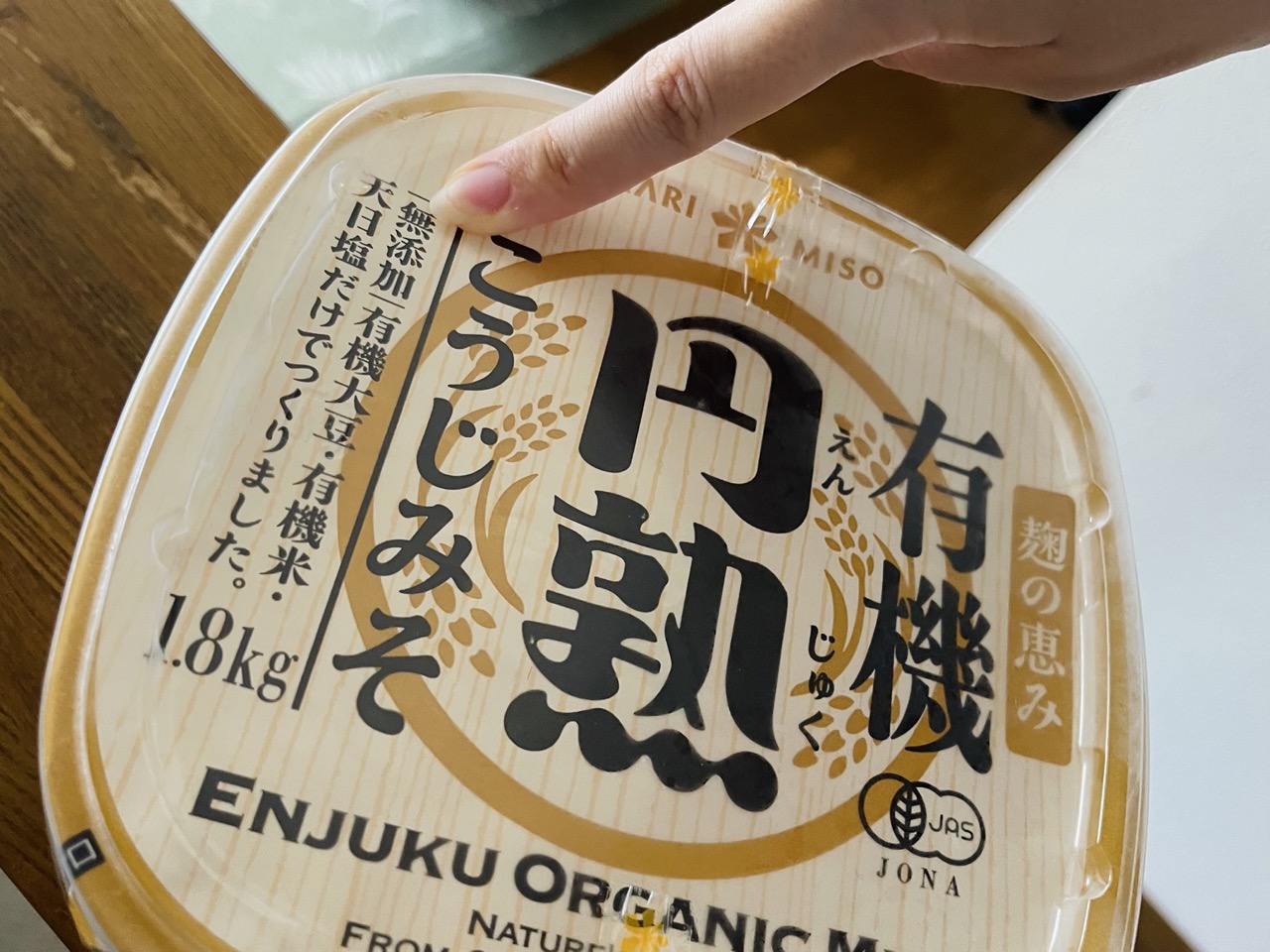
For those of you who are health-conscious, try looking out for products labeled 無添加 (mutenka; additive-free). This makes it much easier to avoid unnecessary chemicals when shopping in Japan.
Also keep note, some ingredients like 香料 (kōryō; flavoring), 酸味料 (sanmiryō; acidulants) and アミノ酸等 (amino san tō; amino acids), etc., don’t clearly list what’s inside, so their safety can vary depending on the brand. If you’re ever unsure, it’s a good idea to check the manufacturer’s website for more transparency.
Want to go even cleaner? We’ve got a full article on organic food in Japan, so check that out for tips on finding safer, more natural groceries that you and your family can feel good about eating.
It’s All About Balance
 © Photo by iStock: halbergman
Here’s the thing—additives aren’t always bad. Some make food safer, more accessible or even more delicious. But obviously, when you don’t know what you’re eating, it’s easy to feel overwhelmed. Think of this article as less of a warning and more like having a friend whisper, “Hey, just so you know…” while you’re browsing the convenience store aisle.
For those of you still stuck reading food labels in Japanese in general, check out our full guide on reading Japanese food labels. It breaks down where to find ingredients, allergens and expiration dates etc.
Got any go-to snacks you’ve managed to decode? Or ingredient names you’re still unsure about? Comment and let us know about it.






Related Articles You Might Like

Organic Food in Japan: 10 Tips For Buying It
Dear fellow conscious foodies, let me share the tips that helped me, help you.
By Anisa Kazemi

How To Make Your Child Fall In Love With Japanese Food
Sushi. Ramen. Onigiri. For adults, trying new Japanese foods is an exciting adventure. For children new to living in Japan, however, Japanese food might seem...

Vegan Products Available In Japanese Supermarkets
Shopping for vegan food in Japan isn’t easy, but if you know what to look out for, then even the humblest supermarket can yield some...
By Rachel Crane

Grow Your Own Japanese Herbs and Spices
Enjoy the myriad health benefits, delicious tastes and sublime aromas of the Japanese herbs and spices listed below which will also grow happily on your...
Leave a Reply